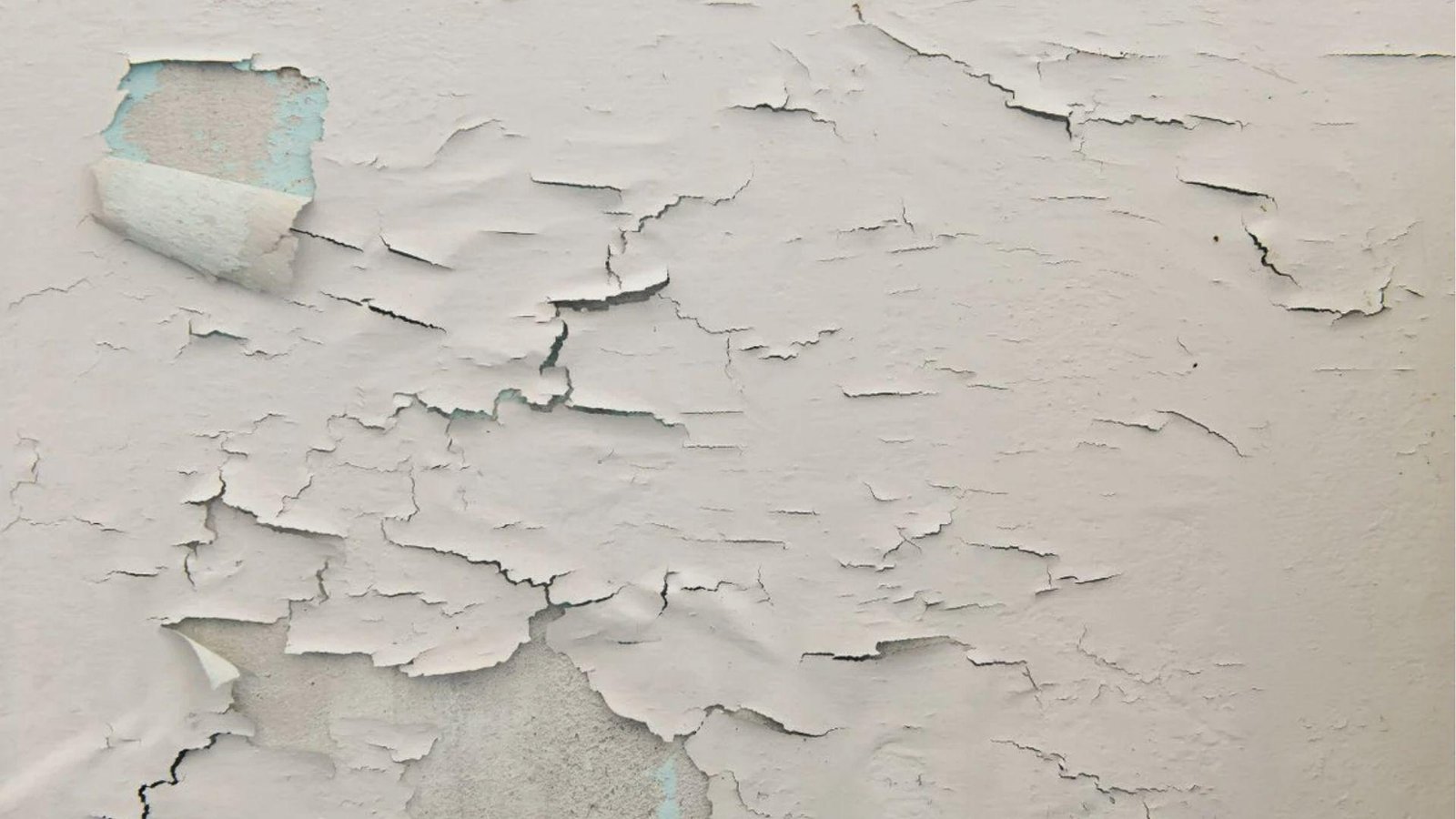
If your spray paint is cracking, you are not alone. I have been there, standing over a freshly painted surface, watching it split and wrinkle like old leather, wondering what went wrong.
It is frustrating, especially when you thought you followed all the right steps.
Spray paint cracking happens for a few clear reasons, including thick coats, bad prep, wrong temperatures, and recoating too soon.
In this guide, I will walk you through every cause, show you how to fix it without starting over, and share what actually works to keep it from happening again. I have tested these fixes myself.
Why Is My Spray Paint Cracking? Quick Answer
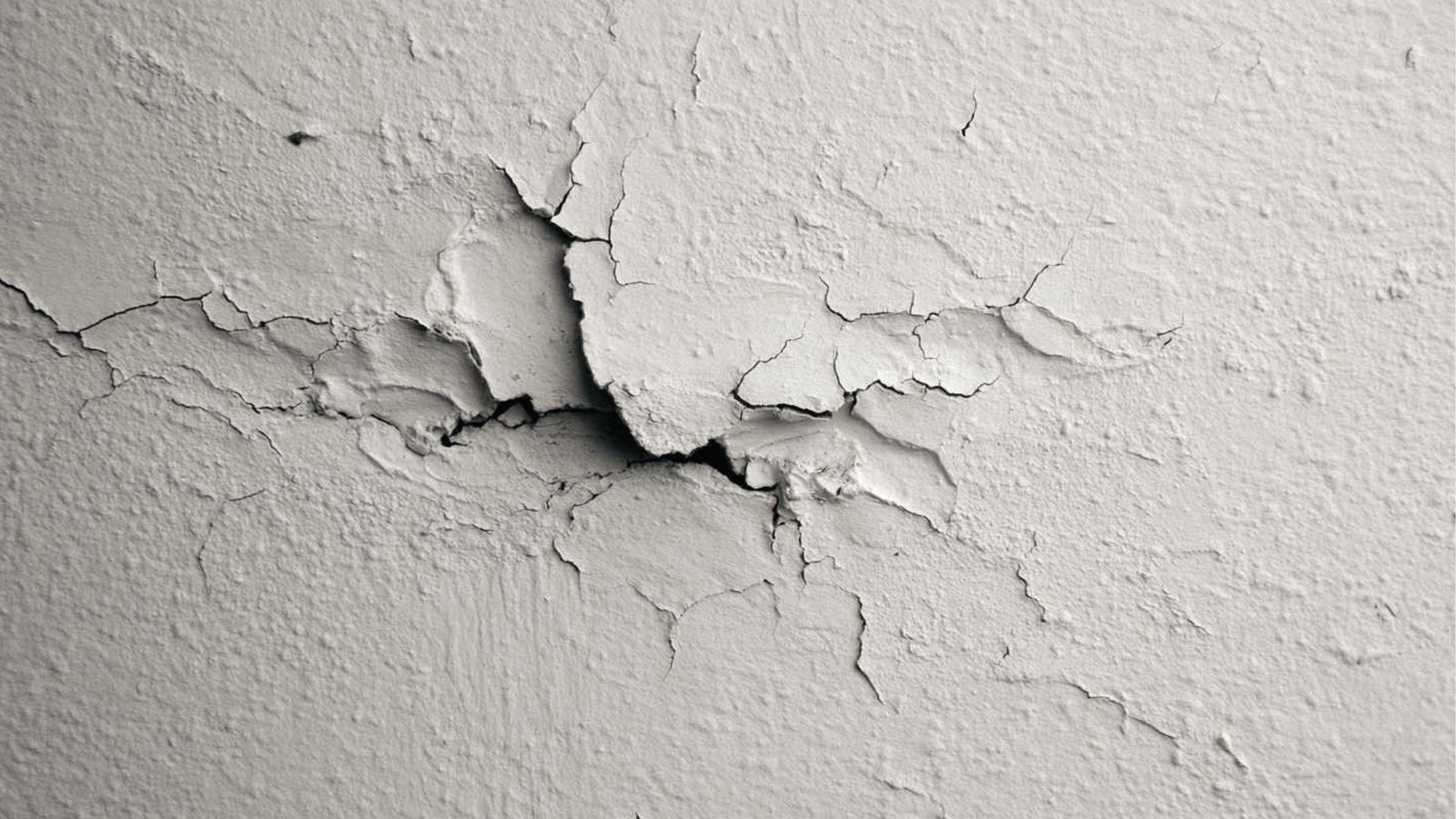
Spray paint cracks when the paint is applied too thickly, causing the outer layer to dry faster than the paint underneath.
That tension between the hard top and the wet bottom pulls the surface apart. Temperature and humidity make it worse.
High heat speeds up surface drying while the inner layer stays wet, and cold temperatures leave paint soft and prone to damage.
High humidity traps moisture between layers and breaks the bond. Poor surface prep is another big factor.
Painting over a dirty or oily surface gives the paint nothing solid to grip. Recoating too soon traps solvents inside, which push through the top layer as the paint cures and cause cracks.
Top Reasons Spray Paint Cracks After Drying
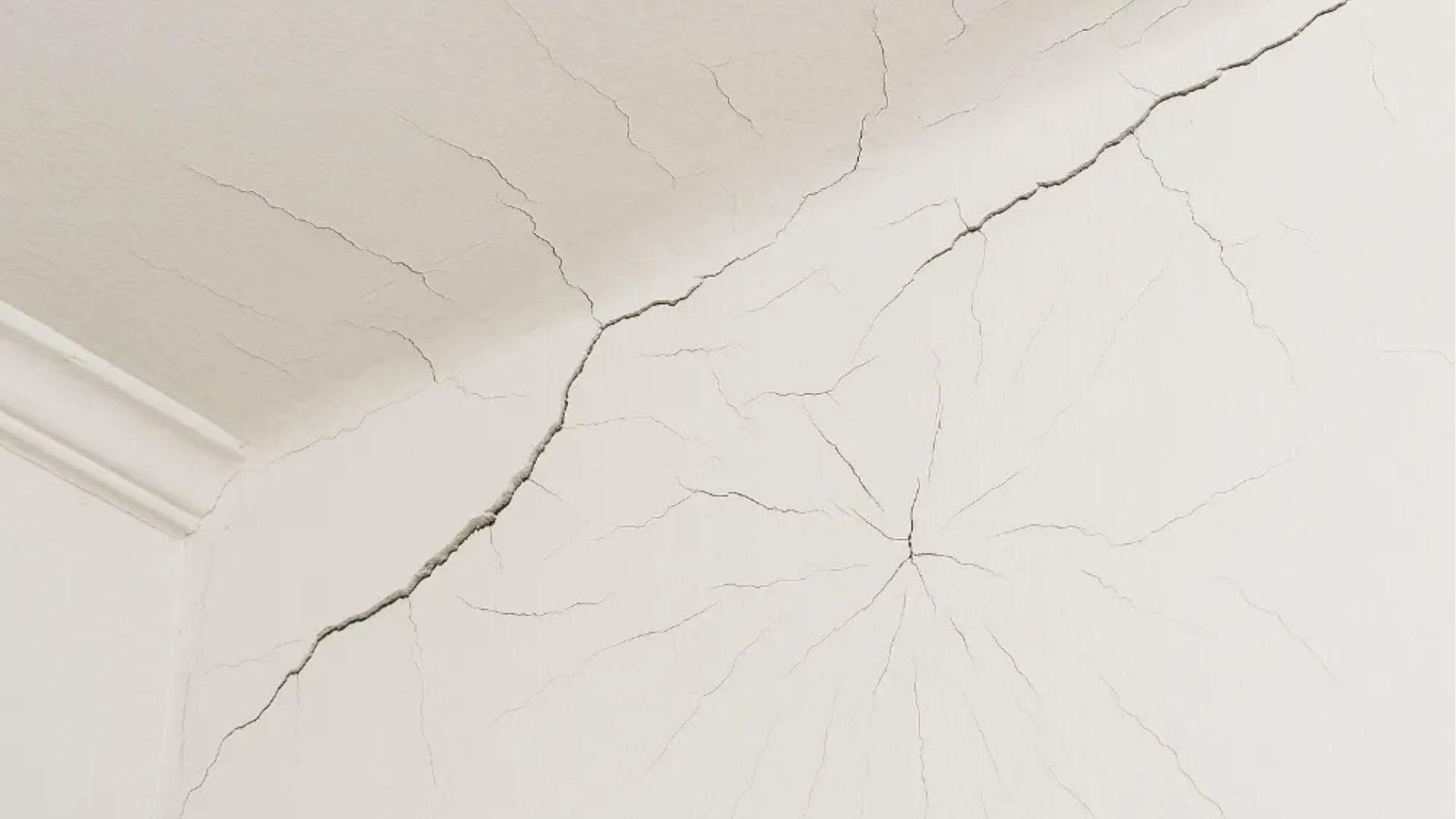
Understanding what went wrong helps you fix it correctly and avoid repeating the same mistake.
Thick Coats Trap Wet Paint Underneath
Heavy coats look like a shortcut, but they almost always lead to cracking. The outside hardens while the inside stays wet, and that difference in tension splits the surface.
Two to three thin coats always produce better results than one heavy coat.
Painting in Hot Weather or Direct Sunlight
Direct sunlight bakes the surface of the paint before the layers underneath have dried. This locks in moisture and creates a brittle top layer that cracks easily.
Always paint in a shaded area or during cooler parts of the day.
Cold Temperatures Slow the Curing Process
Cold air keeps spray paint soft for much longer than normal.
If the paint stays soft and gets touched, moved, or exposed to temperature changes before it fully cures, it will crack or wrinkle. Never spray paint below 50 degrees Fahrenheit.
High Humidity Causes Drying Problems
Moisture in the air gets trapped between coats when humidity is high. As the paint tries to cure, that trapped moisture disrupts the bonding process.
This leads to cracking, bubbling, or a foggy finish. Check the weather before you start and avoid painting on rainy or very humid days.
Using Incompatible Paints, Primers, or Finishes
Not all paints work together. An oil-based topcoat over a water-based primer, or mixing brands that use different solvents, can cause the layers to react badly.
The result is often cracking or wrinkling. Stick to the same product line or verify compatibility before combining different paints.
How to Prevent Spray Paint Cracking in Future Projects
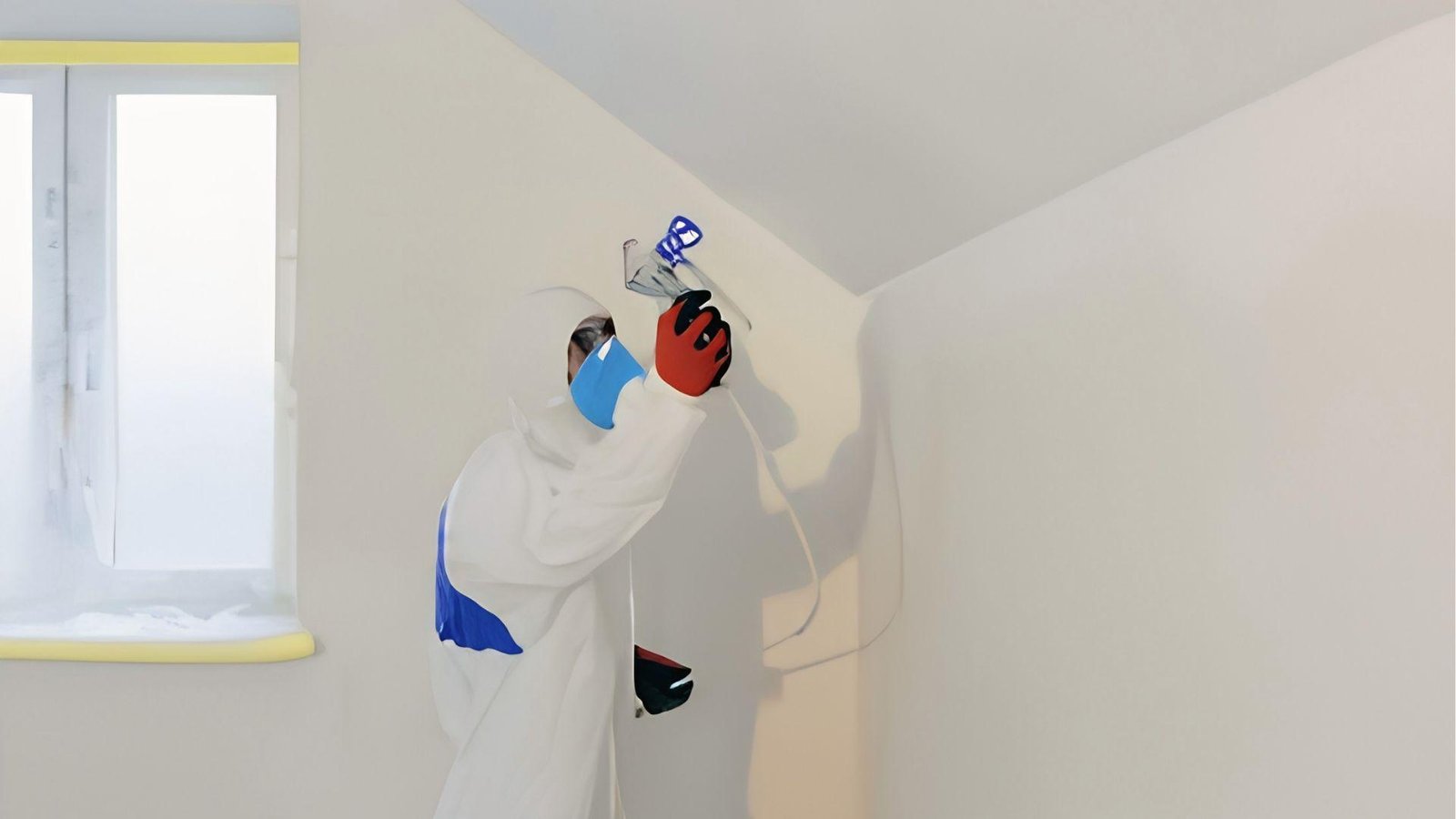
A little preparation goes a long way when it comes to getting a clean, crack-free result.
Clean and Prepare the Surface Properly
Wash the surface, sand any rough spots, and wipe everything down before you open the can. A clean, smooth surface gives the paint the best chance to stick and dry evenly.
Apply Multiple Thin Coats Instead of One Heavy Coat
Three thin coats will always outperform one thick one. Each light layer dries fully before the next goes on, which keeps the finish even and strong.
Follow Recommended Dry and Recoat Times
The recoat window on the label exists for a reason. Spraying too soon causes cracking every time. Set a timer if needed and stick to the full wait time between coats.
Spray Paint in Ideal Weather Conditions
Aim for dry days with temperatures between 60 and 80 degrees Fahrenheit. Avoid painting in direct sunlight, wind, or high humidity. Morning is often the best time to spray paint outdoors.
Choose High-Quality Spray Paint Products
Cheap spray paint is more likely to crack, drip, or dry unevenly. Brands like Rust-Oleum and Krylon are well-tested and formulated to work in a range of conditions. Investing in a better one can save time on repairs later.
Other Spray Paint Problems That Look Like Cracking
Not every surface defect is cracking. Knowing the difference helps you treat the right problem.
Spray Paint Wrinkles
Wrinkling looks like crumpled skin on the surface. It usually happens when a second coat is applied too soon or when the first coat is too thick.
It is caused by solvents in the new coat reacting with the soft layer below.
Spray Paint Bubbles and Blisters
Bubbles form when moisture, air, or heat gets trapped under the paint. They look like raised bumps rather than lines or splits.
Blisters often appear in hot weather or when painting over a damp surface.
Orange Peel Texture
The orange peel texture looks like the bumpy skin of an orange. It happens when the paint dries before it has time to level out.
This is usually caused by spraying too far from the surface or in very warm conditions.
Paint Runs and Drips
Runs happen when too much paint is applied in one spot and gravity pulls it down before it dries. They look like streaks or tears running down the surface, not cracks.
How to Identify the Correct Paint Defect
Look closely at the surface. Cracks form lines or a web-like pattern. Wrinkles look like folded skin.
Bubbles are raised and round. Runs are streaks going downward. Identifying the right defect points you to the right fix.
Expert Tips for a Smooth and Professional Spray Paint Finish
Small habits make a big difference in the final result of any spray paint project.
- Test spray on cardboard first to check flow and spray pattern before starting your actual project.
- Keep the can 10 to 12 inches from the surface for an even, controlled coat without runs or dry spray.
- Avoid painting on very hot, cold, or humid days and stay out of direct sunlight and strong wind.
- Wait 24 to 72 hours for the paint to fully cure before using or handling the surface.
- Store cans at room temperature, shake well before use, and clear the nozzle after each session.
Conclusion
Spray paint cracking is one of those problems that feels overwhelming until you understand why it happens.
Thick coats, bad timing, and the wrong conditions are almost always behind it.
I have made these mistakes myself, and once I slowed down and prepped properly, the results changed completely.
Sand it back, clean it up, and start fresh with thin coats and patience. You will be surprised how good it looks.
If this helped, drop a comment below or share it with someone who has been battling the same frustrating finish.
Frequently Asked Questions About Spray Paint Cracking
Why Is My Spray Paint Cracking While Drying?
This happens when the outer layer dries faster than the inner layer. Thick coats, heat, or incompatible products are usually to blame. Apply thinner coats and give each layer more time to dry.
Can I Paint Over Cracked Spray Paint?
You should not paint directly over cracked paint. Sand the area smooth first, clean the surface, and apply primer if needed before repainting. Skipping this step causes the cracks to show through the new coat.
How Long Should I Wait Between Spray Paint Coats?
Most spray paints need between 5 and 30 minutes between coats, depending on the brand and conditions. Always check the label for the recoat window specific to the product you are using.
Does Primer Help Prevent Spray Paint Cracking?
Yes. Primer creates a stable, even base that helps the topcoat bond correctly. It also seals porous surfaces so the paint does not soak in unevenly, which reduces the risk of cracking.
What Temperature Is Best for Spray Painting?
The ideal range is between 60 and 80 degrees Fahrenheit. Avoid temperatures below 50 degrees or above 90 degrees, as both extremes affect how the paint dries and cures.