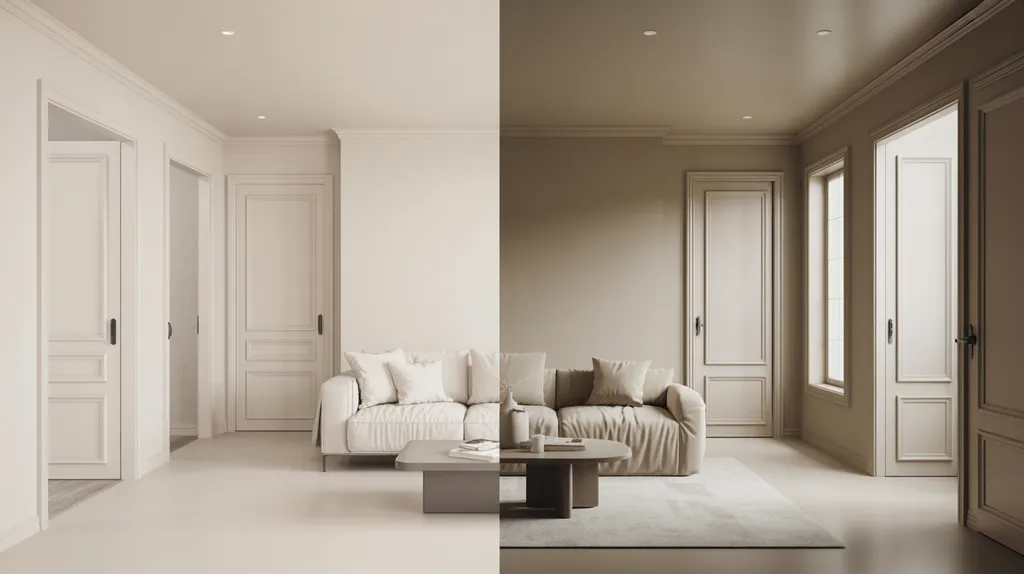
Something felt off in my living room for years. New decor, new furniture, still the same choppy look.
The fix? Painting doors and trim same color as walls.
This blog breaks down exactly why this works, which rooms benefit the most, and what to consider before you pick up a brush. I've done the research so you don't have to second-guess.
You'll get the real benefits, the honest drawbacks, and a simple way to decide if this look fits your home.
No guessing. No overwhelm. Just clear, straight answers.
By the end, you'll know exactly what's right for your space.Trust the process, and let's get into it.
What Does Painting Doors and Trim Same Color as Walls Mean?
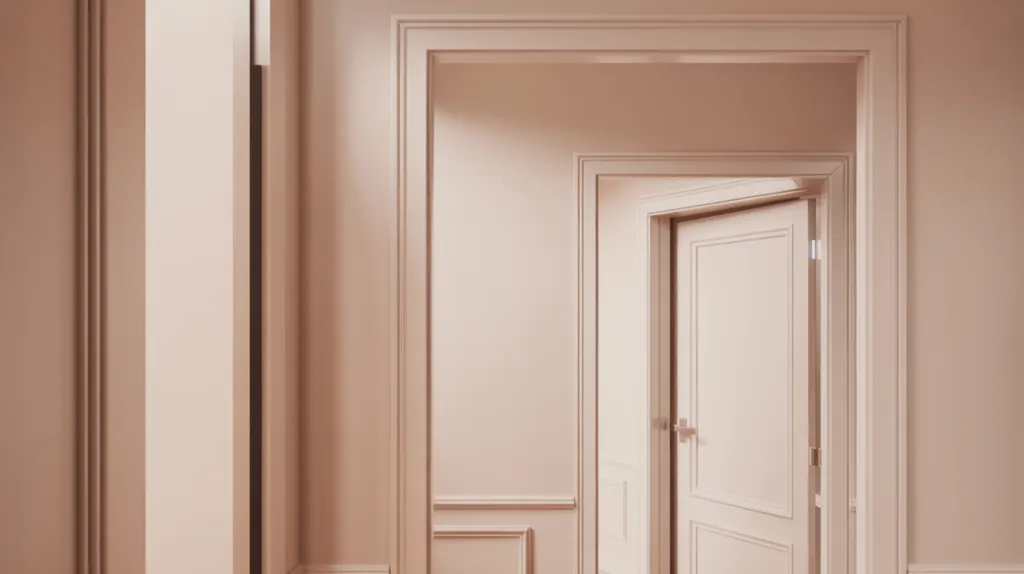
It means your walls, door frames, baseboards, and doors are all painted in the same color and finish.
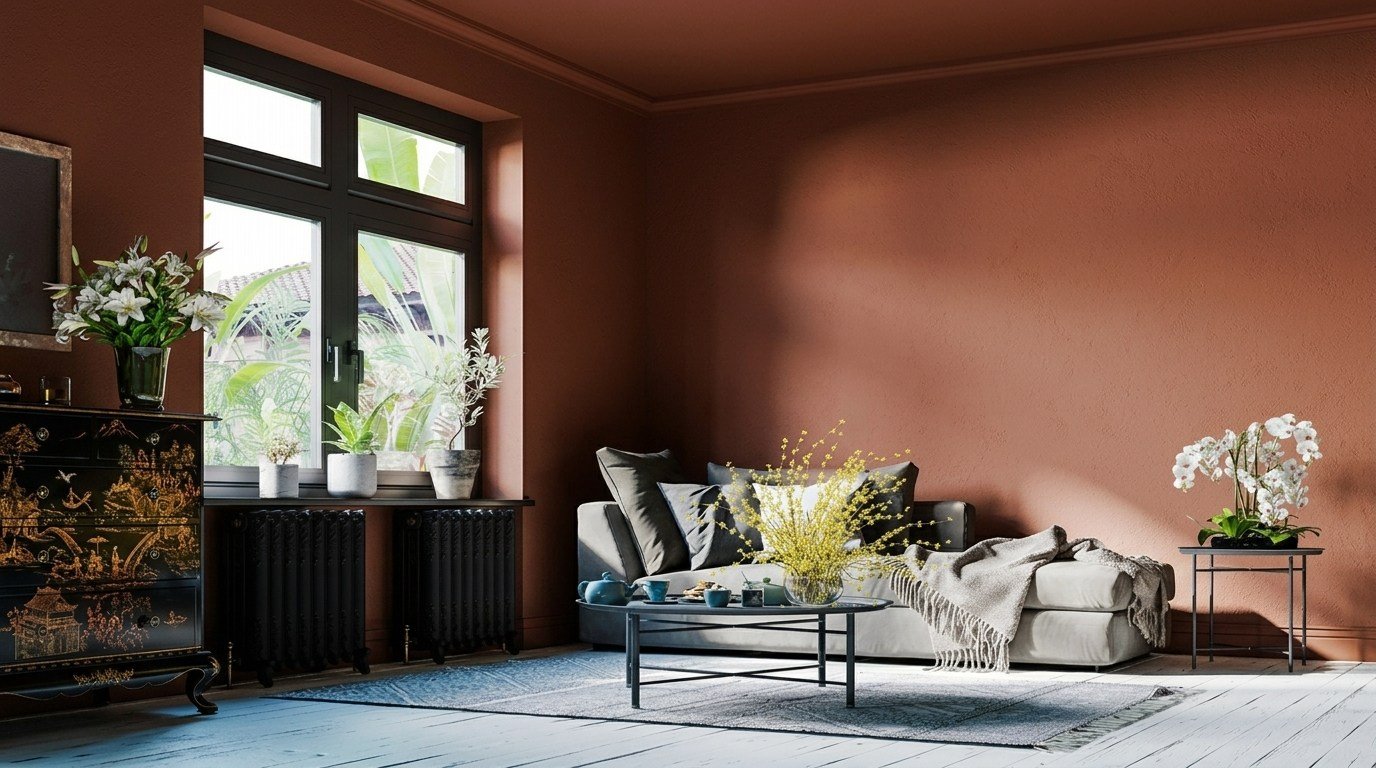
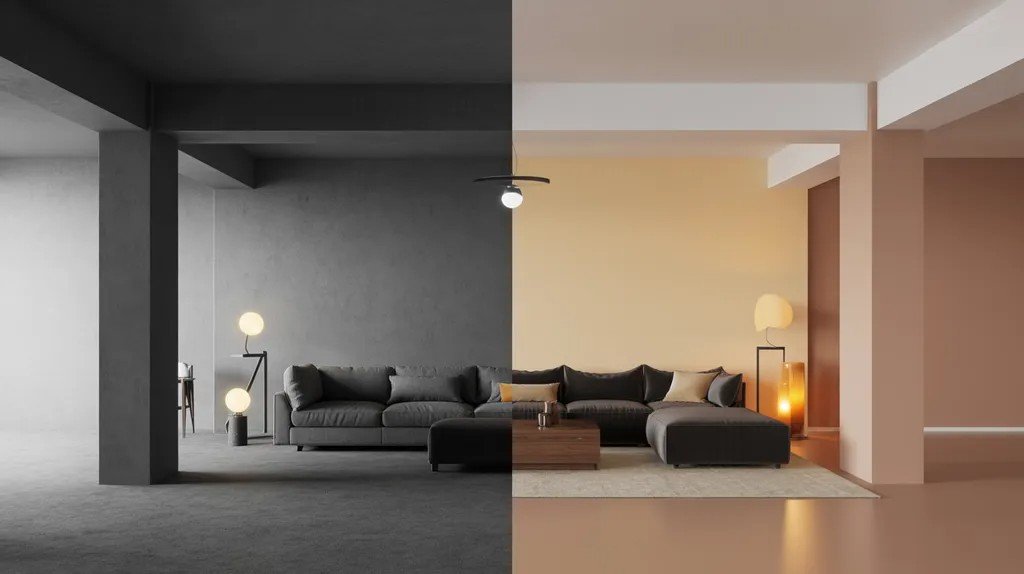
Instead of using white trim as a border, everything blends into one continuous surface. The room feels intentional and pulled together.
It's a design choice that removes visual breaks and lets the space breathe.
Many interior designers use this technique to create a calmer, more modern look without spending a lot on furniture or renovation.
Why Homeowners Choose This Design Style
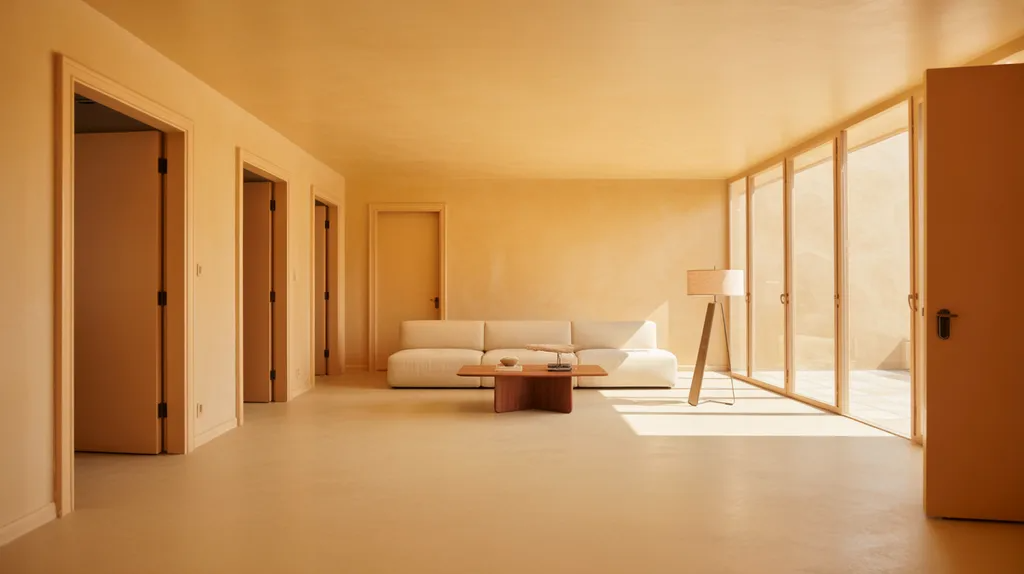
More homeowners are moving away from traditional contrast and choosing a cleaner, more uniform interior look.
Cleaner, More Modern Look is one of the biggest reasons people make this switch.
When walls and trim share the same color, the eye stops jumping from surface to surface. No hard lines. No visual breaks. It feels calm and current.
Seamless and Cohesive Interior Flow is what makes this so appealing day-to-day. Every surface connects. The room reads as one space, not separate parts.
When done well, painting doors and trim same color as walls makes every choice feel deliberate.
Benefits of Painting Doors and Trim Same Color as Walls
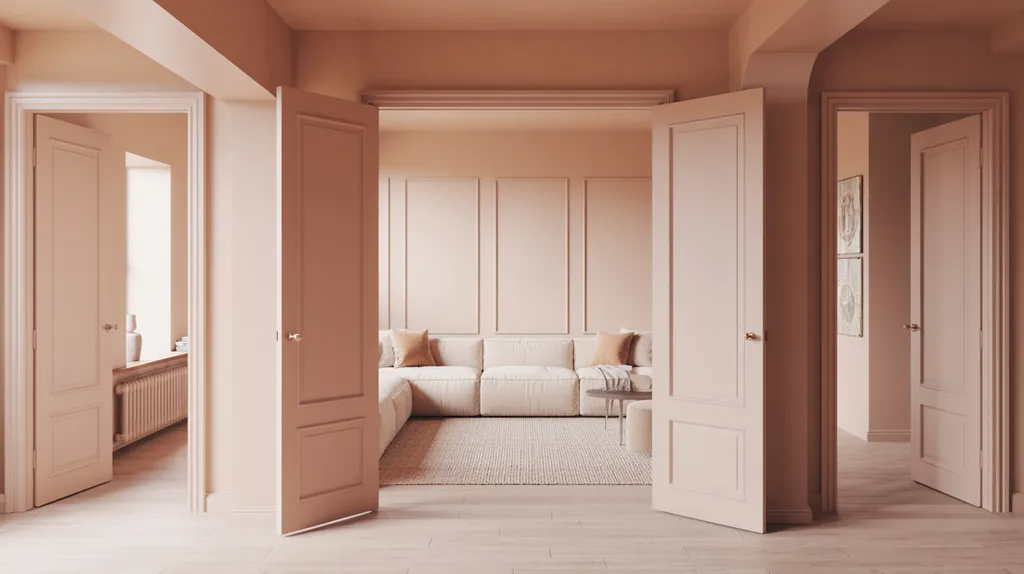
Here's a quick look at what this design approach actually does for your space.
Makes Rooms Look Larger
Fewer color breaks mean fewer visual interruptions. When your eye doesn't stop at a white door frame or a contrasting baseboard, it moves freely around the room.
That continuous flow makes the space feel wider and taller than it actually is. This works especially well in smaller rooms where every visual trick counts.
It's one of the simplest ways to add perceived square footage without knocking down a wall.
Strong Appeal
This look reads as high-end without requiring a high budget. It's the kind of finish you see in professionally designed homes and luxury apartments.
The monochromatic approach gives the room a designer quality that's hard to fake with decor alone. It signals intentional decision-making.
Use a warm greige or a deep navy, and painting everything the same color immediately makes the space look more considered and polished.
Highlights Furniture and Decor
When the walls, doors, and trim all disappear into the same tone, your furniture and decor naturally take center stage.
A sofa, a piece of art, or a rug stands out more against a single-color backdrop than against a busy wall with contrasting trim. Your decor becomes the focal point.
The room feels curated, not cluttered. This is a great strategy if you have pieces you love and want people to actually notice them.
Drawbacks You Should Consider Before Choosing This Look
This approach has real advantages, but it's not perfect for every home or homeowner.
- Touch-ups are harder:Any scuff or chip on a door frame is more visible when everything is the same color.
- Texture differences show more:Walls and trim have different sheens, and if not matched correctly, the difference stands out.
- Can feel flat in dark rooms: Without natural light, a single-color room can feel heavy or closed in.
- Not ideal for every style:Traditional or farmhouse interiors often rely on contrast, so this look may clash with existing design elements.
- Commitment is high:Repainting everything to add trim contrast back is time-consuming and costly.
Best Rooms for Painting Doors and Trim Same Color as Walls
Some rooms benefit far more from this look than others, here's where it works best.
Living Rooms and Bedrooms
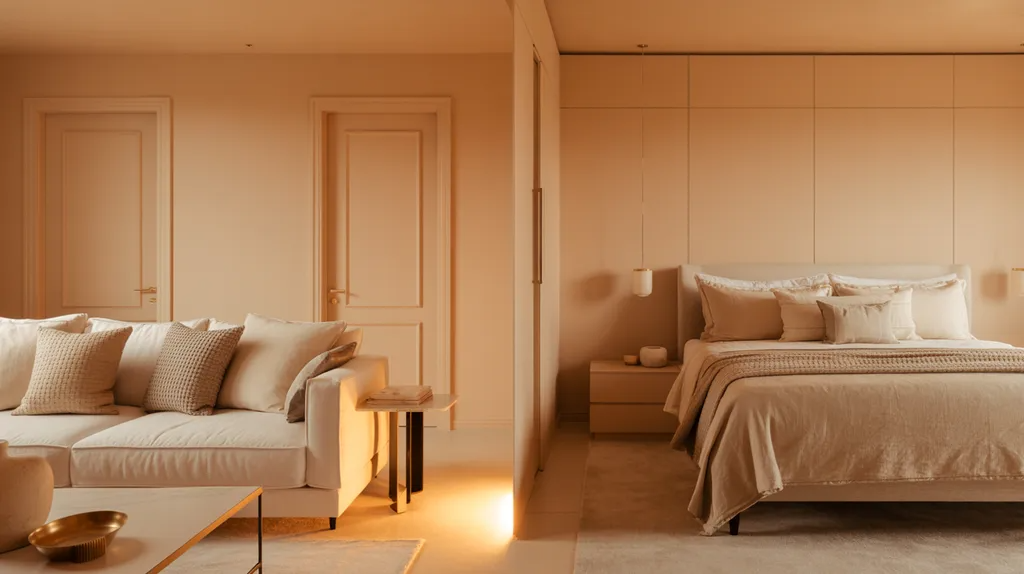
These are the rooms where you spend the most time, and the calming effect of a single-tone space really pays off here.
In a living room, it removes distraction and makes the space feel more relaxed. In a bedroom, it promotes a quieter, more restful atmosphere.
Paired with soft lighting and layered textures, painting doors and trim same color as walls in these rooms creates a space that feels genuinely cozy and well-designed.
Hallways and Basements
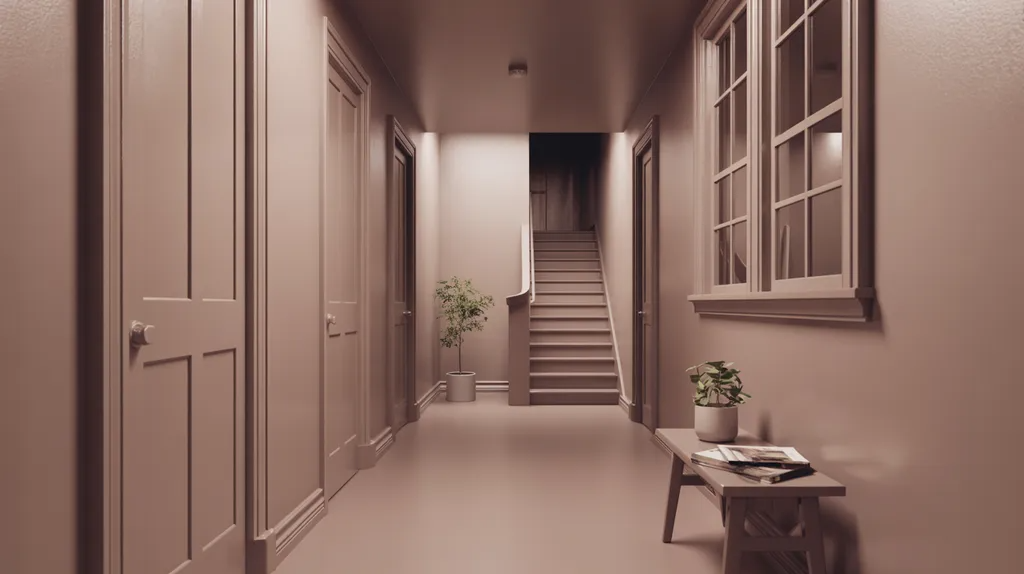
Hallways are narrow by nature, and contrasting trim only makes them feel more cramped.
Going tone-on-tone removes those tight visual edges and opens the space up significantly. Basements tend to have low ceilings and limited light.
Using the same color on walls, trim, and doors reduces visual choppiness and makes the space feel less closed in.
How to Decide If Painting Doors and Trim Same Color as Walls Is Right for You
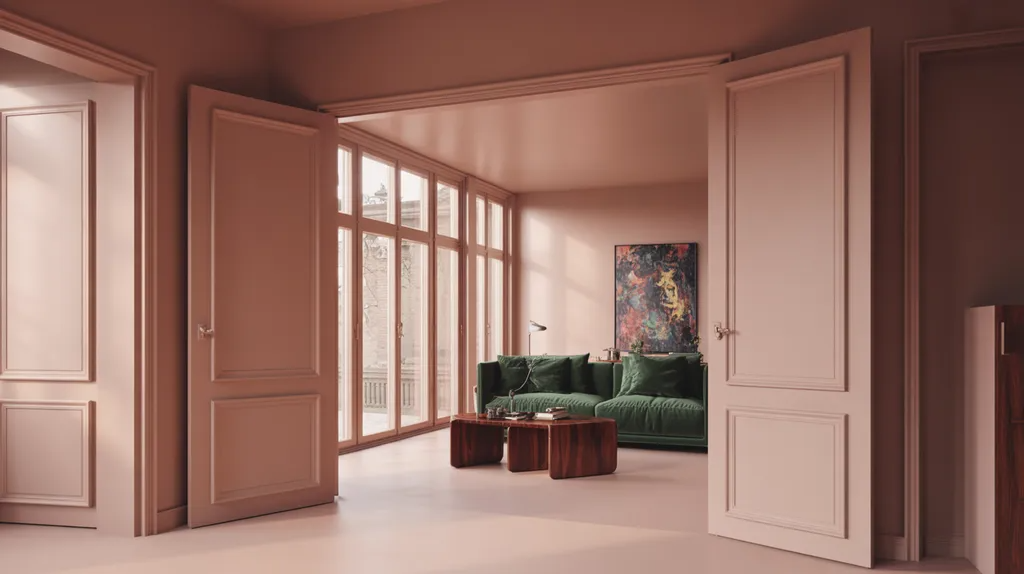
Start by looking at the light in your room. Bright, well-lit rooms handle this look the best. Then think about your existing furniture and decor.
If you have pieces with strong shapes or bold colors, a monochromatic backdrop will make them pop even more.
Consider your home's overall style. Modern, transitional, and Scandinavian interiors are the best fit.
If you're drawn to the cleaner, quieter look and you're ready to commit to a full repaint, painting doors and trim same color as walls is likely the right call.
Conclusion
I second-guessed painting doors and trim same color as walls the entire first week. Then I walked in one morning and it just clicked. Calm. Intentional. Right.
If you're ready to try it, start with one room. You'll see the difference fast.
Found this helpful?Share it with someone redecorating right now. And drop a comment below, which room are you starting with? I'd love to know.
Frequently Asked Questions
Does painting doors and trim the same color as walls look good?
Yes, it creates a clean, modern, cohesive look that many designers actively recommend for a pulled-together interior.
What finish should I use for doors and trim in a monochromatic room?
Use a semi-gloss or satin finish on trim and doors, and an eggshell or matte finish on walls for a subtle, intentional contrast.
Will painting everything the same color make my room feel smaller?
No, it actually does the opposite. Removing visual breaks makes rooms feel more open and spacious.
Is this design trend still popular in 2024?
Yes, tone-on-tone interiors remain a strong design choice and are widely seen in modern and transitional homes.
Can I use dark colors for this look?
Yes, dark tones work well in rooms with good lighting. Deep greens, charcoal, and warm browns are popular choices for this approach.