Elastomeric paint can be confusing at first. But once you understand it, the choice becomes simple.
This guide covers everything you need to know about elastomeric paint. From what it is used for, to its pros and cons, to how it compares with acrylic paint.
I have seen many exterior walls crack and peel because the wrong paint was used. This guide will help you avoid that mistake.
Whether you have stucco, brick, or concrete walls, you will find clear and honest answers here.
No fluff. Just practical information you can actually use.
What Is Elastomeric Paint?
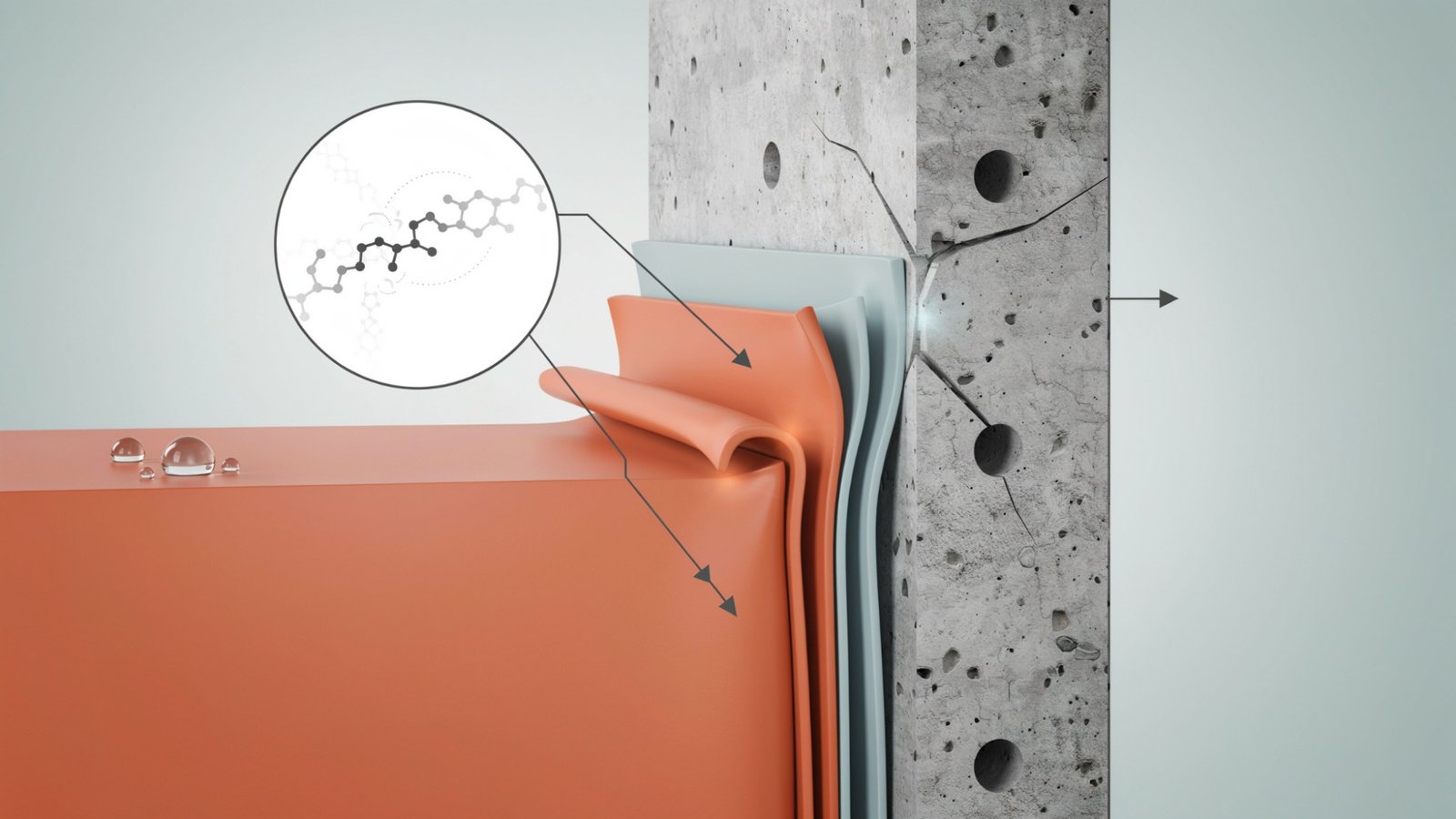
Elastomeric paint is a thick, flexible coating that stretches and moves with the surface it covers. It contains elastic polymers that allow it to expand and contract without cracking. This makes it very different from regular exterior paint.
It is mainly used on concrete, stucco, brick, and masonry surfaces. These surfaces shift slightly due to temperature changes and moisture. Elastomeric paint handles that movement without breaking down.
The coating is also much thicker than normal paint. This thickness helps it fill small surface cracks and block out moisture effectively.
It holds up well against UV rays, heavy rain, and extreme temperatures. This makes it a smart choice for exterior walls that face tough weather conditions.
What Is Elastomeric Paint Used For?
Elastomeric paint works best on rough, porous, or exterior surfaces that face heavy weather exposure. Here are the most common surfaces where it gets applied.
Stucco

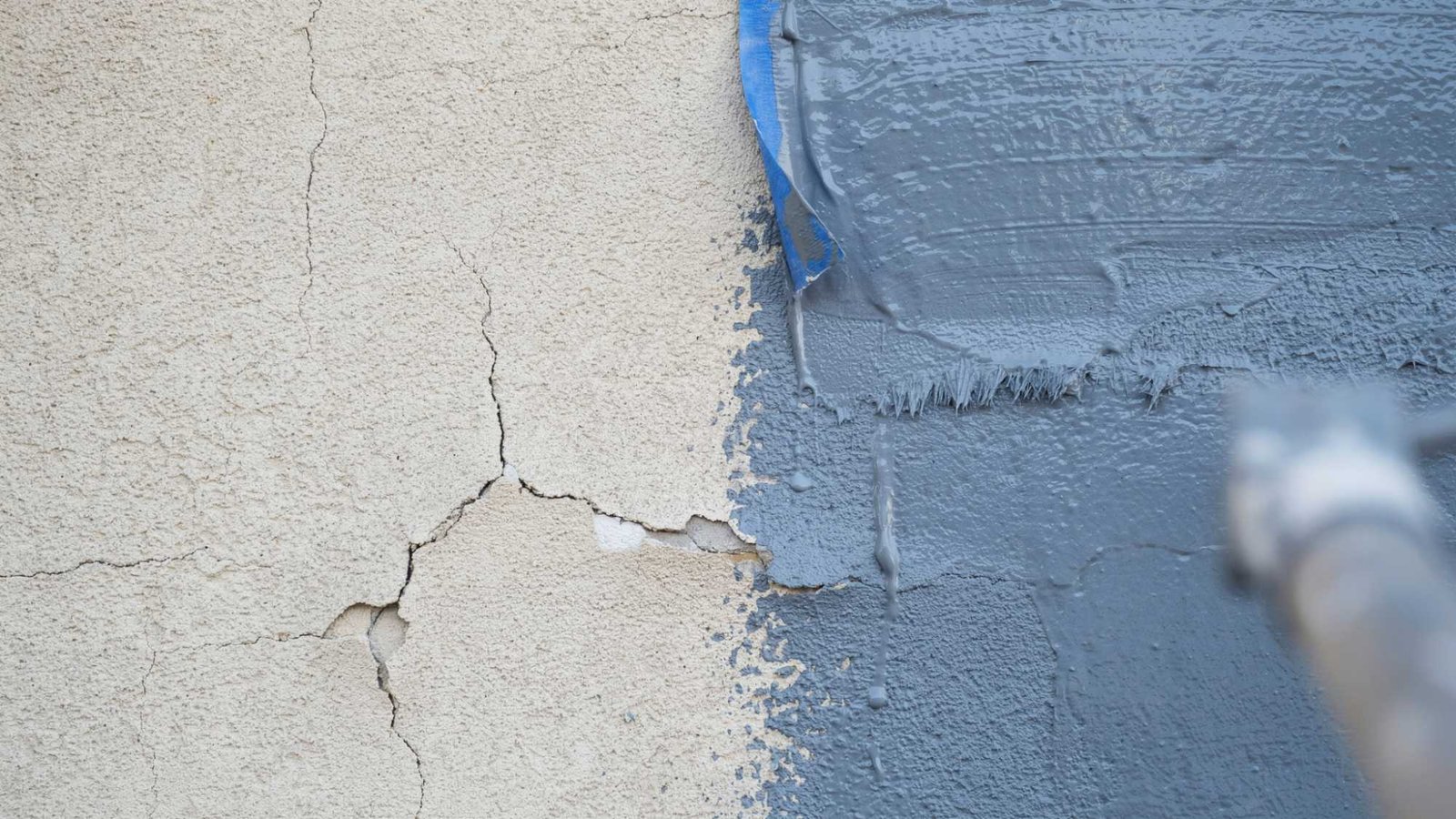
Stucco surfaces develop small cracks over time due to temperature changes. Elastomeric paint fills these gaps and creates a protective layer that keeps moisture out.
It bonds well with stucco and holds up for many years.
Concrete, Masonry, and Brick

Concrete and brick are naturally porous. Water seeps in easily and causes damage over time. Elastomeric paint seals the surface and stops water from getting through.
It works well on retaining walls, foundations, and block walls.
Commercial Buildings

Large commercial buildings often use elastomeric coatings on exterior walls. These buildings need strong protection against rain, wind, and temperature swings.
Elastomeric paint handles all of that without frequent repainting.
What Is Elastomeric Paint Good For?
This paint type offers more than just color. It provides real protection for exterior walls and surfaces in tough conditions.
Waterproofing Surfaces
Elastomeric paint creates a thick barrier that keeps water from soaking into walls. It is one of the best options for surfaces that stay exposed to rain for long periods.
Covering Hairline Cracks
One of its best features is its ability to bridge small cracks. The paint stretches across gaps as thin as 1/16 of an inch. This prevents water from entering through those tiny openings.
Weather Protection
Extreme heat, cold, and UV rays can damage exterior walls over time. Elastomeric paint holds up well against all of these. It does not break down quickly when exposed to direct sunlight or heavy rain.
Pros and Cons of Elastomeric Paint

Elastomeric paint has real strengths, but it also comes with a few limitations worth considering before you buy.
Excellent Waterproofing
This paint forms a rubber-like film on the surface. That film stops water from passing through even in heavy rain.
It is much thicker than regular exterior paint and provides stronger protection.
Flexible and Durable
The coating stretches and moves with the surface beneath it. When walls expand in heat or contract in cold, the paint moves with them.
This keeps the surface looking good without cracking.
Long-Lasting Performance
Elastomeric paint can last anywhere from 10 to 20 years with proper application. That is significantly longer than standard exterior paint. This makes it a cost-effective option over time.
Higher Cost
Elastomeric paint costs more upfront than regular exterior paint. A single gallon can cost two to three times more. For large projects, this adds up quickly.
Extensive Surface Prep
The surface must be completely clean and free of loose paint before application. Any dirt, oil, or old peeling paint will affect how well it sticks. Prep work takes more time compared to regular painting projects.
Not Suitable for Every Surface
Elastomeric paint is not ideal for wood siding or interior walls. It traps moisture on certain surfaces, which can cause damage. Always check if the surface is a good match before using it.
Is Elastomeric Paint Good for Stucco?

Stucco and elastomeric paint are a strong match. The paint bonds well to the textured surface and provides long-term protection.
Key Benefits
Elastomeric paint seals the small cracks that naturally appear in stucco. It keeps water out and protects the surface from weather damage.
The flexible coating also holds up well as stucco expands and contracts with temperature changes.
Potential Drawbacks
If the stucco has deep or structural cracks, paint alone will not fix the problem. Those cracks need to be repaired before painting.
Also, applying too many coats can trap moisture inside the stucco, which may cause bubbling or peeling over time.
Elastomeric Paint vs Acrylic Paint
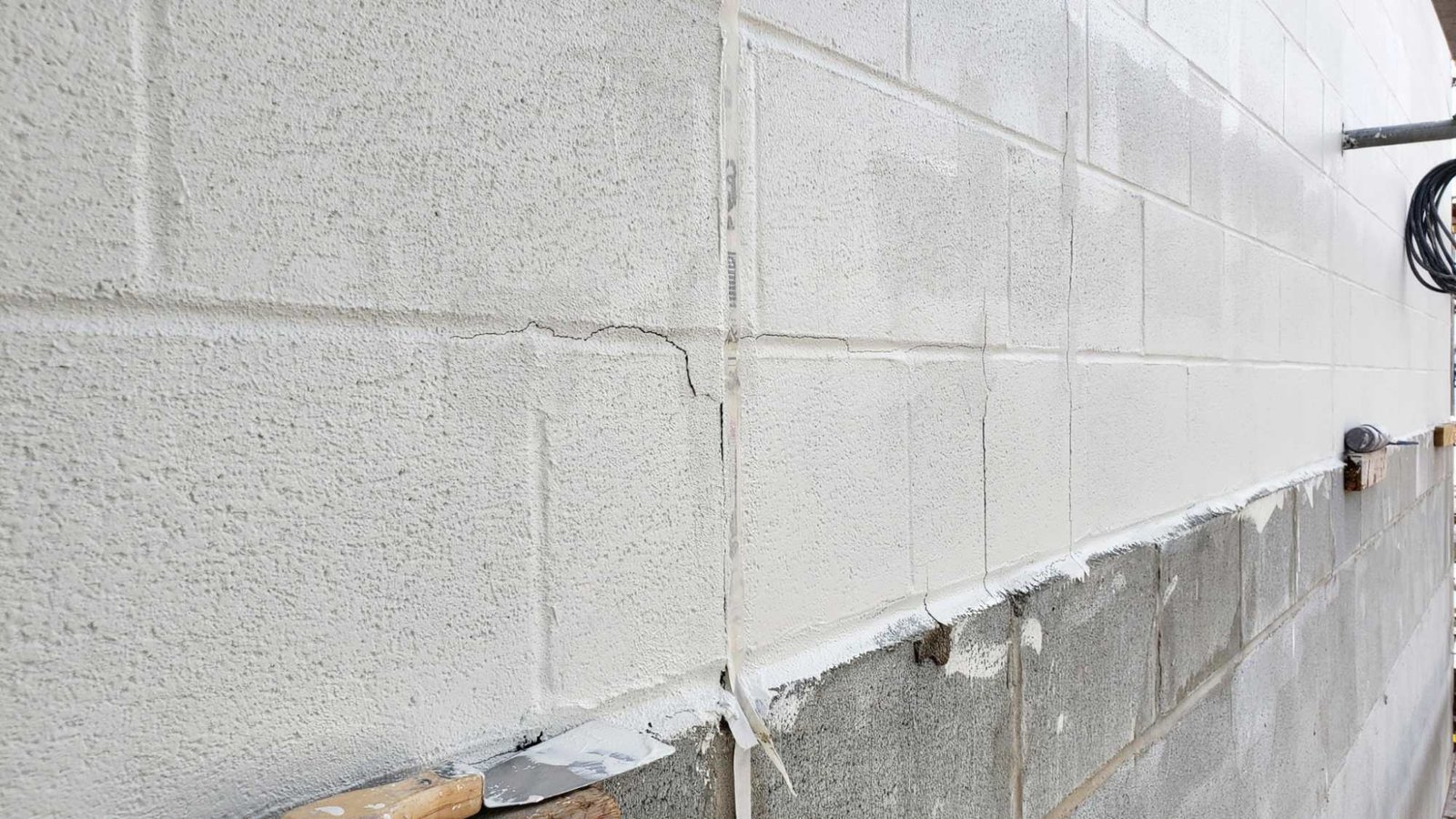
Both are used on exterior surfaces, but they are not the same product. Here is a simple comparison to help you understand the differences.
| Feature | Elastomeric Paint | Acrylic Paint |
| Thickness | Very thick, up to ten times thicker per coat | Thin and lightweight |
| Flexibility | Stays stretchy after drying | Dries into a harder film |
| Waterproofing | Strong waterproofing barrier | Basic water resistance |
| Crack Coverage | Bridges hairline cracks effectively | Does not cover cracks well |
| Best Surface | Stucco, masonry, concrete, brick | Smooth exterior surfaces |
| Best Climate | Works well in harsh and wet climates | Suitable for mild climates |
| Cost | Higher upfront cost | More budget-friendly |
| Ideal For | Surfaces with cracks or heavy water exposure | Smooth surfaces in low-moisture areas |
For surfaces with cracks or heavy water exposure, elastomeric paint is the better choice. For smooth surfaces in mild climates, acrylic paint works just fine and costs less.
Think about your surface type and local weather before deciding.
Tips for Using Elastomeric Paint
Getting good results with elastomeric paint depends on how well you prepare and apply it.
- Clean the surface and remove all dirt, mold, and loose paint before you start. Let it dry completely.
- Fill visible cracks with caulk or a patching compound before applying the paint.
- Never paint over a damp surface. It can cause the coating to peel or bubble.
- Apply two coats and follow the dry time between coats as listed on the product label.
- Make sure the surface is a good match for elastomeric paint before you begin.
Conclusion
Elastomeric paint is one of those products that truly pays off when you use it in the right place.
I have seen older stucco walls go from cracked and worn to solid and clean after just two coats. It is not the cheapest option, but the long-term protection is worth it.
If you are planning an exterior paint project, give elastomeric paint a serious look. Have questions or used it before? Drop a comment below and share your experience!
Frequently Asked Questions
Can elastomeric paint be used on interior walls?
Elastomeric paint is made for exterior surfaces. Using it indoors can trap moisture and cause damage over time.
How long does elastomeric paint last?
With proper application, elastomeric paint can last between 10 to 20 years. Surface prep and the number of coats play a big role in that.
Can I apply elastomeric paint over old paint?
Yes, but the old paint must be clean, dry, and firmly attached. Any loose or peeling paint should be removed before applying a new coat.
How many coats of elastomeric paint do I need?
Most manufacturers recommend two coats for full coverage and waterproofing. Always follow the dry time listed on the product label between each coat.
Is elastomeric paint worth the higher cost?
For surfaces exposed to heavy rain, cracks, or harsh weather, it is a smart investment. The long lifespan and strong protection make it cost-effective over time.