Most people focus on the powder colour or the spray technique. But the real difference between a finish that lasts years and one that fails in months comes down to temperature.
Get it wrong, and the coating stays soft, peels early, or looks uneven right out of the oven. Get it right, and the finish bonds hard, looks clean, and holds up through years of daily use.
This guide covers everything you need to know about powder coat curing temperatures, how long the process takes, and what factors actually affect your results.
No guesswork, just clear and practical information.
What Is the Ideal Powder Coat Temperature?
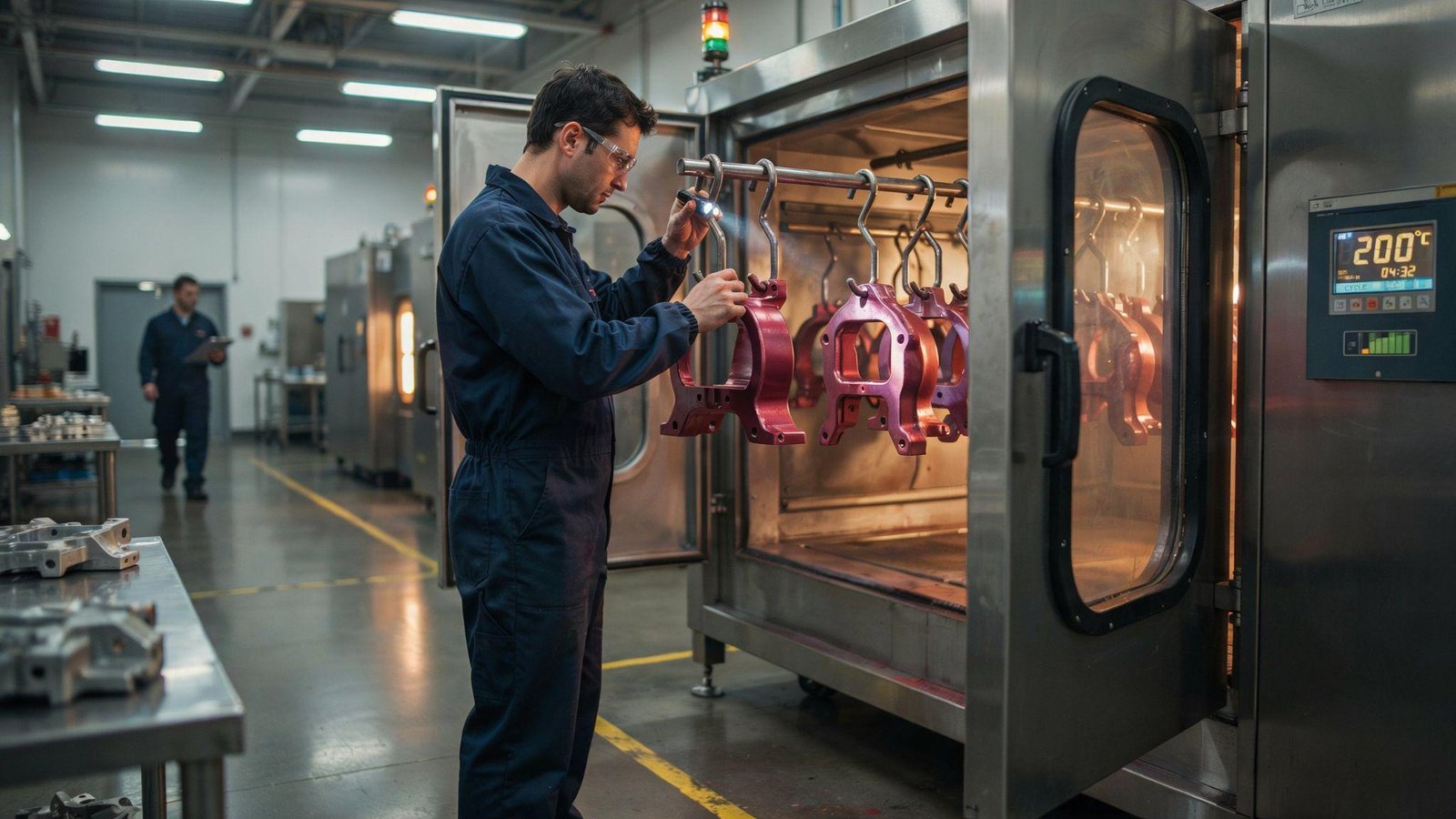
The ideal powder coat temperature typically falls between 325°F and 450°F (163°C to 232°C). Most standard powder coats cure best at around 375°F to 400°F for 15 to 20 minutes.
Getting the temperature right is critical. Too low, and the powder won't fully cure, leaving a soft or uneven finish. Too high, and the coating can burn or discolour.
For most projects, set your oven to 400°F and cure for 20 minutes. Always check the powder manufacturer's specs first.
How the Powder Coating Curing Process Works
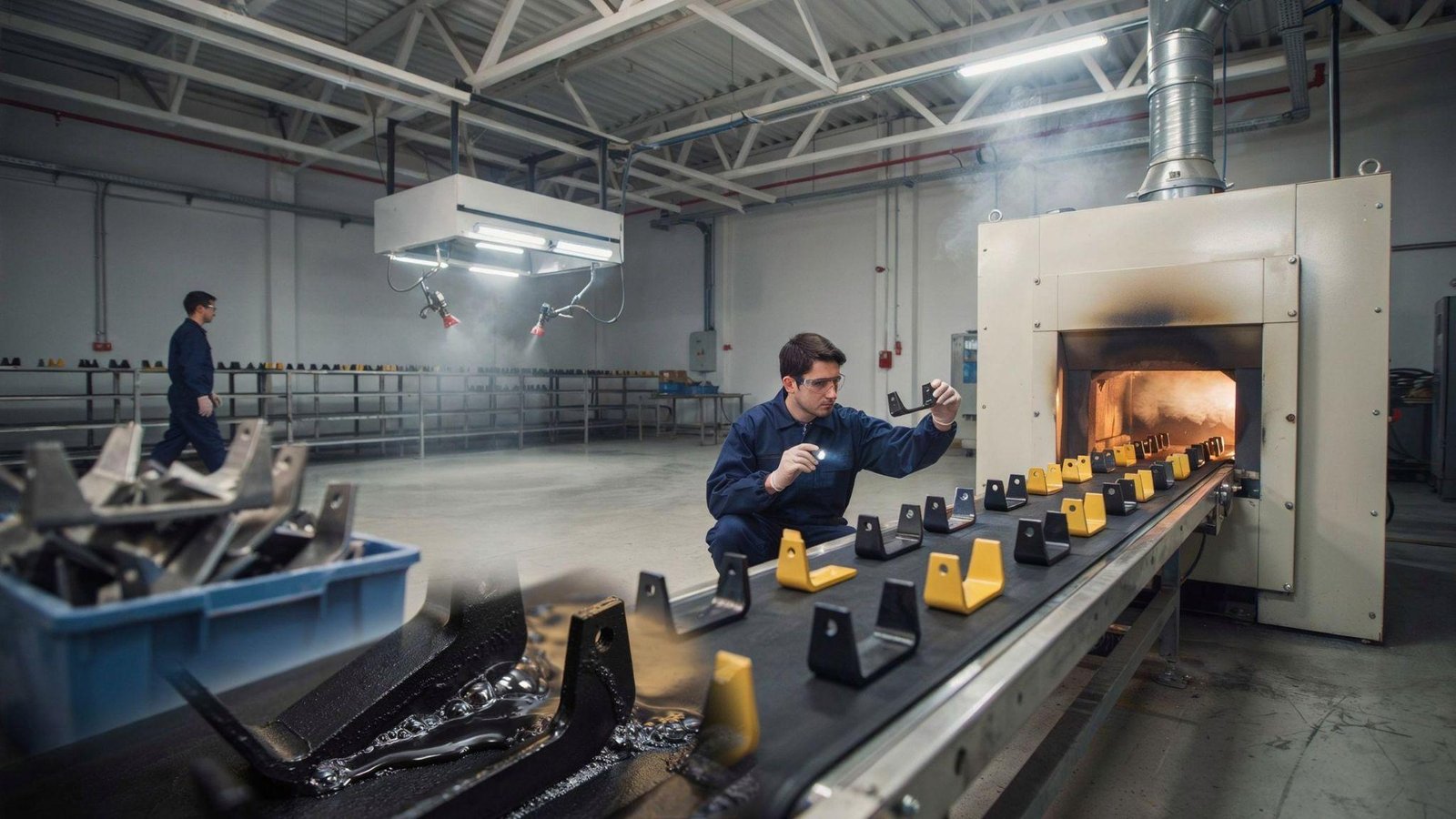
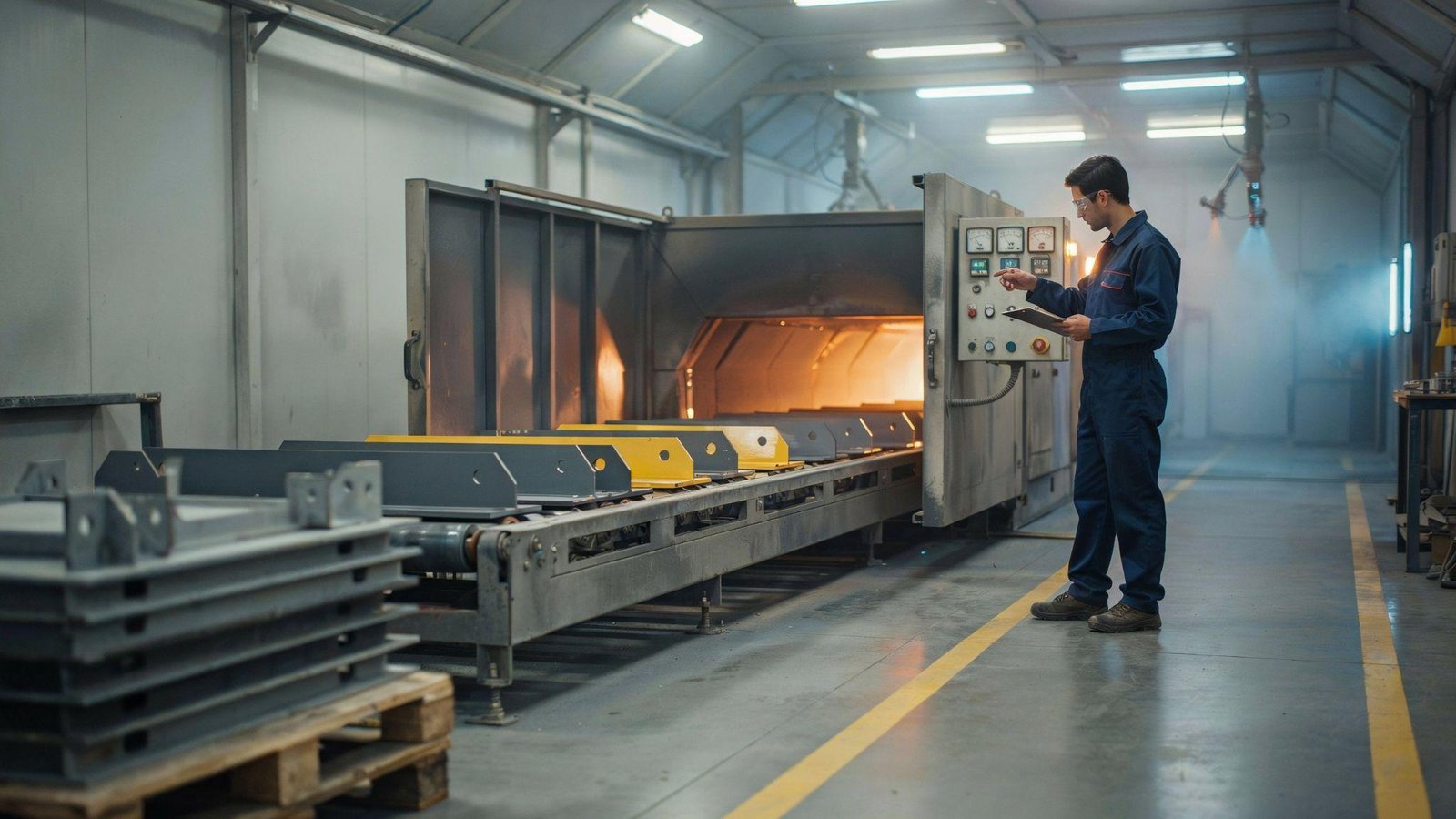
Curing is what turns loose powder into a hard, protective finish. Heat triggers the chemical changes that make powder coating strong, durable, and resistant to daily wear and damage.
What Happens When Powder Is Heated
When heat is applied, the dry powder particles melt and begin to flow across the surface evenly.
The temperature continues to rise, and the coating starts to set into a smooth, consistent layer that bonds to the substrate.
The Role of Cross-Linking in Powder Coating
Cross-linking occurs when heat activates a chemical reaction between the powder's resin and hardener.
This reaction bonds the molecules tightly together, forming a solid, hard film that holds up well against chipping, scratching, and corrosion over time.
Why Proper Curing Improves Durability
A correctly cured powder coat reaches its full hardness and bonds firmly to the surface beneath it.
Without the right temperature and time, the finish remains weak and becomes far more likely to chip, crack, or peel under pressure.
Powder Coat Temperature Chart
Curing time and temperature vary based on powder type. Use this chart as a quick reference before starting any powder coating work.
| Powder Type | Cure Temperature | Cure Time | Best For |
| Standard Polyester | 375°F (190°C) | 20 minutes | General use |
| Epoxy Powder | 375°F (190°C) | 15–20 minutes | Indoor parts |
| Polyurethane | 400°F (204°C) | 20 minutes | Automotive parts |
| Hybrid Epoxy-Polyester | 350°F (177°C) | 20 minutes | Mixed use |
| Thermoplastic Powder | 425°F (218°C) | 10–15 minutes | Industrial parts |
| Low-Temperature Powder | 250°F – 325°F (121°C – 163°C) | 20–30 minutes | Heat-sensitive parts |
| Architectural Grade | 375°F (190°C) | 20–25 minutes | Exterior surfaces |
| Automotive Grade | 400°F (204°C) | 20 minutes | Car parts |
| Industrial Grade | 425°F (218°C) | 15 minutes | Heavy-duty parts |
| Specialty Coatings | 450°F (232°C) | 10–15 minutes | High-performance use |
How Long Does Powder Coating Take to Cure?
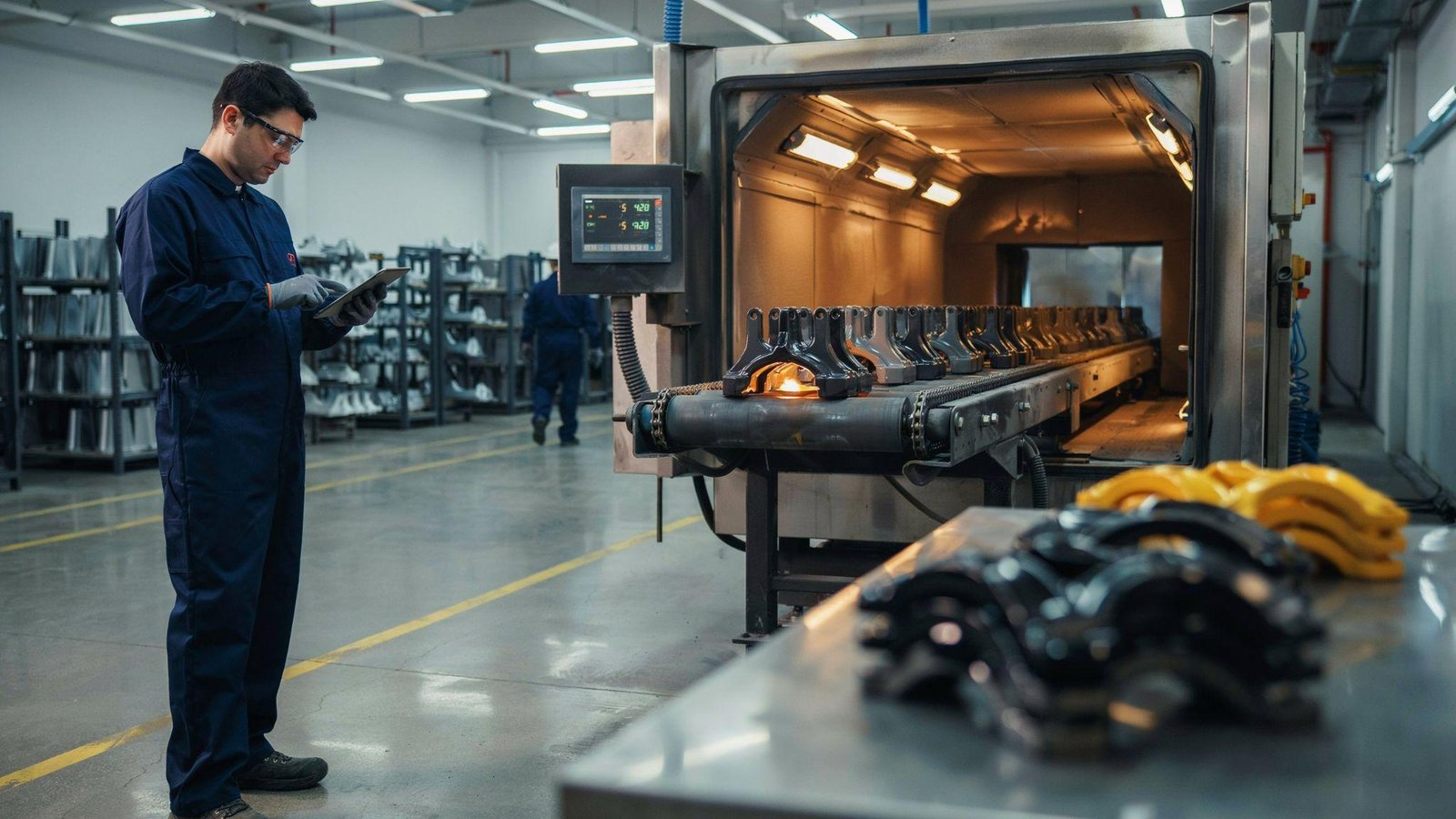
Powder coating cure times depend on temperature and the type of powder used.
At 350°F, most coatings need around 25 to 30 minutes to fully cure. At 400°F, that time drops to about 15 to 20 minutes.
Several factors affect total curing time. Thicker metal takes longer to reach the right temperature throughout.
Oven calibration, part size, and coating thickness all play a role. Always follow the powder manufacturer's recommended cure schedule for the best results.
Factors That Influence Powder Coat Temperature
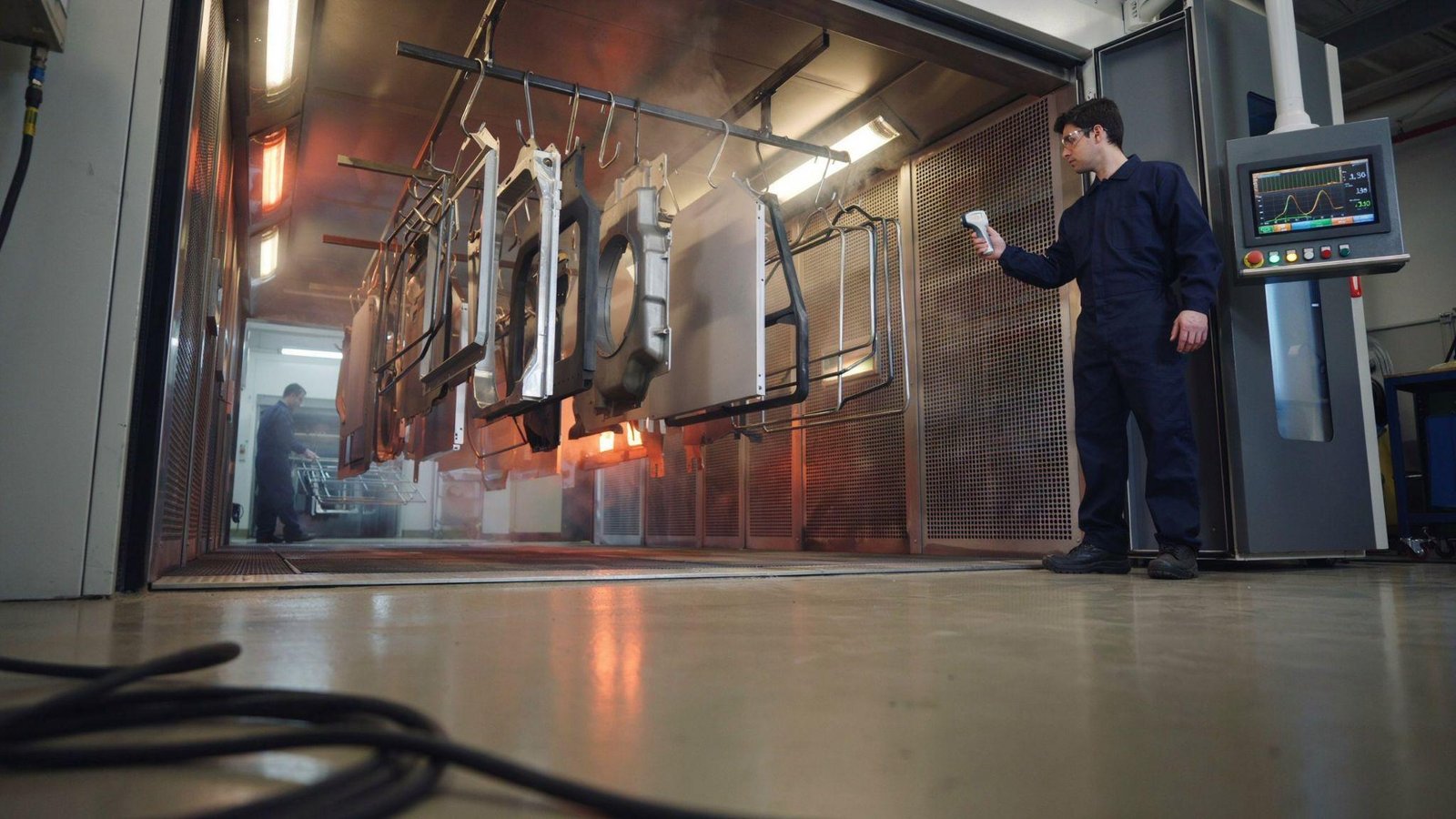
Not every powder coating job needs the same temperature. Several factors affect how much heat is needed and for how long.
Type of Powder Coating Material
Different powder types have different curing requirements. Epoxy powders cure at lower temperatures, while polyurethane and specialty coatings need more heat.
Always check the technical data sheet for your specific powder before setting the oven temperature.
Metal Type and Thickness
Thicker metal takes longer to absorb heat and reach the correct core temperature. Steel, aluminium, and cast iron all respond to heat differently.
A thin aluminium part will cure faster than a thick steel component at the same oven setting.
Part Size and Shape
Larger parts take more time to heat evenly. Complex shapes with deep recesses can create uneven heat zones, meaning some areas cure while others do not.
Adjusting hang position and oven time helps achieve a consistent result.
Oven Airflow and Heat Distribution
Poor airflow creates hot and cold spots inside the oven. If heat does not circulate evenly, parts of the coating will remain undercured.
A well-maintained oven with steady airflow gives a reliable, even cure every time.
Powder Coating Temperature Requirements by Stage
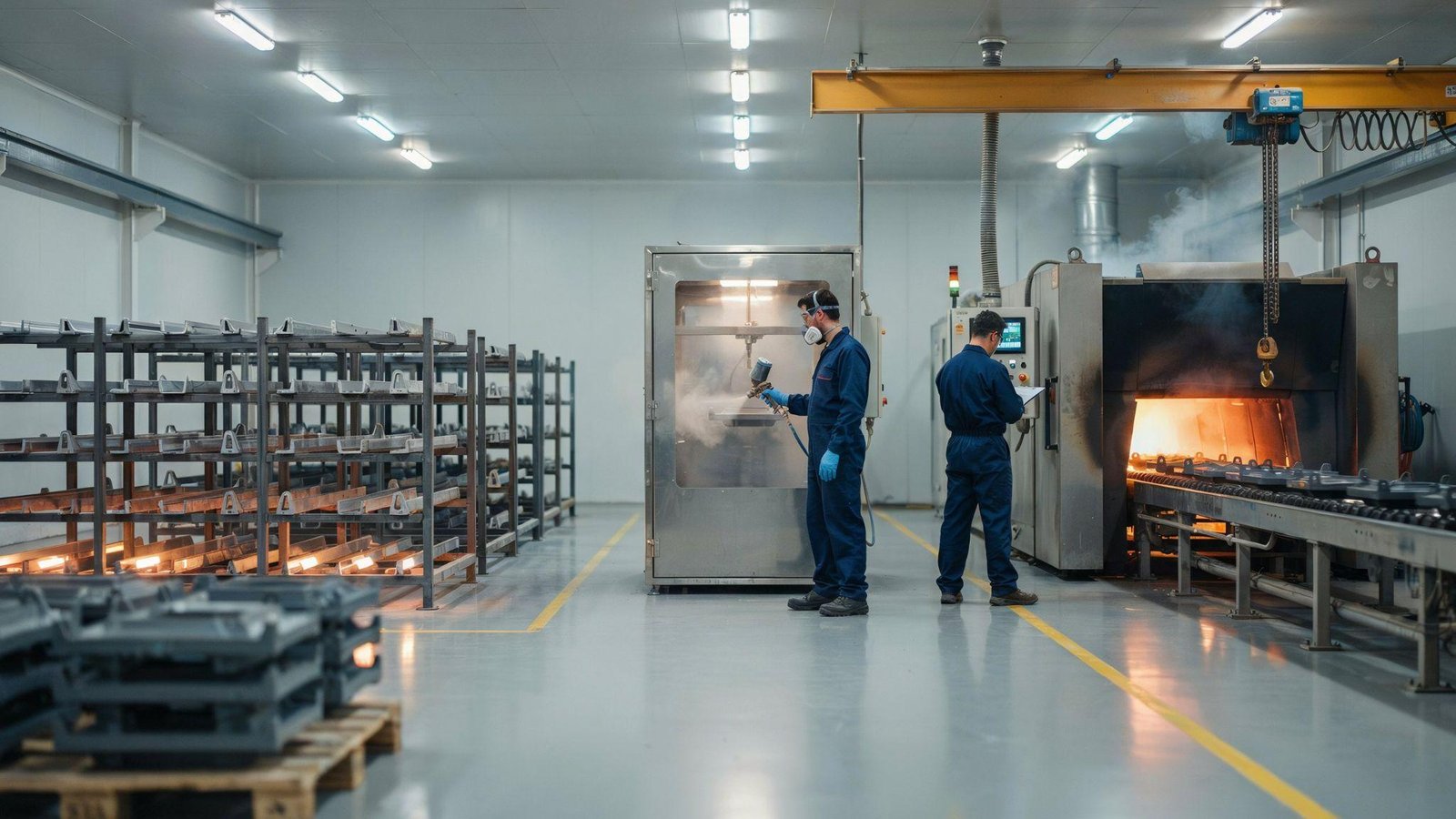
Powder coating has three key temperature stages. Preheating the part to around 200°F to 250°F helps remove moisture and improves powder adhesion.
During powder application, the part should be at room temperature or slightly warm, typically between 60°F and 95°F, to allow even coating.
The final curing stage is the most critical. Most powders cure fully between 375°F and 400°F for 15 to 20 minutes. Skipping any stage affects the overall finish quality and durability.
What Happens if the Powder Coat Temperature Is Too Low?
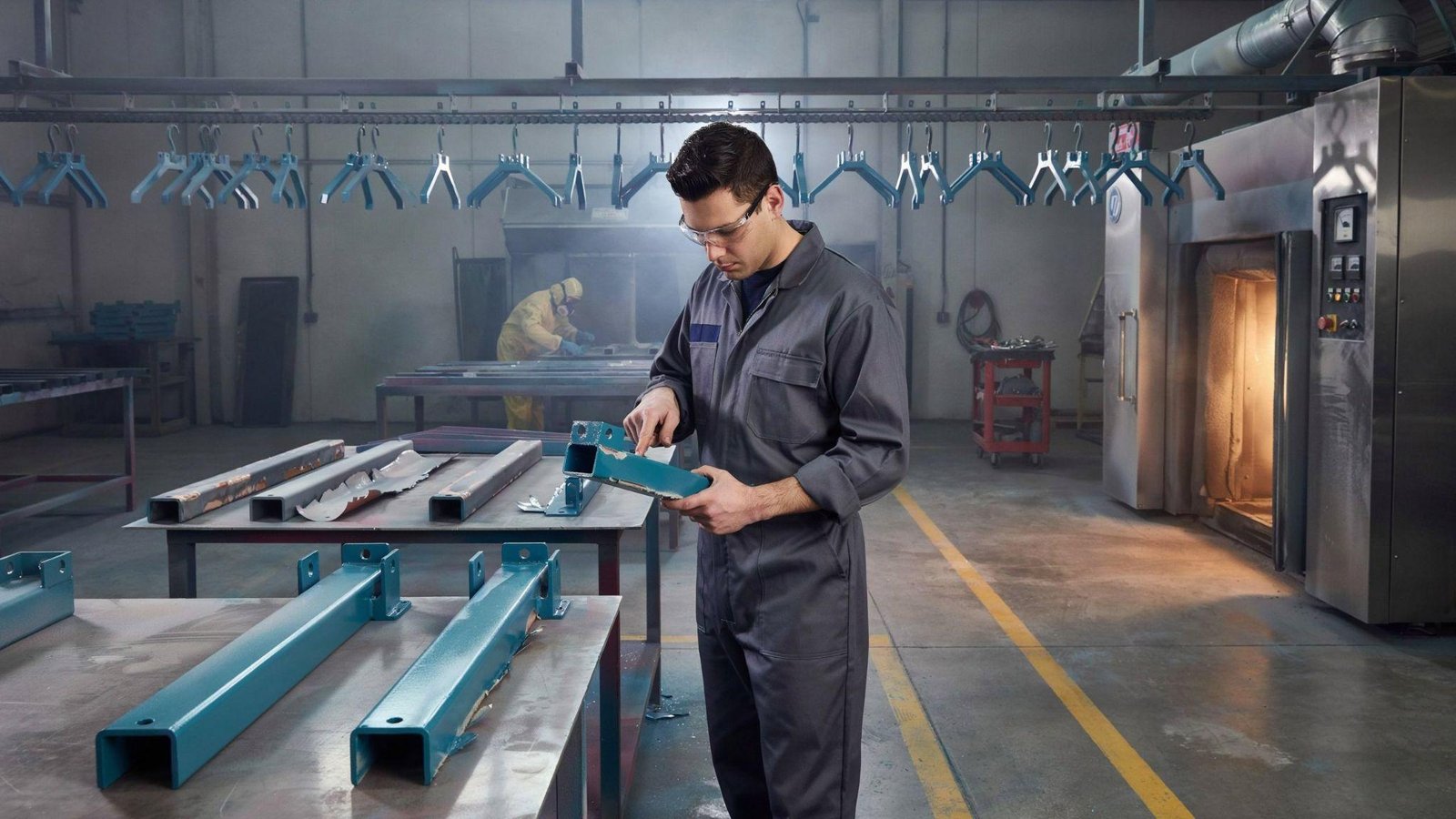
Curing at too low a temperature causes serious problems. The powder does not fully melt or bond, leading to weak adhesion and a soft finish that scratches easily.
Over time, an under-cured coating starts to peel and chip. It loses protection far sooner than a properly cured finish would.
Low cure temperatures also cause an uneven surface with dull patches and thin spots. These areas offer little resistance to moisture, chemicals, or physical impact.
Powder Coating Temperature Tips for Beginners
- Always read the powder manufacturer's technical data sheet before starting. It gives the exact cure temperature and time for that specific powder.
- Never assume the oven is at the right temperature just because the dial says so. Use an oven thermometer to verify the actual heat inside.
- Allow parts to stay in the oven for the full recommended cure time. Pulling them out early results in a weak, undercured finish.
- Never guess cure times based on how the coating looks. A finish can appear smooth and still be undercured if the temperature was not reached properly.
- Always test on a small or scrap piece before running a full batch. This helps you confirm your settings are correct without risking the entire job.
Conclusion
Getting powder coat temperature right is not complicated, but it does matter.
After years of working with different powders and substrates, one thing stays consistent. The right heat and time make all the difference between a finish that lasts and one that fails early.
Stick to the manufacturer's specs, check your oven regularly, and always test before a full run.
Have questions about your powder coating setup? Contact us today and we will help you get it right.
Frequently Asked Questions
What temperature should I use for powder coating?
Most powder coats cure best between 375°F and 400°F (190°C to 204°C). Always check the technical data sheet for your specific powder before setting the oven.
How long does powder coating take to cure?
At 400°F, most coatings fully cure in 15 to 20 minutes. At lower temperatures like 350°F, you may need 25 to 30 minutes for a complete cure.
What happens if powder coating is not cured long enough?
An undercured finish stays soft and bonds poorly to the surface. Over time it will chip, peel, and lose protection much faster than a properly cured coat.
Can I cure powder coating in a regular oven?
Yes, a regular oven can work for small parts. Make sure it holds a consistent temperature and always use an oven thermometer to confirm the actual heat inside.
Does metal thickness affect powder coat curing time?
Thicker metal takes longer to absorb heat and reach the correct core temperature. You may need to add a few extra minutes to your cure time when working with heavier or denser parts.