Wondering how often you should repaint your home's interior? You're not alone. Most homeowners ask this question but rarely get a clear, practical answer.
This article covers everything you need to know, from room-by-room timelines to signs that your walls are overdue for a fresh coat.
We'll also look at what affects paint life, how to make it last longer, and when to call a professional.
With years of experience helping homeowners make smart painting decisions, we'll help you figure out exactly what your home needs.
How Often Should You Paint the Inside of Your House?
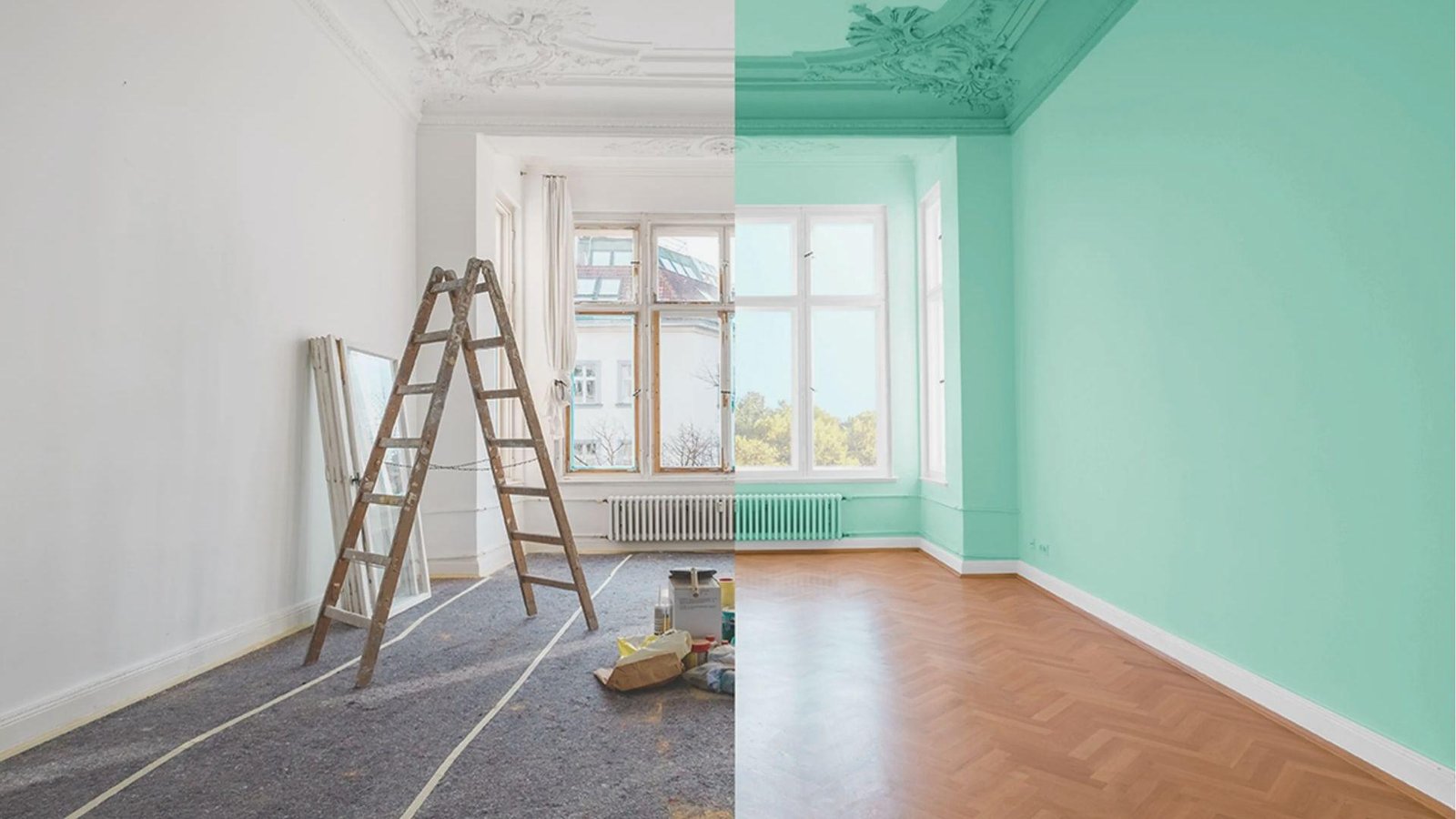
Most experts suggest repainting interior walls every 5 to 7 years. But this is just a starting point. High-traffic rooms like kitchens and hallways may need repainting every 3 to 4 years. Low-traffic rooms like guest bedrooms can go 7 to 10 years without a refresh.
How often you repaint depends on several real-life factors. Walls collect scuffs, fingerprints, and marks over time. Larger households with young children see wear much faster.
High humidity and poor ventilation break down paint quicker, especially in kitchens and bathrooms. And sometimes, people simply repaint because they want a fresh look.
How Long Does Interior Paint Typically Last?
Paint lifespan depends on quality, finish, and how well you care for your walls.
Paint Quality and Its Impact on Longevity
Higher-quality paint lasts longer. Premium paints contain better binders and pigments that hold up to cleaning and daily wear. Cheaper paint may save money upfront but often needs replacing sooner.
The Role of Paint Finish in Durability
Flat or matte finishes look smooth but are harder to clean. Satin and semi-gloss finishes resist moisture and scrubbing better, making them a smarter pick for busy rooms.
How Proper Maintenance Extends Paint Life
Wiping down walls regularly, fixing small cracks early, and keeping moisture in check can add years to your paint job. Good habits go a long way.
Recommended Repainting Timeline by Room
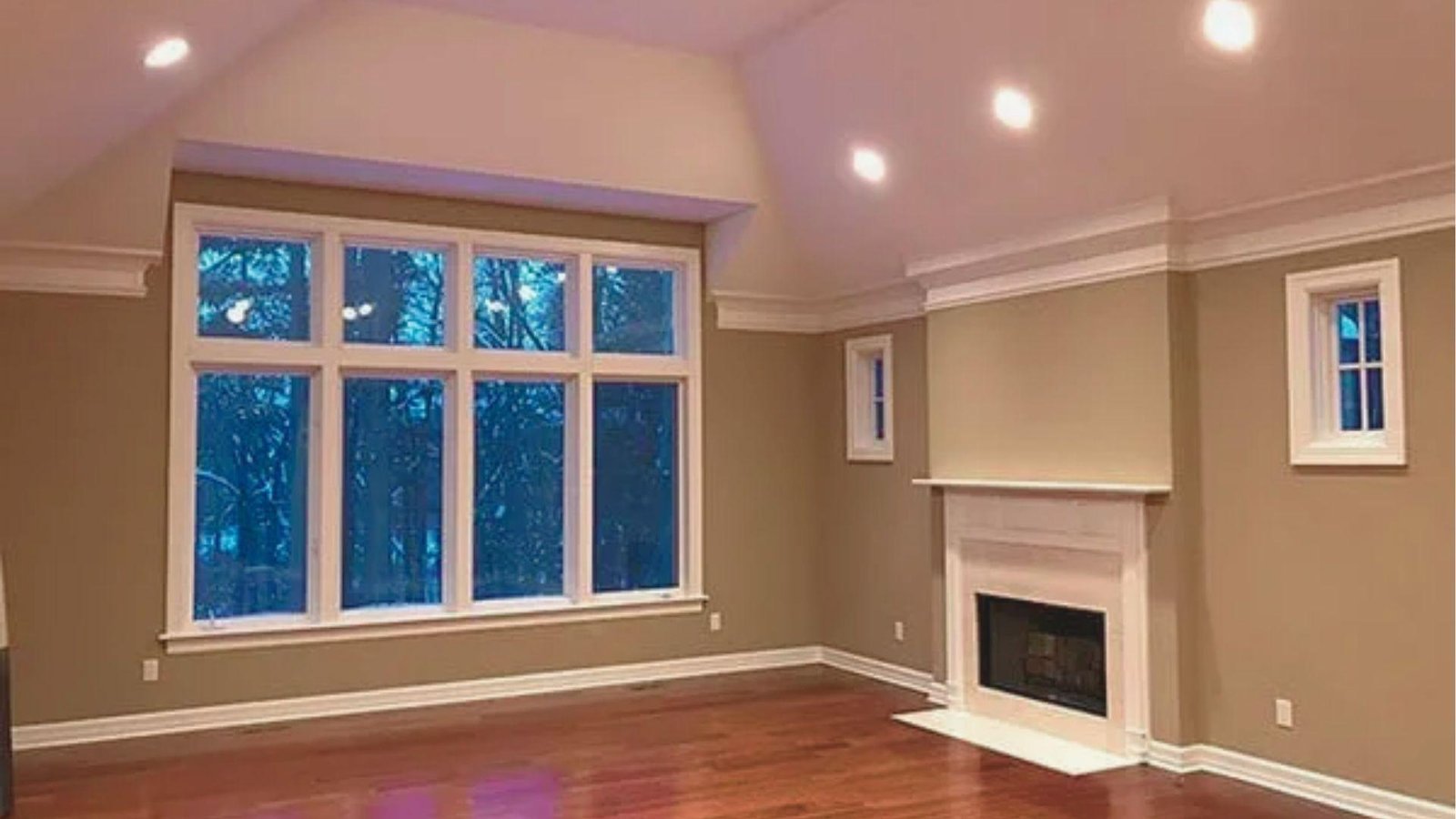
Different rooms have different needs. Here's a simple breakdown.
Living Rooms
Every 5 to 7 years. Living rooms see regular use but not the same moisture and grease as kitchens or bathrooms.
Dining Rooms
Every 5 to 7 years. Food smells and occasional spills can affect walls, but dining rooms generally hold up well.
Adult Bedrooms
Every 5 to 10 years. Bedrooms are low-traffic and tend to stay cleaner longer than other rooms.
Children's Bedrooms
Every 2 to 4 years. Kids are hard on walls. Crayons, tape, stickers, and general roughhousing make this one of the highest-maintenance rooms in the house.
Kitchens
Every 3 to 5 years. Steam, grease, and cooking odors break down paint faster. Use a washable, durable finish here.
Bathrooms
Every 3 to 4 years. Moisture is the main enemy. Even with good ventilation, bathroom paint takes a lot of stress.
Hallways and Entryways
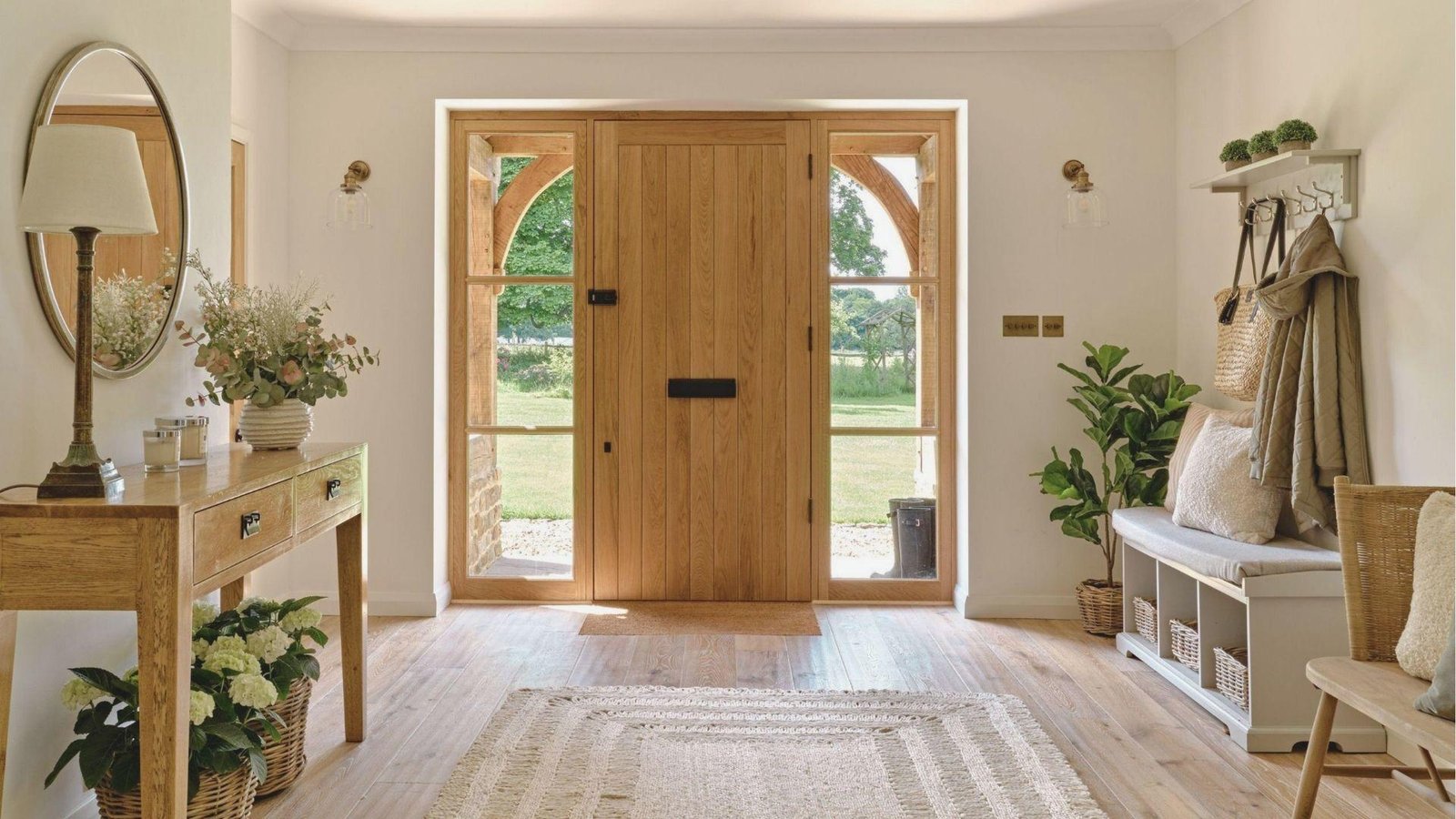
Every 2 to 4 years. These areas see constant foot traffic and frequent contact with bags, hands, and furniture.
Home Offices
Every 5 to 7 years. Most home offices stay relatively clean and calm, so paint tends to last longer.
Ceilings and Trim
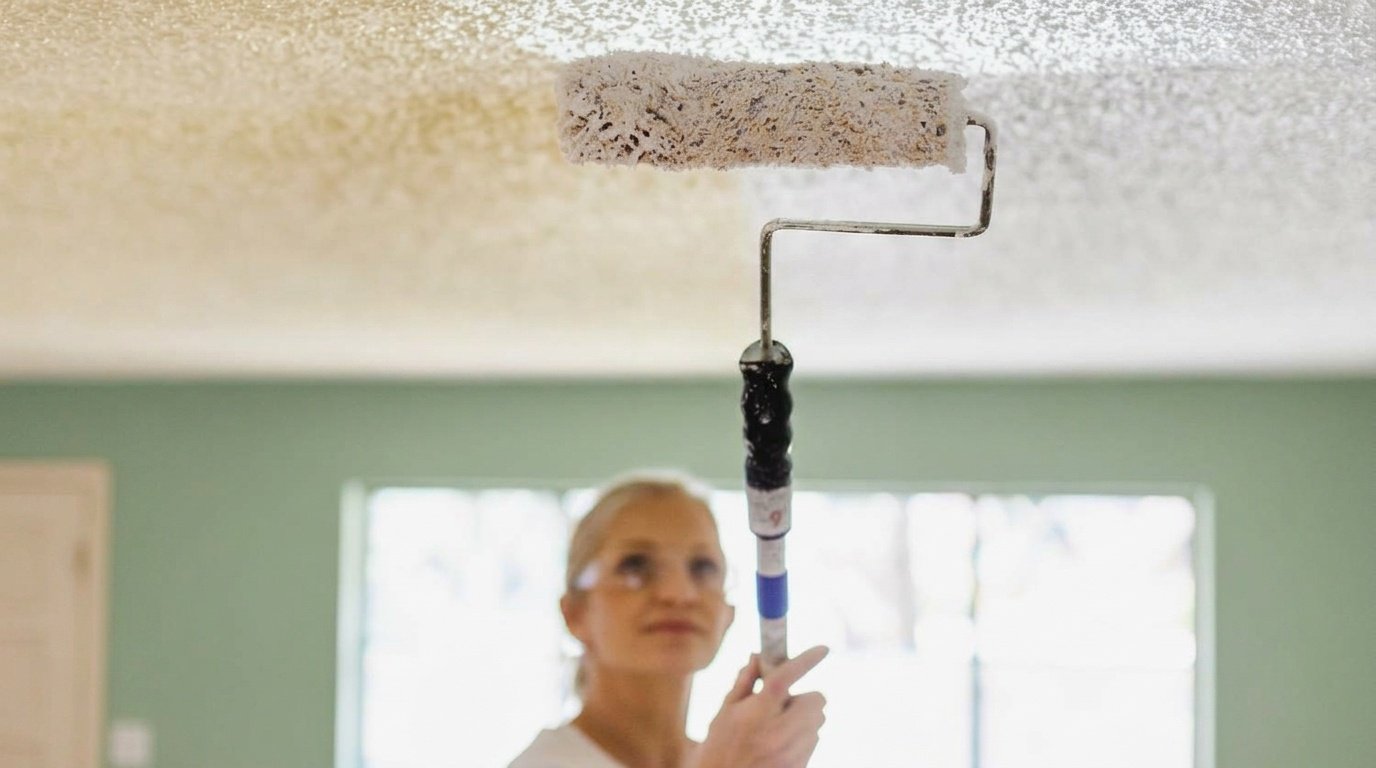
Ceilings: Every 10 years or when yellowing or staining appears.
Trim: Every 4 to 5 years, since it takes more bumps and scuffs than walls.
What Homeowners Commonly Say About Repainting
Repainting habits vary widely. Here's what different homeowners tend to do.
Homeowners Who Repaint Every 3 to 5 Years
Some homeowners repaint frequently to keep their home looking fresh. They often have young children, pets, or simply enjoy updating their space regularly.
Homeowners Who Wait 7 to 10 Years or Longer
Others wait until walls clearly need attention. They often have smaller households, use high-quality paint, and maintain their walls well.
Why Repainting Habits Vary
Lifestyle, budget, and personal standards all play a role. There's no single right answer. The best schedule is the one that works for your home and your life.
Common Reasons Homeowners Decide to Repaint
Most people repaint for one of a few simple reasons:
- Visible damage like peeling or cracking
- Stubborn stains that won't clean off
- Outdated colors that no longer feel right
- Preparing a home for sale
- After a renovation that changed the room's layout or feel
Signs Your Interior Walls Need Repainting
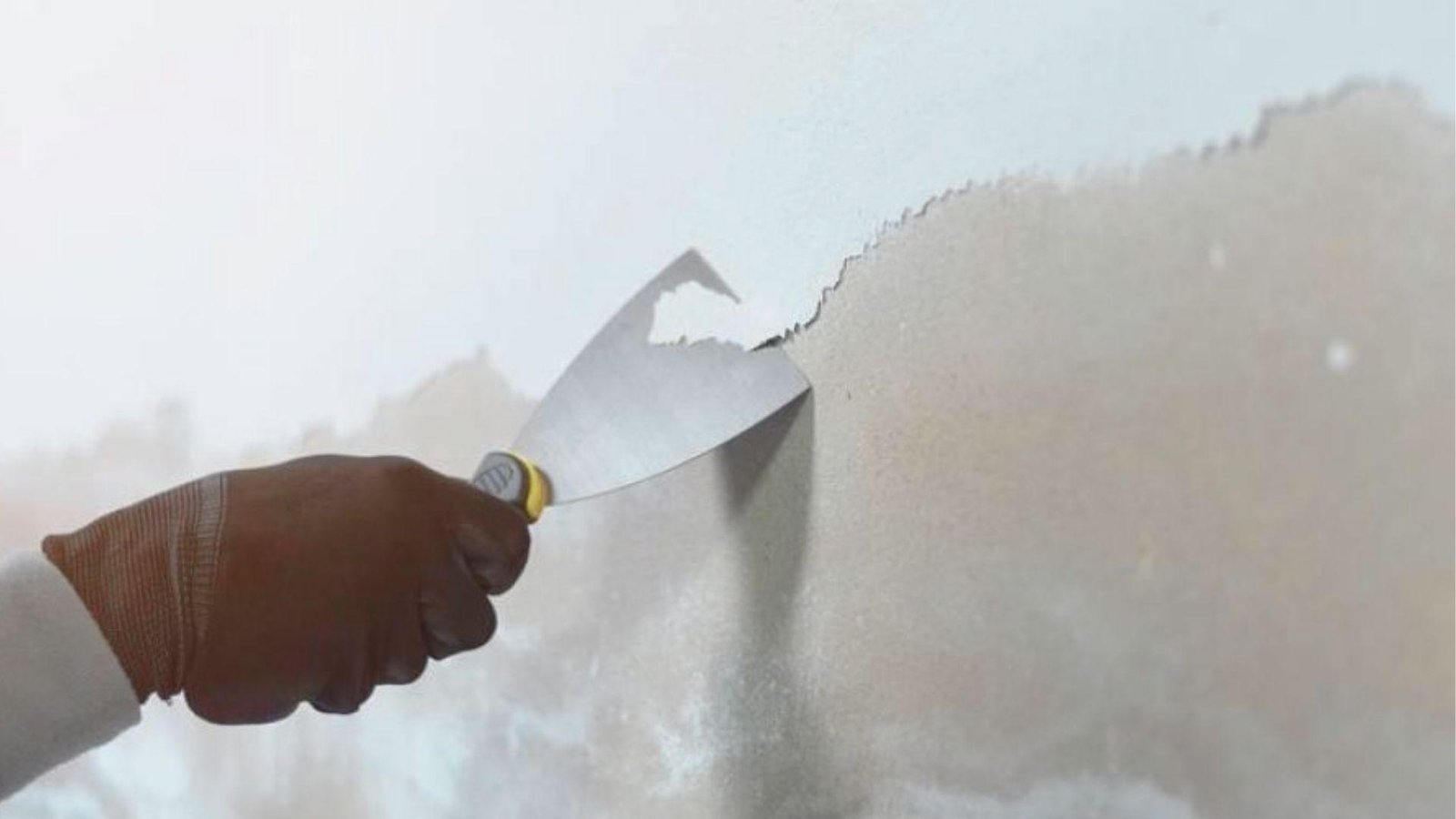
Your walls will tell you when they're ready. You just have to look.
Noticeable Fading or Color Changes
If your walls look dull or washed out, the pigment is breaking down. Fading is one of the first signs that paint has run its course.
Scuffs, Scratches, and Stubborn Stains
Some marks come off with a damp cloth. But if stains stay no matter how much you scrub, it's time to repaint.
Peeling, Cracking, or Bubbling Paint
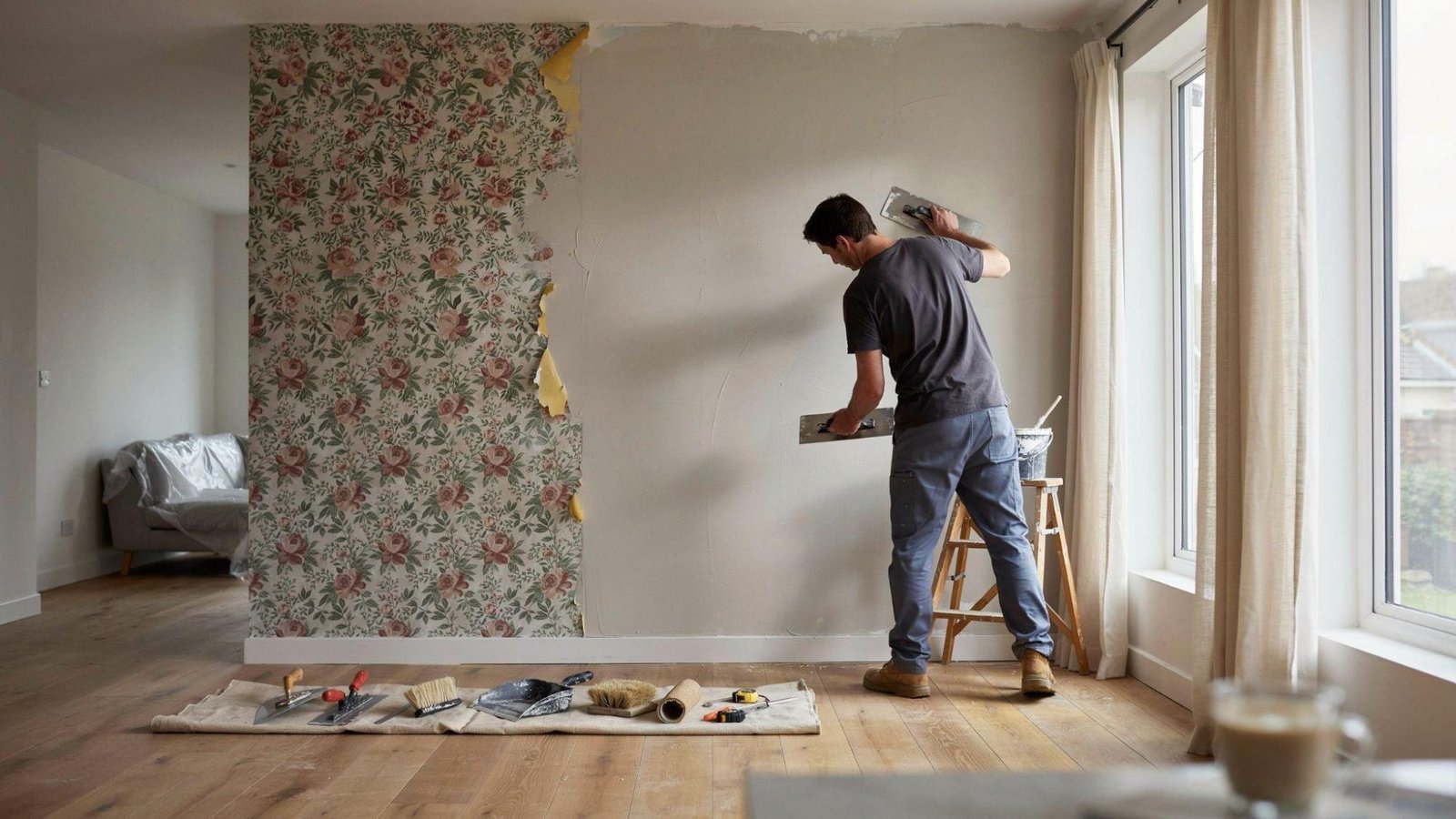
This is a clear sign that paint has failed. Peeling usually means moisture got under the surface. Don't ignore it. It can lead to bigger problems if left alone.
Lingering Odors and Surface Wear
Old paint can trap odors over time. If a room smells stale even after cleaning, fresh paint can actually help.
Outdated Colors and Style Changes
Sometimes walls are in fine condition but the color just doesn't work anymore. That's reason enough to repaint.
Ways to Extend the Life of Interior Paint
Small steps can add years to how long your paint job holds up.
Choose the Right Paint for Each Room
Don't use the same paint in every room. Kitchens and bathrooms need moisture-resistant formulas. High-traffic areas need washable, durable options.
Use Durable Paint Finishes
Satin and semi-gloss finishes hold up better to cleaning and daily wear. Save flat finishes for ceilings and low-traffic areas.
Clean Walls Regularly
A gentle wipe-down every few months removes dust and grime before it builds up. Use a soft cloth and mild cleaner to avoid damaging the surface.
Address Minor Damage Early
Small cracks and chips are easy to fix with a little spackle and touch-up paint. Left alone, they grow into bigger problems.
Manage Moisture and Ventilation
Run exhaust fans in bathrooms and kitchens. Good airflow reduces the moisture that breaks paint down over time.
Is Repainting Too Often a Good Idea?
More isn't always better when it comes to repainting.
Repainting costs money and takes time. If your walls are in good shape, there's no real reason to rush into another coat.
That said, homes with young kids, pets, or a home-based business may genuinely benefit from more frequent repaints. The upkeep in those cases is worth it.
Paint colors also go in and out of style. Sticking with a timeless, neutral color means you can go longer between repaints without your home feeling outdated.
DIY Repainting vs. Hiring a Professional
Both options have real benefits. It comes down to your situation, budget, and the size of the job.
| Factor | DIY Repainting | Hiring a Professional |
| Cost | Lower upfront cost | Higher but better value |
| Time | Takes longer | Faster completion |
| Quality | Good for simple spaces | Cleaner, smoother finish |
| Prep Work | You handle it all | Fully managed for you |
| Best For | Small rooms, touch-ups | Large or complex projects |
| Tools | You buy or rent | All tools included |
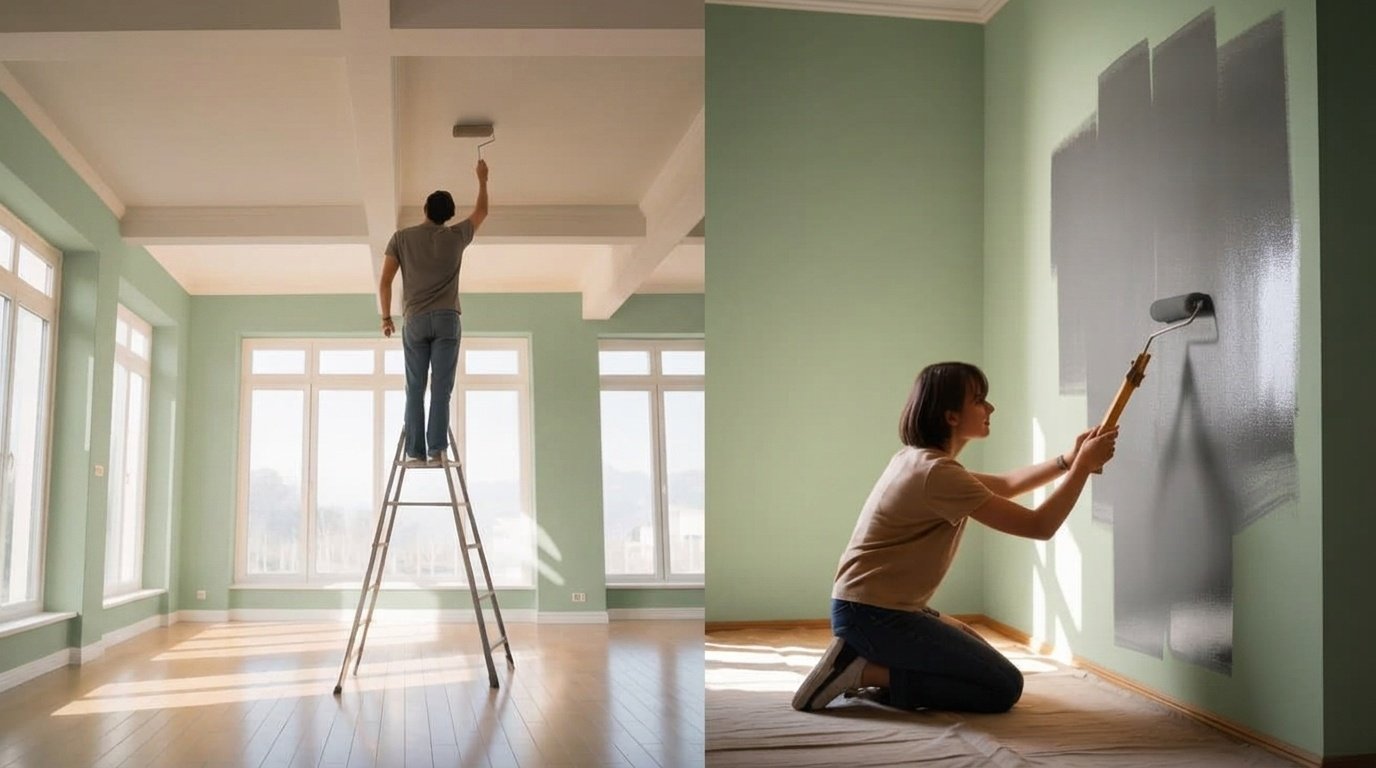
| End Result | Decent with care | Long-lasting, professional finish |
Tips for Keeping Interior Paint Looking Fresh Longer
Small habits and smart choices can add years to your interior paint job without spending much.
- Choose high-quality paint from the start. Good paint costs a little more but fades slower, chips less, and saves you money on frequent repaints over time.
- Match the paint finish to each room. Satin or semi-gloss works best in kitchens and bathrooms, while flat finish suits low-traffic bedrooms and ceilings well.
- Clean walls gently and regularly. A soft cloth with mild soapy water every few months removes built-up grime without wearing down the paint surface.
- Fix small scuffs and chips as soon as you see them. Tiny damage spreads quickly if ignored, so keep leftover paint handy for fast, easy touch-ups whenever needed.
- Control moisture and keep air moving in your home. Run exhaust fans during cooking and showering, and open windows when possible to stop humidity from breaking paint down early.
Conclusion
Keeping your home's interior looking fresh doesn't have to feel overwhelming. Now you know what to watch for, how long paint really lasts, and when it's time to act.
Personally, I think the best approach is simple: check your walls once a year and deal with small issues before they grow. That habit alone can save you time and money in the long run.
Have a room that's overdue for a repaint? Drop a comment below and share your experience. Or pass this along to someone who's been putting it off!
Frequently Asked Questions
How often should you paint the inside of your house if you have pets?
If you have pets, plan to repaint high-traffic areas every 3 to 4 years. Scratches, fur, and odors build up faster in pet-friendly homes.
Does ceiling paint need to be refreshed as often as wall paint?
No. Ceilings generally last 10 years or more since they aren't touched or exposed to the same level of daily contact as walls.
Can you paint over old paint without stripping it first?
Yes, in most cases. As long as the old paint is clean, dry, and not peeling, you can apply new paint directly over it with proper prep work.
What type of paint finish lasts the longest on interior walls?
Semi-gloss and satin finishes tend to last the longest. They resist moisture, hold up to scrubbing, and keep their appearance better over time.
Is it worth repainting before selling your home?
Yes, almost always. Fresh paint makes a strong first impression, helps a home sell faster, and can increase its perceived value without a large investment.