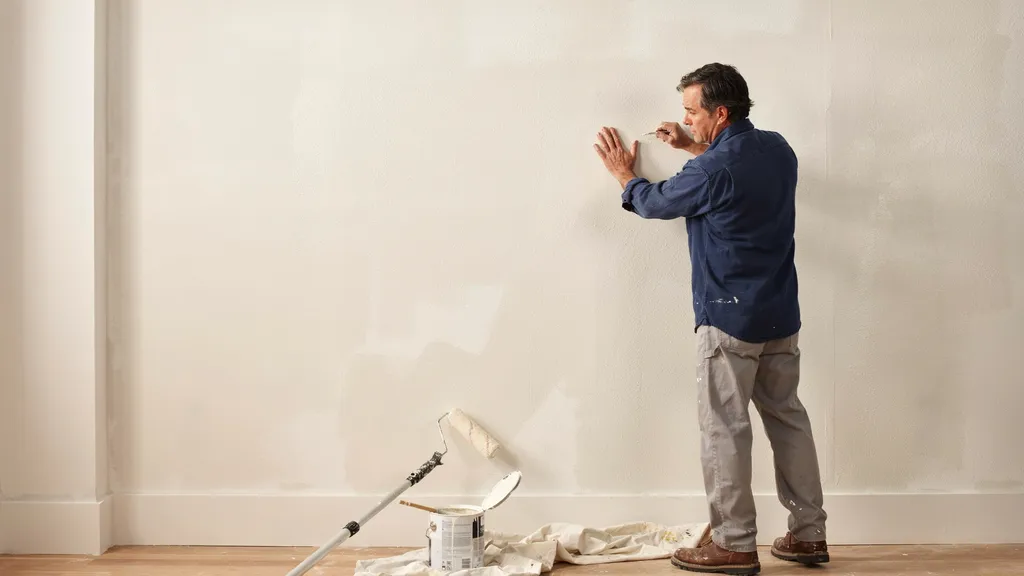
If you're wondering how many times can you paint a wall, you're not alone. Many homeowners worry about adding too many layers of paint and damaging the surface over time.
This guide is here to clear that confusion and give you simple, practical answers.
In this article, you'll learn the safe limit for repainting walls, what happens when paint builds up, and the warning signs to watch for.
I'll also cover factors that affect paint layers, how to check your walls, and what to do if there is too much buildup.
By the end, you'll understand exactly when repainting is safe and when it may need extra care.
What Happens When You Paint a Wall Too Many Times?
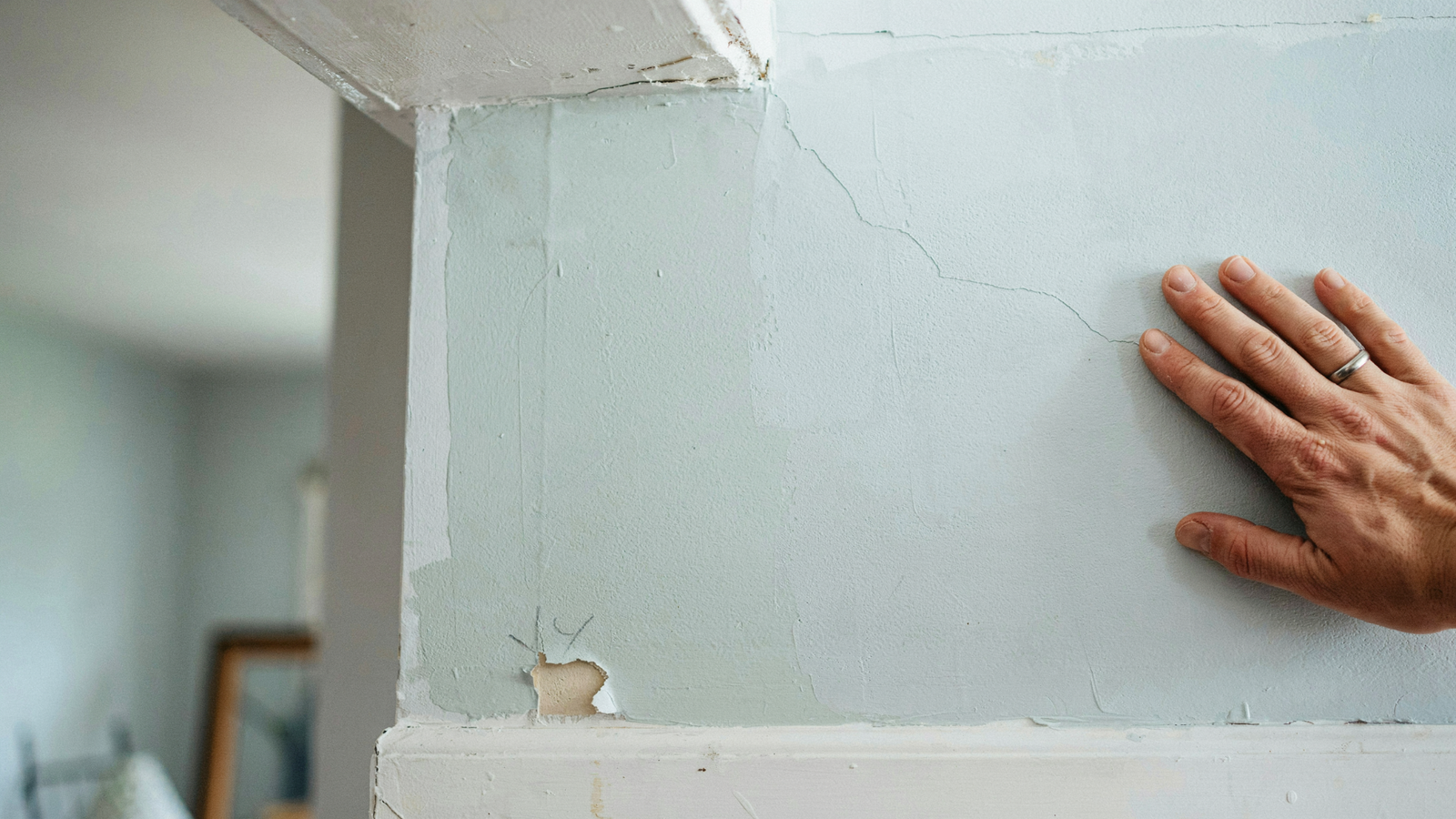
Repeated painting of a wall may seem harmless, but over time it leads to visible and structural issues.
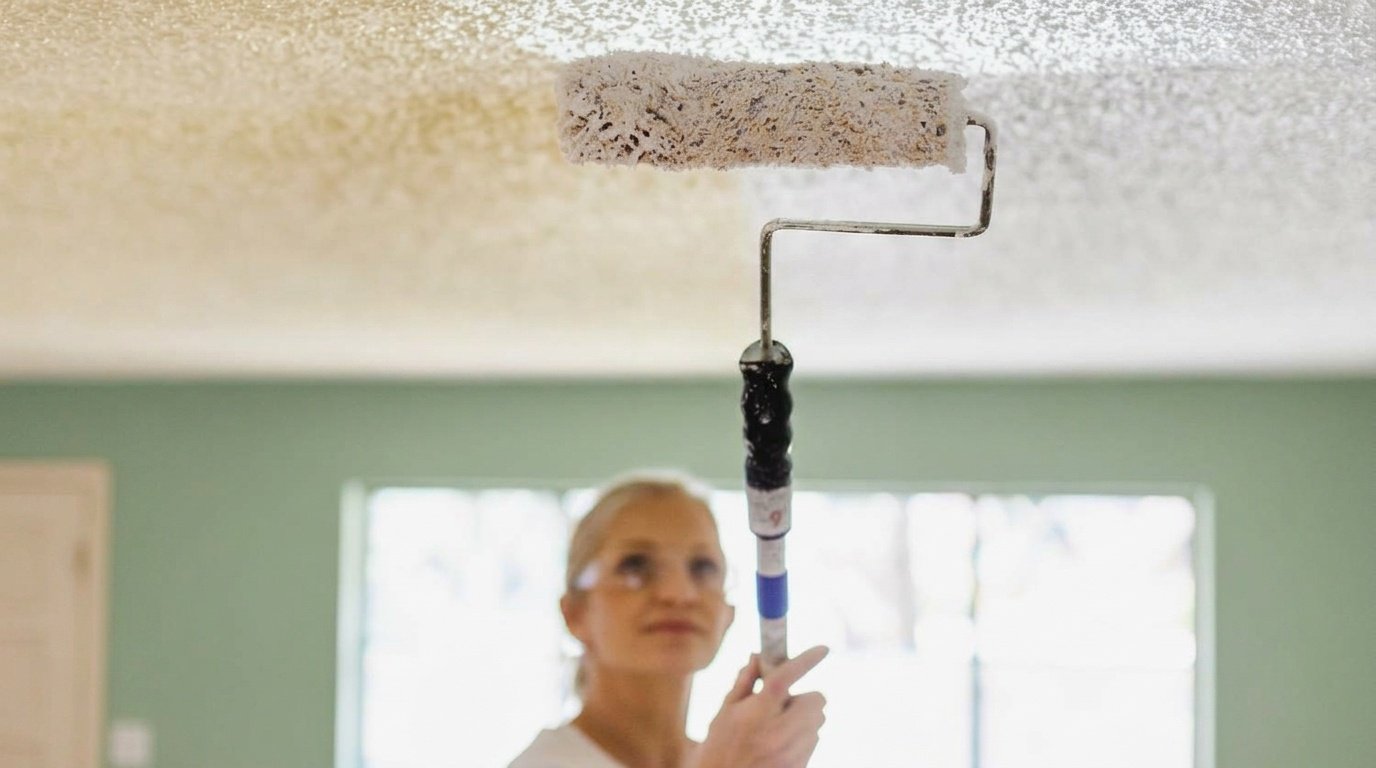
Each new layer adds thickness, gradually hiding original texture and fine surface details. Corners, trims, and edges can start to look bulky or uneven due to paint accumulation.
As layers build up, the risk of cracking, peeling, and flaking increases, especially if earlier coats were not properly prepared or primed.
Heavy paint buildup can also trap moisture, reducing breathability of the wall. Eventually, the wall may lose its smooth finish and require stripping or sanding before repainting again.
Proper preparation and timing extend paint life significantly in most homes, preventing early surface damage and failures overall.
Factors That Affect How Many Times You Can Paint a Wall
Different conditions decide how many repaint layers a wall can safely handle over time.
Type of Paint Used
High-quality paints create stronger, longer-lasting layers. Low-grade paints may peel faster and reduce repaint cycles.
Wall Surface Material
Concrete and plaster handle more paint layers effectively. Drywall and wood may show buildup or damage sooner.
Quality of Previous Paint Jobs
Well-prepared surfaces improve durability of new coats. Poorly primed walls increase peeling and uneven layering risk.
Thickness of Each Paint Coat
Thin coats build up slowly and maintain surface balance. Thick coats accelerate buildup and increase cracking chances.
Environmental Conditions
Humidity and heat affect how paint adheres over time. Harsh conditions can weaken layers and shorten repaint lifespan.
Signs Your Wall Has Too Many Layers of Paint
Too many paint layers don’t just affect appearance, they slowly change how the wall looks, feels, and performs over time.
Visible Paint Ridges
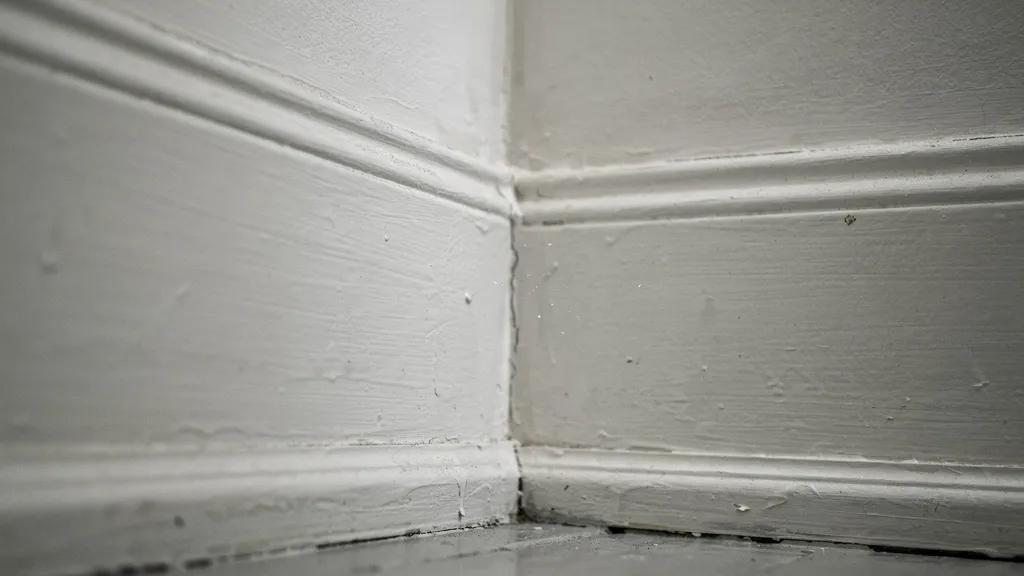
Visible paint ridges appear when multiple coats build up unevenly over time, creating raised lines and bumps on the surface.
These ridges often show most clearly in angled lighting or near corners. They indicate that paint has been applied repeatedly without proper sanding or smoothing between coats.
Cracking or Flaking Paint
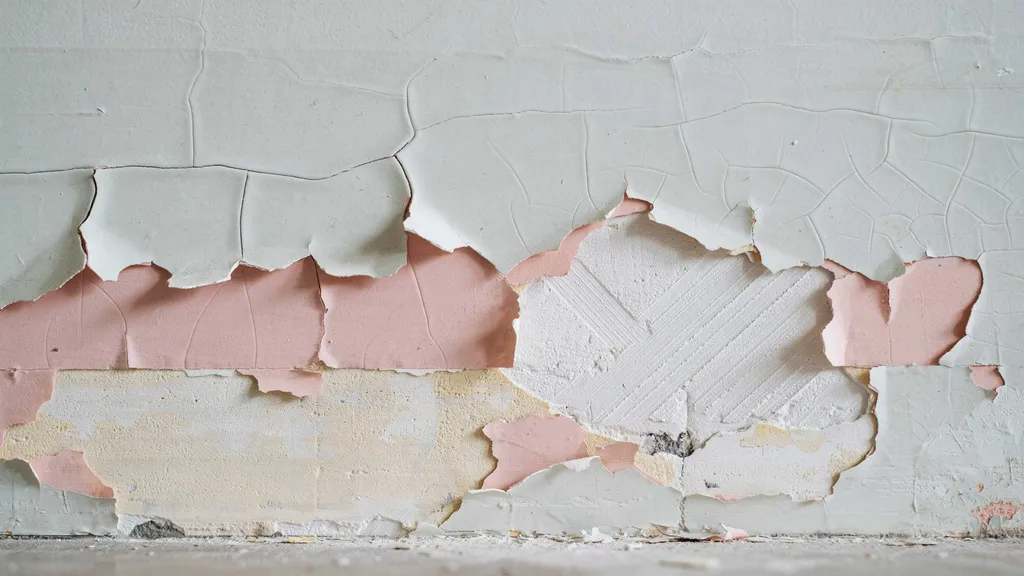
Cracking or flaking happens when thick paint layers lose flexibility and begin to separate from the wall surface. This usually occurs due to age, moisture, or excessive repainting.
As layers harden unevenly, they can no longer expand or contract properly, leading to visible splits and peeling sections across the painted area.
Uneven Surface Texture
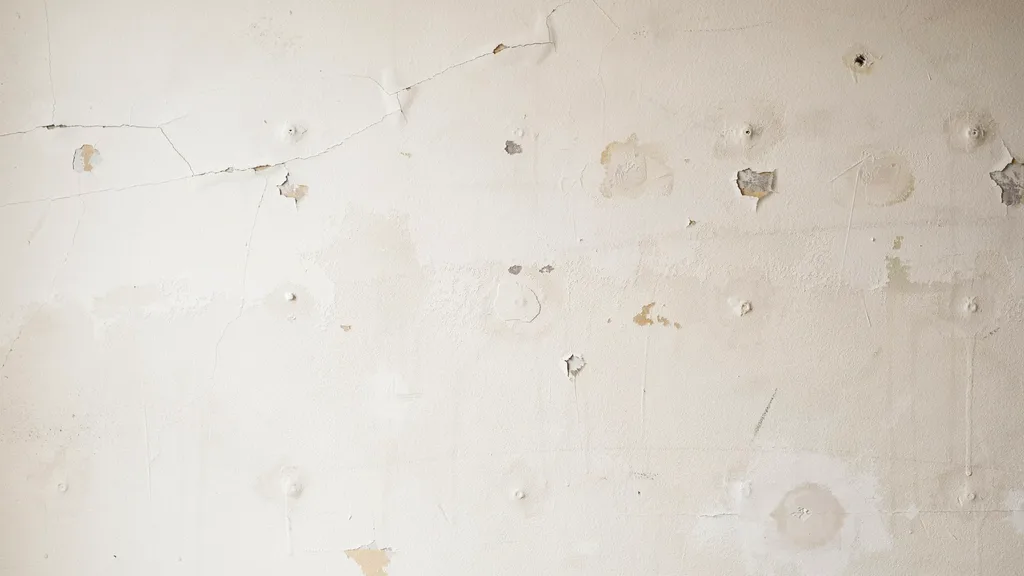
Uneven texture develops when repeated coats of paint fill some areas more than others, creating a patchy and inconsistent feel.
Instead of a smooth wall, you may notice lumps, dips, or rough patches. This often results from rushed painting jobs or skipping proper surface preparation before applying new layers.
Bubbling and Poor Adhesion
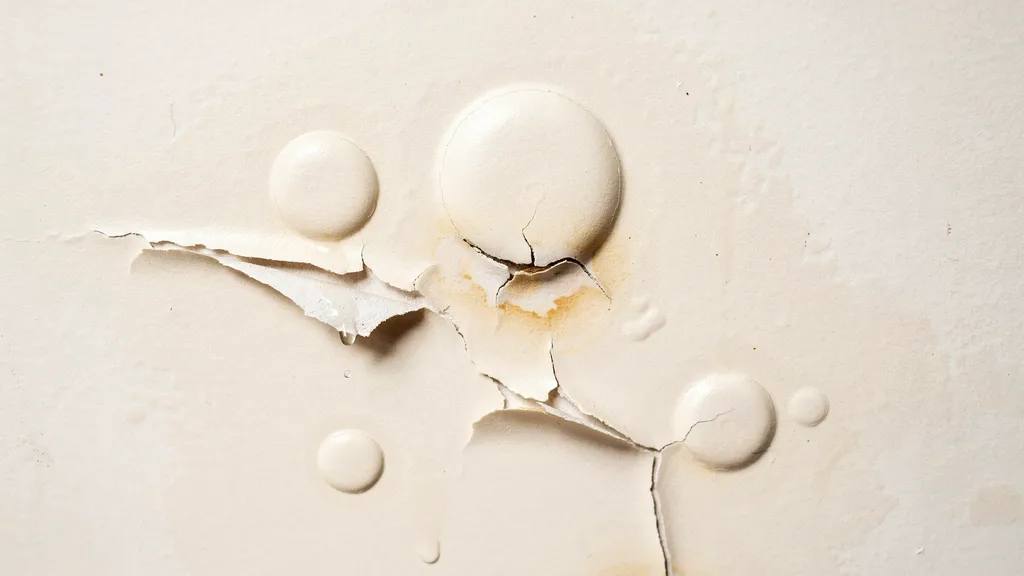
Bubbling occurs when trapped air or moisture pushes through multiple paint layers, creating raised pockets on the surface.
Poor adhesion happens when new paint cannot properly bond with old layers. This combination weakens the wall finish and leads to early deterioration, especially in humid environments.
Paint Chipping Around Edges
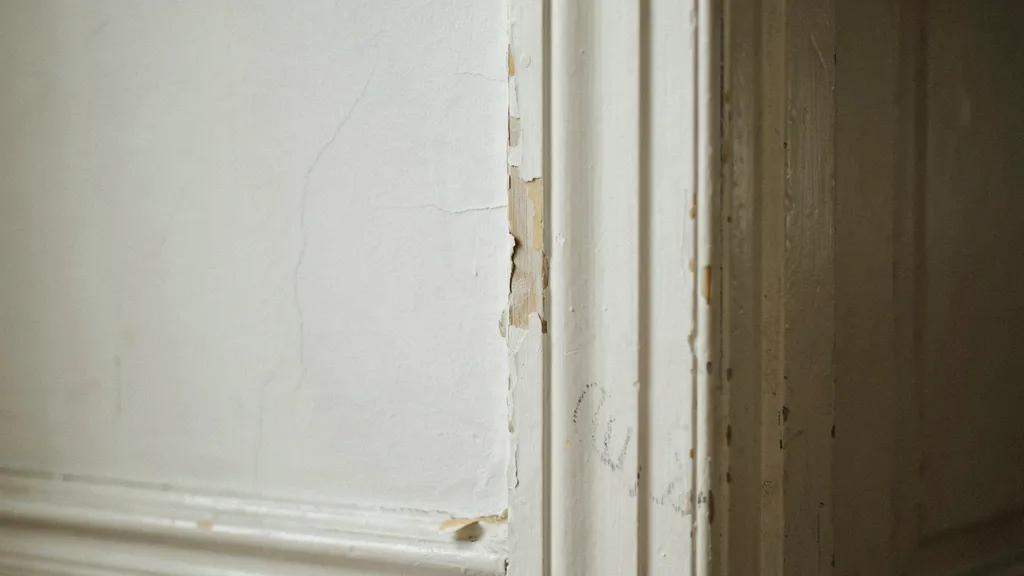
Paint chipping around edges is a common sign of excessive buildup near corners, trims, and door frames.
These areas receive repeated brushing and touch-ups, causing layers to become thick and brittle. Over time, the paint loses grip and begins to break off in small flakes or chips.
How to Check How Many Paint Layers Are on a Wall
You can estimate paint buildup by carefully observing worn areas and testing hidden spots without damaging the wall.
- Examine chipped paint areas to see stacked layers
- Check around outlets, switches, and trim edges
- Inspect corners where paint buildup is more visible
- Lightly scrape a small hidden section for layer count
Can You Paint Over Old Paint Without Problems?
Whether you can repaint directly depends on the condition, stability, and preparation of the existing paint surface.
| Situation | Explanation |
| When Painting Over Existing Paint Is Fine | If the surface is smooth, clean, and well-adhered, you can safely apply a new coat without issues. Proper priming improves durability and finish quality. |
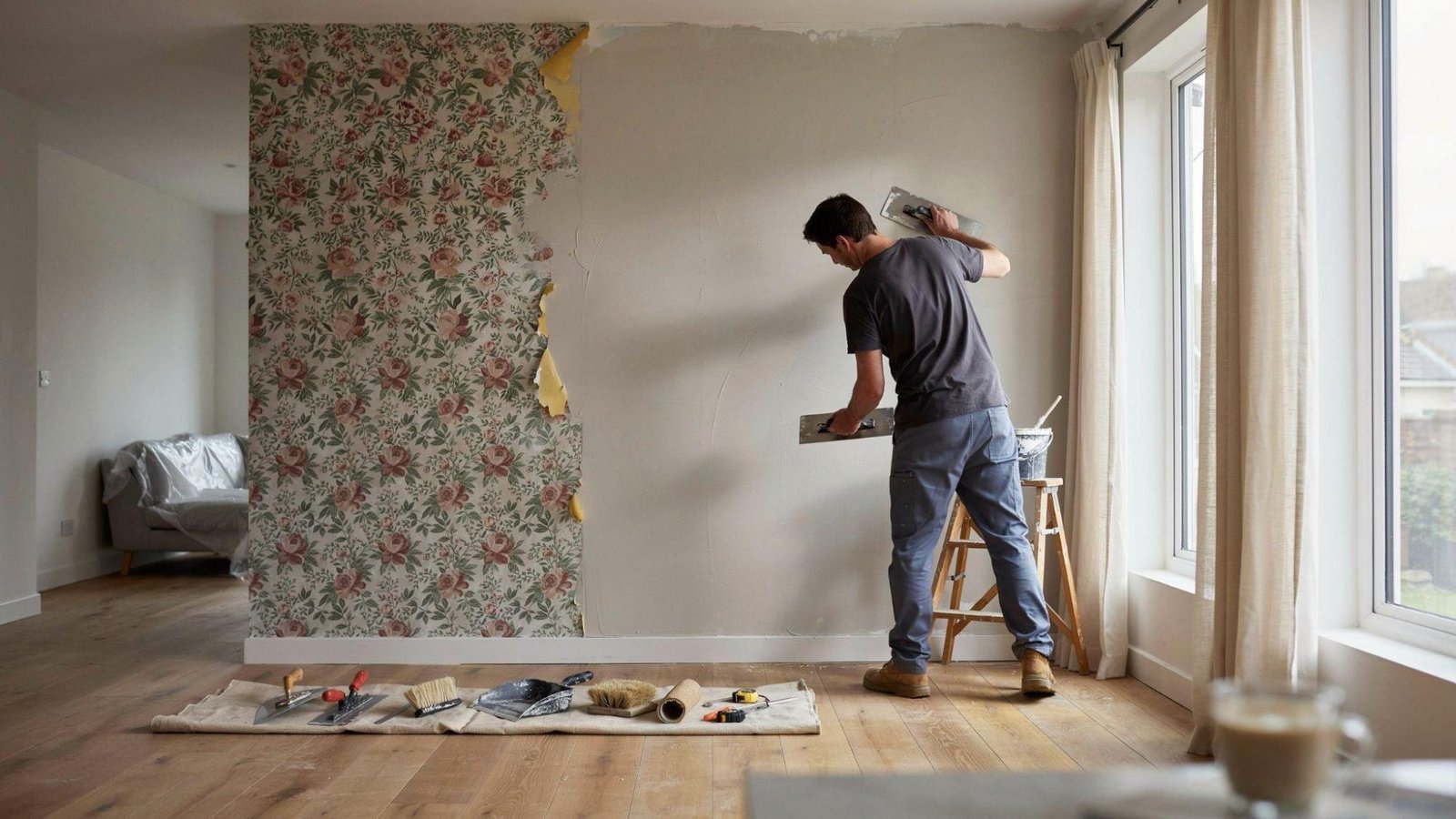
| Situations That Require Extra Preparation | If there are cracks, glossiness, or uneven layers, sanding and priming are needed. This ensures proper bonding and prevents peeling or future surface defects. |
| When Paint Removal Is the Better Option | If multiple thick layers already exist or the paint is flaking heavily, stripping is better. It restores a clean base for a long-lasting finish. |
How to Prevent Excessive Paint Buildup
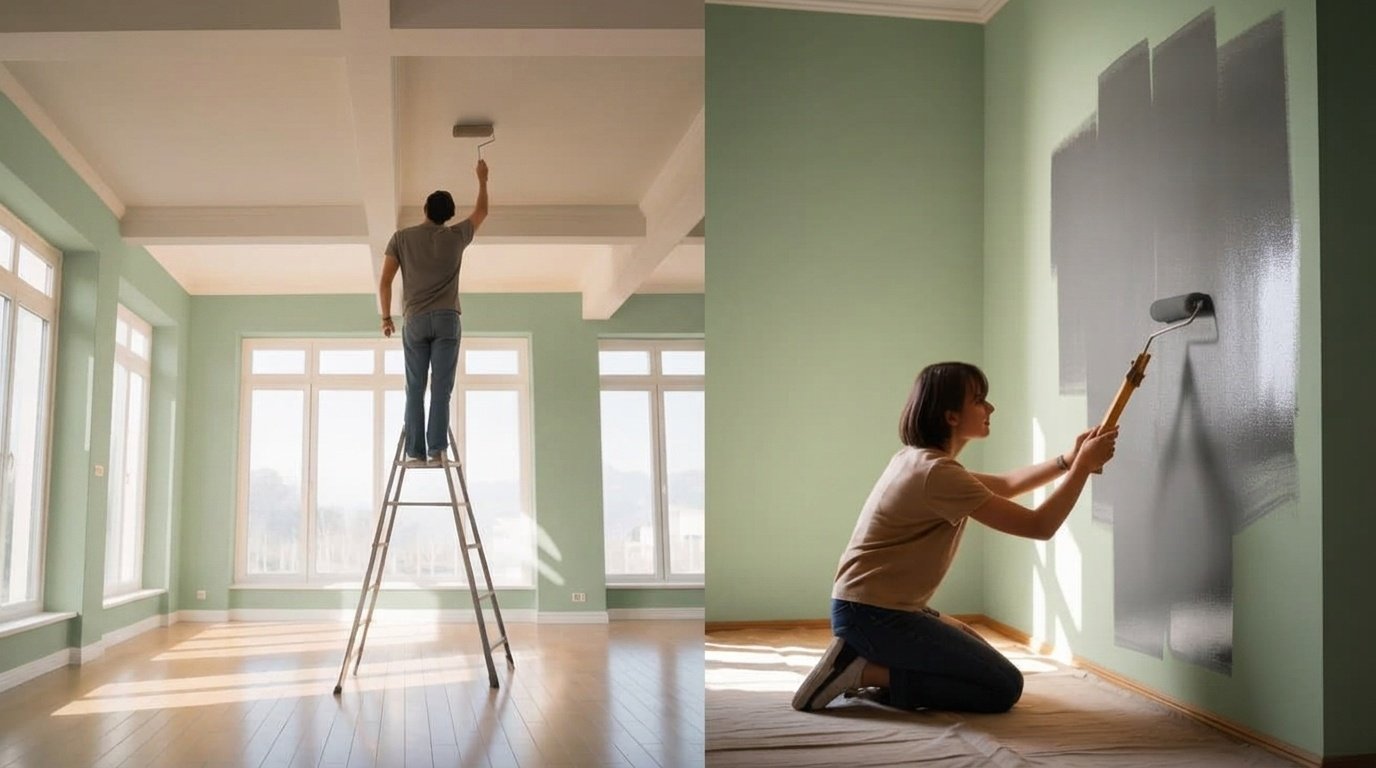
Proper painting habits help maintain a smooth finish and prevent unnecessary layering over time.
- Apply thin, even coats instead of heavy layers for better control and smoother finish quality
- Prepare the wall properly by cleaning, sanding, and priming before each new paint application
- Avoid repainting too frequently unless the surface actually shows damage or wear
- Use high-quality paint products that require fewer coats and offer better coverage and durability
- Repair cracks, dents, and wall damage before painting to reduce repeated touch-ups and buildup
Does Paint Type Affect Repainting Limits?
Yes, different paint types behave differently over time and influence how many layers a wall can handle safely.
| Paint Type | Effect on Repainting |
| Latex Paint | Flexible and breathable, allowing multiple coats without heavy cracking when applied correctly. |
| Oil-Based Paint | Creates harder layers that can build up quickly and become difficult to repaint over time. |
| Matte Finishes | Easier to layer but may show uneven buildup if too many coats are applied repeatedly. |
| Gloss and Semi-Gloss Finishes | Durable but less forgiving; multiple layers can highlight texture and imperfections more clearly. |
When Should You Strip Paint Instead of Repainting?
Sometimes removing old paint completely is the only way to restore a clean and stable wall surface.
- Multiple thick layers have built up over time and affect wall smoothness
- Severe cracking, peeling, or flaking is visible across large surface areas
- Historic or older homes have decades of accumulated paint layers
- Original wall details, texture, or design features are no longer visible due to buildup
Conclusion
Understanding how many times you can paint a wall helps you keep your home looking clean without causing hidden damage.
From what I’ve seen in real projects, most issues come not from repainting itself, but from skipping preparation or adding too many thick layers.
If you imagine your wall over the years, small care at each step really makes a difference in how smooth it stays. Take your time, check your walls, and repaint only when needed.
If this guide helped you, leave a comment, share it, or try more home care tips.
Frequently Asked Questions
How Many Times Can You Paint a Wall Before It Becomes a Problem?
There is no strict limit, but issues may appear after many thick layers. Wall condition matters more than the exact number of coats.
Can Too Many Coats of Paint Damage a Wall?
Yes, too many layers can lead to cracking, peeling, or uneven texture over time, especially if preparation is poor.
Is It Better to Remove Old Paint Before Repainting?
Not always. If the old paint is in good condition, you can repaint after proper cleaning and priming.
How Can I Tell If My Wall Has Too Many Paint Layers?
Look for ridges, peeling, or a thick uneven surface. These signs often indicate paint buildup.
Can You Paint Over Peeling Paint?
No, peeling paint should be scraped and repaired first. Painting over it will not fix the underlying issue.