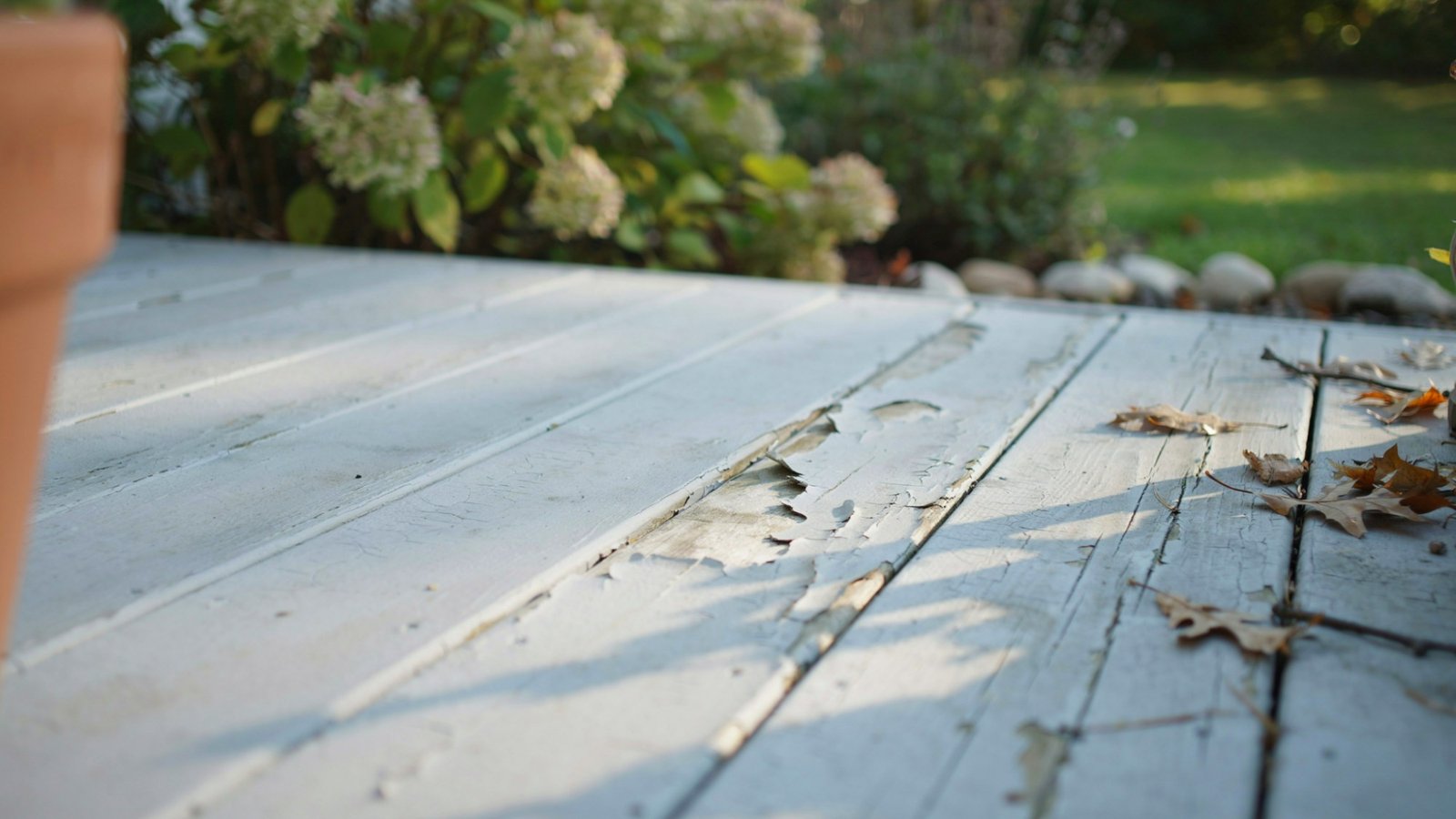
Yes, I've seen this question come up a lot and I've made this mistake myself.
You find leftover interior paint in the garage, the fence needs a touch-up, and you think why not? I get it. Can you use interior paint outside? Technically yes, but you really shouldn't.
In this guide, I'll cover why interior paint fails outdoors, what damage it causes, and what to do if you've already used it.
I've spent time researching and testing this so you don't have to learn the hard way. By the end, you'll know exactly what works, what doesn't, and how to protect your surfaces the right way.
Understanding Interior Paint for Outdoor Use
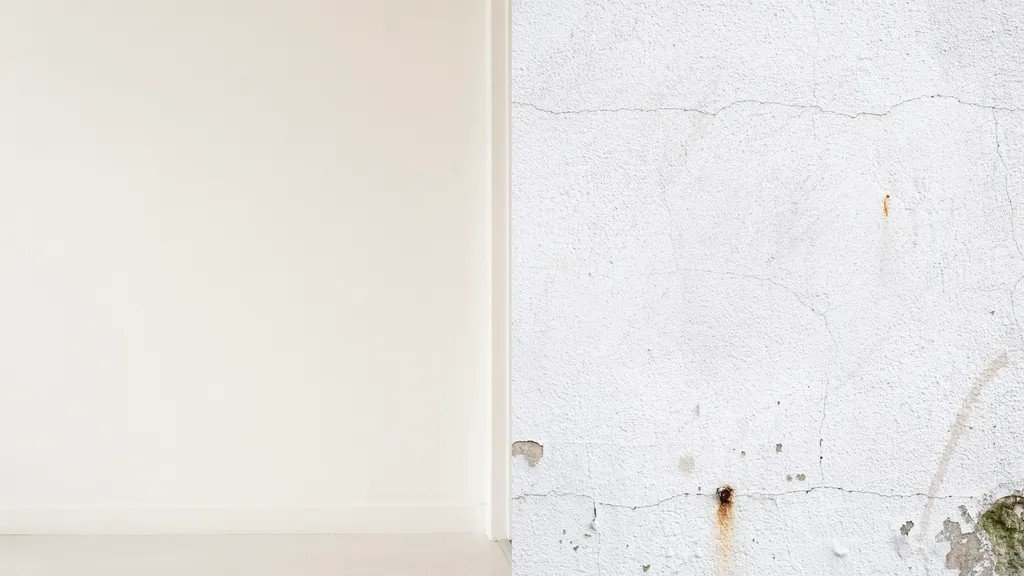
Knowing the difference between paint types helps you make smarter choices for your home. It happens more often than you'd think.
You finish painting a room, have half a gallon left, and the garden shed looks rough. Using leftover interior paint feels like a smart, money-saving move.
But the results rarely match the intention. Interior paint is made for stable, controlled environments with no rain, direct sun, or freezing temperatures.
It lacks UV blockers, flexibility agents, and mildew-resistant compounds that exterior paint has. These are not optional extras. They are what keep paint alive and holding strong outdoors.
Why Interior Paint Fails Outdoors
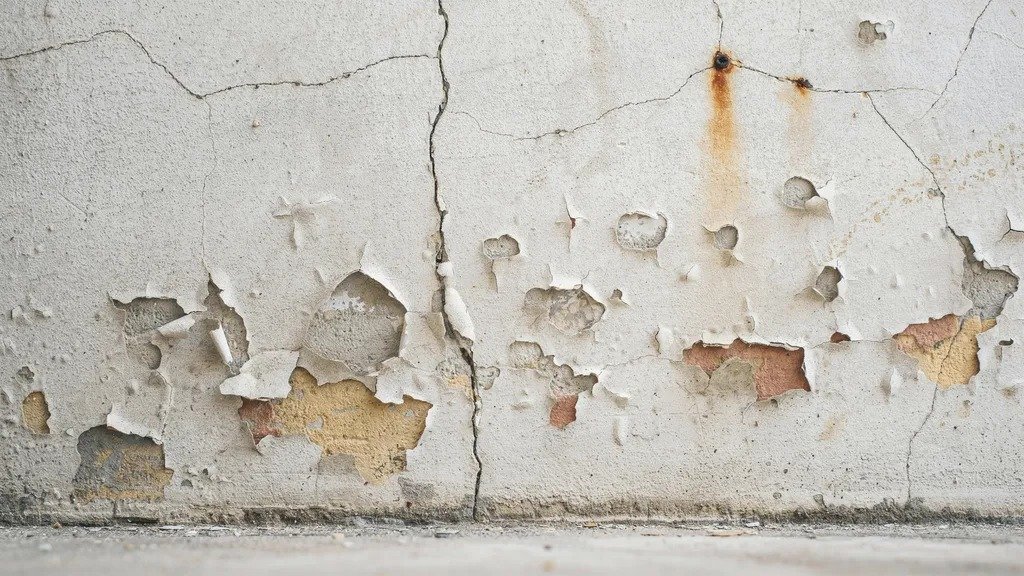
Weather is the biggest enemy of interior paint used outside. Here's why it breaks down fast.
Impact of Weather Conditions
Outdoor surfaces expand and contract with temperature changes. Interior paint is not built for that movement. When it gets hot, the paint softens. When it cools down, it stiffens. This cycle causes cracking and peeling within months.
Humidity makes things worse. Moisture gets trapped under the paint film, causing blisters to form. Once blistering starts, the paint lifts and peels away quickly.
Effects of Sunlight and UV Exposure
UV rays break down the binders in interior paint faster than you'd expect. The color starts fading within a few weeks of direct sun. Soon, the surface looks chalky and dull.
This isn't just about looks. Chalking means the paint is breaking down at a chemical level. Once that starts, no amount of cleaning will fix it.
What Happens If You Use Interior Paint Outside
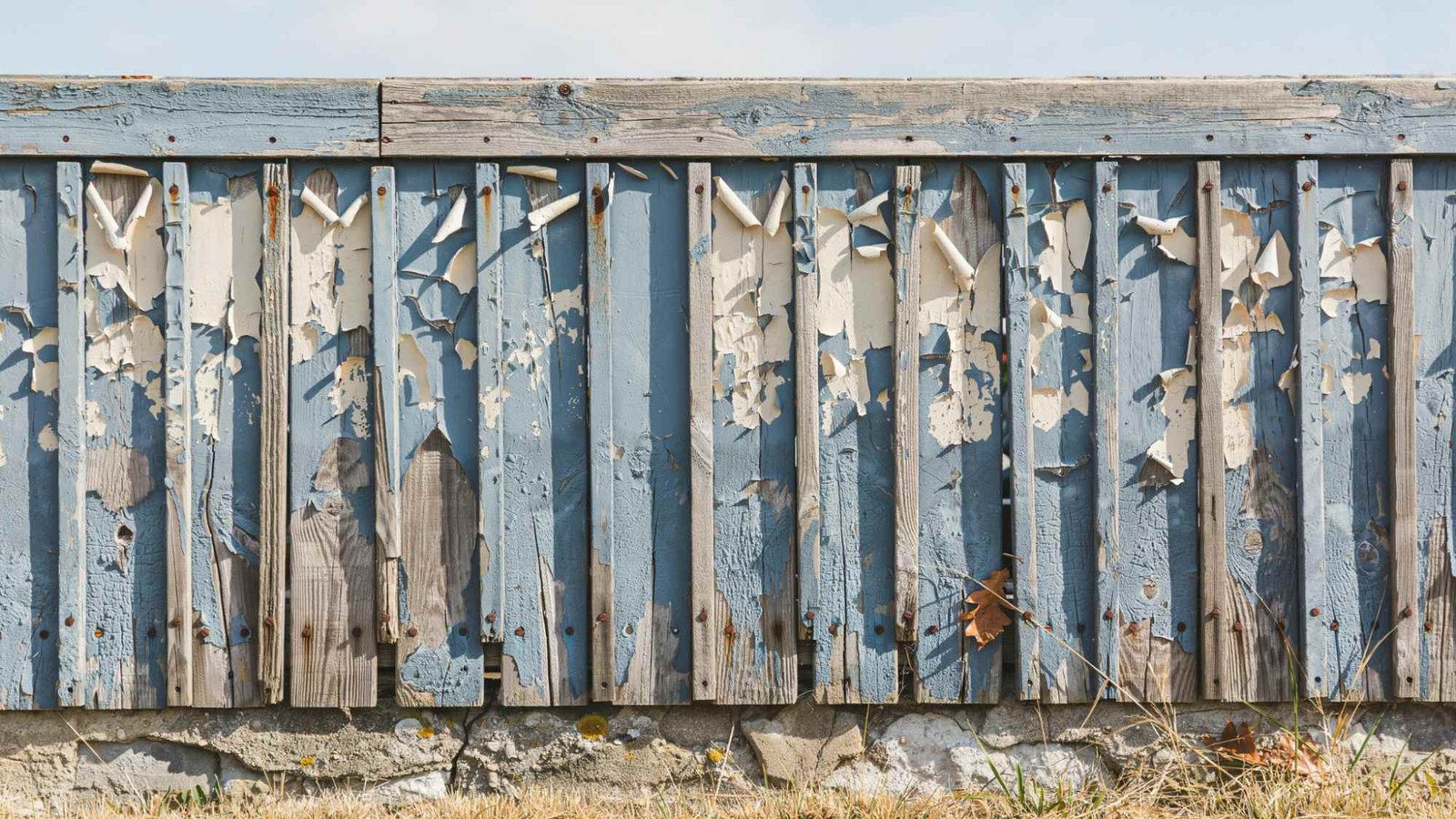
The damage shows up fast. Knowing the signs helps you act before things get worse.
Visible Signs of Damage
You'll start to see problems appear, often sooner than expected
- Peeling at the edges and corners
- Cracking across flat surfaces
- Blistering in areas with sun or moisture
- Uneven finish and discoloration
These signs are not just cosmetic. They mean the paint has failed and is no longer protecting the surface beneath it.
How Quickly Problems Can Appear
In mild weather, you might get a few months before visible damage shows. In areas with strong sun, heavy rain, or cold winters, problems can appear in just a few weeks.
Long-term, the surface underneath wood, concrete, metal starts to suffer. Rot, rust, and decay set in when there's no proper barrier to stop moisture.
Can You Seal Interior Paint for Exterior Use
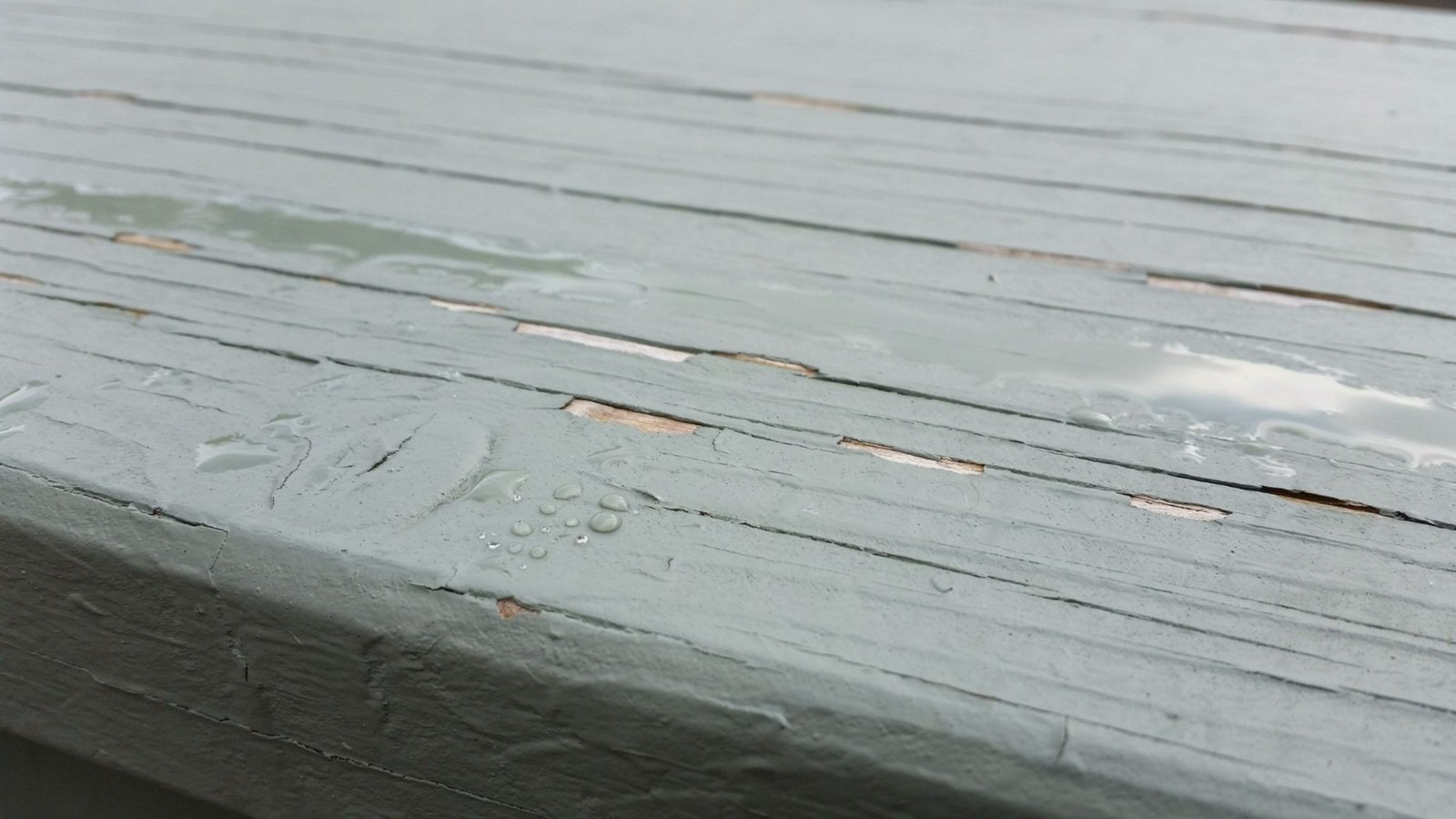
Sealants offer limited help. They are not a long-term fix for interior paint used outdoors.
Does Sealing Provide Enough Protection
Some people try to apply a clear sealant over interior paint to protect it outside. This can slow down damage for a short period. Think of it as a temporary band-aid, not a cure.
The sealant creates a thin barrier, but it cannot replace what exterior paint provides at a chemical level.
UV resistance, flexibility, and moisture protection are built into exterior paint not added on top afterward.
Limitations of Sealants
Even with a sealant, you'll need to reapply it often, sometimes every season. And the interior paint underneath will still break down over time.
In harsh conditions, sealants themselves crack and peel. When that happens, water gets underneath and the damage speeds up.
You end up doing more work than if you had used the right paint from the start.
Risks of Using Interior Paint Outdoors
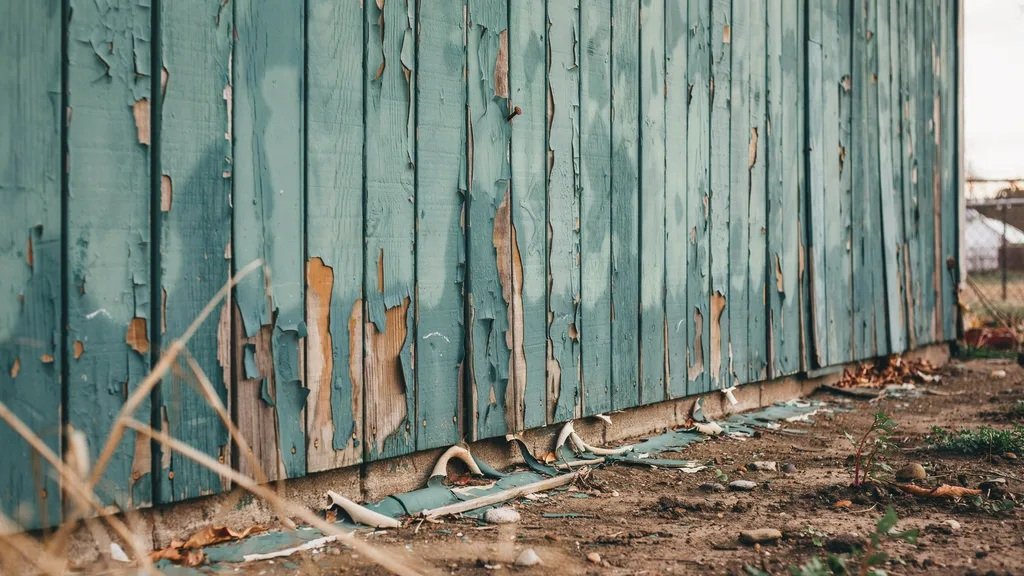
Beyond durability, there are health and environmental concerns worth knowing about.
Health Concerns
Interior paint is not tested for outdoor ventilation conditions. When it breaks down under heat and sun, it can release fumes and chemicals into the air around your home.
If you're working in an enclosed patio or small outdoor area, that exposure can build up. Children and pets spending time near peeling or chalking paint are especially at risk.
Environmental Impact
As interior paint breaks down outdoors, flakes and dust can get into the soil and nearby water sources. Some pigments and chemical compounds in paint are harmful to plants, insects, and small animals.
This is not a minor concern. Paint runoff is a real environmental issue, and using the wrong type only adds to it.
Pro Tips to Minimize Damage (If Already Used)
Already used interior paint outside? These steps can help you manage the damage before it spreads.
- Clean the surface regularly. Dirt and moisture buildup speed up paint breakdown. A quick wash every few weeks can buy you extra time.
- Sand down cracking or peeling areas. Once you spot lifting edges, sand them smooth right away. Open cracks let moisture in fast.
- Monitor after rain or extreme heat. These conditions damage exterior surfaces the most. Check paint condition after heavy weather to catch early signs.
- Apply a sealant as a short-term layer. A clear sealant slows damage slightly. It adds a thin barrier while you plan a proper repaint.
- Watch for widespread peeling or deep cracks. When damage covers large sections, maintenance won't help anymore. It's time to repaint properly.
- Strip and restart with exterior-grade paint. Once wood or metal shows through, do a full redo. Prep the surface well and use the right paint.
Conclusion
Honestly, I learned this the hard way after painting a small shed with leftover wall paint. It looked fine for about six weeks. Then the peeling started.
If you're asking if you can use interior paint outside, the short answer is: you can, but you really shouldn't.
It won't last, it creates extra work, and the surface underneath pays the price. Do yourself a favor and use the right paint from the start.
If this helped, drop a comment below or share it with someone about to make the same mistake I did.
Frequently Asked Questions
Can interior paint be used outside temporarily?
It can go on outdoor surfaces, but it will not hold up for long. Expect visible damage within weeks to a few months, depending on your climate.
What is the main difference between interior and exterior paint?
Exterior paint contains additives for UV protection, moisture resistance, and flexibility. Interior paint has none of these, making it unsuitable for outdoor conditions.
Will a clear coat protect interior paint used outdoors?
A sealant can slow down damage slightly, but it cannot replace the protection of exterior paint. It requires frequent reapplication and is not a reliable long-term fix.
How long does interior paint last outside?
In mild conditions, it may last a few months. In areas with strong sun, rain, or temperature swings, it can start failing in just a few weeks.
Is it safe to leave peeling interior paint on outdoor surfaces?
No. Peeling paint exposes the surface beneath to moisture and damage. It can also release chemicals and flakes that are harmful to soil, water, and nearby plants.