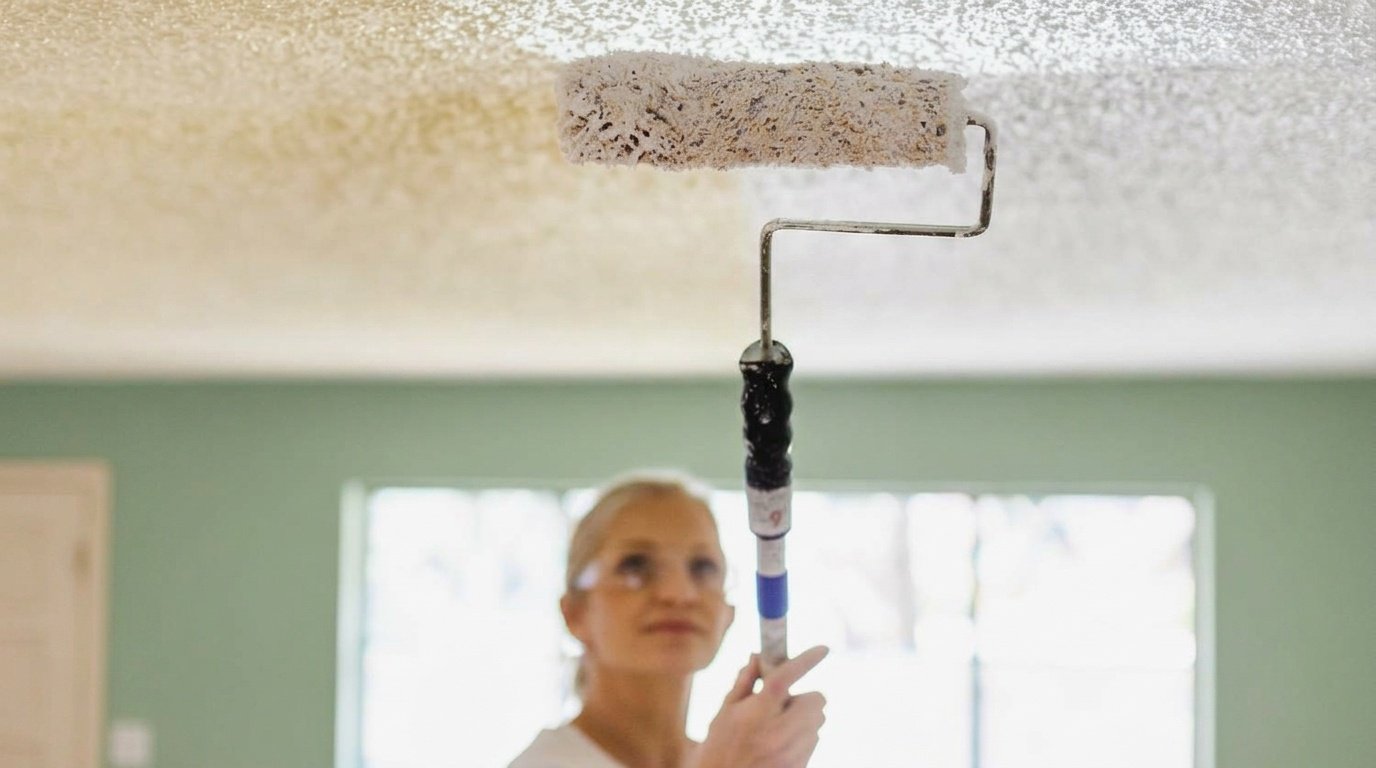
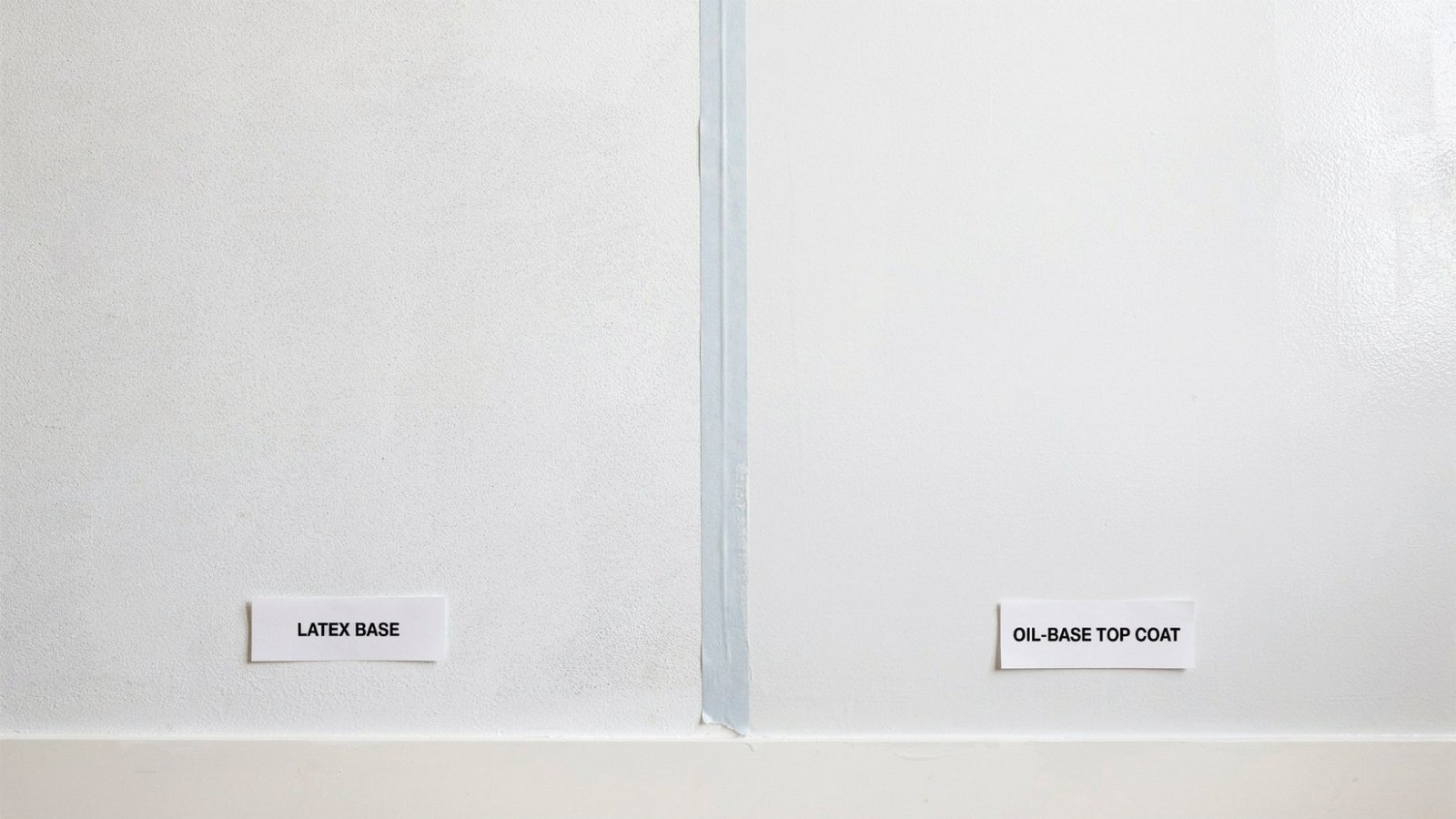
Can you put oil based paint over latex? I get this question a lot, and honestly, I've been there myself, standing in front of a wall, wondering if I'd ruin everything by using the wrong paint.
The short answer is yes, you can, but there's a right way to do it.
In this article, I'll cover why paint types don't always mix well, a simple step-by-step process that actually works, and when you should skip it and start fresh.
I've worked with both paint types enough to know what goes wrong and why. So let's get straight into it and fix that for you.
Understanding Oil and Latex Paint Compatibility

Knowing how these two paints interact saves you time, money, and a lot of frustration. Switching paint types isn't always a problem, but it can be if you don't know what you're working with.
Oil and latex paints have different bases, different finishes, and different ways they bond to surfaces. Adhesion is the main concern.
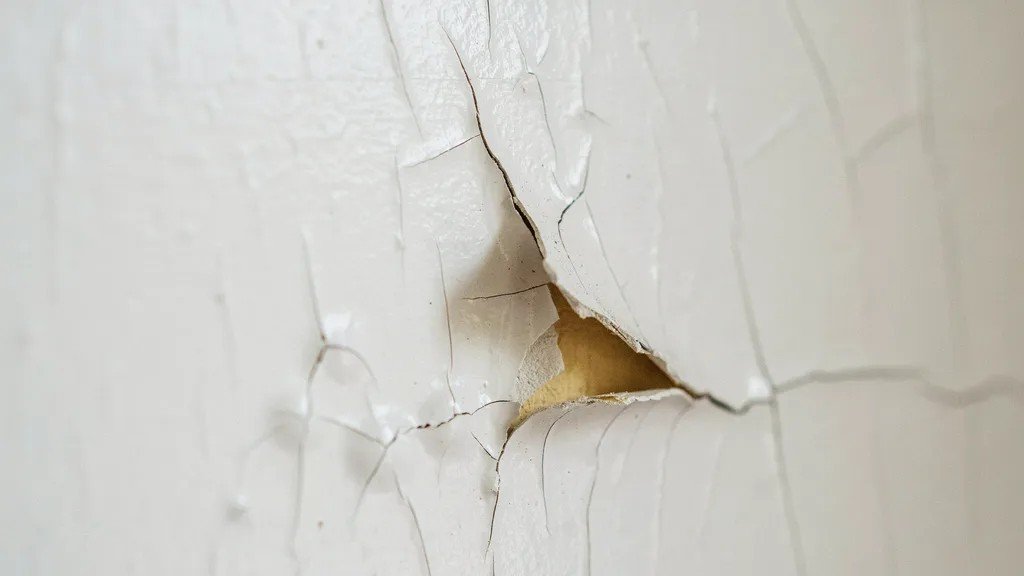
If the surface isn't ready, the new paint won't stick and may peel, crack, or bubble within months.
The good news is that compatibility is possible with the right prep work. Surface condition matters more than the paint itself.
Can You Put Oil Based Paint Over Latex? (Quick Answer)

A little preparation goes a long way when putting oil based paint over latex.
Is It Possible Without Issues?
Yes, but not directly. You can't just open a can of oil based paint and roll it over latex. The surface needs preparation first. Without it, the oil paint will likely fail and peel off.
What Makes It Work Successfully
Three things make this work:
- Cleaning the surface properly
- Sanding to break the gloss
- Applying a bonding primer
Skip any of these, and you're setting yourself up for problems down the road.
Why Oil Paint Doesn't Stick to Latex Easily
Understanding the "why" helps you avoid mistakes and get better results.
Differences in Paint Composition
Latex paint is water-based. Oil paint is solvent-based. These two don't naturally bond well because they have different chemical structures.
Think of it like trying to mix water and oil in a glass. They separate.
Smooth Surface and Adhesion Problems
Latex paint dries into a smooth, sometimes shiny finish. Oil paint needs something to grip.
A smooth surface doesn't give it that grip, which is called "tooth." Without teeth, the new paint slides off over time.
Flexibility vs Hard Finish Conflict
Latex paint stays slightly flexible after drying. Oil paint dries hard and rigid. When the latex underneath moves, even slightly with temperature changes, the oil layer on top can crack.
This is one of the most common reasons oil over latex fails.
Step-by-Step Guide to Apply Oil Based Paint Over Latex
Follow these steps in order. Each one matters.
Step 1 – Clean and Degrease
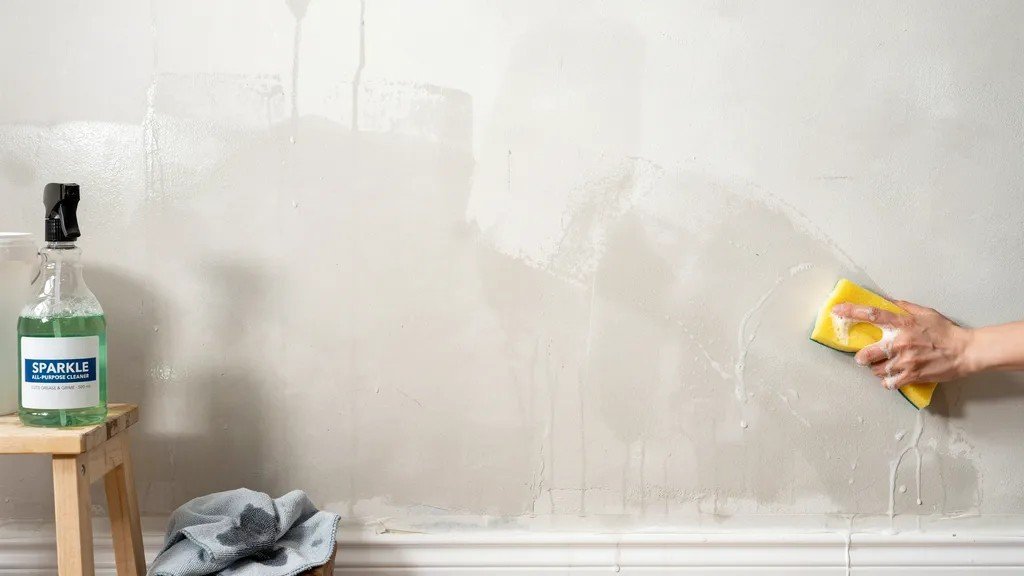
Start by washing the surface with a degreaser or TSP (trisodium phosphate) solution. Remove all dust, grease, and grime. Let it dry fully before moving on.
Dirty surfaces cause paint to fail. No matter how good your primer is, it can't bond to a greasy wall.
Step 2 – Sand to Remove Gloss
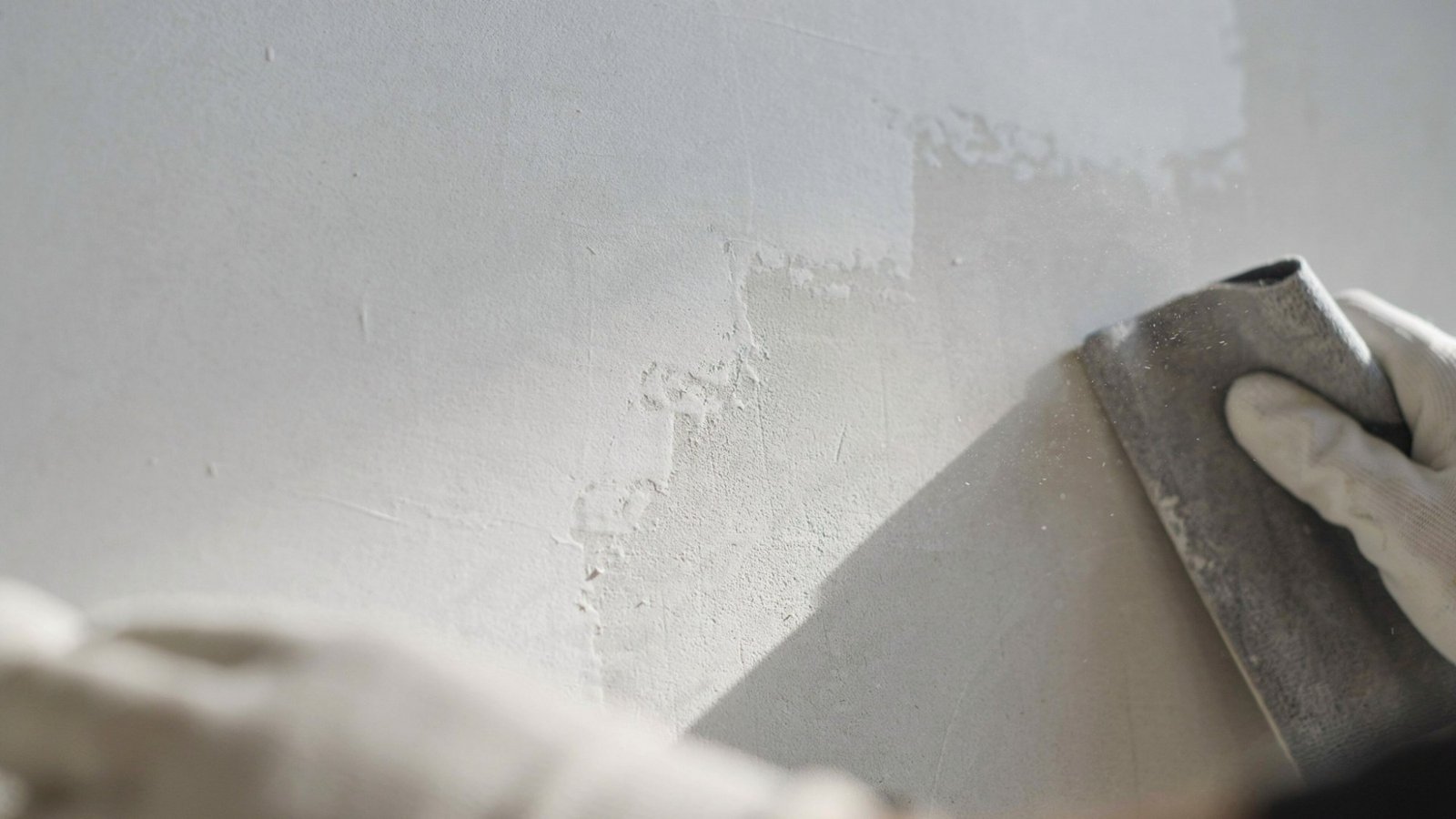
Use 120 to 150 grit sandpaper and lightly sand the entire surface. You're not trying to strip the paint. You're just roughing it up so the primer has something to hold onto.
Wipe away the dust with a damp cloth after sanding.
Step 3 – Apply Bonding Primer
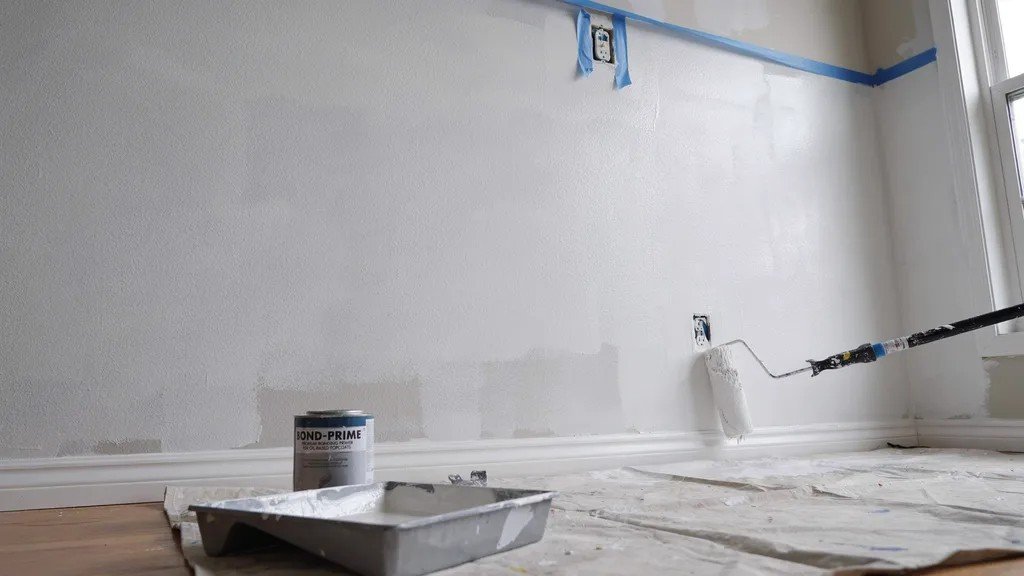
This is the most important step. Use a high-quality oil-based bonding primer or a shellac-based primer. These are made to bond between different paint types.
Apply one even coat. Let it dry completely according to the manufacturer's instructions.
Step 4 – Apply Oil Based Paint Properly
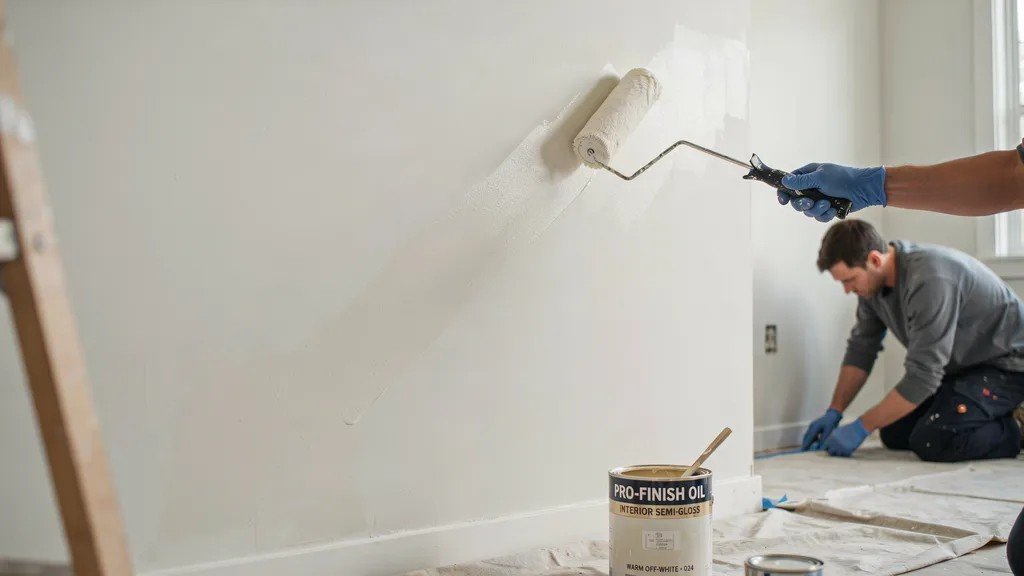
Once the primer is dry, apply your oil based paint in thin, even coats. Don't rush this. Two thin coats are better than one thick one.
Allow proper drying time between coats. Oil paint takes longer to dry than latex, so plan for that.
When You Should NOT Put Oil Based Paint Over Latex
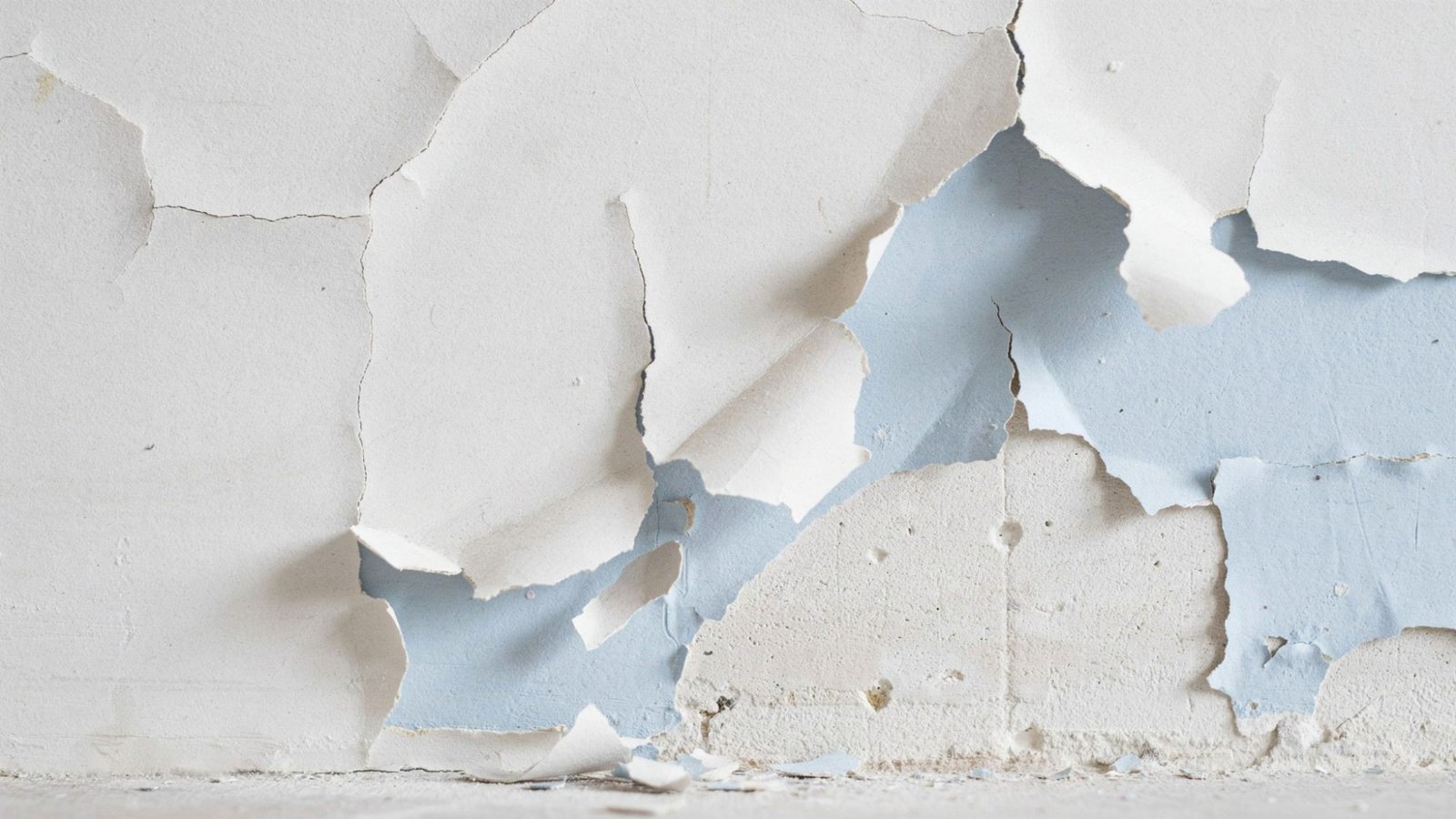
Sometimes the surface isn't ready, and pushing ahead will only cost you more work later.
Peeling or Damaged Latex Surface
If the existing latex is already peeling, flaking, or chipping, oil paint won't save it. You need to strip or scrape back to a solid surface first.
Painting over peeling paint always makes things worse.
Glossy Surfaces Without Prep
High-gloss latex surfaces are the hardest to paint over. If you skip sanding, the paint will not stick. No primer in the world can fully make up for a surface that hasn't been sanded.
Dirty or Greasy Areas
Kitchen walls, garage surfaces, and areas near stoves often have grease buildup. If you can't fully clean the surface, don't paint over it.
When stripping is the better option: If the existing paint is in bad shape, old, or applied in many thick layers, stripping back to bare surface gives you a much cleaner start.
Common Mistakes to Avoid
These are the mistakes that cause most paint jobs to fail within the first year.
Skipping Primer
The biggest mistake. Primer is what makes oil over latex work. Without it, you're wasting your time and paint.
Not Sanding the Surface
Even if the surface looks fine, sanding is necessary. It creates texture that helps paint stick.
Painting Over Uncured Paint
Latex paint can feel dry in a few hours but may not be fully cured for weeks. Painting oil over uncured latex leads to adhesion failure. Wait at least 30 days if the latex was recently applied.
Ignoring Surface Cleaning
Many people jump straight to sanding. Cleaning must come first. Sanding over a dirty surface just pushes the grime around.
Pro Tips for Long-Lasting Results
Small habits lead to big results when it comes to paint.
- Always test a small hidden spot first and check it after a few days to see if the paint is holding well.
- Use a high-quality bonding primer. It is the difference between paint that lasts years and paint that fails in months.
- Give oil paint enough time to dry fully before adding a second coat or moving furniture back.
- Keep windows open while working. Oil paint releases strong fumes that need proper airflow to clear out.
- Paint in temperatures between 50°F and 90°F and avoid working on very humid days for the best results.
Conclusion
So, can you put oil based paint over latex? Yes, and if you follow the steps above, it can hold up really well.
I've seen rushed paint jobs peel within months and careful ones last for years. The difference is always in the prep.
Prime well, sand properly, and clean before you do anything else. That's the real secret.
If this helped you, drop a comment below and let me know how your project goes. Share this with someone who's about to paint and doesn't know where to start.
Frequently Asked Questions
Can I apply oil based paint directly over latex without priming?
No, you should not. Without a bonding primer, oil based paint will not stick to latex properly and is likely to peel off within a short time.
How long should I wait before painting oil over fresh latex?
Wait at least 30 days after the latex paint has been applied. Latex may feel dry quickly but needs weeks to fully cure before oil paint can go over it.
What type of primer works best between latex and oil paint?
Oil-based bonding primer or shellac-based primer works best. These are made to create a strong bridge between different paint types and surfaces.
Will oil paint crack if applied over latex?
It can, yes. Because latex stays flexible and oil dries rigid, cracking is possible over time if the surface wasn't properly prepared or if the latex layer is old and damaged.
Is it better to strip latex before applying oil based paint?
If the existing latex is peeling, chipping, or in poor shape, stripping is the smarter option. Painting over failing paint will only lead to more problems later.