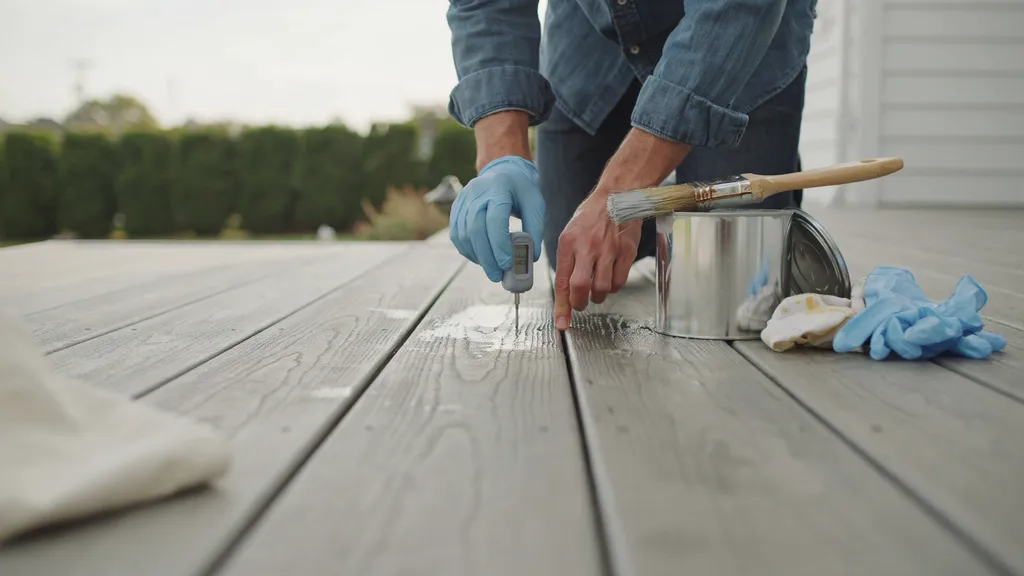
I've asked this myself before picking up a brush. Can you paint treated wood? Yes, but only when it's done right.
Most people skip the waiting period and end up with a peeling, bubbling mess within weeks. That's frustrating, especially after putting in all that work.
In this article, I'll cover how long to wait, how to test if the wood is truly dry, what paint works best, and how to prep the surface the right way.
I've made these mistakes firsthand, and I know how costly they can be.
By the end, you'll have a clear, simple plan to get a paint job that holds up through rain, heat, and time.
What Is Treated Wood and Why Does It Need Time Before Painting?
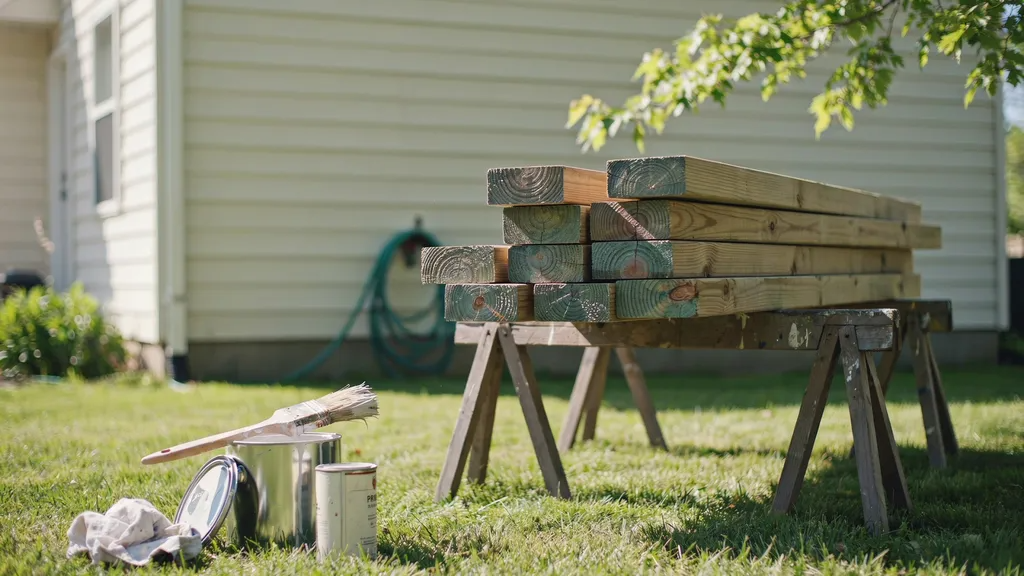
Treated wood goes through a chemical process that protects it from rot, moisture, and insects.
These chemicals get forced deep into the wood fibers, and that process leaves the wood saturated, sometimes soaking wet.
The wood needs time to dry out before any paint can bond to it properly. If you skip this step, the paint has nothing solid to grip.
It ends up sitting on a damp surface, which leads to peeling, bubbling, and wasted effort down the line.
Can You Paint Treated Wood Immediately After Installation?
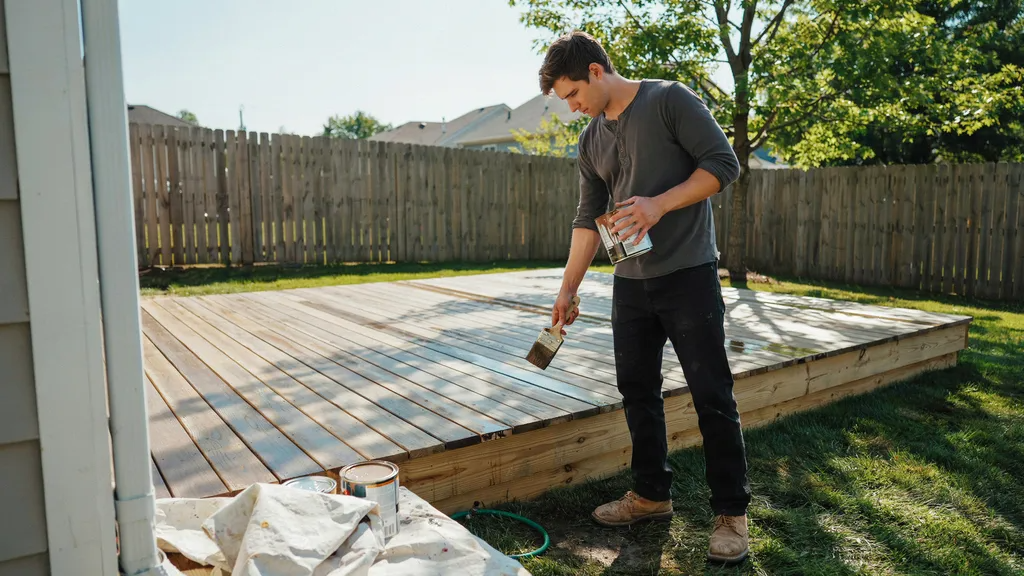
No, and this is the part most people overlook. Freshly installed treated wood holds a lot of moisture, sometimes far more than you can see on the surface.
Paint needs a dry, stable surface to stick. When you apply it to wet wood, the moisture underneath pushes outward as it evaporates.
That pressure causes the paint to blister and lift. Even if it looks dry on the outside, the inside layers might still be wet.
Painting too early is one of the fastest ways to ruin a good finish before it even gets a chance.
How Long Should You Wait Before Painting Treated Wood?
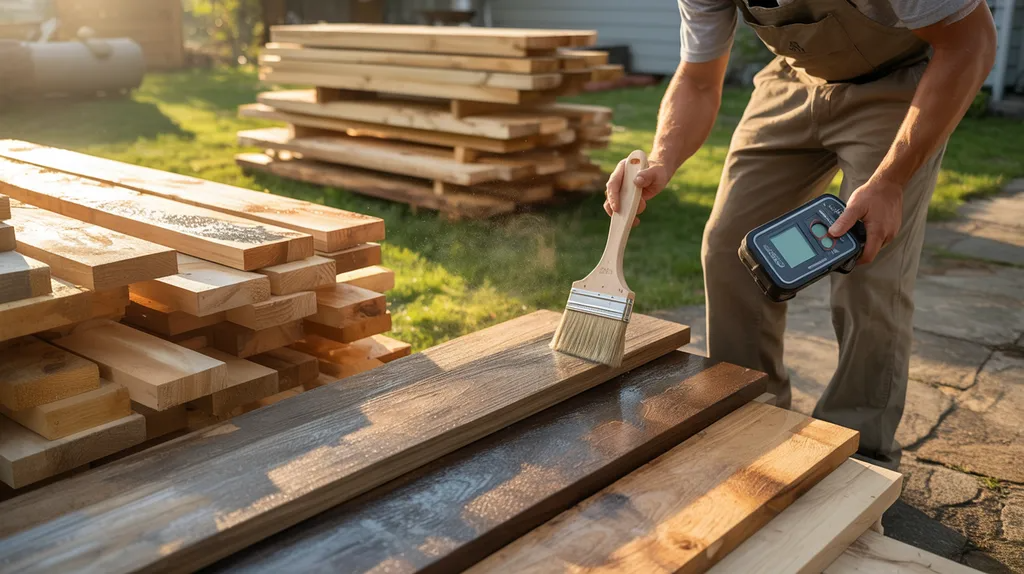
The waiting period depends on more than just the calendar, and getting it right makes all the difference for your paint job.
Typical Waiting Time
Most treated wood needs anywhere from a few weeks to a few months before it is ready for paint.
There is no single answer because drying time depends on the wood and where you live. A board in a dry, sunny climate dries much faster than one sitting in a humid, shaded yard.
The safest approach is to test before you paint, not guess based on a calendar.
Factors That Affect Drying Time
Several things affect how fast treated wood dries. Hot, dry weather speeds up the process. High humidity slows it down.
Direct sun exposure helps pull moisture out faster. Thicker boards and dense wood types hold moisture longer, so they always need more time than thinner or lighter pieces.
All of these factors work together, which is why drying time varies so much from one project to the next.
How to Tell If Treated Wood Is Ready for Paint
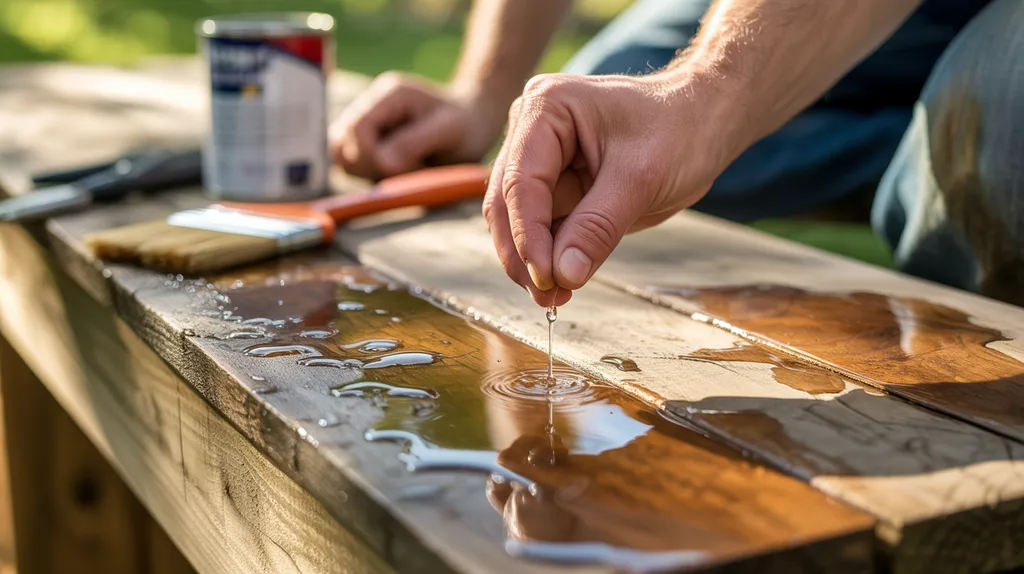
Before you paint, you need to know the wood is actually ready, and these simple checks will tell you exactly that.
The Water Drop Test
This is the simplest and most reliable test you can do. Sprinkle a few drops of water on the wood surface.
If the water soaks in quickly, the wood is ready. If the water beads up and sits on top, the wood is still holding moisture and needs more time.
This test takes ten seconds and saves you hours of rework. Do it on several spots across the board to get a full picture.
Other Signs the Wood Has Dried
Beyond the water test, look at the wood itself. Dry treated wood looks lighter in color compared to when it was first installed.
The surface should feel dry to the touch, with no damp or cool spots. The boards will also feel slightly lighter than they did fresh from the store.
These signs together, lighter color, dry surface, and reduced weight, tell you the wood has shed enough moisture to hold paint.
What Happens If You Paint Treated Wood Too Soon?
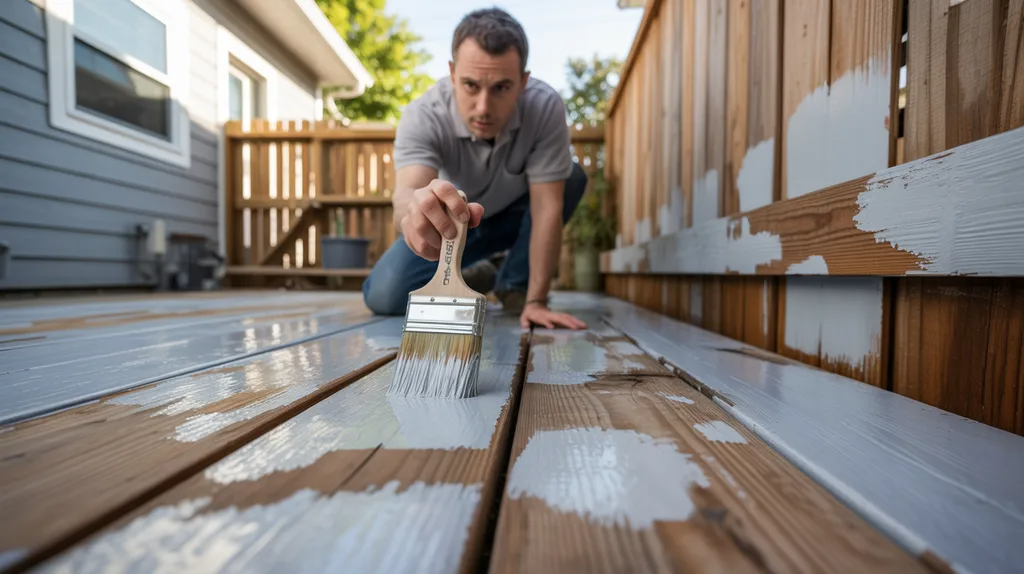
Painting before the wood is ready causes a chain of problems. The paint starts peeling within weeks.
Blistering and bubbling appear as trapped moisture tries to escape. The finish flakes off in patches, leaving the wood exposed.
Moisture gets locked between the paint layer and the wood surface, which speeds up rot and decay, the very things the treatment was supposed to prevent.
You end up spending more time and money fixing a bad paint job than if you had just waited in the first place.
Preparing Treated Wood for Painting
A little prep work upfront makes the paint last far longer.
Clean the Surface Thoroughly
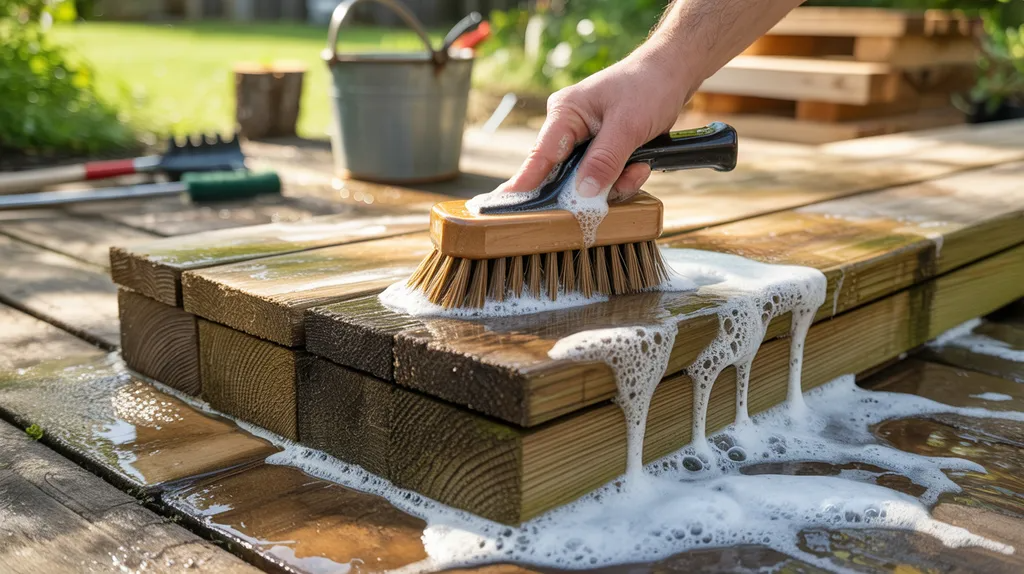
Before anything else, remove all dirt, mildew, and debris from the surface. A clean surface is non-negotiable.
Use a stiff brush or a wood cleaner to scrub away grime. Mildew in particular will stop paint from sticking properly.
Rinse the surface well and give it time to fully dry before moving to the next step.
Allow the Wood to Dry Completely
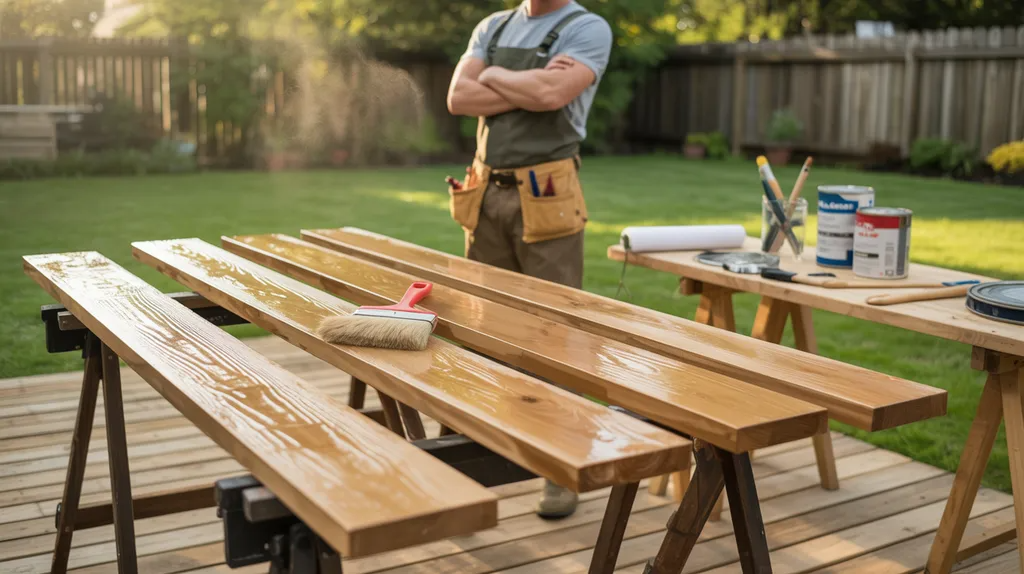
After cleaning, the wood needs to dry again, fully. Getting the surface wet during cleaning adds moisture back in, so do not rush past this step.
Wait until the wood passes the water drop test before moving forward.
Skipping this drying period after cleaning is one of the most overlooked mistakes in wood prep.
Apply a Quality Exterior Primer
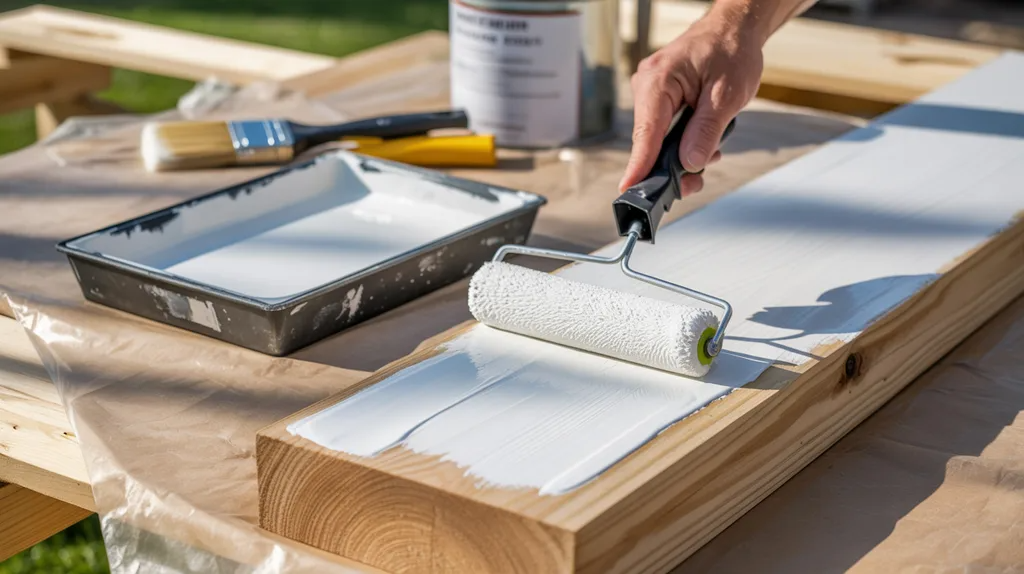
Primer is not optional on treated wood. It seals the surface, blocks tannins from bleeding through, and gives the paint a solid base to grip.
Use a primer made for exterior use and for treated or pressure-treated wood specifically. Apply it evenly and let it cure fully before adding your topcoat.
A good primer is what separates a paint job that lasts years from one that starts failing in months.
Best Paint for Treated Wood
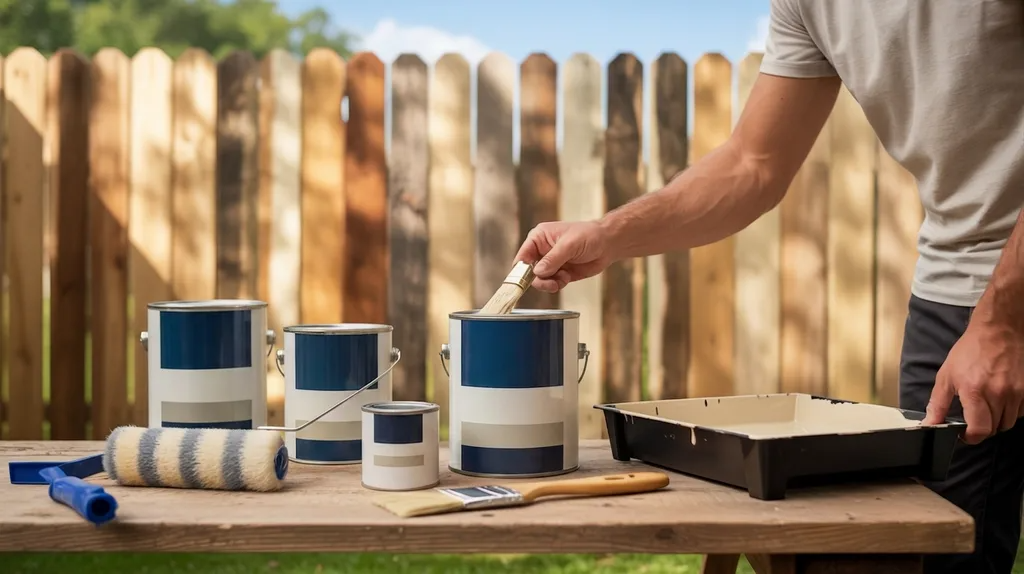
Exterior latex paint is the go-to choice for treated wood, and for good reason. It is flexible, which means it can expand and contract with the wood as temperatures change without cracking.
Look for a paint labeled for exterior use with mold and mildew resistance built in.A thicker formula with good coverage will hold up better against rain and sun.
If you live somewhere with harsh winters or intense heat, pick a paint rated for those conditions.
Spending a little more on quality paint upfront saves you from repainting much sooner than expected.
Conclusion
Painting treated wood is not complicated, it just takes patience. I learned this the hard way after rushing a deck project and watching the paint peel by summer's end.
Wait for the wood to dry, run the water drop test, and use the right primer and paint.
That's really all it takes to get a finish that holds up. If this guide helped you, drop a comment below and share what project you're working on.
I'd love to hear how it turns out!
Frequently Asked Questions
Can you paint treated wood the same day it is installed?
No, freshly treated wood holds too much moisture for paint to bond properly.
How do I know if treated wood is dry enough to paint?
Do the water drop test:if water soaks in, the wood is ready to paint.
What type of paint works best on treated wood?
Exterior latex paint with mildew resistance is the most reliable option for treated wood.
Do I need primer before painting treated wood?
Yes, primer seals the surface and helps the paint stick and last longer.
Can I use oil-based paint on treated wood?
You can, but exterior latex paint is generally a better fit for treated wood's expanding and contracting nature.