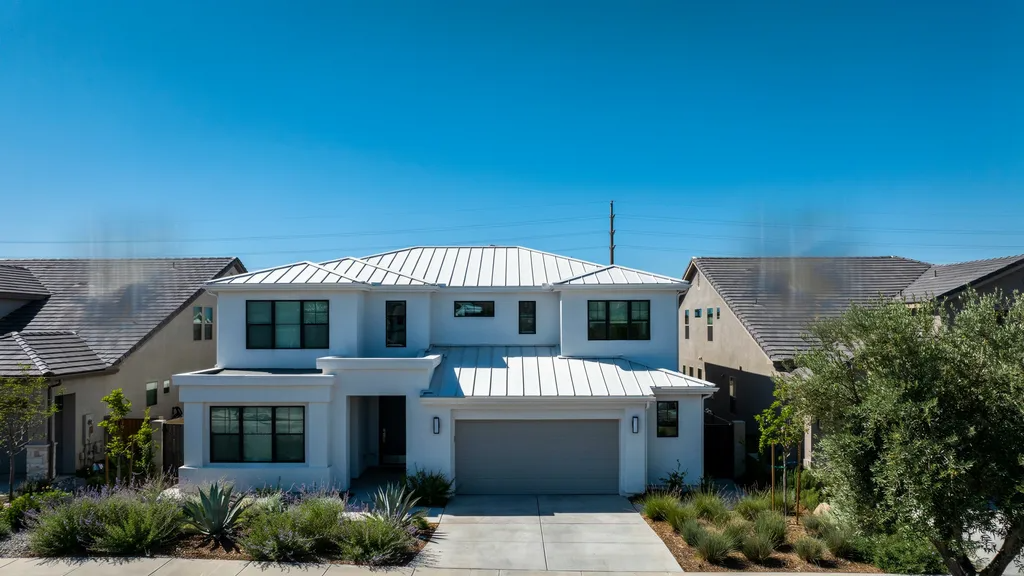
I've spent a lot of time researching this. The right roof color for a hot climate makes a bigger difference than most people think.
It affects how much heat enters your home, how hard your AC runs, and what you pay on energy bills each month.
In this blog, I'll cover the best roof color for hot climate conditions, which colors to avoid, what materials matter, and what else affects heat.
I've worked through roofing decisions with homeowners for years. This guide gives you a clear, honest answer you can actually use.
Why Roof Color Matters in a Hot Climate
Your roof takes the most sun damage before anything else in your home does.
Your roof is the first thing the sun hits. In a hot climate, that means it absorbs the most heat before any other part of your home.
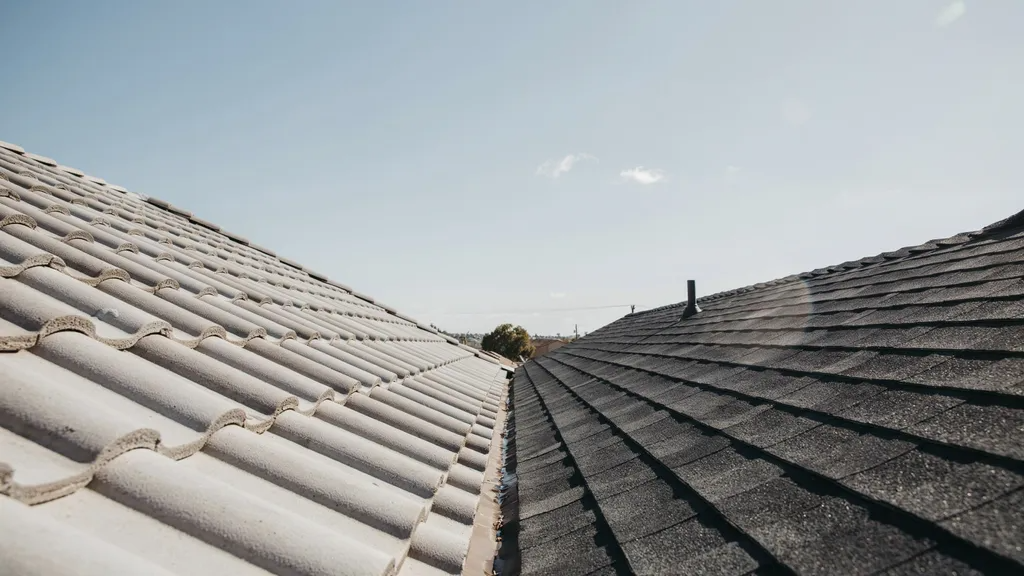
A dark roof pulls in more solar energy. That energy turns into heat, moves into your attic, and then into your living spaces. A lighter roof sends more of that energy back into the sky.
The difference is real. Studies show that a white roof reflects up to 80% of sunlight. A black roof reflects only about 5%. That gap shows up directly in your cooling costs.
If you live somewhere hot and sunny, roof color is one of the simplest ways to manage indoor temperature without a major renovation.
Understanding Heat Absorption and Reflection in Roofing
Two numbers tell you everything you need to know before buying a roof.
Two terms matter here: solar reflectance and thermal emittance.
Solar reflectance measures how much sunlight a roof bounces back instead of absorbing. A higher score means less heat enters your home.
Thermal emittance measures how well a roof releases the heat it does absorb. A roof that absorbs some heat but releases it quickly still performs better than one that holds onto it all day.
Light-colored roofs score high on both. Dark-colored roofs score low on both.
The EPA's ENERGY STAR program certifies roofing products that meet minimum thresholds for both ratings. That label is a useful shortcut when you're comparing products.
How Different Roof Colors Affect Heat Absorption
Not all light colors perform the same, and not all dark ones are equally bad.
1.White Roofs: The Highest Heat Reflection
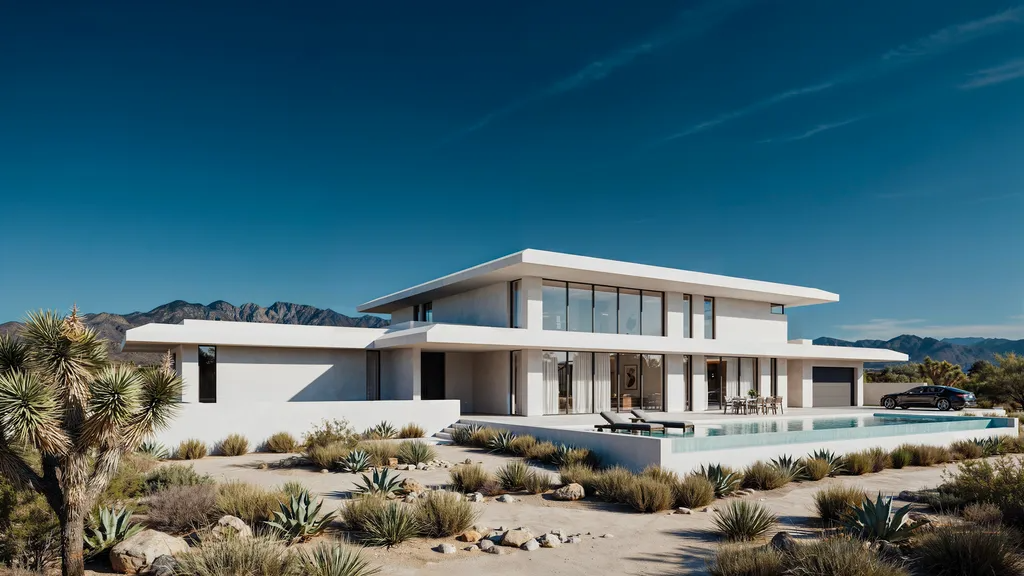
White roofs reflect the most sunlight of any color. They stay much closer to outside air temperature rather than climbing far above it.
In very hot climates, this can reduce cooling energy use by 10 to 40%.
The tradeoff is appearance. White roofs are practical, not always popular. But in desert regions or coastal areas with intense sun, the energy savings are hard to argue with.
2.Beige and Light Tan Roofs: A Practical Alternative
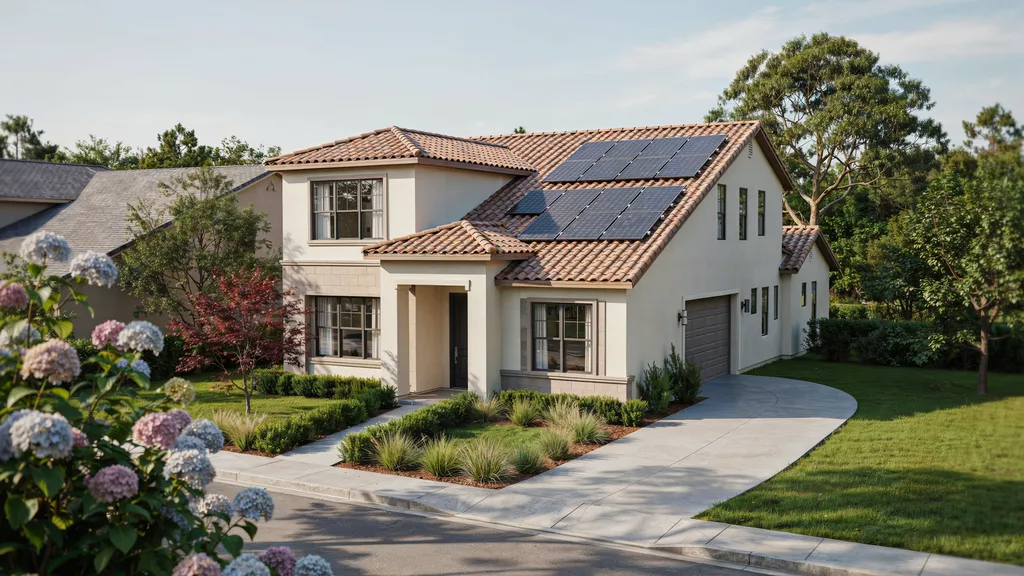
Beige and light tan reflect a solid amount of sunlight without hitting the same numbers as white. They come close enough to make a real difference, though.
These shades also blend better with most home exteriors, so you get strong thermal performance without giving up on curb appeal.
3.Light Gray Roofs: Balancing Style and Efficiency
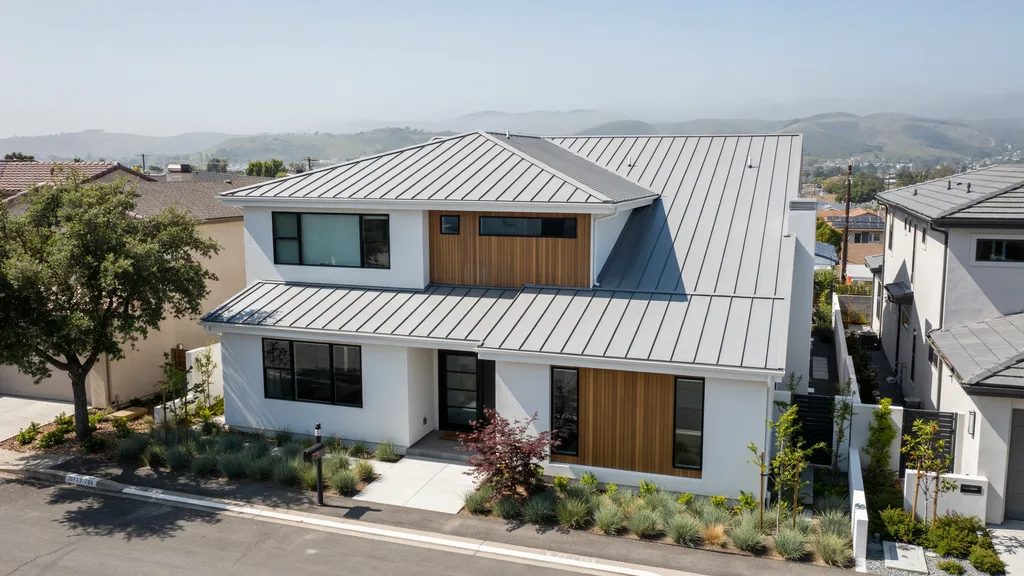
Light gray is one of the most common choices in warm climates. It reflects more heat than darker grays and works well with a wide range of siding colors and home styles.
It's a solid middle-ground option that performs well in moderate to hot climates.
4.Pale Blue and Soft Green Roofs: Cooler Color Options
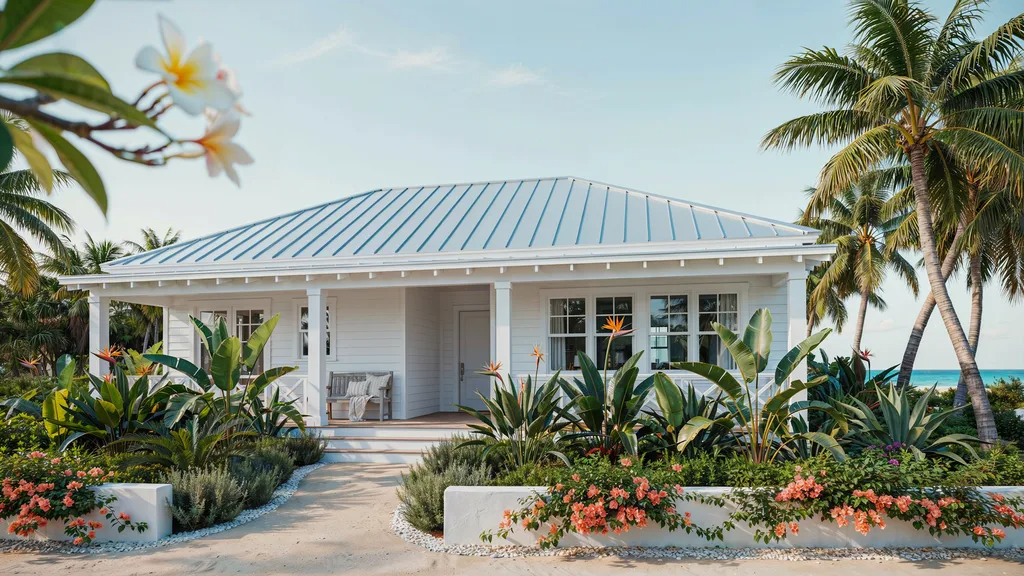
These fall in the cool-tone range. They reflect a decent amount of heat and are sometimes used in coastal or tropical climates where the surrounding environment also plays into color choices.
Less common, but a good fit depending on your home's look and your local climate.
5.Terracotta Roofs: Natural Performance in Warm Regions
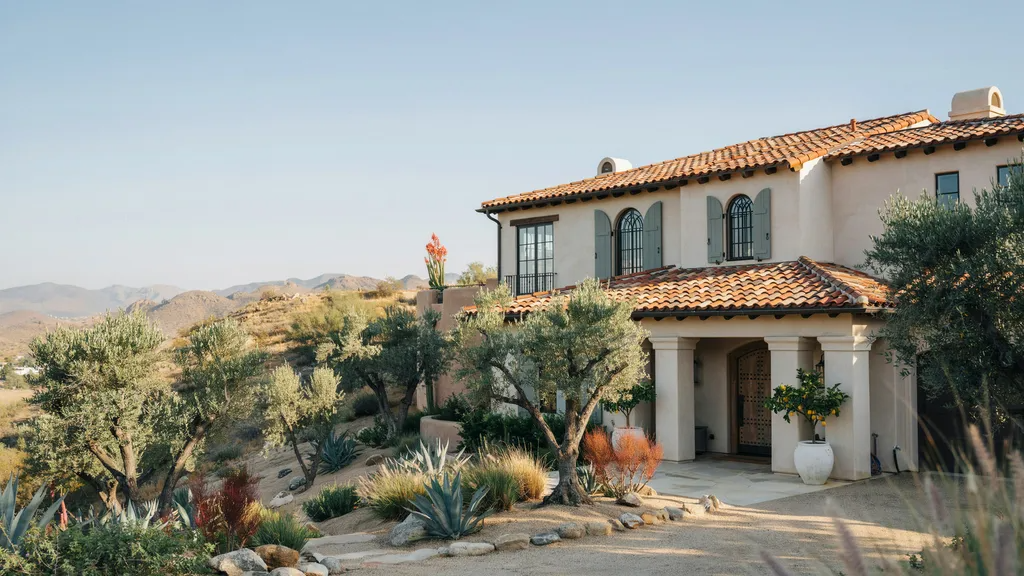
Terracotta is traditionally used in Mediterranean and desert climates. The clay material has good thermal mass, and lighter terracotta shades outperform darker ones by a fair margin.
In regions like the American Southwest, terracotta tiles have been a practical, climate-appropriate roofing choice for a long time.
6.Dark Gray, Brown, and Black Roofs: Maximum Heat Absorption
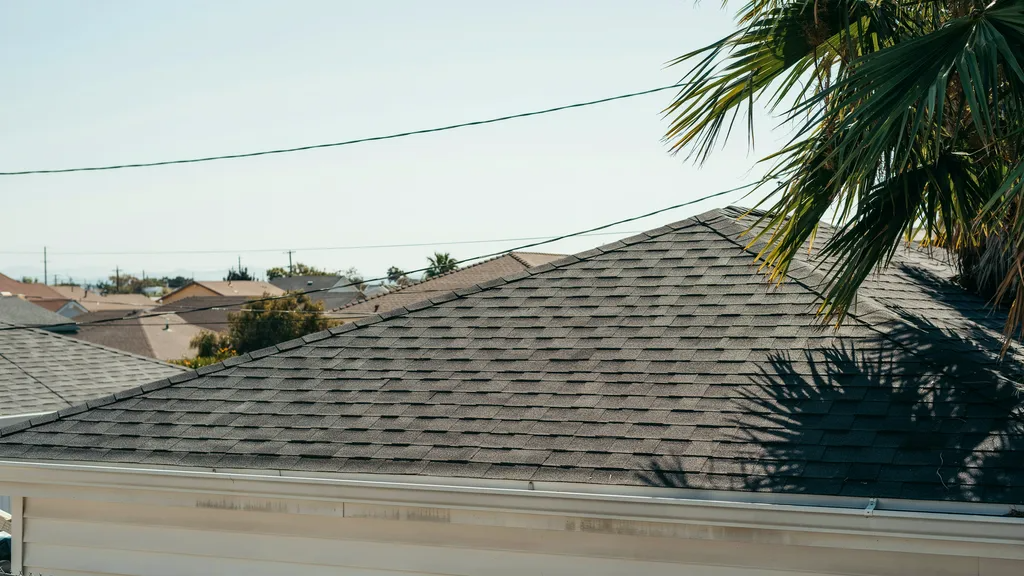
These are the worst performers in hot climates. They absorb the most solar energy and push the most heat into your home.
If you have a dark roof and live in a hot area, you'll feel it in your attic temperature and see it on your electricity bill.
Best Roof Colors for Hot Climate Conditions
These are the colors I'd actually recommend if you live somewhere consistently hot and sunny.
- White: The top performer. Reflects the most heat and works best in consistently sunny, hot regions.
- Light Beige: A close second. Reflects well and blends with most home styles without looking too stark.
- Light Tan: Similar to beige in performance, with a warmer tone that suits earth-toned homes well.
- Light Gray: A reliable option that balances heat performance with broad visual compatibility.
- Soft Cool-Toned Colors: Pale blues and soft greens offer better performance than darker tones and work well in the right climate and setting.
- Light Terracotta:In southwestern or Mediterranean climates, light terracotta performs well due to both color and material properties.
Choosing the Best Roof Color for Your Home
Here's how to make the final call based on your specific situation.
Start with your climate. If you're in a hot, sunny region, lighter is better. That's the clearest rule.
From there, factor in your home's exterior colors, any HOA restrictions, and your material options. You don't have to go pure white if that doesn't work for your home.
Light beige, light tan, and light gray all perform well enough to make a real difference.
If you're replacing your roof soon, ask your contractor about ENERGY STAR-rated shingles or tiles.
Ask specifically about solar reflectance index (SRI) ratings. The higher the number, the better the heat performance.
If you're not replacing the roof yet, a reflective coating is a practical step in the meantime.
Roof Colors to Avoid in Hot Climates
Some colors look great from the street but cost you every single month on energy bills.
- Black roofs absorb nearly all solar radiation and dramatically raise attic temperatures.
- Dark brown roofs perform almost as poorly as black and are a common choice homeowners later regret.
- Dark gray roofs look neutral but absorb far more heat than lighter gray options.
- Deep red or dark terracotta shades lose the thermal advantages that lighter versions offer.
- Dark green roofs absorb more heat than most people expect, since the tone matters more than the color name.
Conclusion
Roof color is one of the easiest things to get right when building or replacing a roof in a hot climate.
Light colors reflect heat. Dark colors hold onto it. That difference shows up in your home's temperature and your monthly bills.
White, light beige, light tan, and light gray are your best options. Pair the right color with a reflective material and solid attic insulation, and you can cut cooling costs in a meaningful way.
I've seen homeowners overlook this and pay for it over years of high energy bills. It's a decision worth taking seriously.
What roof color is on your home right now, and has it been working for your climate?
Frequently Asked Questions
Does roof color really lower energy bills in a hot climate?
Yes. A light-colored roof reflects more sunlight, which keeps your attic cooler and reduces how hard your AC runs. Savings can range from 10 to 40% on cooling costs depending on your location.
What is the coolest roof color for summer heat?
White has the highest solar reflectance of any roof color. It keeps surface temperatures lower than any other shade, which directly reduces heat transfer into your home.
Can I change my roof color without replacing the whole roof?
Yes. Reflective coatings can be applied over your existing material to increase heat reflection. They won't match a brand-new light-colored roof, but they offer real performance gains.
Is terracotta a good choice for hot climates?
Light terracotta works well in dry, sunny climates like the American Southwest. Darker terracotta shades absorb more heat and perform noticeably worse.
Do cool roof coatings work on asphalt shingles?
Yes. Elastomeric and acrylic coatings can be applied to asphalt shingles and can lower surface temperatures significantly. Look for products with an ENERGY STAR rating for best results.