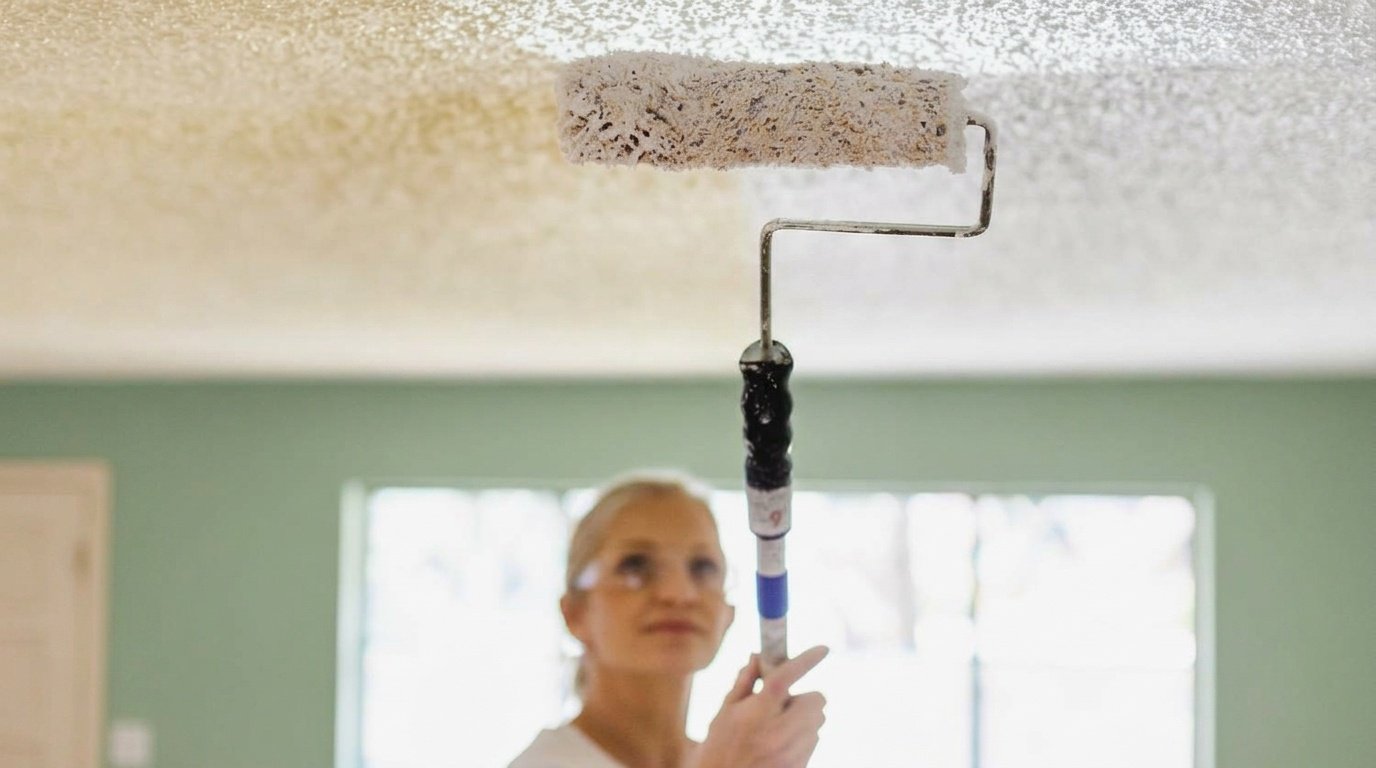
Picking a ceiling texture can feel confusing when there are so many options to choose from.
This guide breaks down 17 common ceiling texture types, with what they look like, what they cost, and where they work best.
You will also find a comparison chart, tips on choosing the right texture for your home, and simple cleaning advice for popular finishes.
I have spent time researching and comparing these textures firsthand, so this guide is built on real, practical knowledge, not guesswork.
Whether renovating an old popcorn ceiling or planning a new build, this article will help you figure out exactly what fits your space, your style, and your budget.
What Are Ceiling Texture Types?
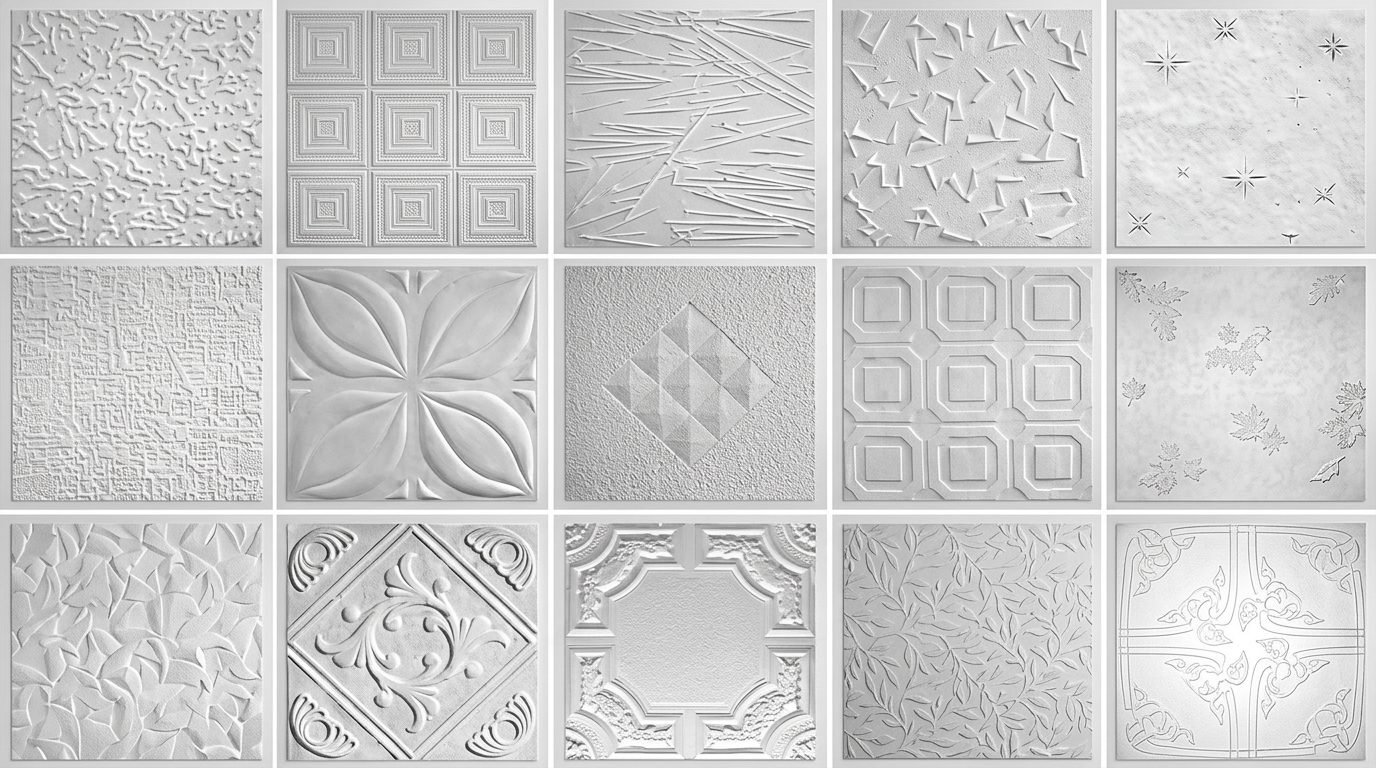
Ceiling texture types refer to the different patterns and finishes you can apply to a ceiling surface.
Each type is created using a specific technique, tool, or material, which gives the ceiling its own look and feel.
Some textures are rough and bumpy. Others are smooth or have a light, sandy finish. The type you choose affects how light bounces off the ceiling and how the room feels overall.
Texture is usually added using joint compound, drywall mud, or a spray-on mixture. The method used and the way it's applied determine the final pattern.
Common types include popcorn, knockdown, orange peel, swirl, and skip trowel.
Each one has a different process behind it, from spraying to hand troweling, and each gives a distinct result.
Choosing a ceiling texture often comes down to personal taste, the age of the home, and how much maintenance you're willing to do.
Some textures hide flaws well. Others show wear faster and need more care over time.
17 Ceiling Texture Types With Pictures and Names
Most people focus on walls and floors when updating a home, but ceiling texture matters too. It changes how a room feels and how easy the ceiling is to clean.
Here's a quick look at 17 common types.
1. Comb Texture
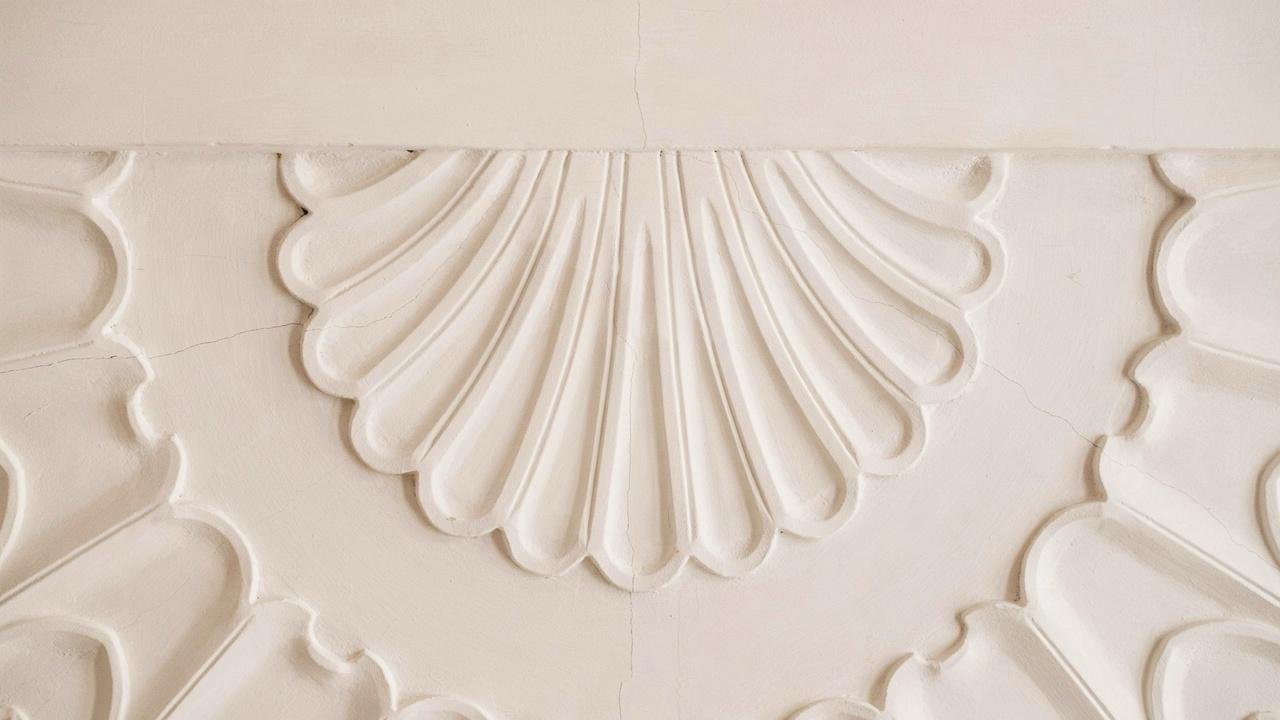
Made by dragging a notched trowel or comb through wet plaster, leaving ridges in a fan or wave pattern. Common in mid 1900s homes, it gives a retro feel. Uneven lines happen if you rush it.
2. Knockdown Texture
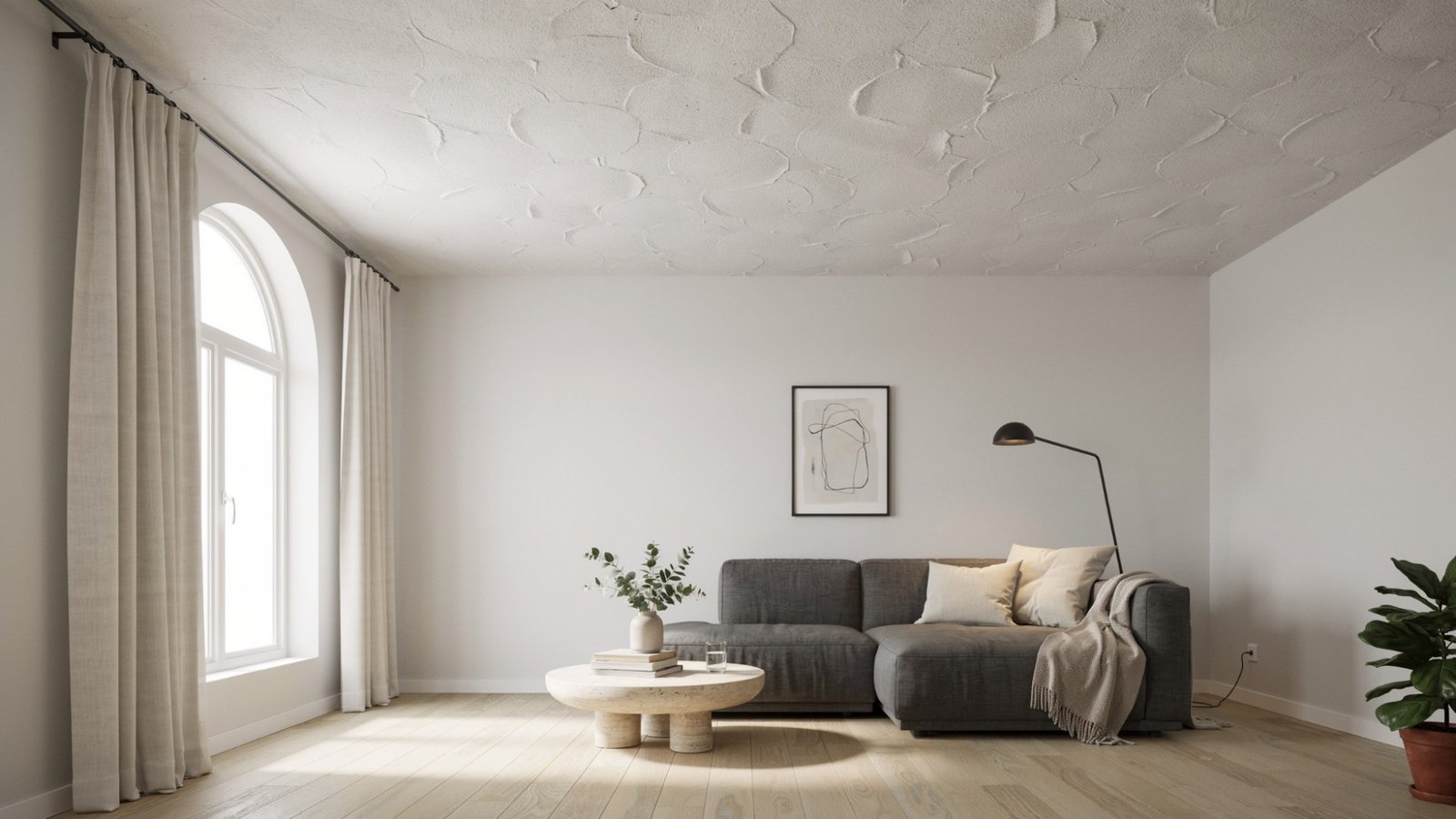
Starts like popcorn texture but gets flattened with a trowel before drying, leaving a mottled, soft edged surface. It hides drywall flaws well and looks more updated than popcorn. Works in nearly any room.
3. Orange Peel Texture
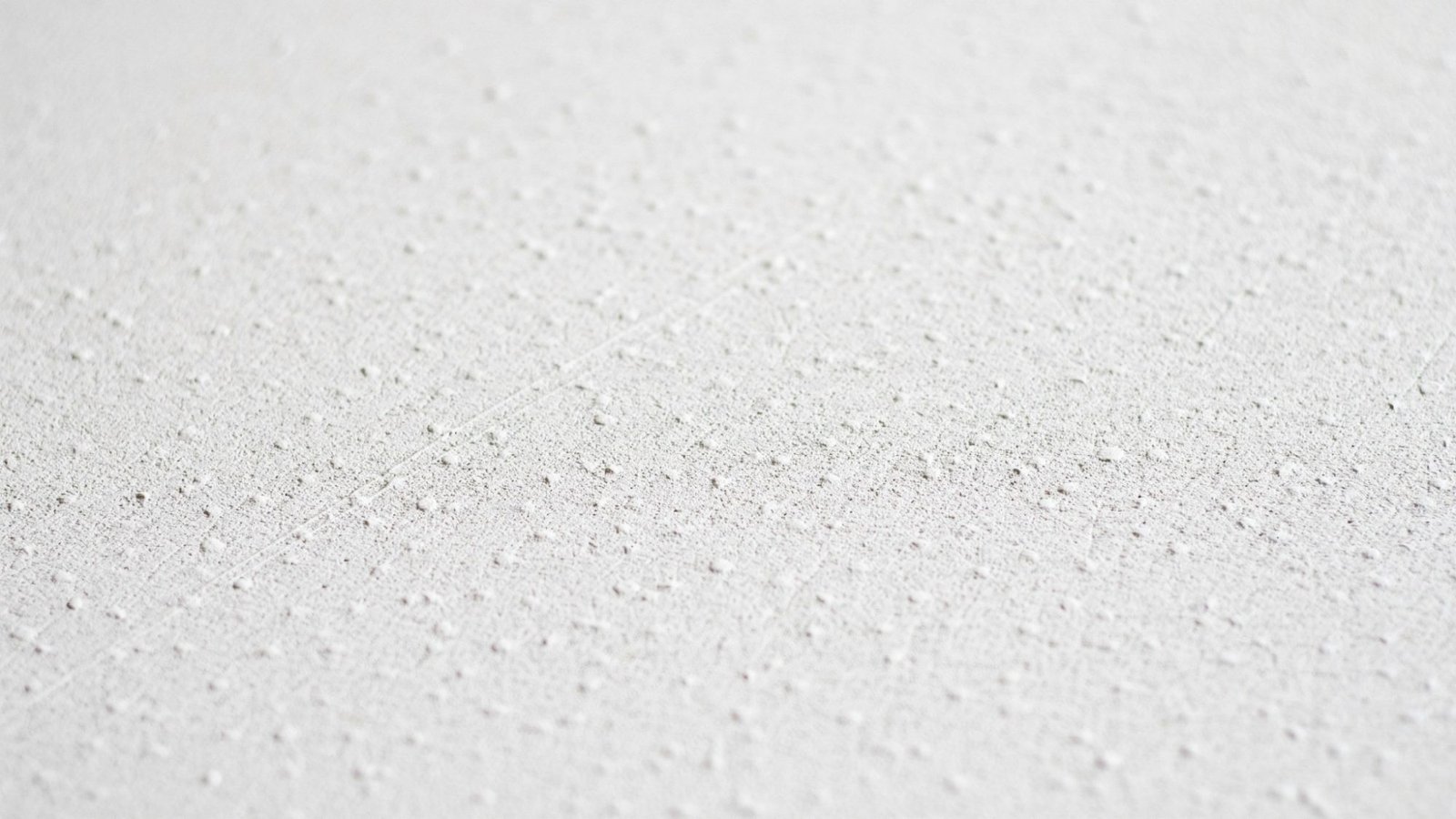
Named for its resemblance to orange skin, this light texture is sprayed on in a fine pattern. It's subtle and easy to apply with the right equipment, making it a popular low key choice.
4. Spray Sand Texture
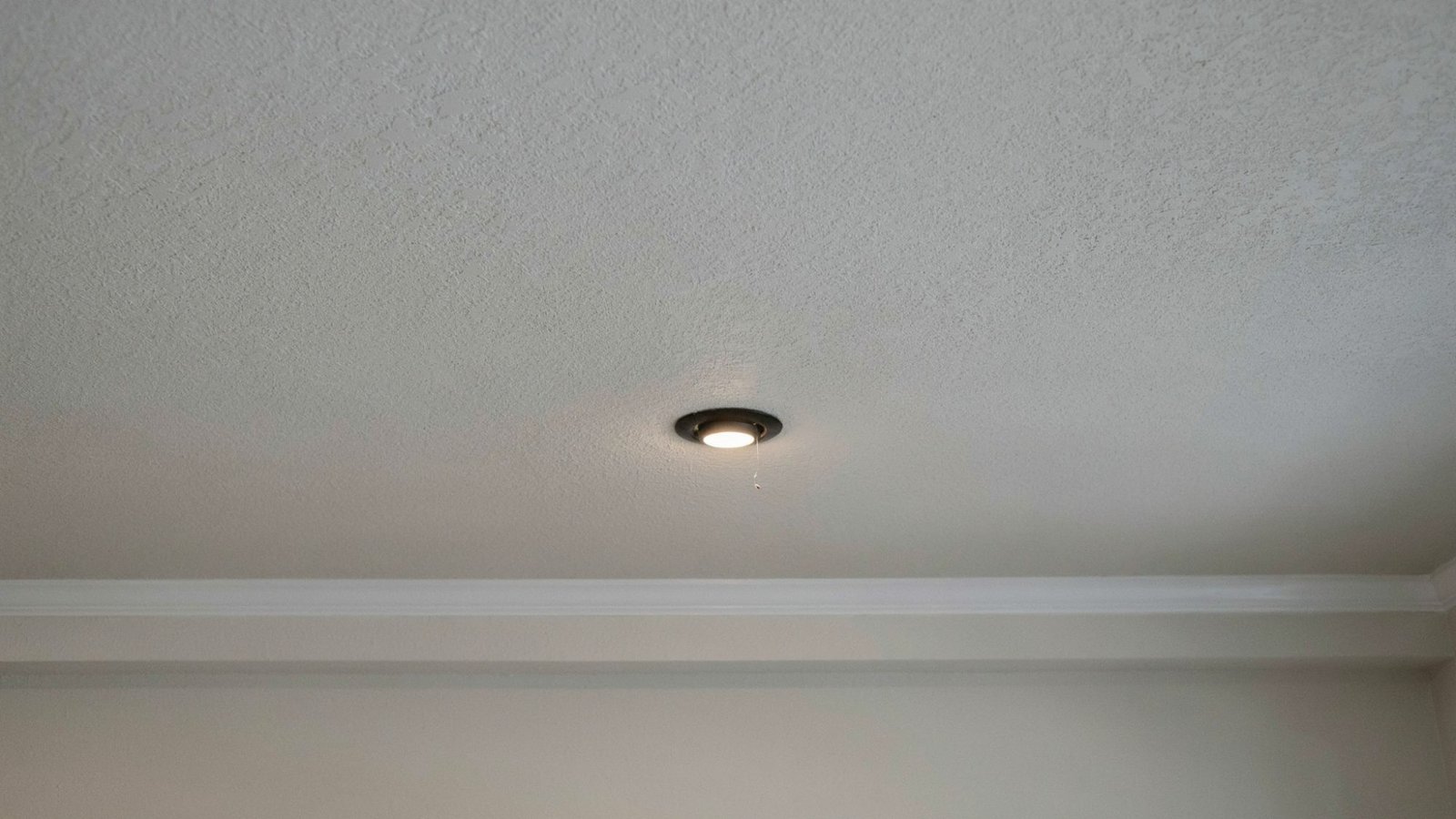
A fine, grainy finish made by mixing sand into the compound before spraying. It stays subtle and works well in bedrooms or hallways where a calmer ceiling fits better.
5. Sand Swirl Texture
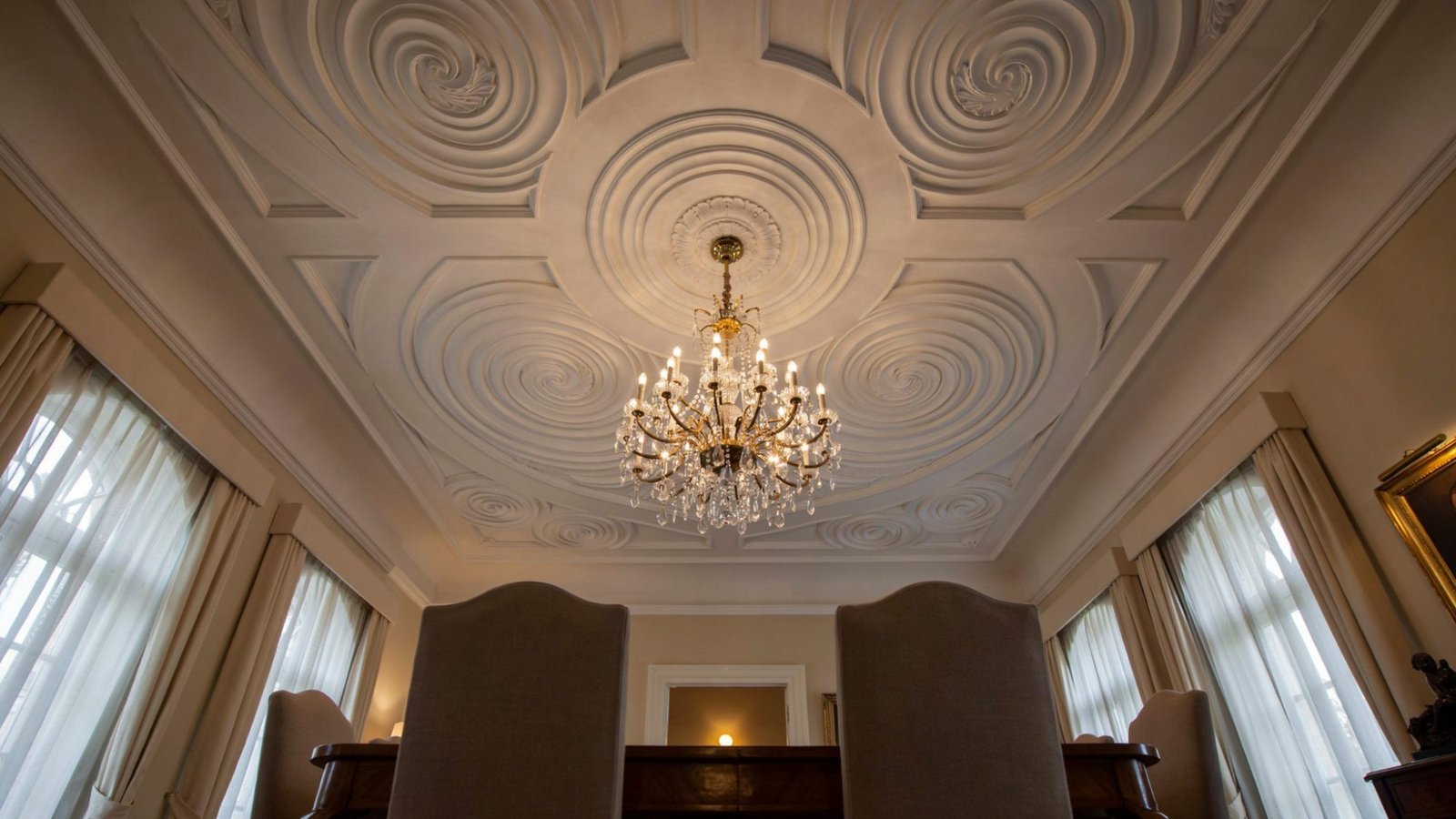
Combines a sandy base with hand applied swirls using a brush or trowel. It takes more skill than basic spray textures and adds visual interest to dining rooms and living rooms.
6. Skip Trowel Texture
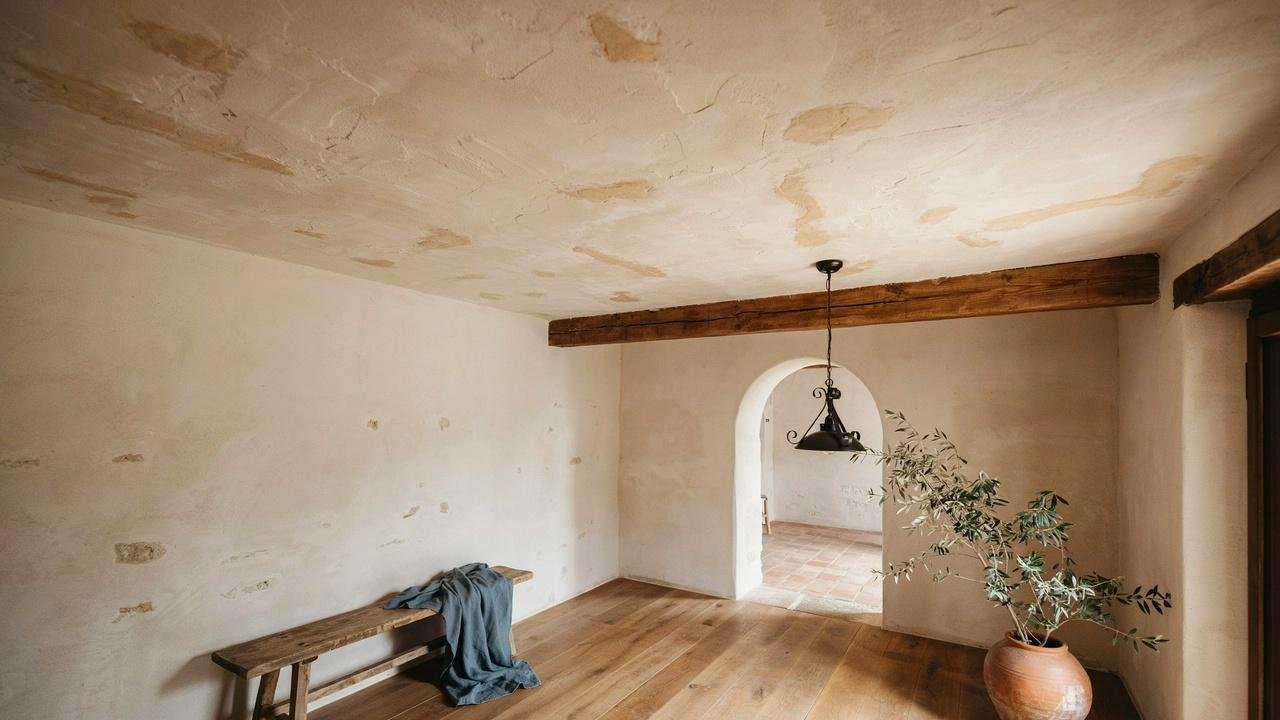
A hand applied texture with uneven thickness for a soft, varied look. It suits Mediterranean, Spanish, or rustic styles and pairs well with exposed beams or stucco.
7. Slap Brush Texture
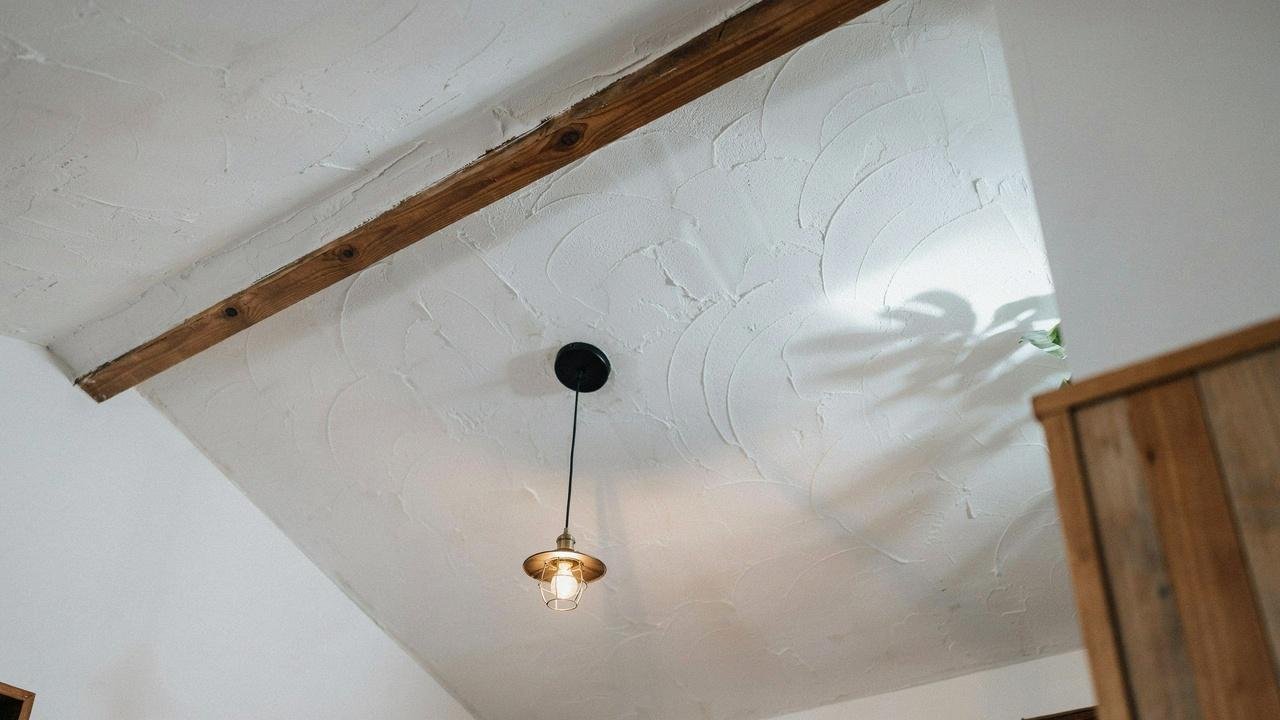
Created by slapping a stiff brush against wet compound, sometimes flattened afterward. Common in the southwestern US, it adds a rustic feel that pairs with stucco and earthy tones.
8. Popcorn Texture
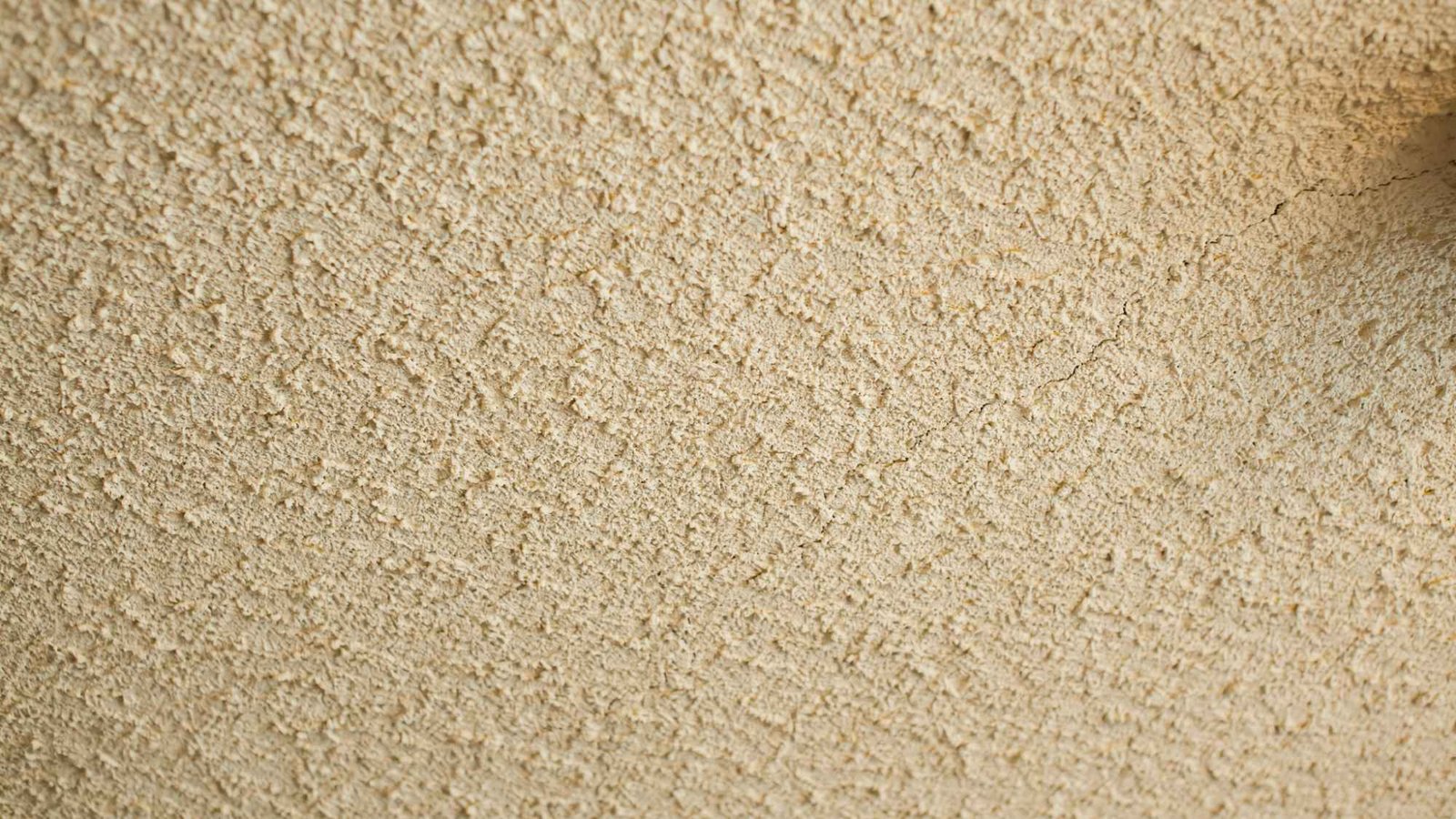
Popular from the 1950s through the 1980s, this bumpy texture was cheap and hid flaws while muffling sound. It now looks dated, and older versions may contain asbestos, so removal takes care.
9. Stipple Brush Texture
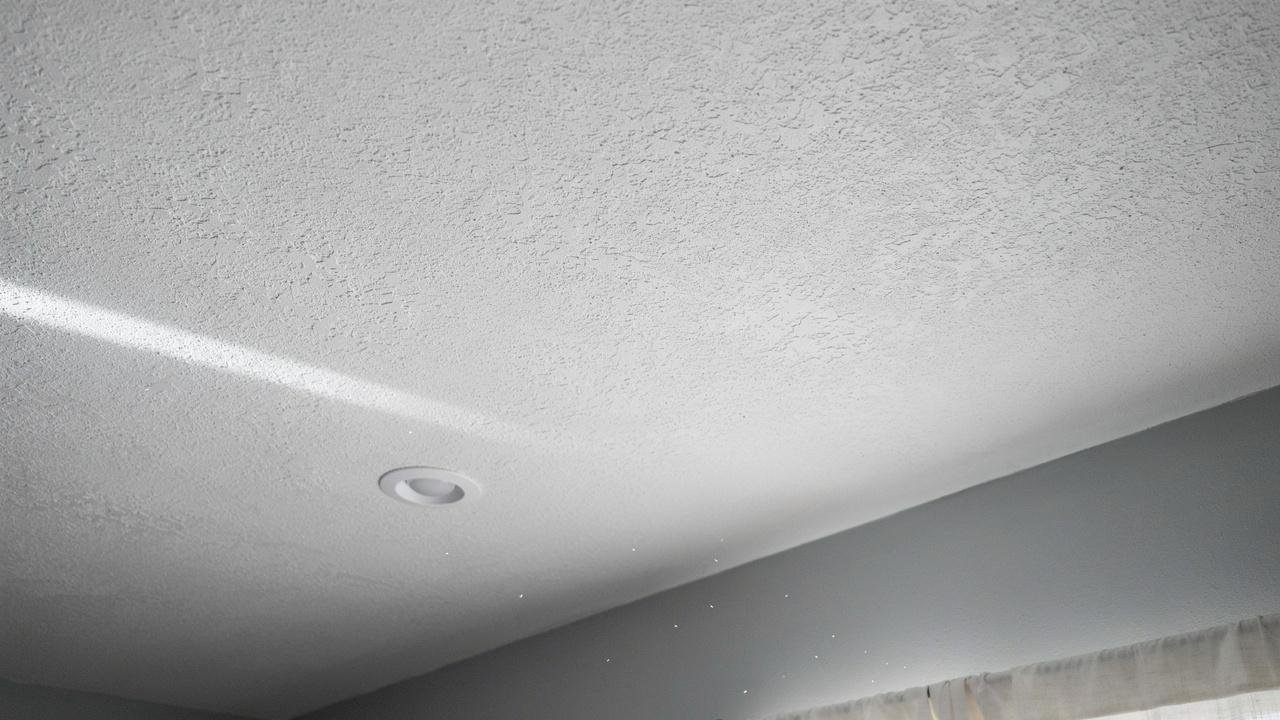
Made by pressing a brush, sponge, or roller into a wet compound for small bumps and dimples. It hides minor flaws and is simple enough for DIYers to try.
10. Lace Texture
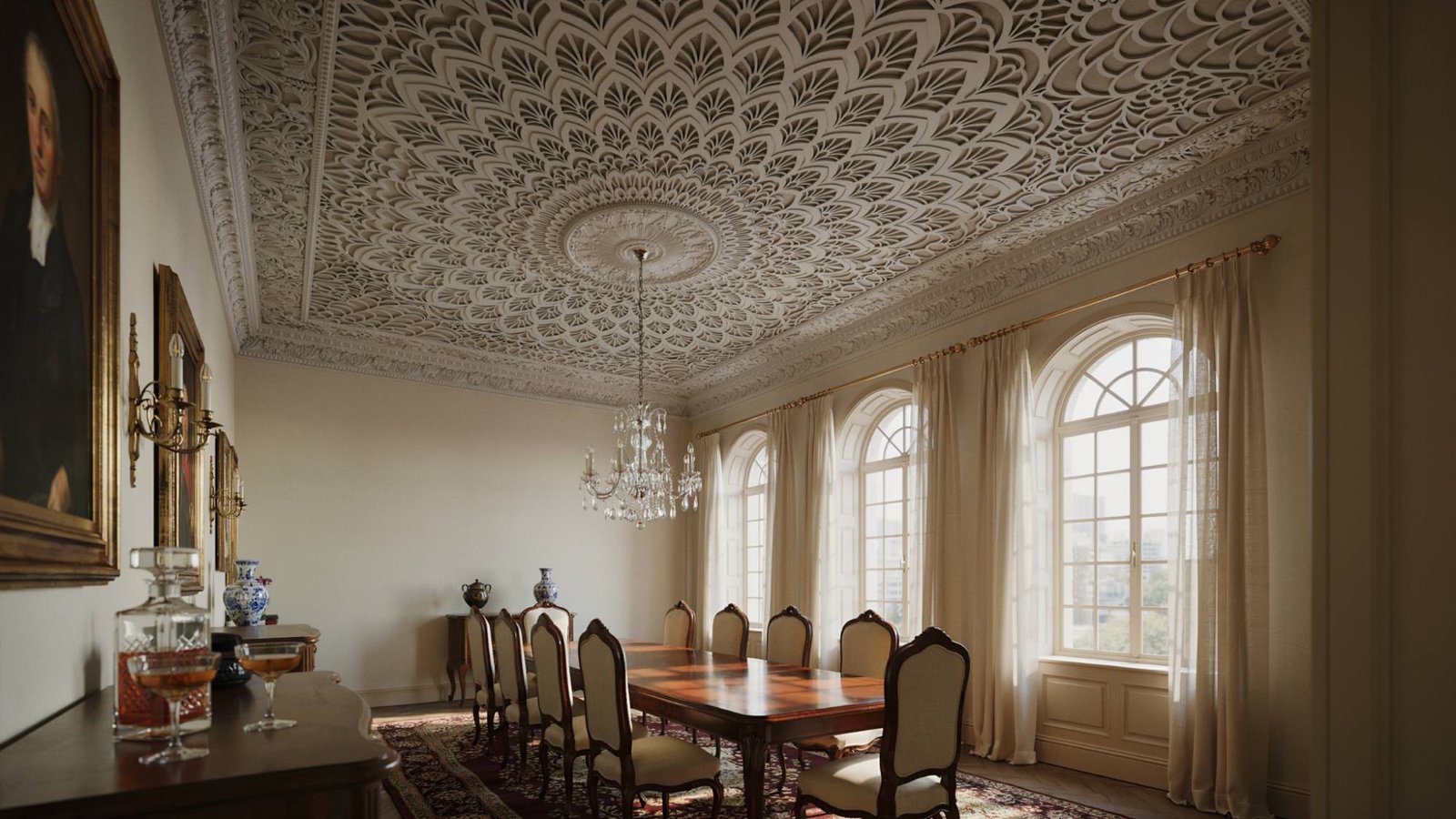
A fine, delicate, sprayed on pattern lighter than popcorn or knockdown. It suits formal rooms like dining and living areas where a soft texture is preferred.
11. Crow's Foot Texture
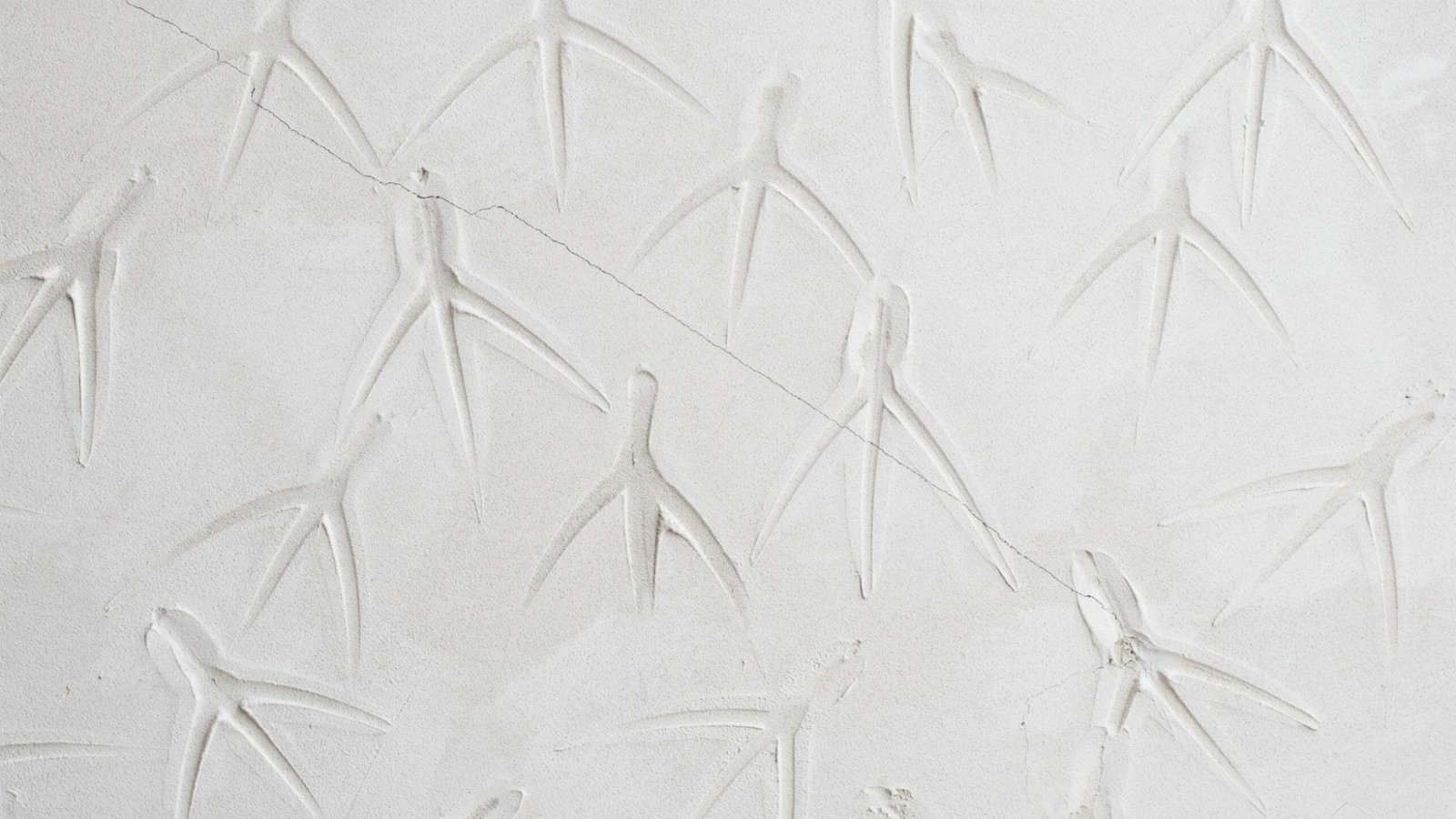
Named for its branching marks resembling bird tracks, made with a stamped or dragged stiff brush. It has an old fashioned look and mostly appears in older homes needing repair matches.
12. Rosebud Texture
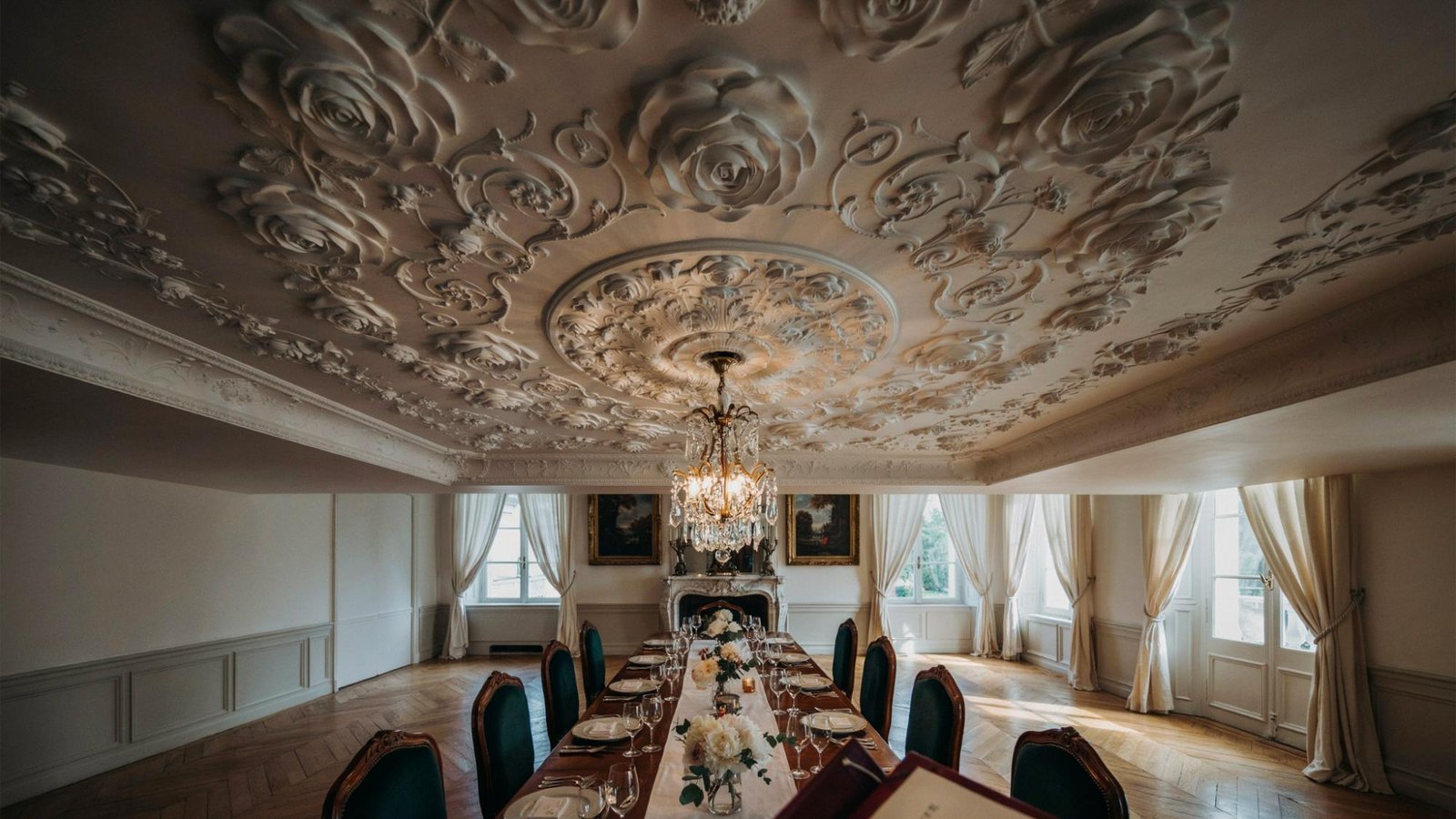
A layered, floral looking texture with small clusters resembling rose buds. It requires skill to apply evenly and suits formal dining rooms.
13. Tree Bark Texture
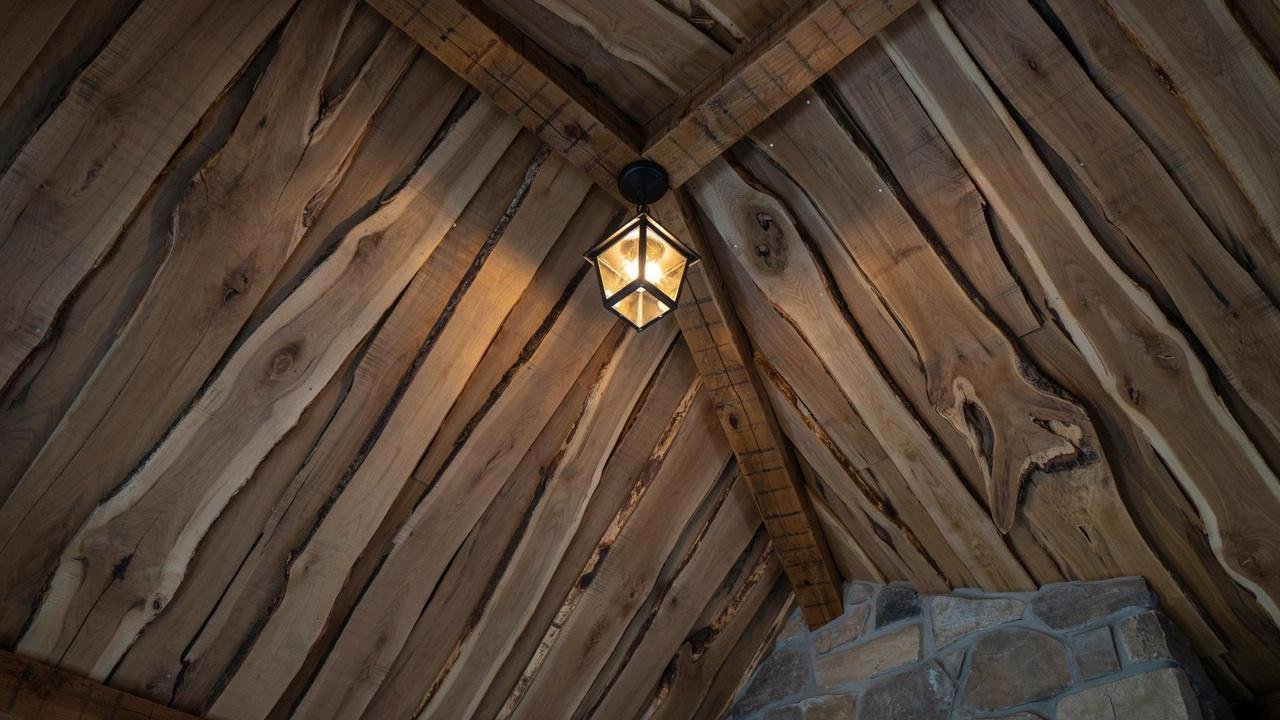
Rough, vertical grooves resembling bark, made with a special tool while the compound is wet. It fits cabin style homes but is less common due to the labor involved.
14. Sheetrock Texture
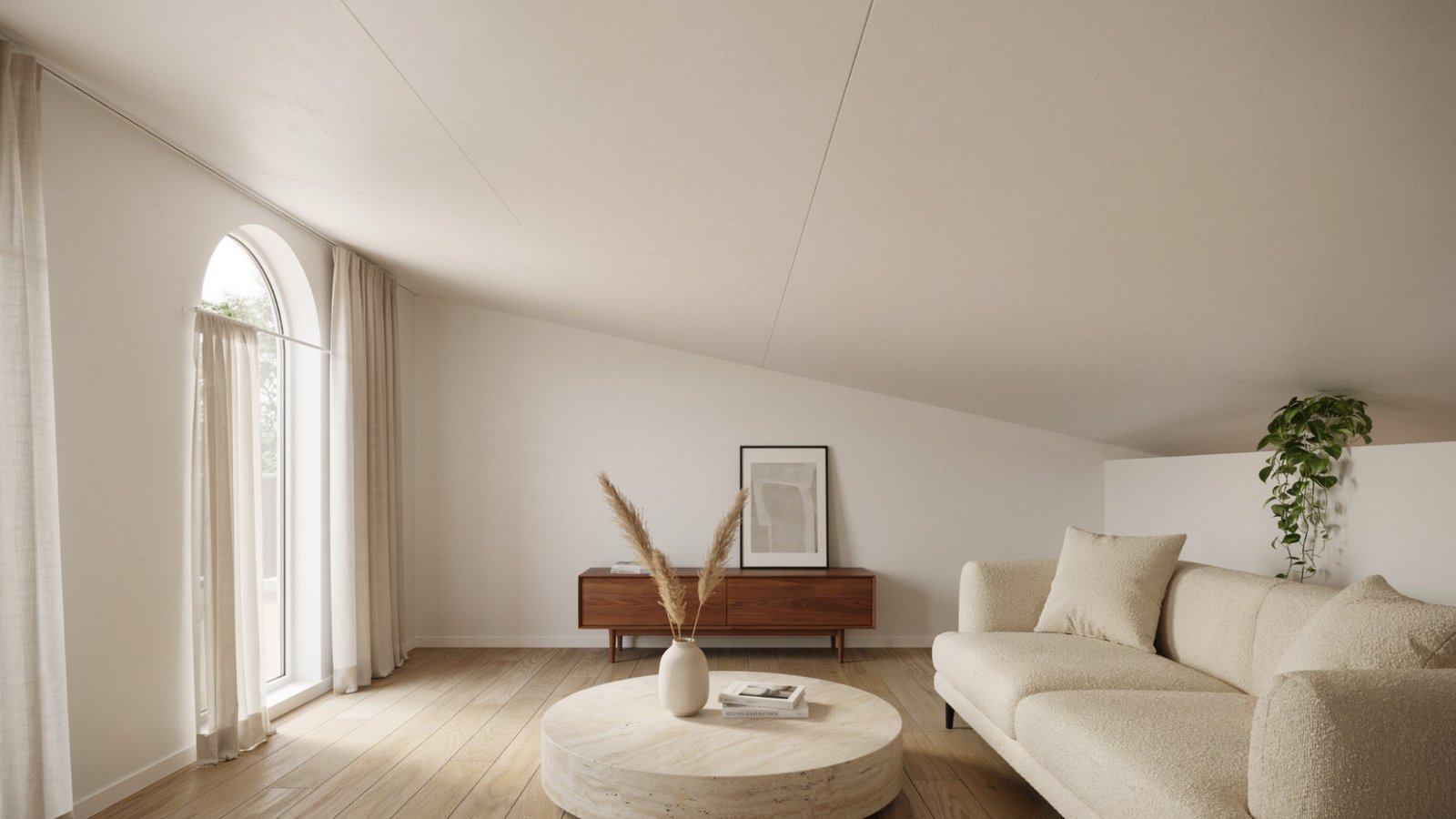
A smooth or lightly textured finish applied straight over drywall with a thin skim coat. It suits modern homes and is easier to repaint and maintain.
15. Shoelace Texture
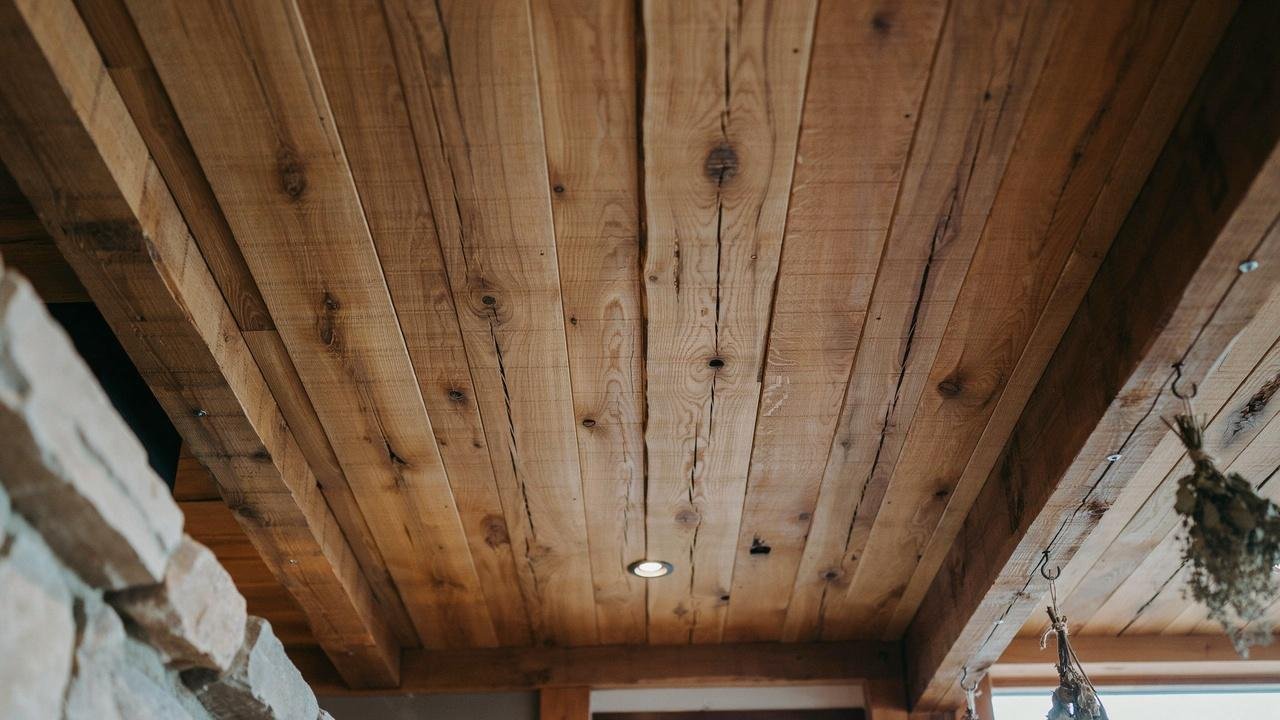
Thin, looping lines resembling laces or rope, made with a specialized tool. It has a busy pattern that suits larger rooms better than small ones.
16. Floral Texture
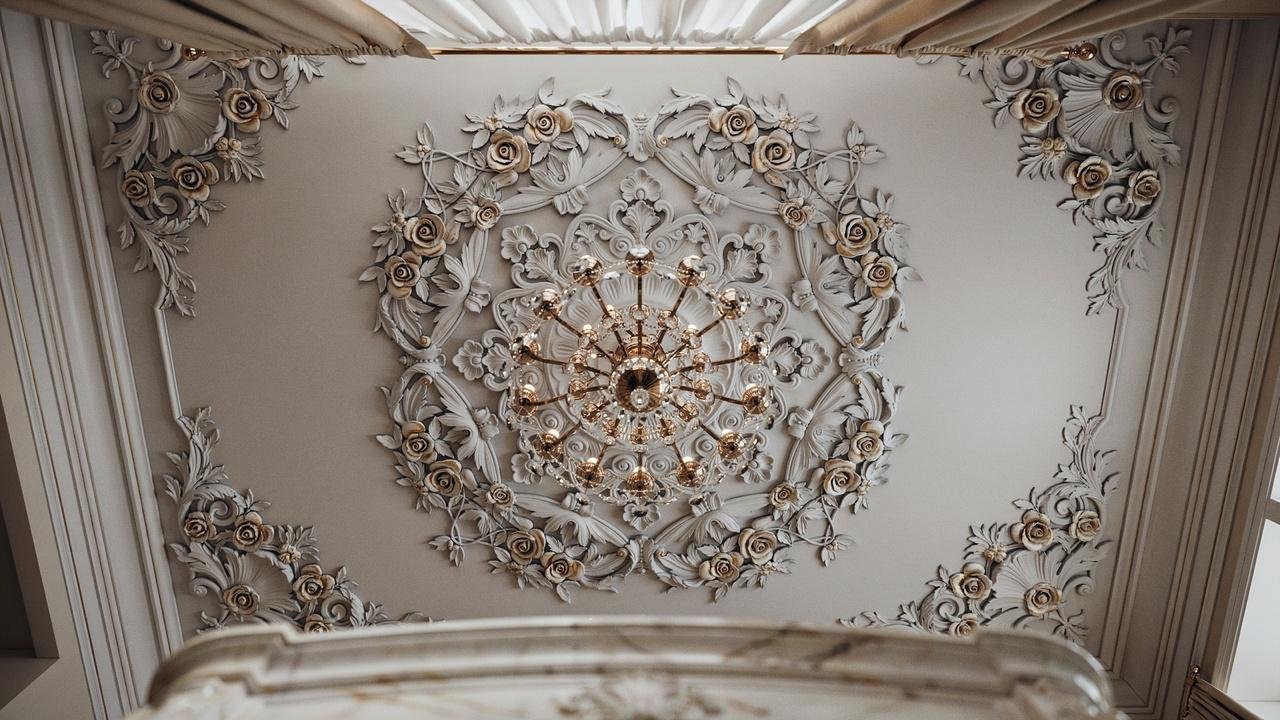
Raised or stamped patterns resembling flowers, applied with specialty tools. It's time consuming to apply and mostly shows up in older, ornate homes.
17. Smooth Ceiling Finish
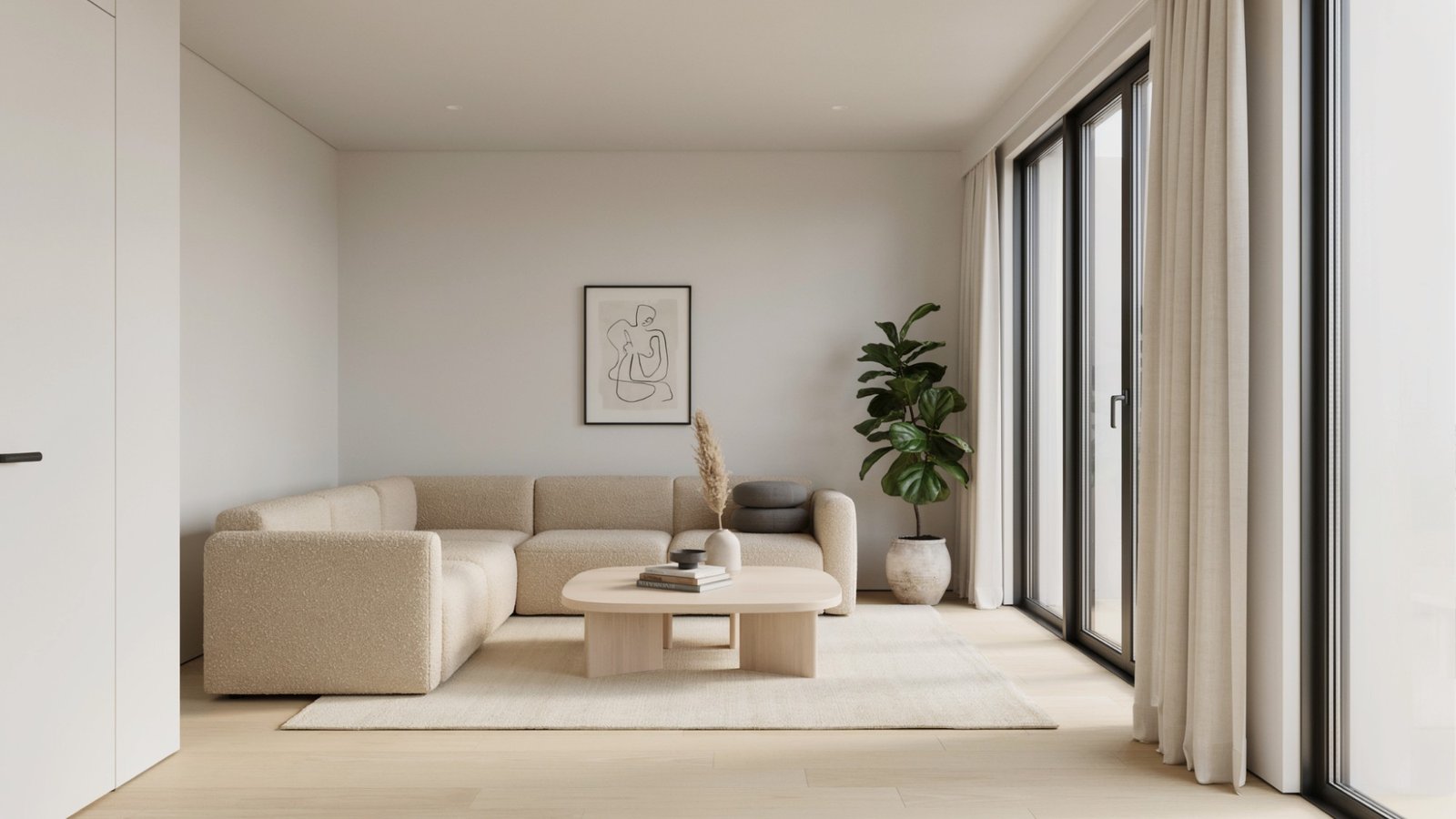
A flat surface with no texture, achieved through sanded coats of joint compound. It's common in newer homes with modern or minimalist style and is the easiest texture to clean.
Ceiling Texture Types Comparison
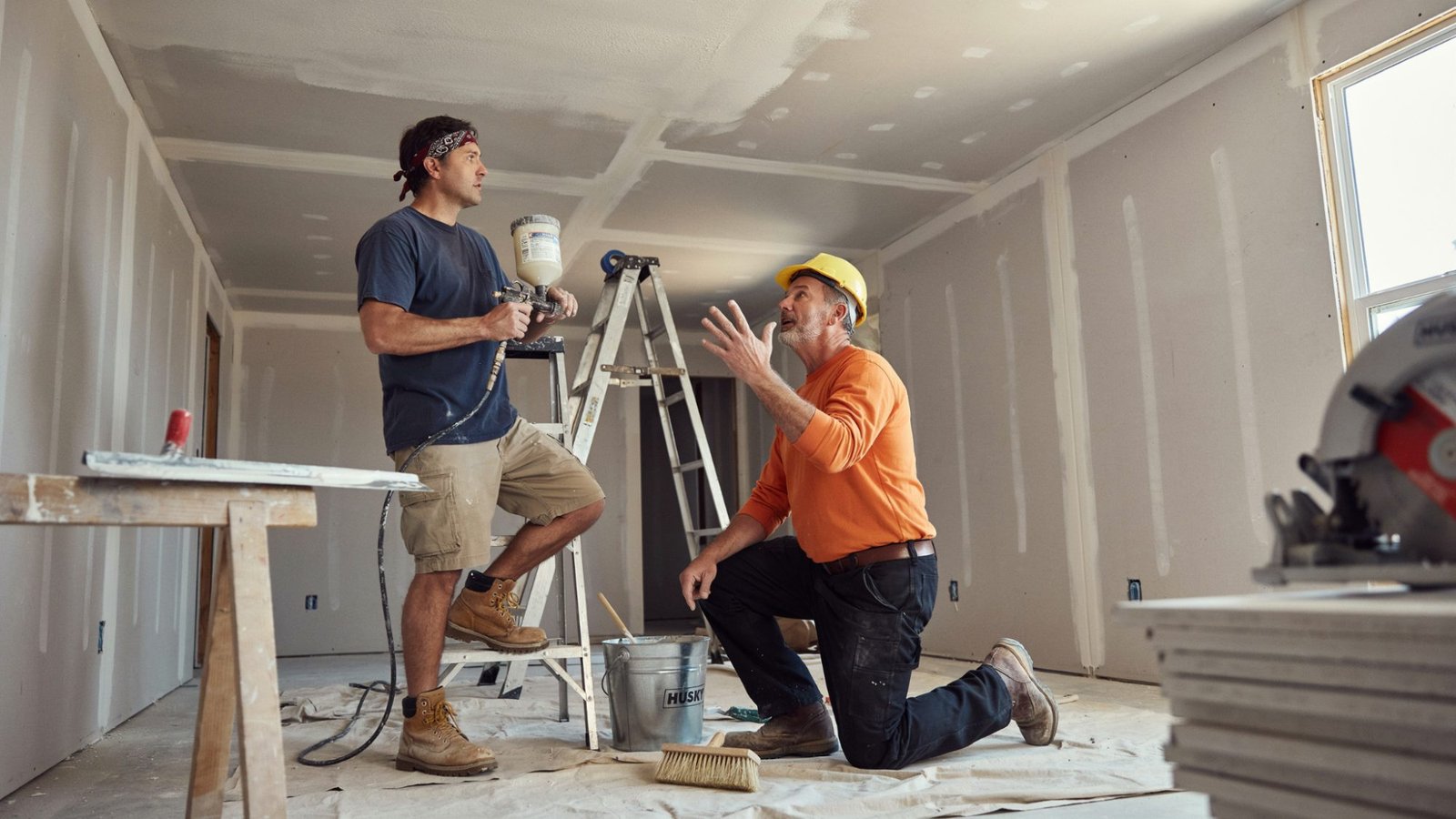
Comparing all 17 textures side by side makes it easier to match a texture to your room, budget, and upkeep needs.
| Comparison Factor | Lighter & Simpler Textures | Bolder & More Complex Textures |
| Appearance and Style | Orange peel and spray sand stay subtle and calm. Smooth finishes are the most understated option. | Popcorn, rosebud, and tree bark add bold texture. Floral and shoelace patterns are the busiest looks. |
| Installation Difficulty | Orange peel, knockdown, comb, and stipple brush work well for basic DIY skills. | Rosebud, tree bark, and floral patterns need more hand skill and are often best left to a professional. |
| Average Cost | Sprayed textures like orange peel and spray sand cost less since they need less labor. | Hand applied textures like skip trowel, rosebud, and tree bark cost more due to the extra time and skill involved. |
| Maintenance Requirements | Smooth ceilings and orange peel are easiest to clean since dust does not settle into deep grooves. | Popcorn and tree bark trap more dust and are harder to clean without damage. |
| Best Rooms | Spray sand or orange peel suit bedrooms and hallways. Smooth or light finishes work best for bathrooms and kitchens. | Skip trowel or rosebud can handle living rooms and dining rooms. |
Most Popular and Modern Ceiling Texture Types
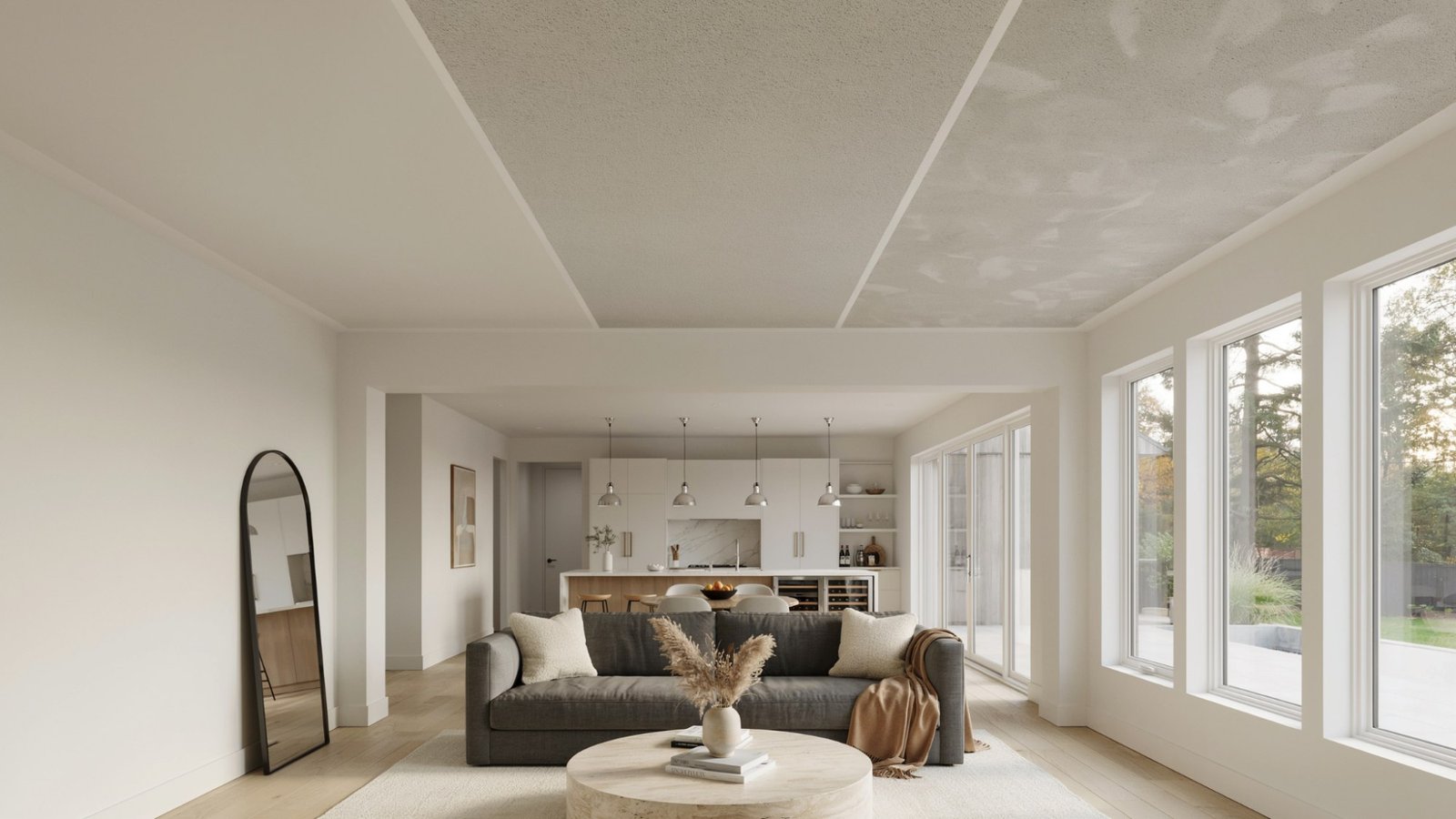
Ceiling trends shift over time, and what was common decades ago isn't always what homeowners want now. Here's a look at which textures are leading the way today.
Modern and Most Popular Ceiling Textures Right Now
Smooth ceilings and light orange peel textures are the top picks in modern home design, since both keep the ceiling from competing with other design elements in a room.
Knockdown texture also continues to lead the pack this year, giving a clean, current look without feeling too plain or too busy. Orange peel remains a close third, especially in builder grade homes.
Why Knockdown Texture Remains a Top Choice
Knockdown texture strikes a balance between hiding ceiling flaws and still looking current. It's also easier to patch and repair compared to smoother finishes, since small touch ups blend in more naturally with the existing texture.
Orange peel is lighter and more subtle, suiting bedrooms and smaller rooms, while knockdown works better in larger spaces like living rooms where a bit more texture helps the ceiling feel less flat.
Are Popcorn Ceilings Still in Style?
Popcorn ceilings have mostly fallen out of favor. Many buyers see them as dated, and older versions can contain asbestos, which makes removal a bigger job than it used to be.
Most renovations today replace popcorn texture with knockdown or a smooth finish instead.
How to Choose the Right Ceiling Texture
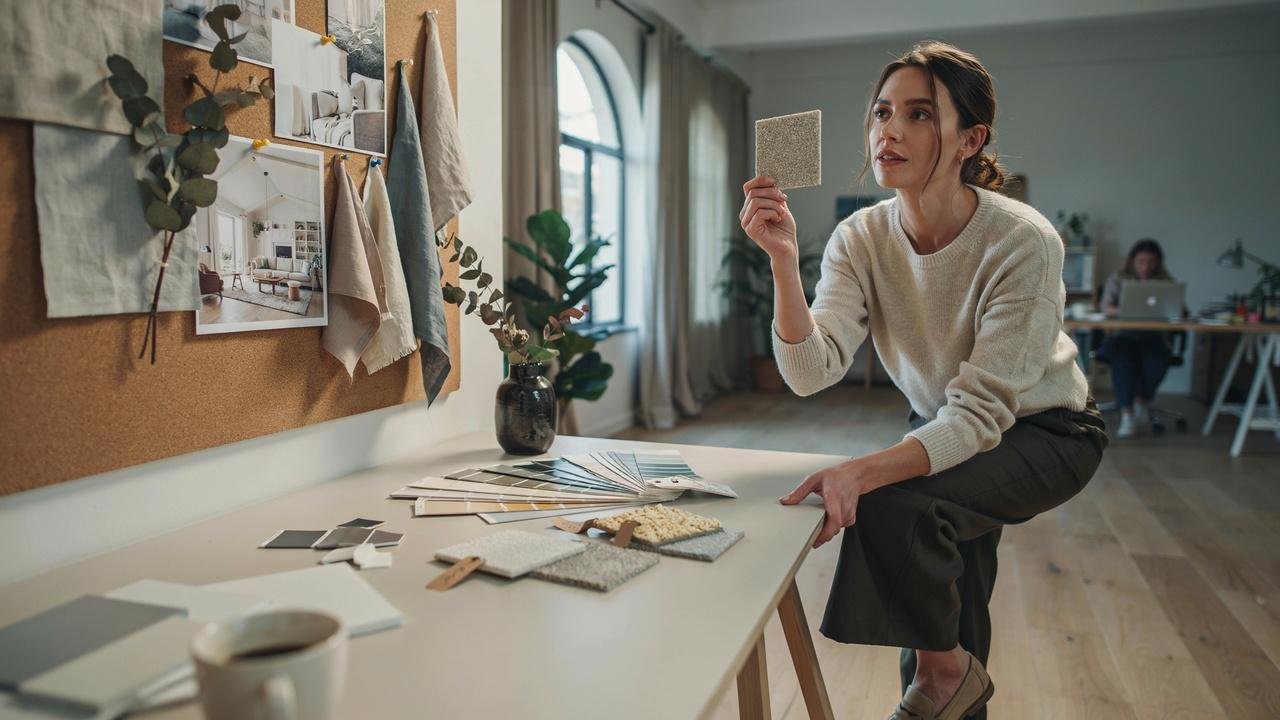
Picking a ceiling texture comes down to a few practical factors.
Modern, minimalist homes suit a smooth ceiling or light orange peel texture, while rustic or Mediterranean styles work better with skip trowel or slap brush finishes.
Smaller rooms feel more open with subtle textures like orange peel or spray sand, while larger rooms can handle bolder options like knockdown or skip trowel.
Maintenance matters too. Smooth or light textures are easiest to clean, while popcorn or tree bark need more careful upkeep.
Simple textures like orange peel or basic knockdown work fine for a confident DIYer, but detailed options like rosebud, floral, or tree bark are best left to a professional.
Budget wise, sprayed textures cost less than hand applied ones, so knockdown or orange peel often offer the best balance of looks and affordability.
Tips for Cleaning and Maintaining Ceiling Textures
Different textures need different care. Here are a few tips to keep common types looking good over time.
- For popcorn ceilings, use a soft brush attachment on a vacuum to remove dust without pulling the texture loose, and avoid wet cloths since moisture can soften and break it apart.
- For orange peel texture, a microfiber duster or vacuum brush works well, and a barely damp cloth is fine for light wiping as long as you avoid soaking the surface.
- For knockdown texture, dust regularly with a soft brush or extendable duster to keep buildup out of the grooves, and use a slightly damp sponge for tougher spots, letting the area dry quickly afterward.
- Repair the ceiling at the first sign of cracks, peeling paint, or thinning texture, before the damage gets worse.
- Repaint every few years to protect the texture and keep the ceiling looking fresh, especially in kitchens and bathrooms where moisture is common.
Conclusion
Ceilings get overlooked way too often, but they really do set the tone for a room.
I learned this the hard way after living under a popcorn ceiling for years before finally swapping it for a smooth finish, and the difference in how the room felt was honestly surprising.
So next time you're planning a refresh, give your ceiling a second look. Pick a texture that fits your space and your lifestyle.
Got a favorite from this list, or questions about your own ceiling? Drop a comment below, and feel free to share this post with anyone tackling a similar project.
Frequently Asked Questions
Which ceiling texture is easiest to clean?
Smooth ceilings and orange peel texture are the easiest to clean since they don't have deep grooves. Dust wipes away easily without damaging the surface.
Can I install ceiling texture myself?
Simple textures like orange peel or basic knockdown can be done by a confident DIYer with the right tools. More detailed patterns like rosebud or tree bark are better left to a professional.
Is popcorn ceiling texture dangerous?
Older popcorn ceilings installed before the 1980s may contain asbestos, so testing before removal is important. Newer versions are generally considered safe.
What is the most budget friendly ceiling texture?
Sprayed textures like orange peel and spray sand tend to cost less than hand applied options. They require less labor and time to apply evenly.
How often should a textured ceiling be repainted?
Most textured ceilings benefit from repainting every few years to protect the surface. Kitchens and bathrooms may need it sooner due to higher moisture levels.