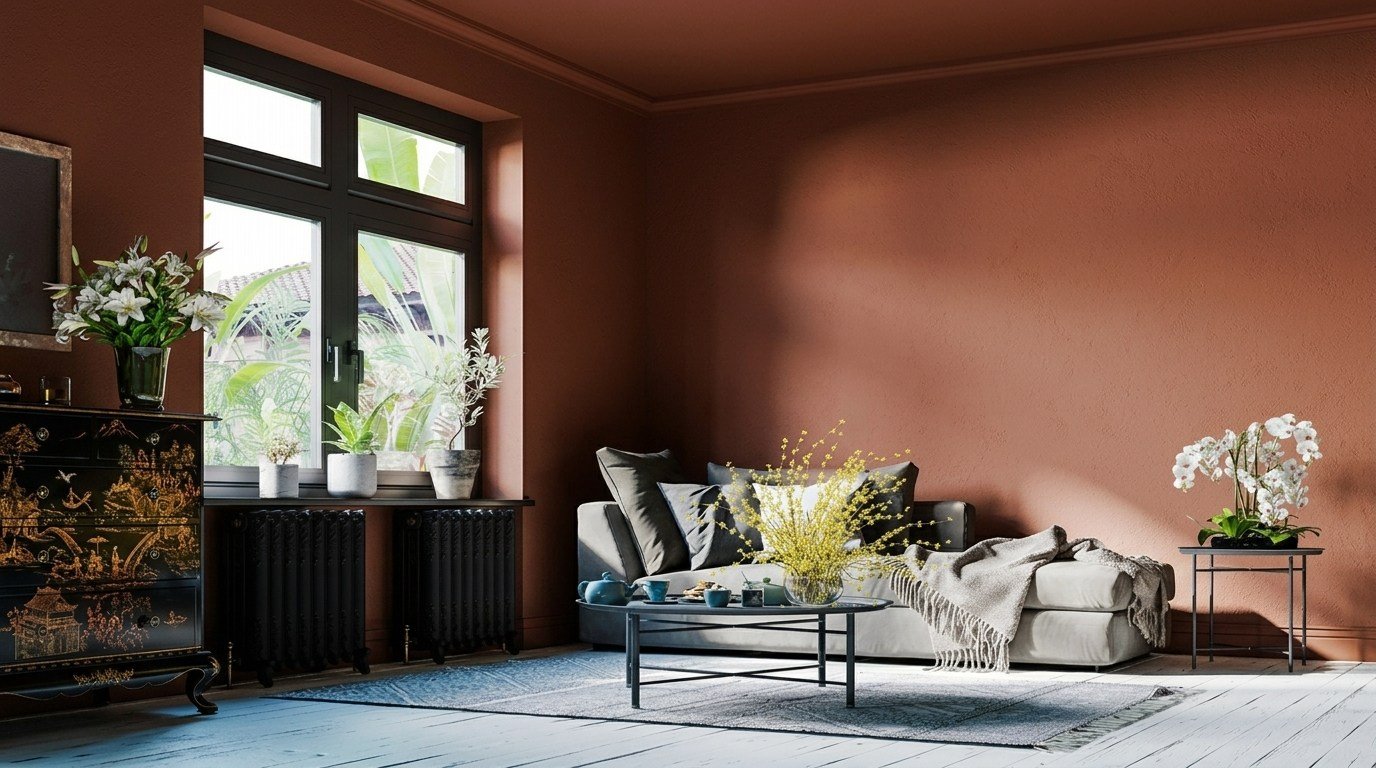
Trying to decide if you should paint your ceiling the same color as your walls? You're not alone. It's one of the most common paint questions homeowners ask.
This guide will help you figure out exactly that. We'll cover the real pros and cons, how it affects small rooms, low ceilings, and natural light, plus when this style works and when it doesn't.
You'll also find tips on paint finishes and a few mistakes to avoid.
I tried this in my own bedroom, so everything here comes from hands-on experience, not just theory.
By the time you finish reading, you'll know if this look fits your space or if you're better off sticking with a classic white ceiling.
Should You Paint the Ceiling the Same Color as the Walls?
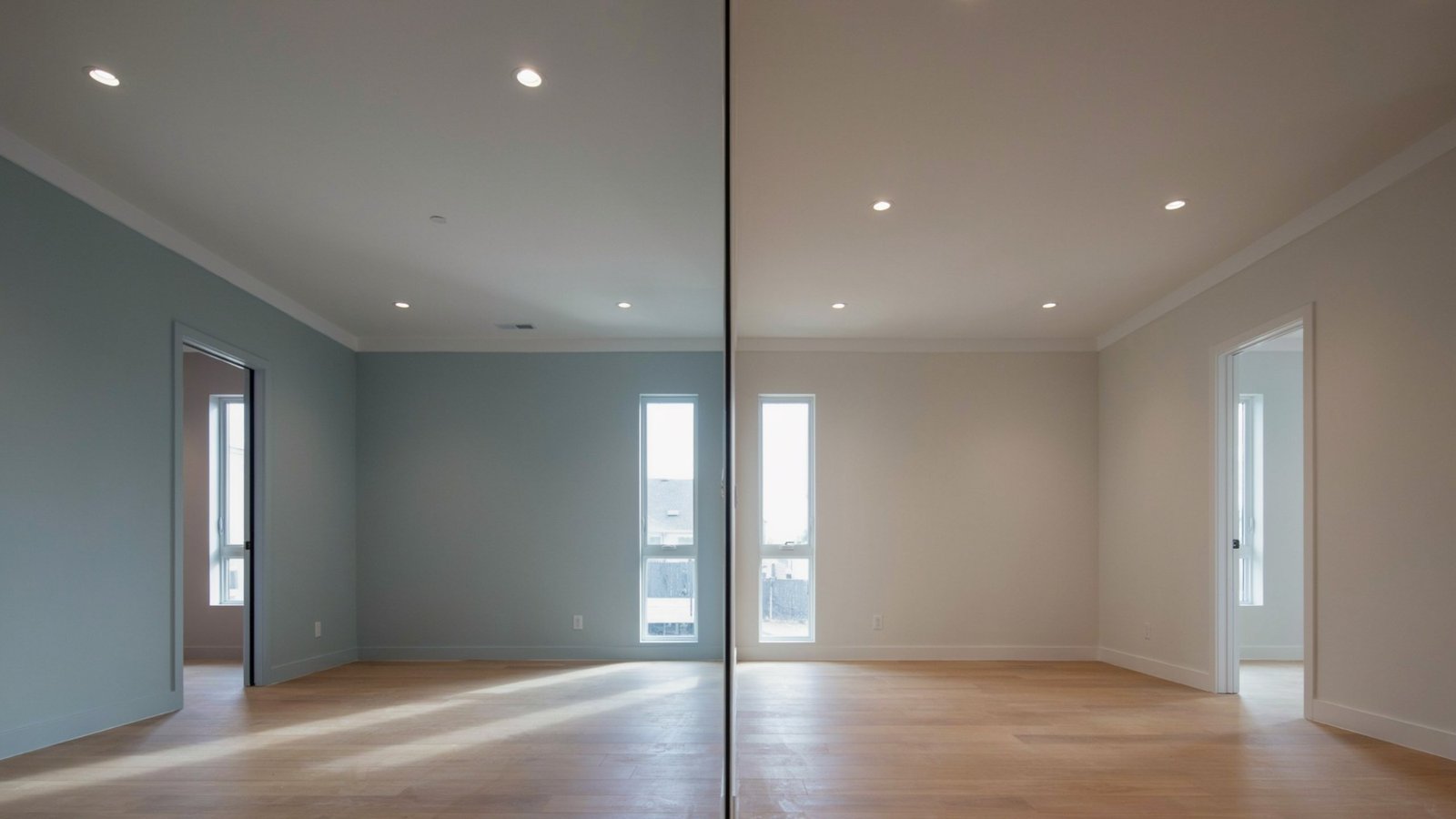
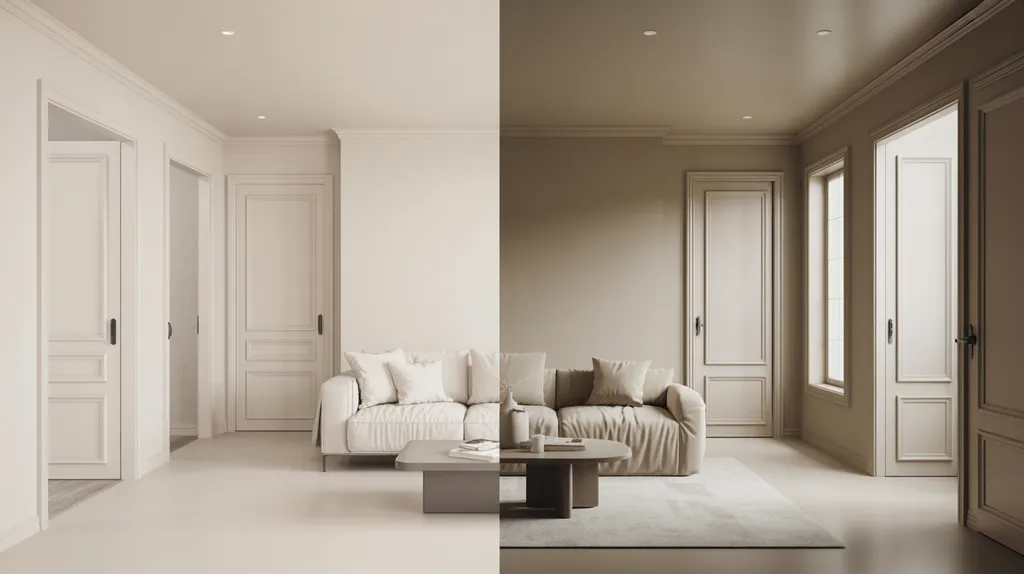
Painting the ceiling the same shade as the walls is a trend many homeowners are trying now. It can make a room feel cozy, but it does not suit every space.
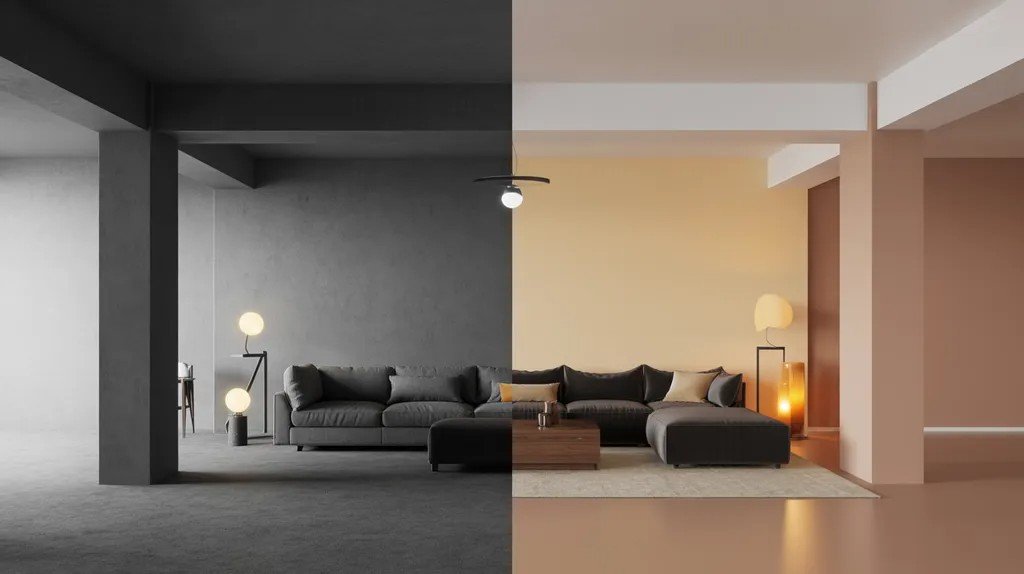
In small rooms, this works well. Without a clear line between wall and ceiling, the room feels bigger and softer. Low ceilings benefit too.
A contrasting white ceiling can draw the eye up and make low height more obvious. Matching colors soften that effect.
That said, this trick is not for every room. High ceilings or detailed molding may get lost under a matching color. A contrasting shade can highlight those details instead.
Light matters as well. Dark tones on walls and ceiling can shrink a room that lacks good lighting. If you are unsure, test it in a small space first, like a hallway or powder room, before committing to a full room.
Advantages and Disadvantages of Painting Ceiling Same Color as Walls
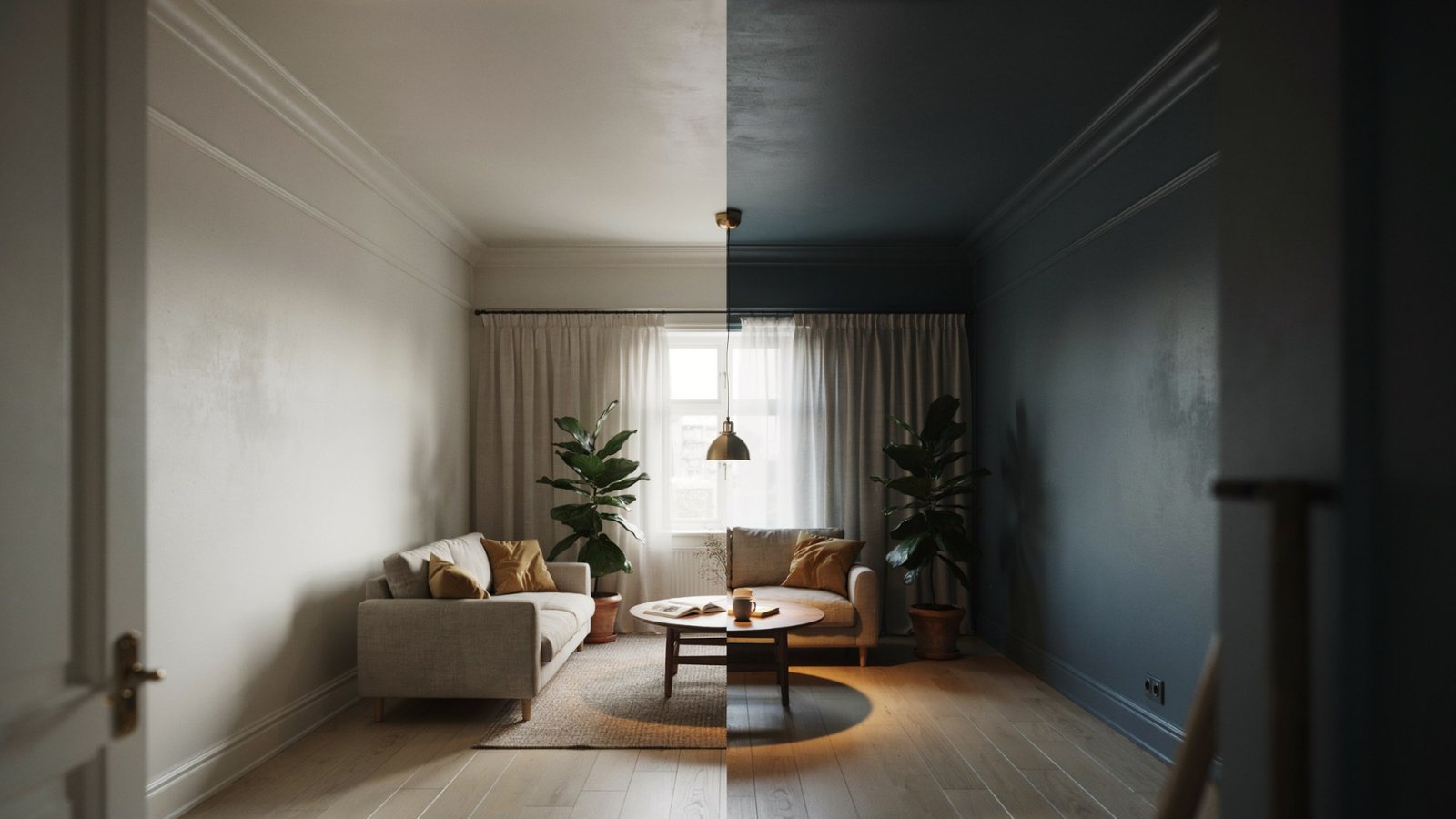
Painting your ceiling the same color as your walls has both perks and drawbacks. Here's a clear look at what works and what doesn't.
| Section | Details |
| Advantages | Matching tones create a smooth, connected look with no harsh lines. It also hides small ceiling flaws like dents or uneven texture. |
| Disadvantages | Low ceilings can feel even lower with added color. Dark shades may feel closed in without much natural light. Many still prefer a classic white ceiling. |
Quick Comparison Table: Pros vs Cons
| Pros | Cons |
| Smooth, connected look | Can lower the feel of short ceilings |
| Hides small ceiling flaws | May feel dark in low-light rooms |
| Adds coziness to a space | Not ideal for very large rooms |
| Draws attention to trim and moldings | Some prefer the classic white ceiling look |
| Works well in small rooms | Requires more paint and planning |
Benefits of Painting Ceiling Same Color as Walls
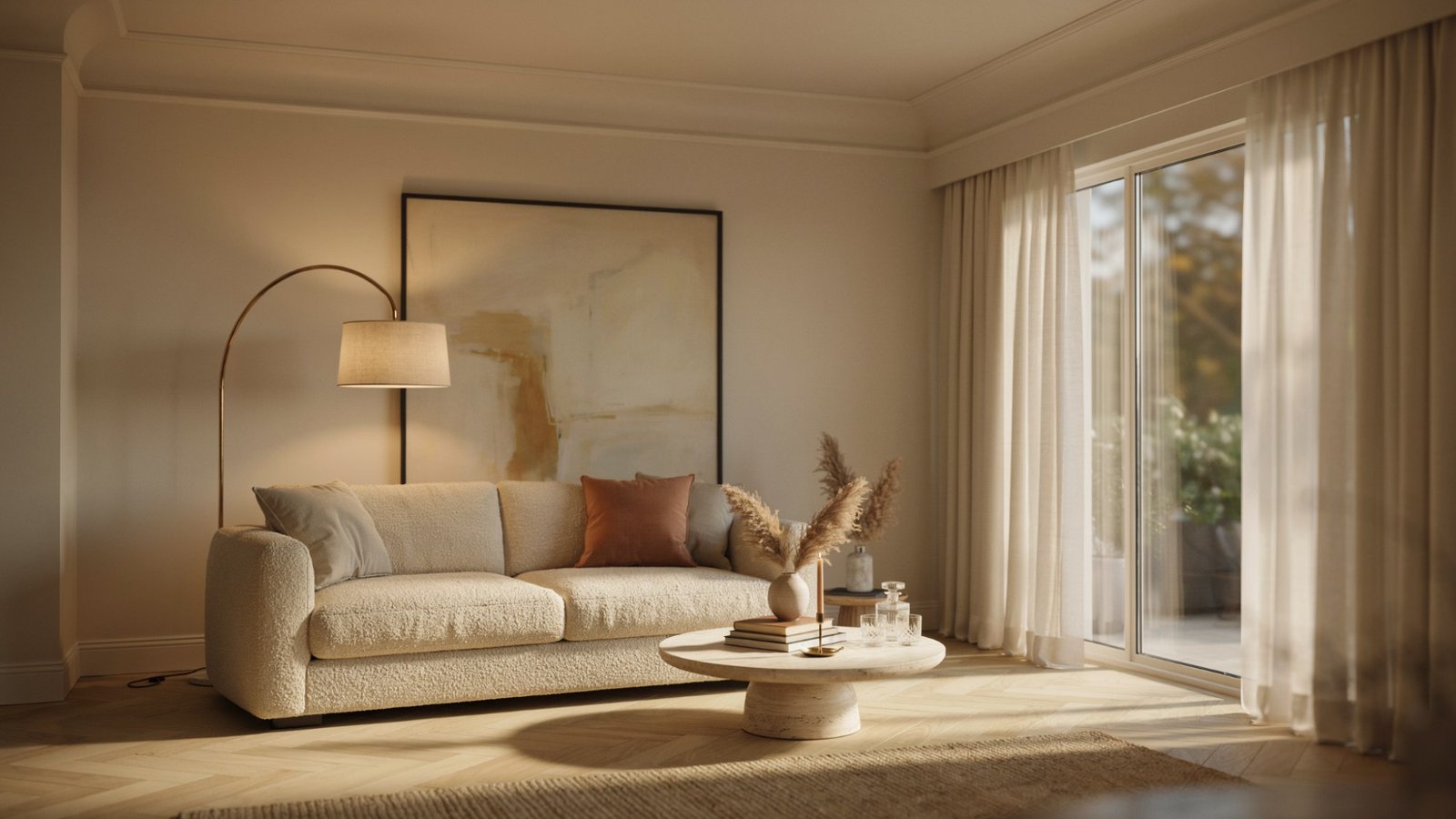
Matching your ceiling color to your walls offers several practical and visual perks for many home styles and room sizes.
Creates a Seamless Look and Makes Small Rooms Feel Larger
One shade across walls and ceiling removes the line where they meet, giving rooms a clean, modern feel. It also opens up tight spaces, since your eye doesn't measure the room's edges as quickly.
Helps Hide Sloped or Uneven Ceilings
Older homes or attic rooms often have ceilings that slope or dip. A single color makes these quirks less noticeable and blends them into the background.
Creates Coziness and Highlights Architectural Details
A matching color wraps a room in warmth, perfect for bedrooms or reading nooks. It also makes crown molding, beams, or trim stand out, since there are no competing colors to pull focus away.
What Is the Effect of Painting Ceiling the Same Color as Walls?
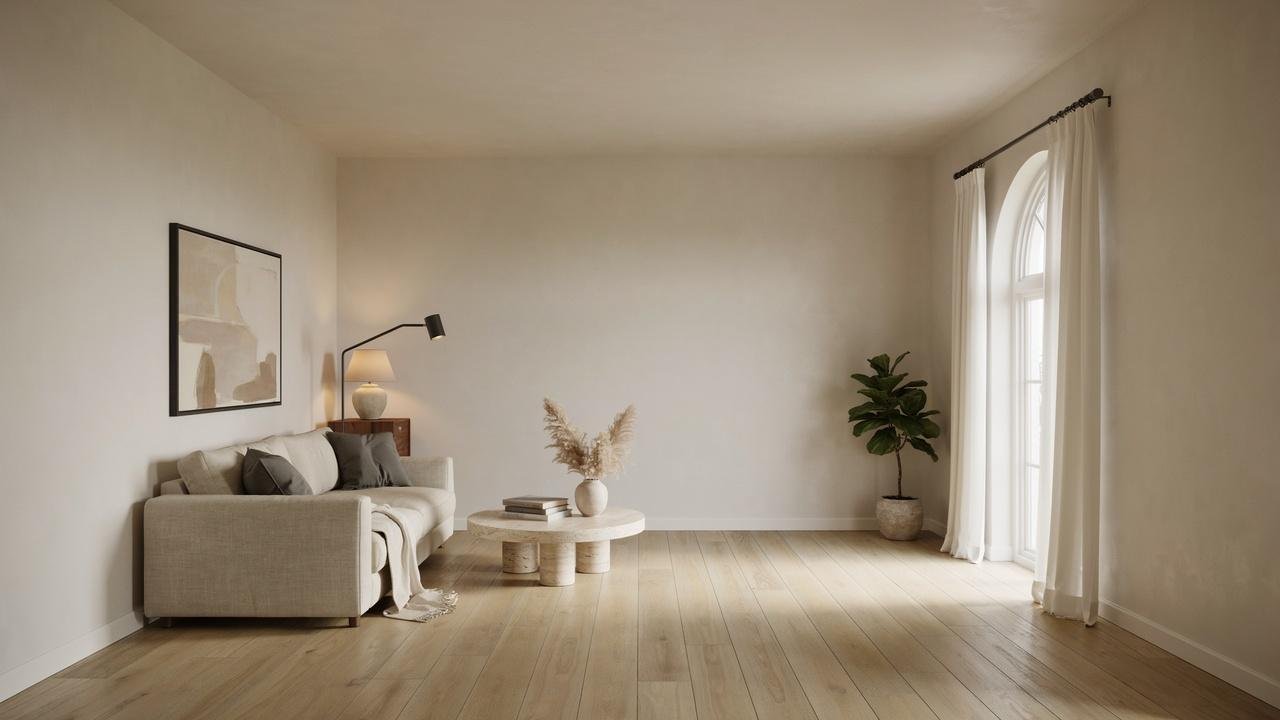
Matching ceiling and wall paint changes how a room feels in terms of size, height, light, and overall mood.
Does It Make a Room Look Bigger or Smaller?
It depends on the color and the room. Lighter shades tend to make a room feel more open, while darker shades can make it feel smaller and more closed in.
The lack of a color break can sometimes trick the eye into seeing fewer hard edges, which helps a room feel less boxy.
Does It Make Ceilings Look Higher or Lower?
Light colors painted on both walls and ceiling can sometimes lift the feel of a low ceiling.
Dark colors, though, tend to pull the ceiling down visually, making the room feel shorter from floor to top.
How Does It Affect Natural Light?
Light bounces differently depending on your paint choice. Pale, matching colors reflect more daylight around the room, keeping things bright.
Darker matching tones absorb more light, so the room can feel dimmer, especially on cloudy days or in rooms with few windows.
How Does It Change the Mood of a Room?
A single color theme often sets a calm, settled mood. Soft, light colors bring a peaceful feel, while deeper shades can make a room feel intimate and warm.
The mood shifts entirely based on which color you choose.
Painting Ceiling Same Color as Walls in Small Room
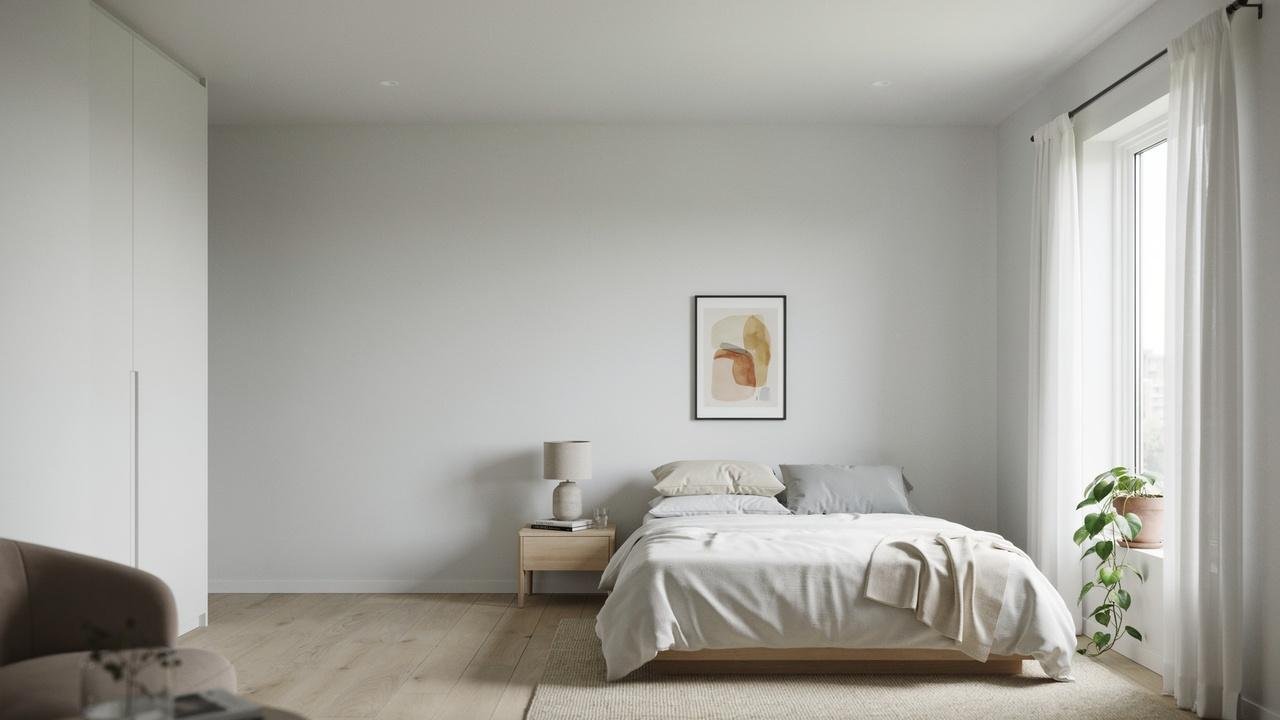
Many homeowners wonder if this trick actually helps tiny rooms feel bigger, and the answer depends on color choice and lighting.
Can It Make a Small Room Look Bigger?
Yes, in many cases. When the ceiling and walls share a light color, there's no visual stop where the wall ends and the ceiling begins. This blurs the room's edges and can trick the eye into seeing more space than there actually is.
Soft, light shades like pale gray, cream, or light blue tend to work well in small spaces. These colors don't overwhelm the room and still let in plenty of light, keeping things airy.
Light vs Dark Colors in Compact Spaces
Light colors open up a small room, while dark colors can make it feel tighter. That said, some people like the snug, cocoon-like feel that a dark color gives a small bedroom or reading corner.
It really comes down to personal taste and how the room gets used.
When You Should Avoid Painting Ceiling Same Color as Walls
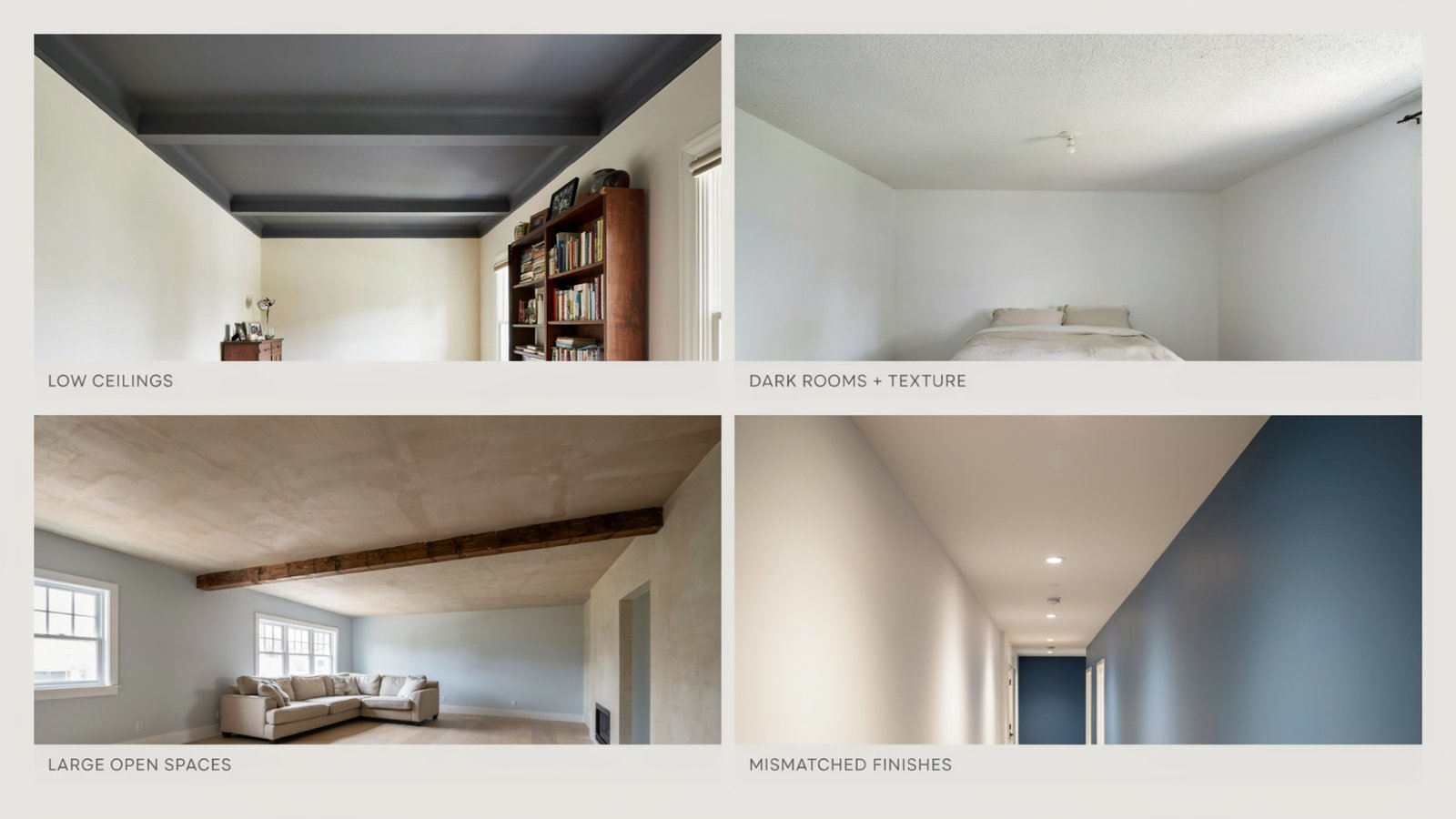
This technique doesn't suit every space, and there are a few situations where it's better to stick with a separate ceiling color.
Rooms With Low Ceilings or Limited Light
If your ceiling is already on the shorter side, matching it to the walls (especially in a dark shade) can make the room feel cramped. A lighter, separate ceiling color often works better here.
Rooms with few windows or weak lighting can also feel gloomy if the ceiling and walls share a dark or mid-tone color. Sticking with a lighter ceiling helps keep the room from feeling dim.
Large Rooms That Need More Contrast
In big, open rooms, a single color across every surface can feel flat or dull. Some contrast between the walls and ceiling helps define the room's shape and adds visual interest.
Textured Ceilings and Traditional Interiors
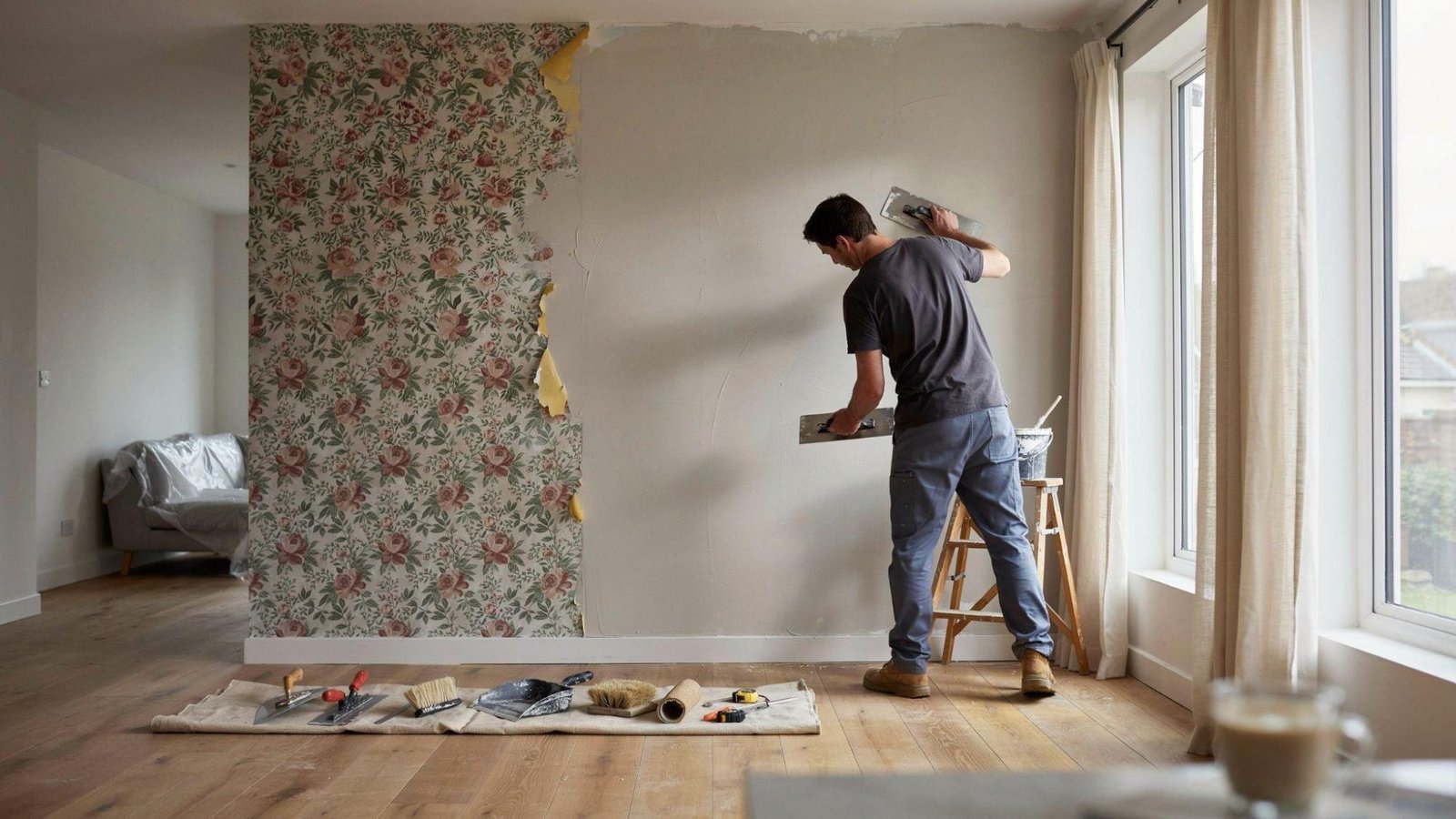
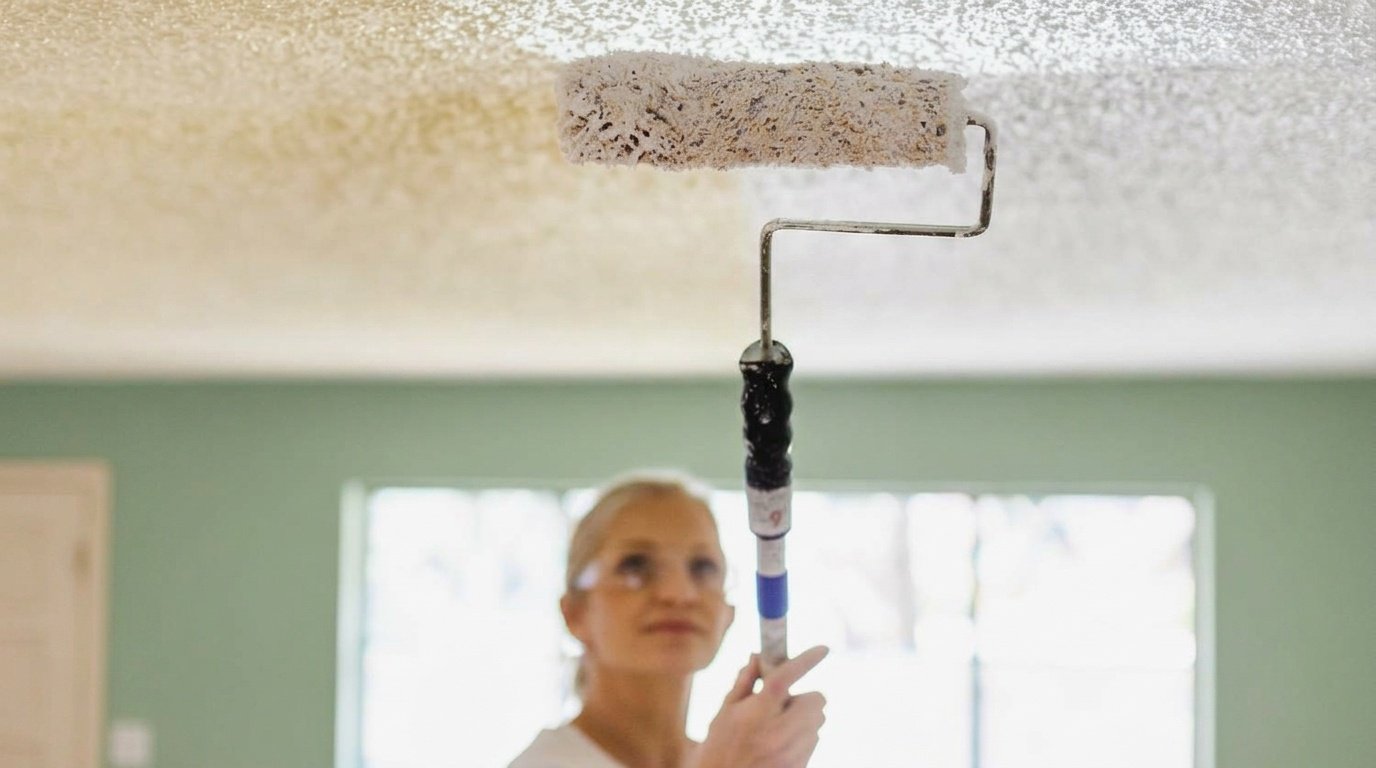
If your ceiling has popcorn texture, water stains, or visible repairs, a glossy or single-tone paint job might actually highlight these flaws instead of hiding them.
A separate ceiling treatment may work better in these cases.
Classic and traditional home styles also often rely on the contrast between white ceilings and colored walls.
This look has stood the test of time and fits certain decor styles better than an all-one-color approach.
Same Color vs Lighter Ceiling vs White Ceiling
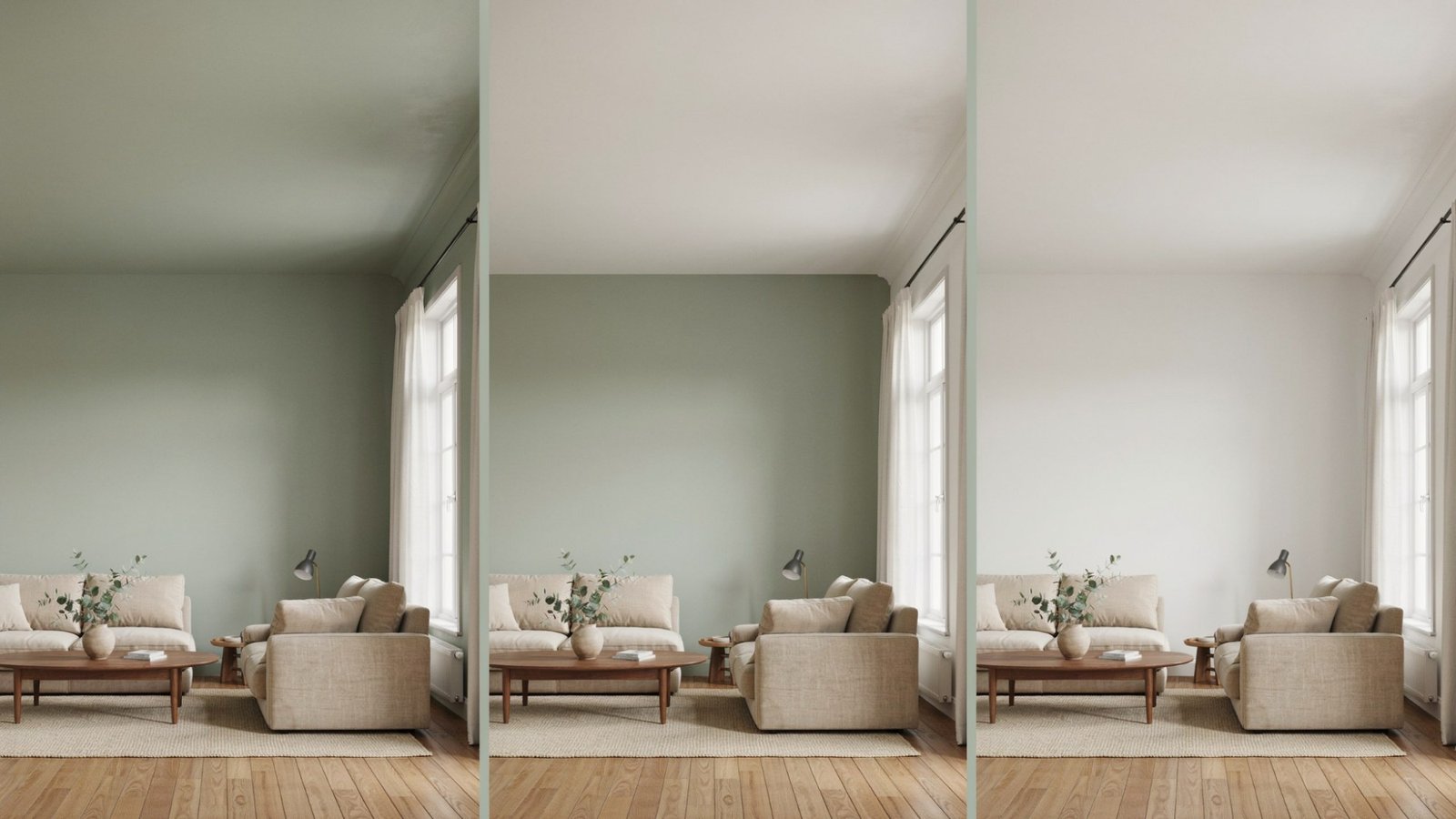
Choosing between these three options depends on your room's size, lighting, and the overall feel you're going for.
When to Choose the Same Color
Pick a matching color when you want a calm, connected look, especially in small or cozy rooms. It works best when the room has decent natural light and no major ceiling flaws.
When a Lighter Ceiling Is Better
A ceiling a few shades lighter than the walls can soften the room without going all the way to stark white. This middle ground keeps some contrast while still feeling soft and connected.
When White Ceilings Are the Better Option
White ceilings remain a safe, flexible choice. They reflect the most light, make rooms feel taller, and pair with nearly any wall color. This is often the go-to pick for low-light rooms or homes with traditional styling.
Tips for Successfully Painting Ceiling Same Color as Walls
A few simple steps can help you get the results you want and avoid common mistakes with this paint approach.
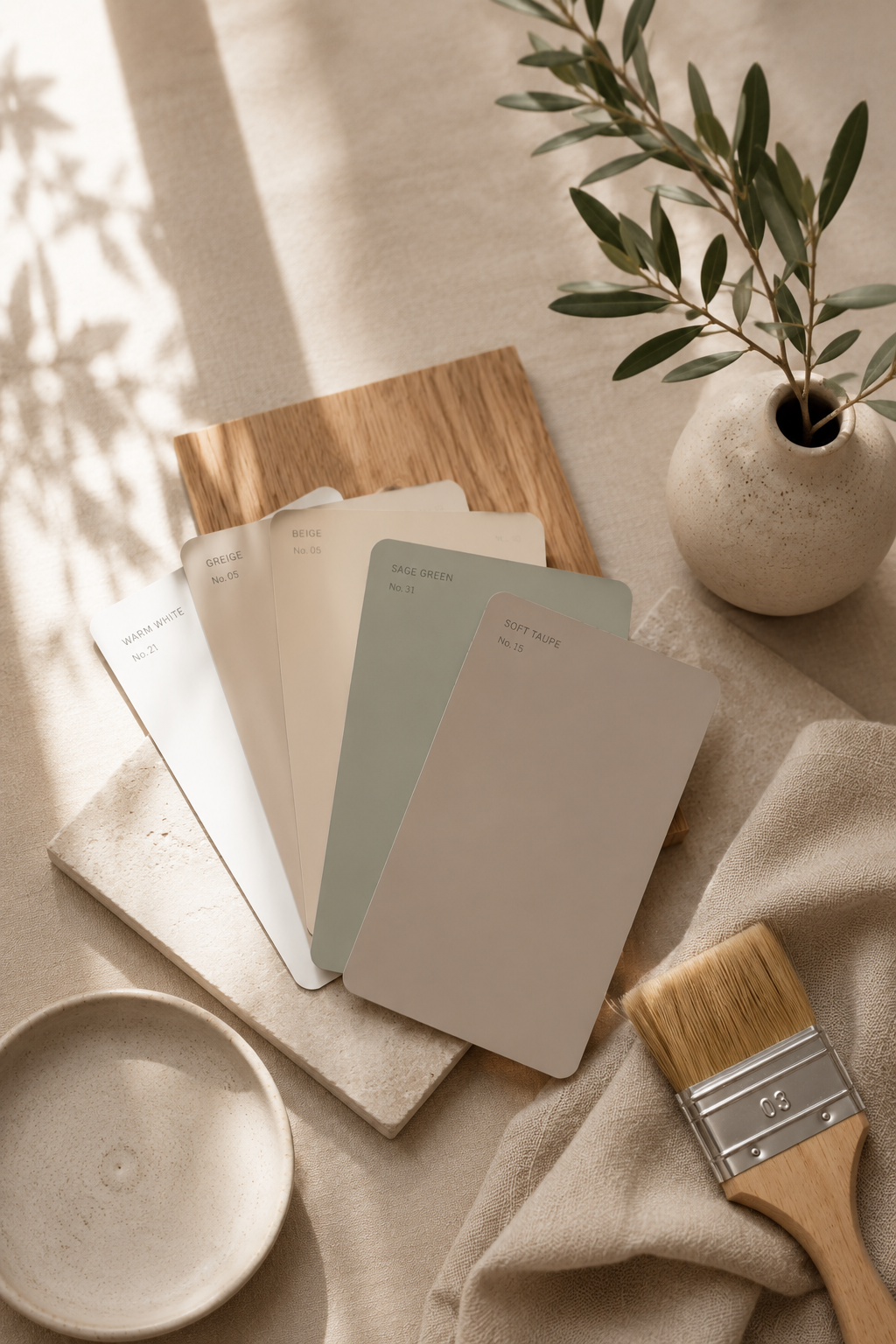
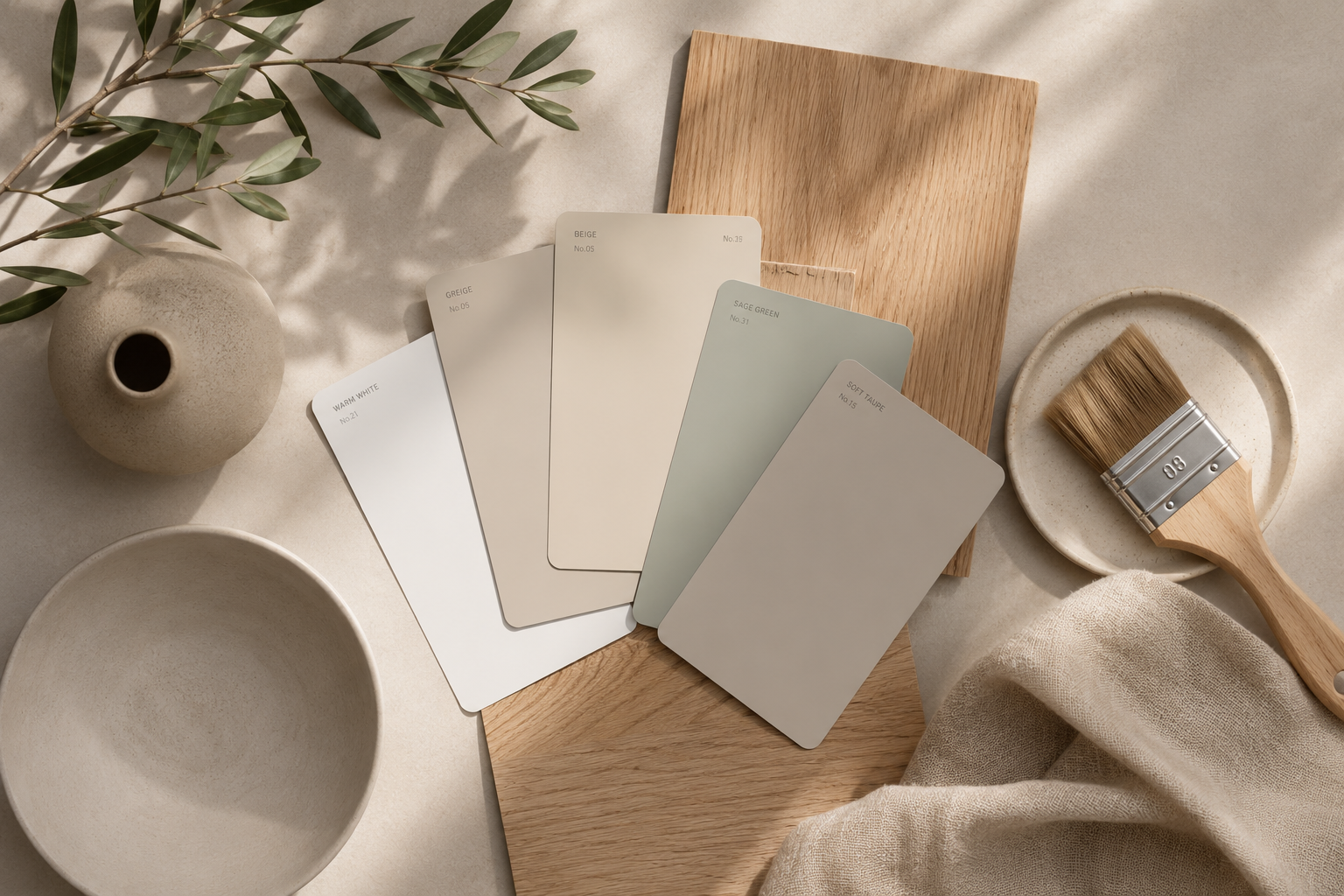
- Test paint samples at different times of day, since natural light, lamp light, and overcast skies can all change how a color looks.
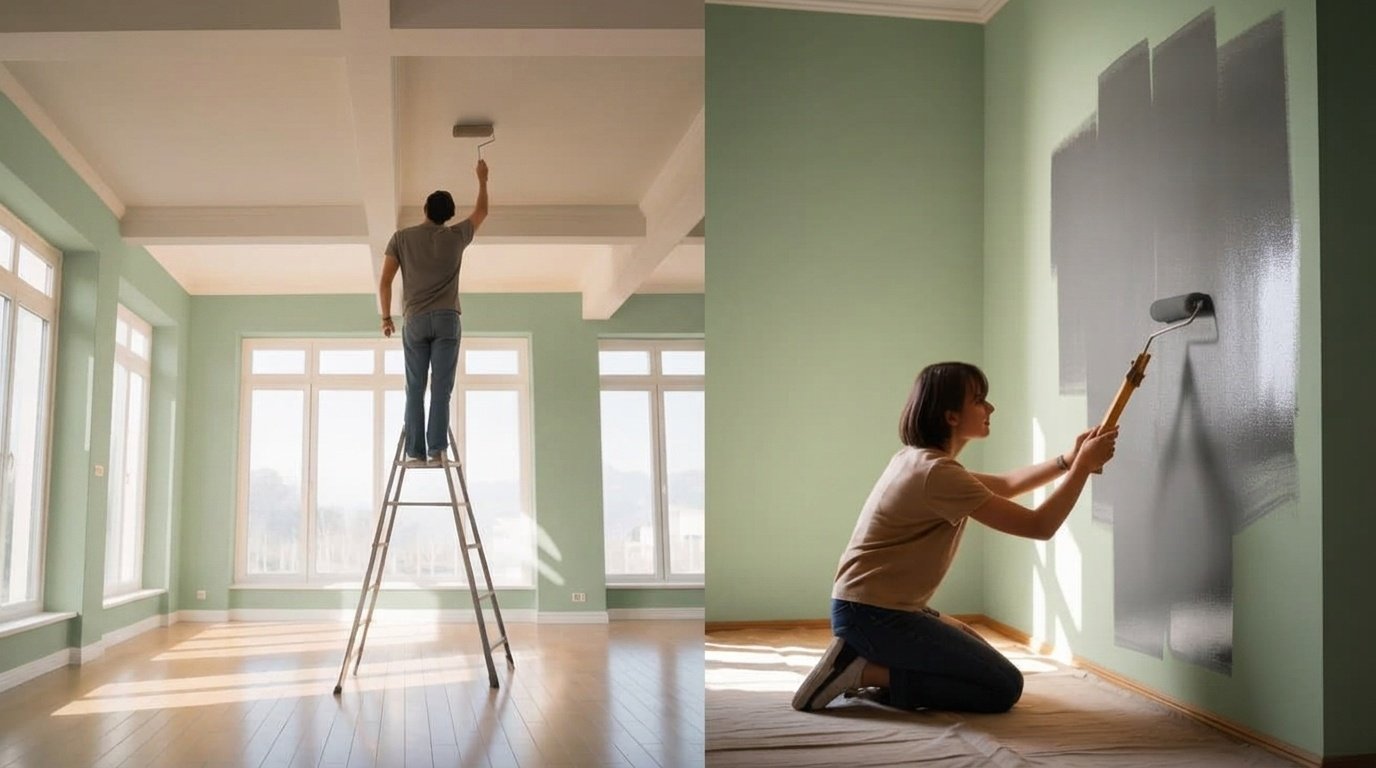
- Use a flat or matte finish on the ceiling to hide flaws and cut glare, while walls can handle a bit more sheen for durability.
- Measure your ceiling height first. Lower ceilings do better with lighter tones, while taller ceilings can handle darker, bolder colors.
- Keep furniture and decor simple and neutral so they don't compete with a bold, matching paint job.
- Try the look in one room first, like a bedroom or hallway, before committing to the whole house.
Conclusion
I painted my own small bedroom this way last year, and honestly, the calm it brought surprised me.
Painting the ceiling the same color as walls isn't just a trend, it's a real way to change how a room feels day to day.
If you've been on the fence, grab a sample pot and try one wall and the ceiling corner before going all in.
I'd love to hear how it turns out for you. Drop a comment below, share this with a friend who's redecorating, or check out our other paint guides for more ideas.
Frequently Asked Questions
Will painting the ceiling the same color as the walls make my room feel smaller?
It depends on the color you pick. Light shades usually keep a room feeling open, while dark shades can make it feel a bit tighter.
Is this paint style only good for small rooms?
No, it works in rooms of many sizes. Large rooms may just need a bit more contrast somewhere else, like trim or furniture.
What paint finish works best for ceilings?
A flat or matte finish is usually best since it hides small flaws and cuts down on glare. Walls can carry a touch more sheen.
Can I use this technique if my ceiling has cracks or texture?
It's possible, but flaws may show more with certain finishes. A separate ceiling treatment might work better in those cases.
How do I know if this style is right for my home?
Try it in one room first, like a bedroom or hallway. Living with it for a few weeks will help you decide before painting more.