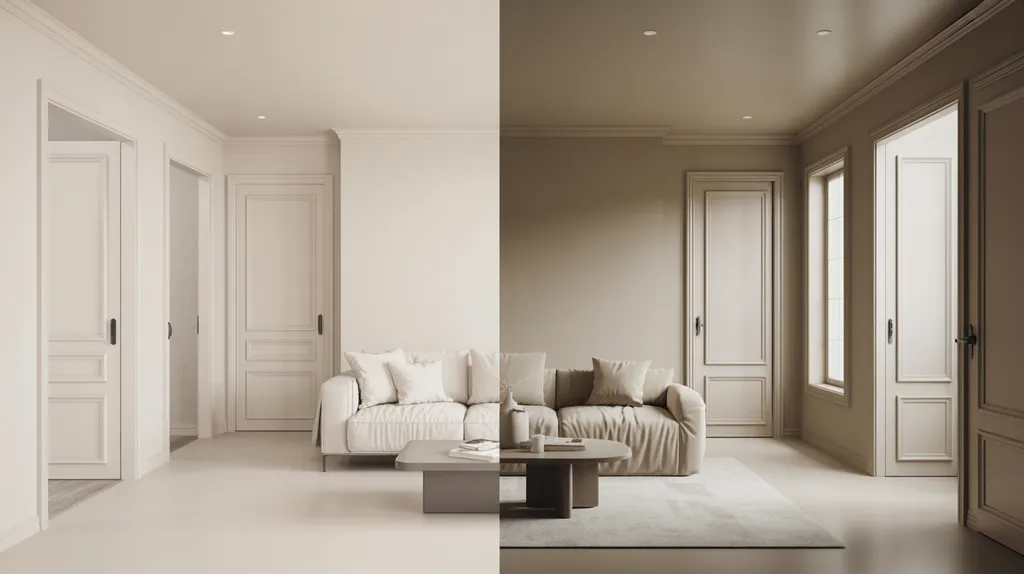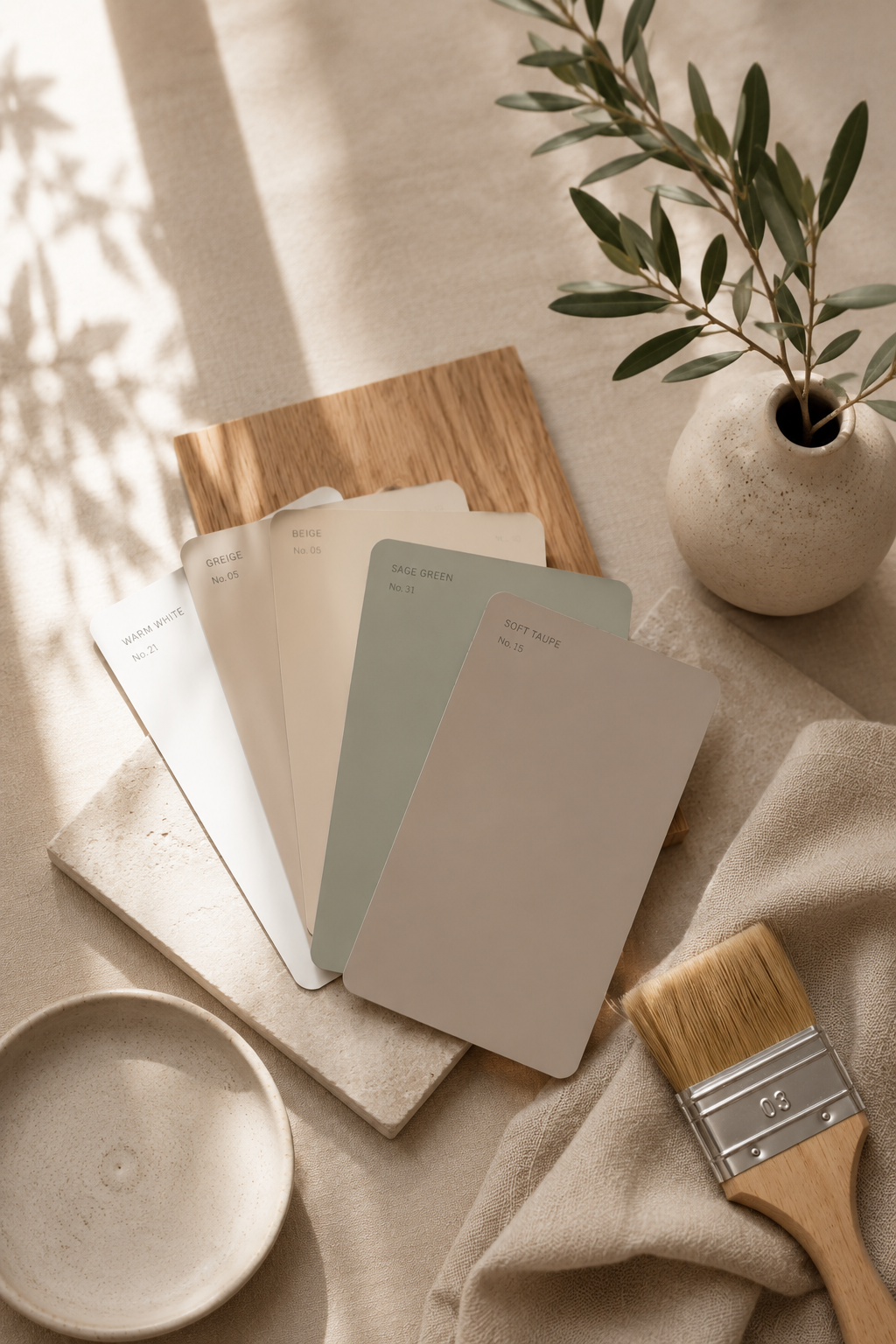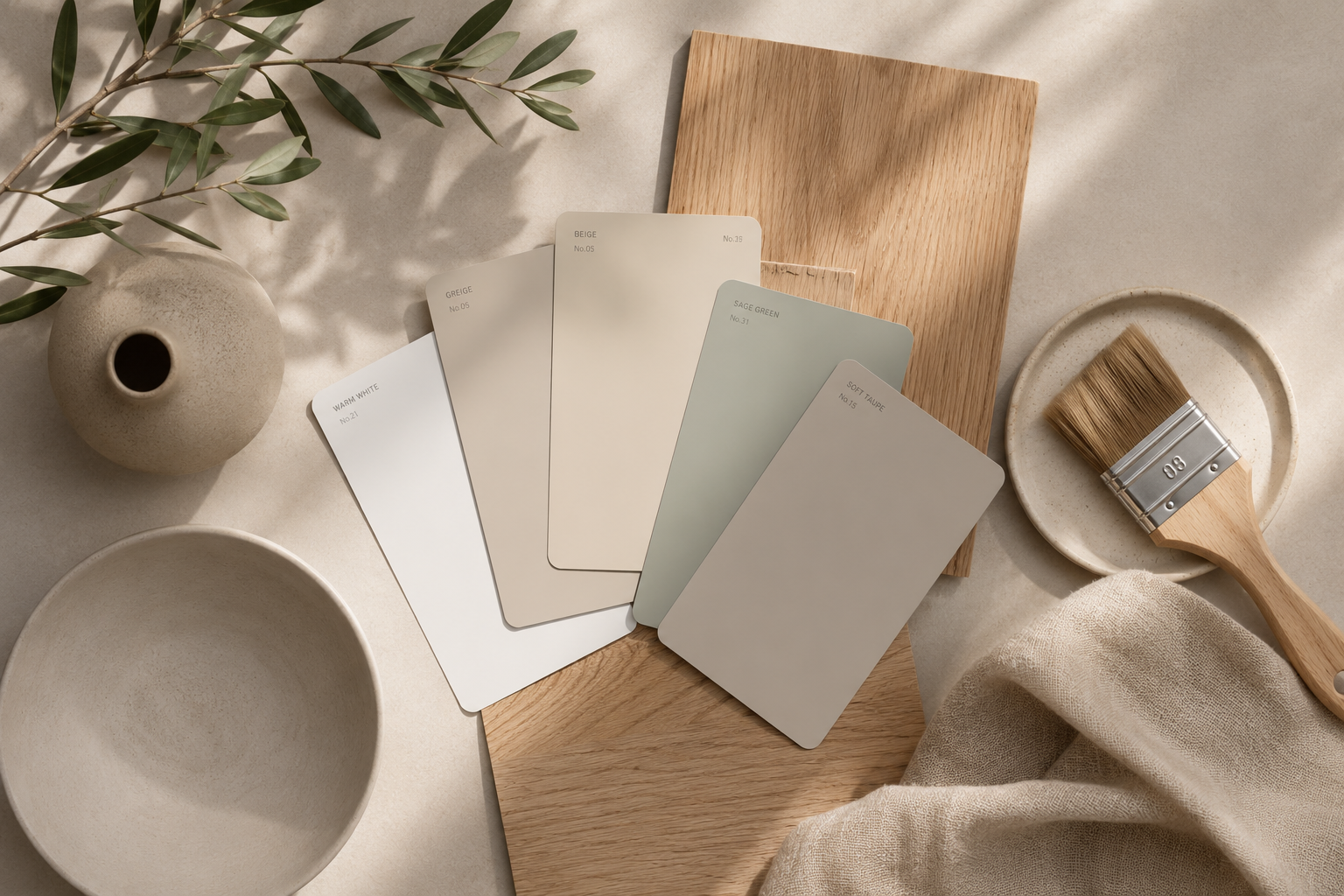
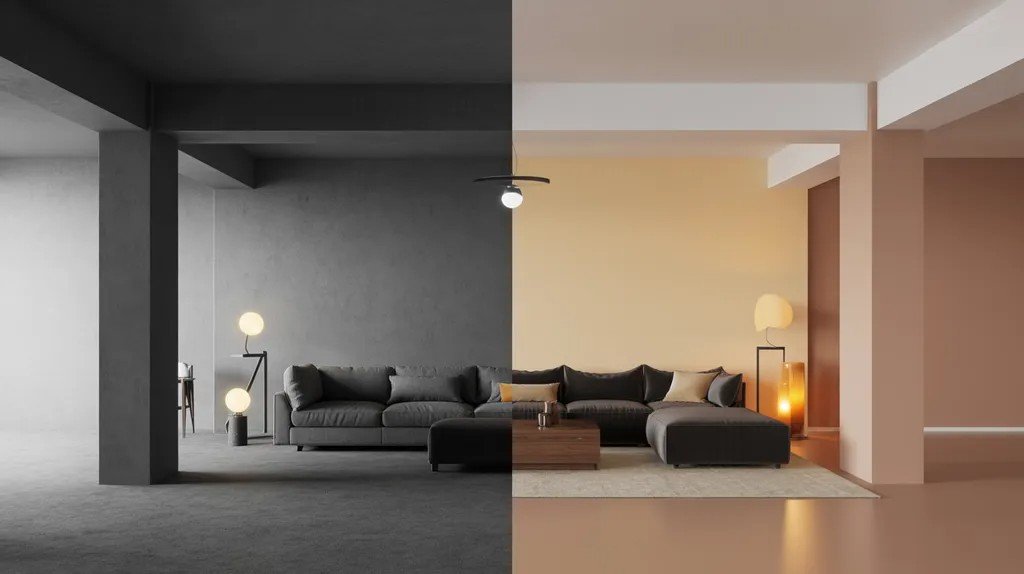
I painted my first basement the wrong shade of gray. It looked like a parking garage.
That one mistake taught me everything about how color actually works in a space with no natural light.
If you're looking for basement color ideas that actually work, you're in the right place. I'll cover 25 of the best colors by style, by room function, and by lighting condition.
I'll also walk you through expert tips on ceiling height, color balance, and what to avoid. No fluff, no guesswork.
Just real picks backed by research and personal experience.
By the end of this blog, you'll know exactly what color to put on your walls and why it will work.
How to Choose the Right Basement Color Ideas for Your Space
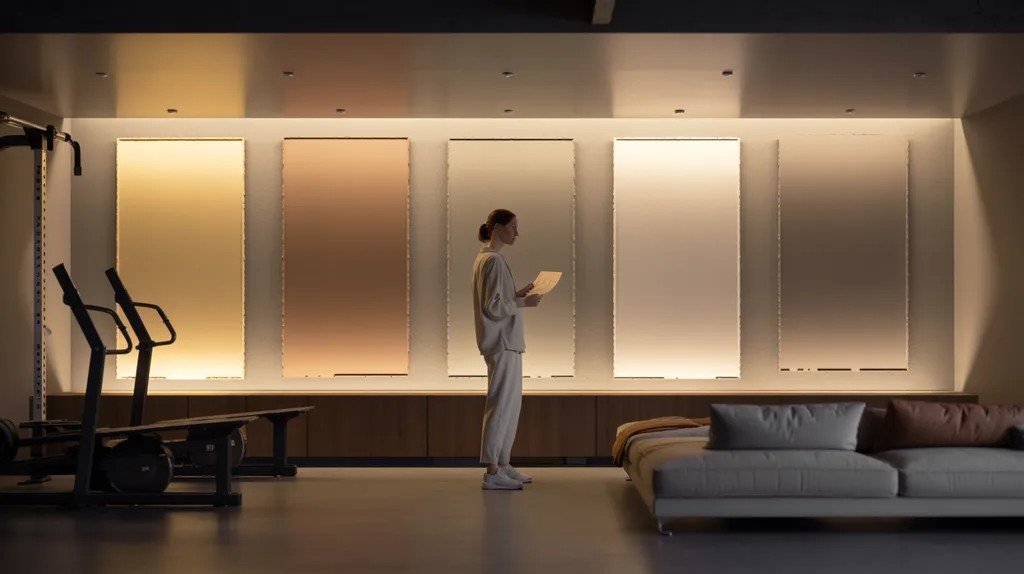
Choosing basement colors is not like picking paint for any other room. Basements get less natural light, so colors need to work harder.
Start with your lighting: warm LED bulbs shift colors differently than cool daylight bulbs.
Think about how you'll use the space. A gym needs different energy than a bedroom.
Then look at your ceiling height. Low ceilings do better with lighter shades on top. Always test a paint swatch on the wall and live with it for 24 hours.
What looks perfect in the store can look completely different once it's actually on your walls.
List of 25 Best Basement Color Ideas for Every Style
Here are 25 colors that work beautifully in basements, no matter your style or budget.
1. Crisp Bright White
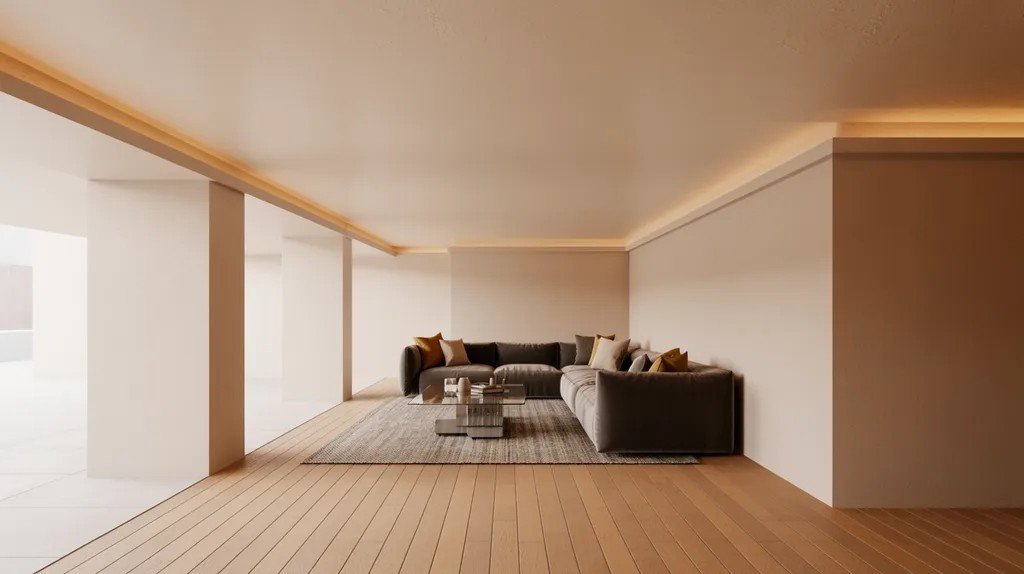
Bright white is one of the smartest picks for a dark basement. It bounces light around the room and makes the space feel bigger than it is.
Pair it with warm lighting and light wood floors for the best result. It works in almost every basement setup.
2. Soft Off-White
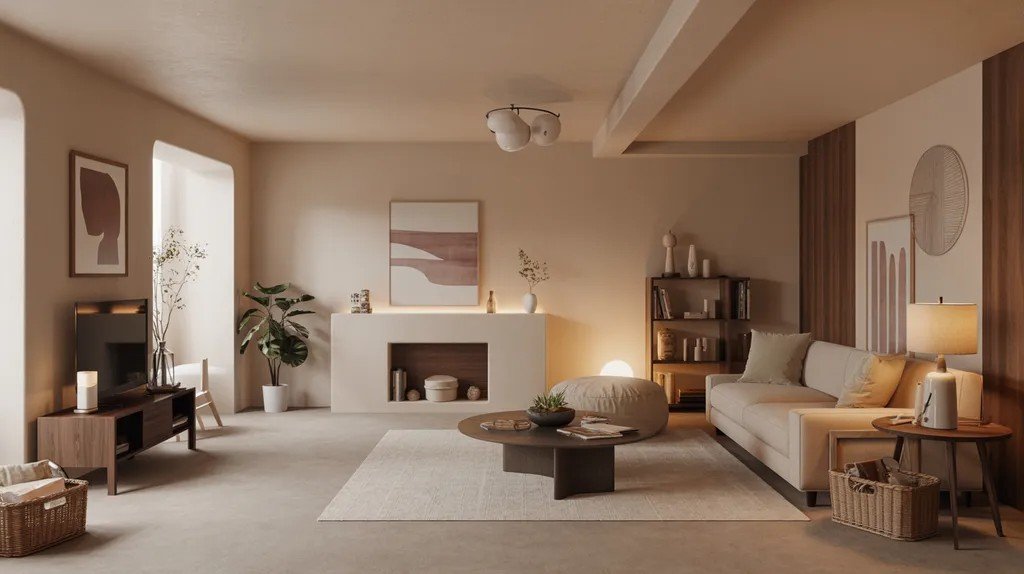
Off-white takes the harshness out of pure white. It still reflects light well but adds a subtle warmth that makes the basement feel inviting.
Great for basements used as living rooms or guest bedrooms. It pairs well with beige, wood tones, and soft textiles.
3. Cool Light Gray
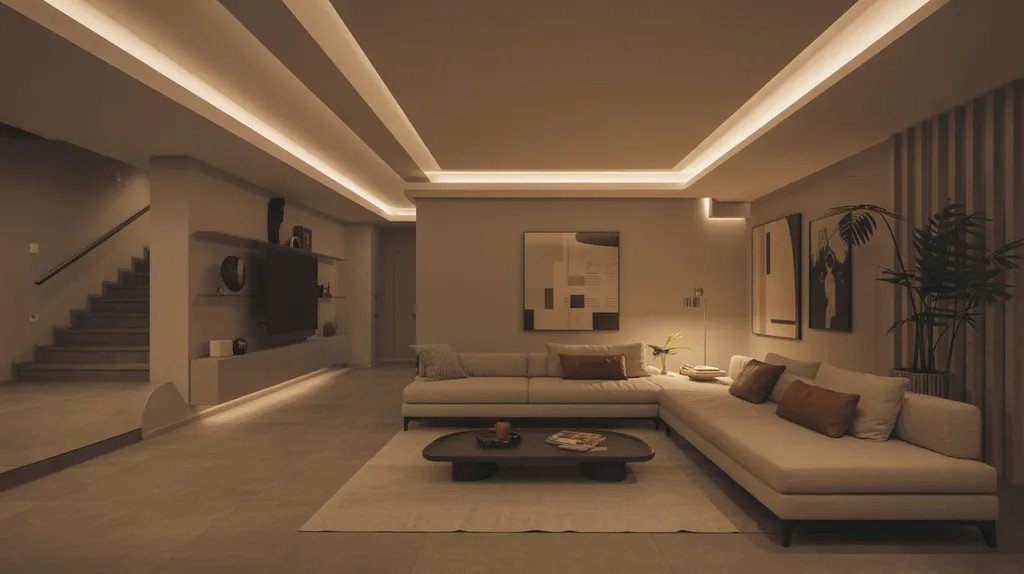
Light gray is clean, modern, and very forgiving. It doesn't make basements feel cold if you pair it with warm furniture.
Works especially well in smaller basements where you want a polished look. It's one of the most popular choices right now for good reason.
4. Warm Greige
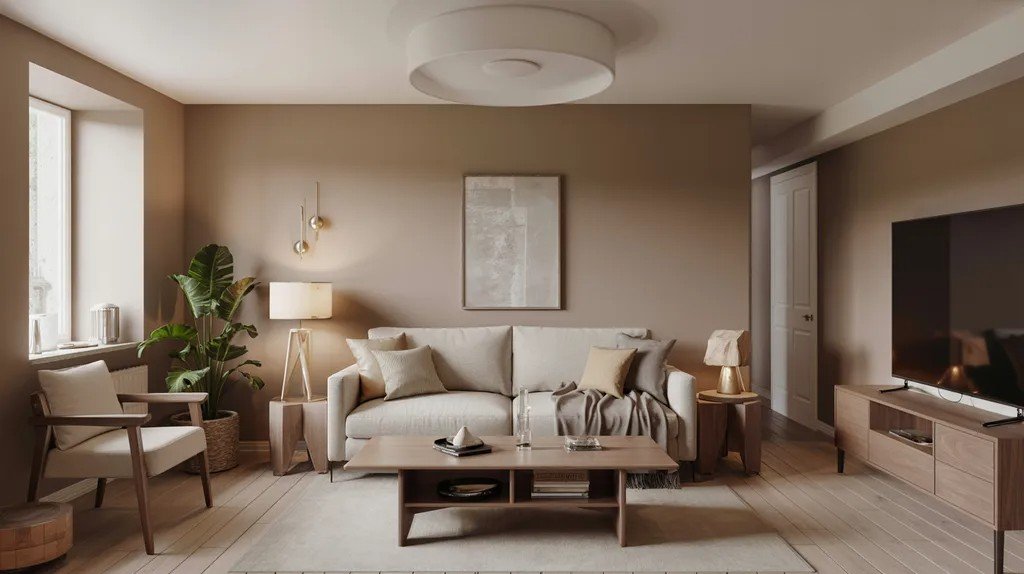
Greige sits right between gray and beige. It's flexible, calming, and works with almost any furniture color.
If you can't decide between warm and cool tones, greige solves the problem. It's the color I'd choose for a multi-use basement that needs to feel put together.
5. Beige Sand
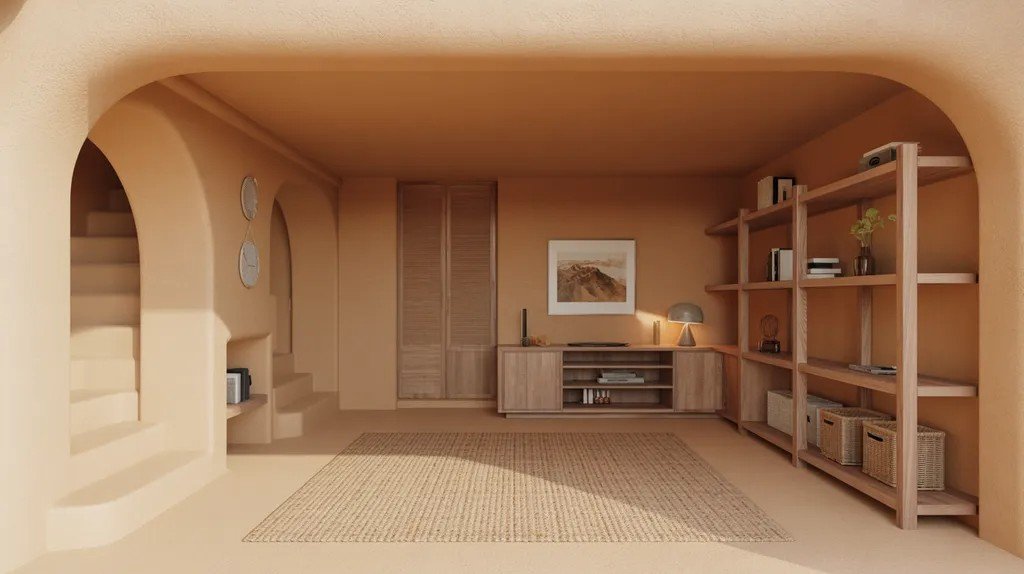
Beige sand brings in an earthy, grounded feeling. It's soft without being boring. This one works well in basements with lower lighting because it pulls in warmth rather than looking washed out.
Layer it with natural textures like jute rugs or wood shelving.
6. Pale Blue Mist
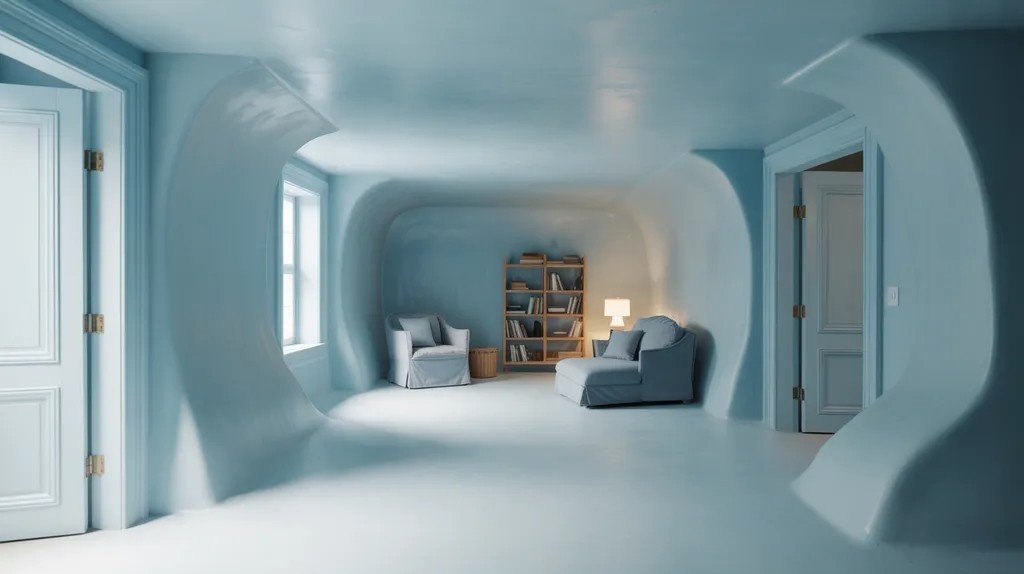
Pale blue mist adds a quiet, calm feeling to a basement. It makes the space feel a little more open.
Rooms used for relaxing, reading, or creative work do really well with this color.It also pairs well with white trim and gray furniture.
7. Navy Blue
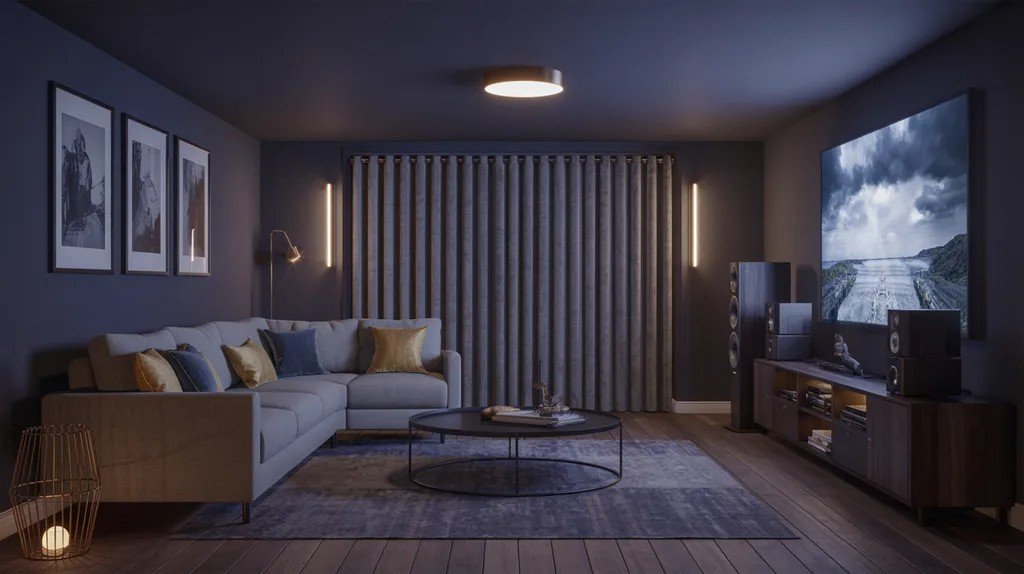
The Navy is bold and works best in media rooms or moody lounges. It creates depth and makes a basement feel intentional and designed.
Use it with brass or gold fixtures to keep it from feeling too heavy. Keep one wall lighter if the room is small.
8. Deep Charcoal
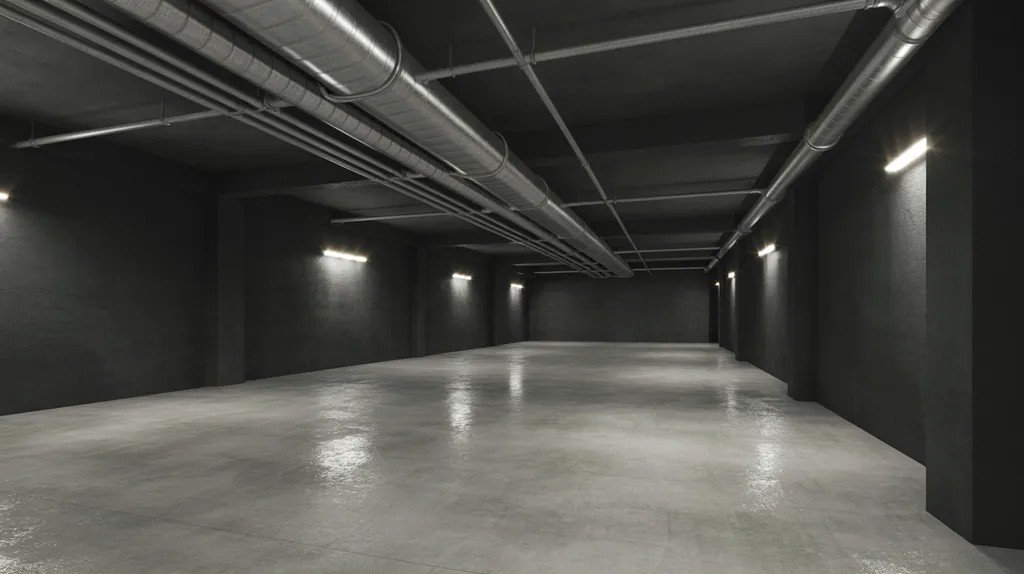
Charcoal is one of the best colors for a modern industrial basement. It's strong, serious, and works well with exposed pipes or concrete floors.
Pair it with bright white ceilings and good lighting. Without enough light, it can feel like a cave, so plan carefully.
9. Matte Black Accent Walls
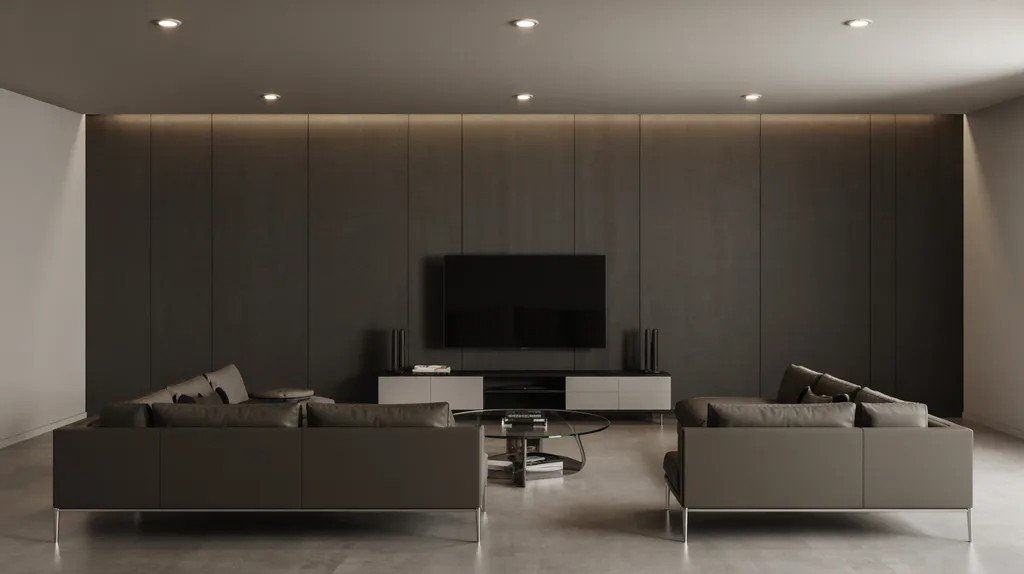
One matte black accent wall can change the whole feel of a basement. Use it strategically: behind a TV, bar area, or bookshelf.
Don't paint all four walls black. One wall is enough to create drama without closing in the space.
10. Sage Green
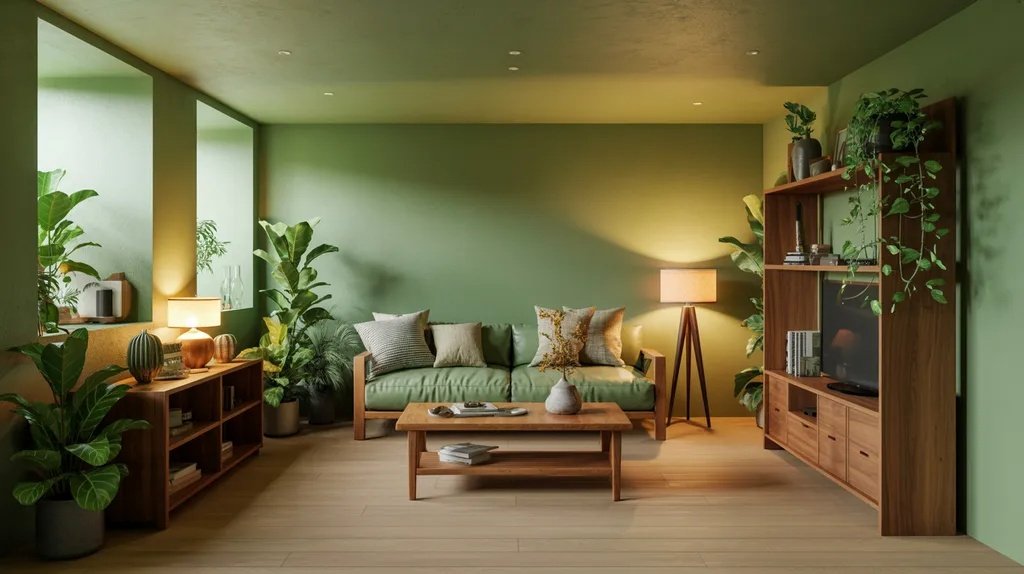
Sage green brings nature inside without trying too hard. It's one of my personal favorites for basement spaces used for yoga, reading, or casual lounging.
It pairs well with warm wood tones and cream-colored furniture. Calm, quiet, and not overdone.
11. Olive Green
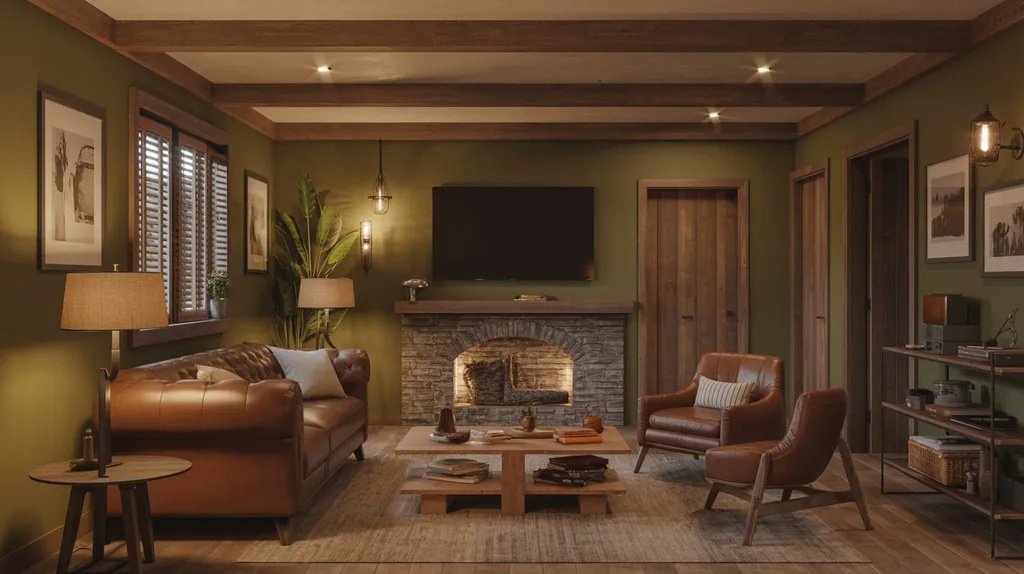
Olive is earthier and bolder than sage. It works well in basements that lean toward a cozy, slightly rustic feel.
Use it with leather furniture, dark wood, and warm lighting. It makes a basement feel grounded and lived-in rather than sterile.
12. Muted Teal
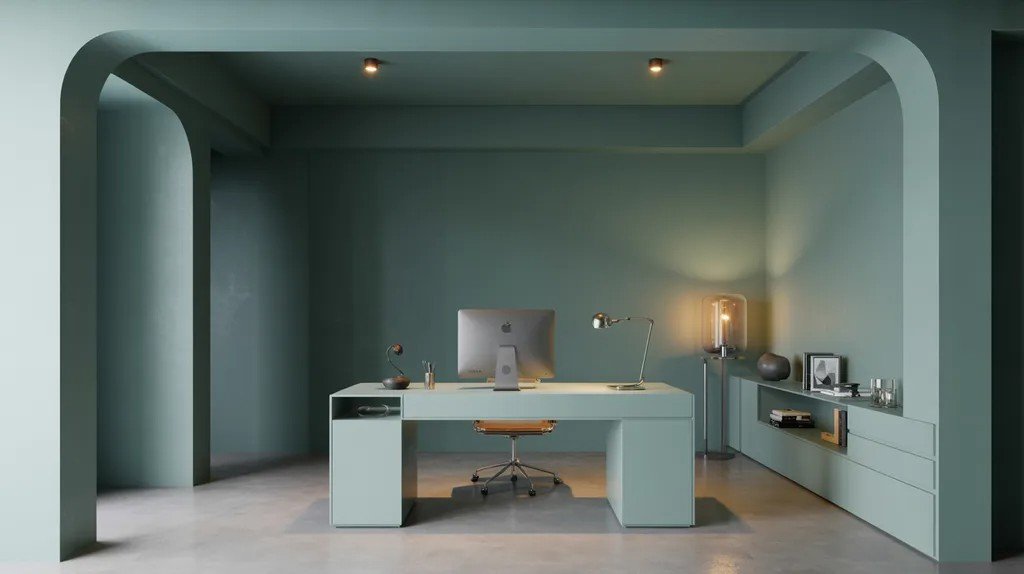
Muted teal sits between blue and green and hits a sweet spot. It's stylish without being trendy. Works well in basements used as home offices or creative spaces.
Pair it with white or off-white accents to keep the balance right.
13. Emerald Green
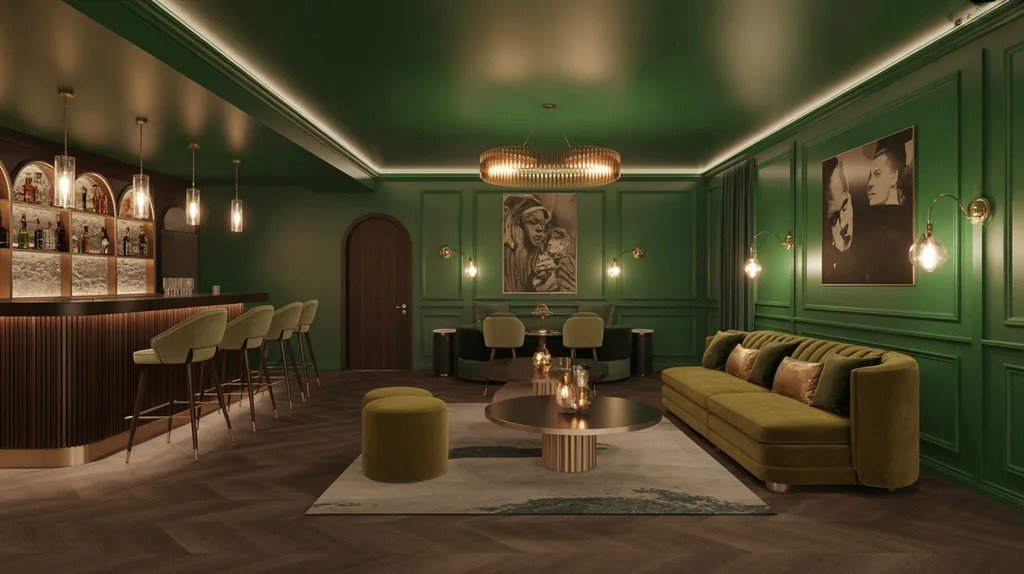
Emerald is rich, deep, and looks expensive. If you want a basement that feels like a bar or a high-end lounge, this is the color to use.
It works best with dark hardwood floors, gold accents, and focused lighting. Not for small spaces unless used on a single wall.
14. Soft Lavender
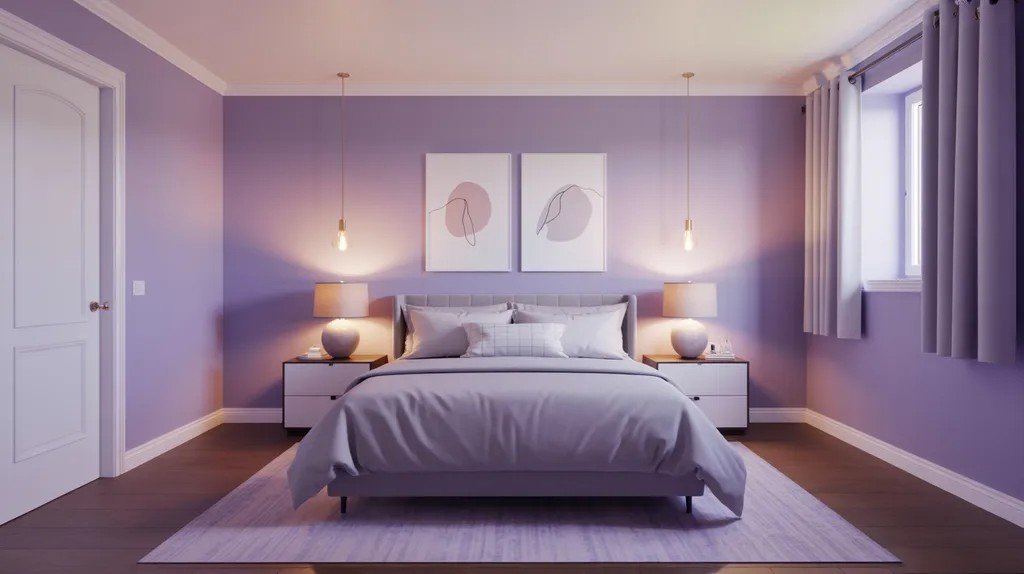
Soft lavender is gentle and calming. It works well in basement bedrooms or creative studios. It's not overpowering, just enough color to make the room feel personal.
Pair it with white trim and light gray flooring for a clean, soft finish.
15. Dusty Rose
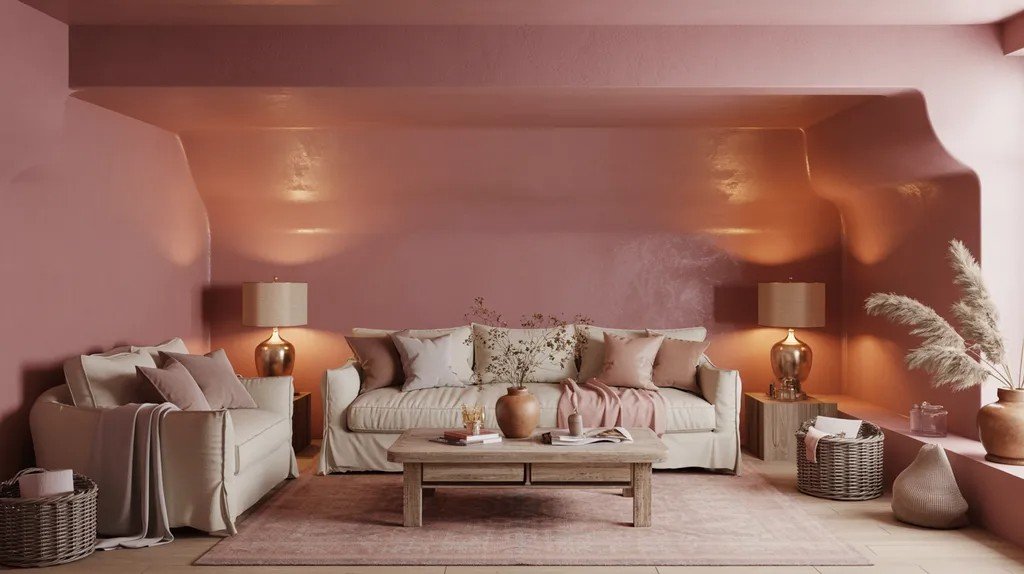
Dusty rose is not as bold as you might think. It's a muted, warm pink that reads more like a neutral in person.
Works well for basements designed for relaxing or creative use. Keep the rest of the room neutral to let this color shine without clashing.
16. Mustard Yellow Accent
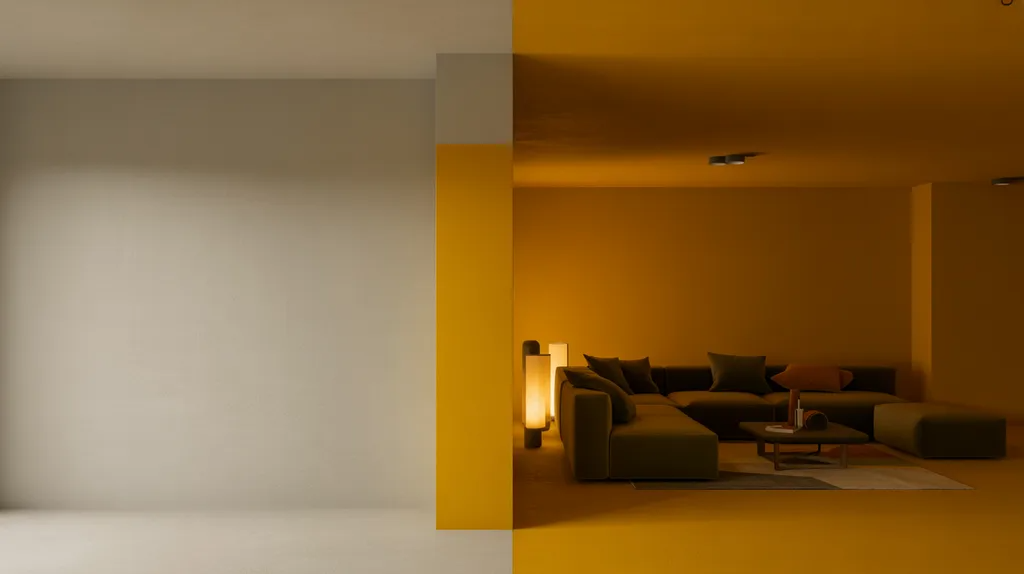
Don't paint the whole room mustard. Use it as an accent: one wall, a built-in shelf backdrop, or even on the ceiling.
It adds energy and warmth in small doses. Pair it with navy, deep green, or dark gray to keep the look balanced.
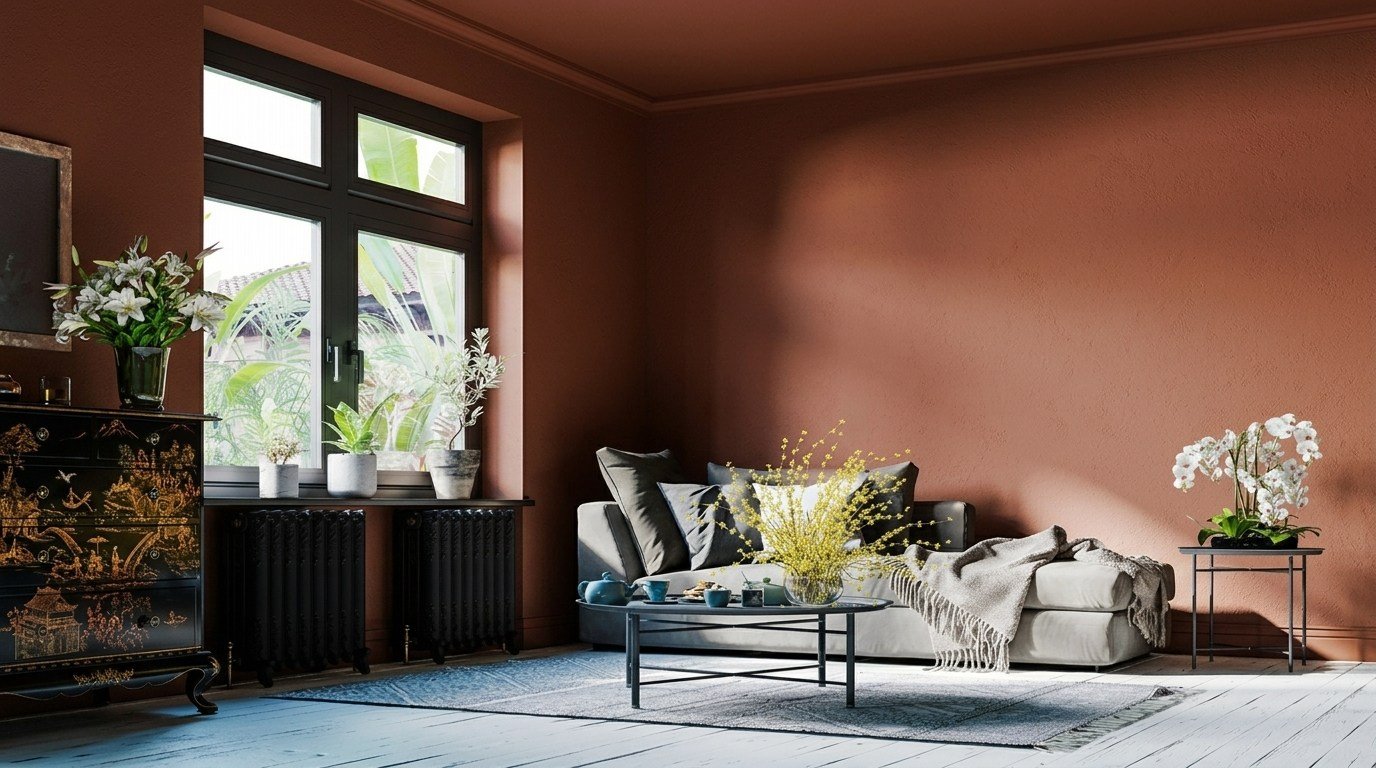
17. Terracotta
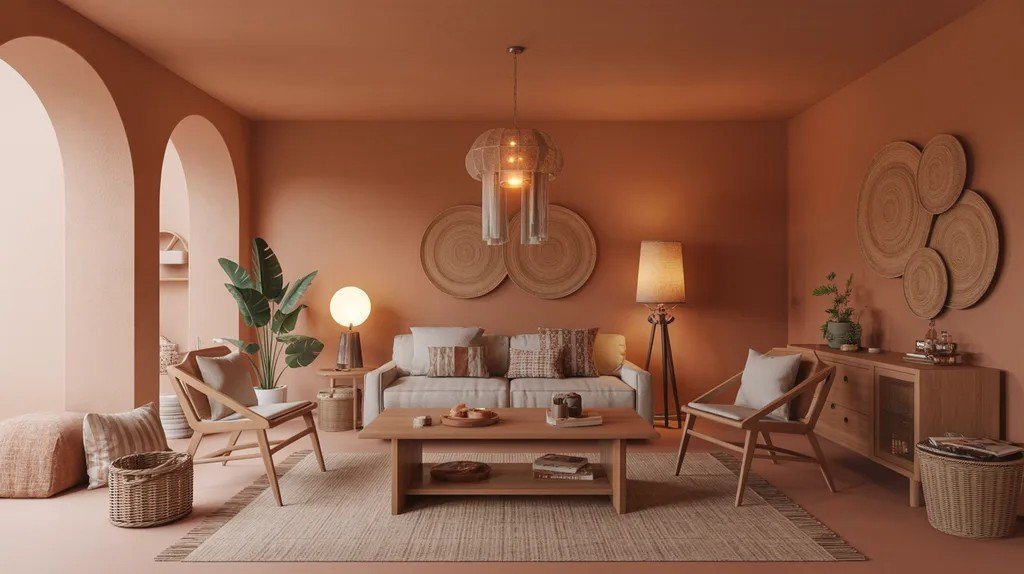
Terracotta is warm, earthy, and works especially well in rustic or boho-style basements. It pairs well with woven textures, wood furniture, and warm lighting.
If your basement has brick elements or exposed stone, terracotta ties everything together perfectly.
18. Burnt Orange
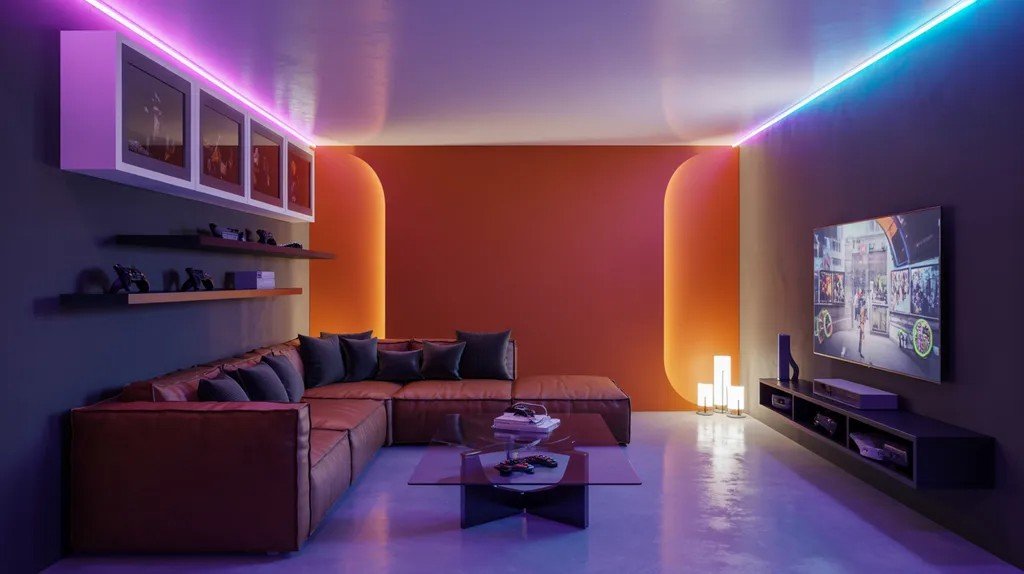
Burnt orange is a bold pick for entertainment spaces. It creates energy and excitement, great for game rooms or sports lounges.
Use it as a feature color rather than an all-over wall treatment. Pair with black, charcoal, or dark wood to tone it down.
19. Steel Blue
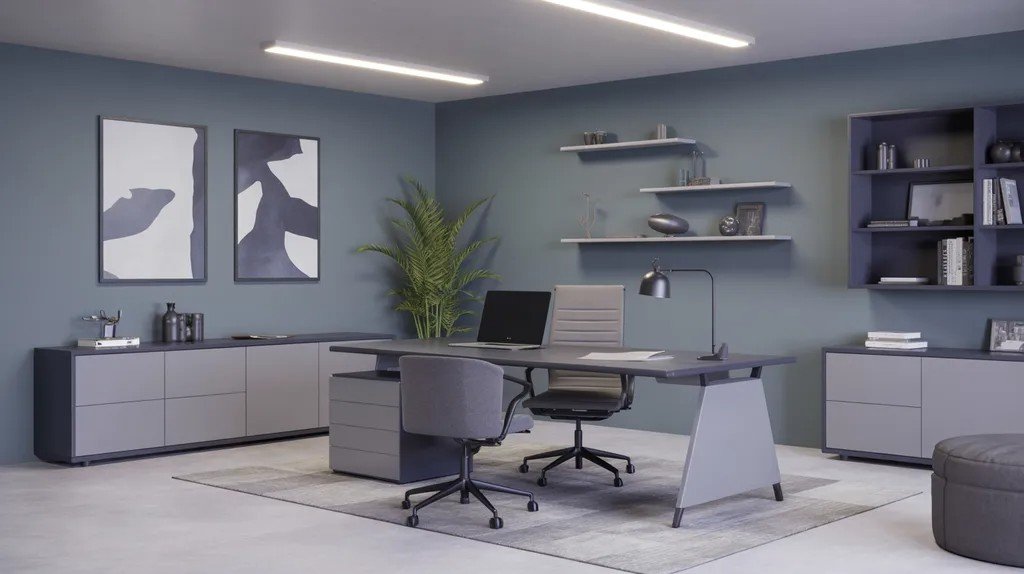
Steel blue is cool, modern, and creates a sense of depth without feeling cold. It's a great choice for home offices or media rooms.
It pairs well with crisp white ceilings and gray or wood-toned furniture. Not as bold as navy but still confident.
20. Indigo Blue
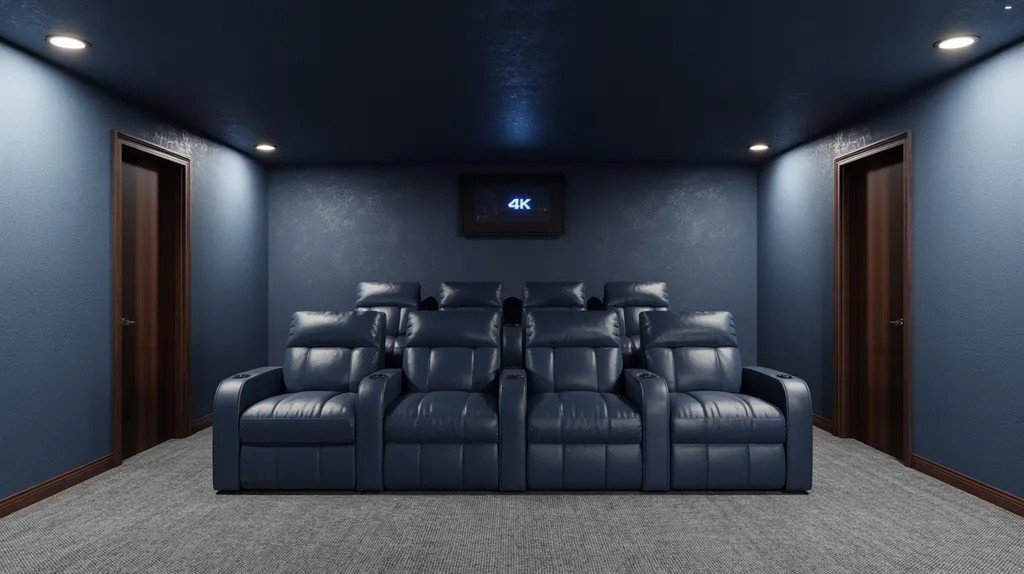
Indigo is deep, rich, and dramatic. It works especially well in home theaters or cinematic basement setups.
Keep the ceiling light and use directional lighting to prevent the room from feeling closed off. It's a moody color done right.
21. Soft Taupe
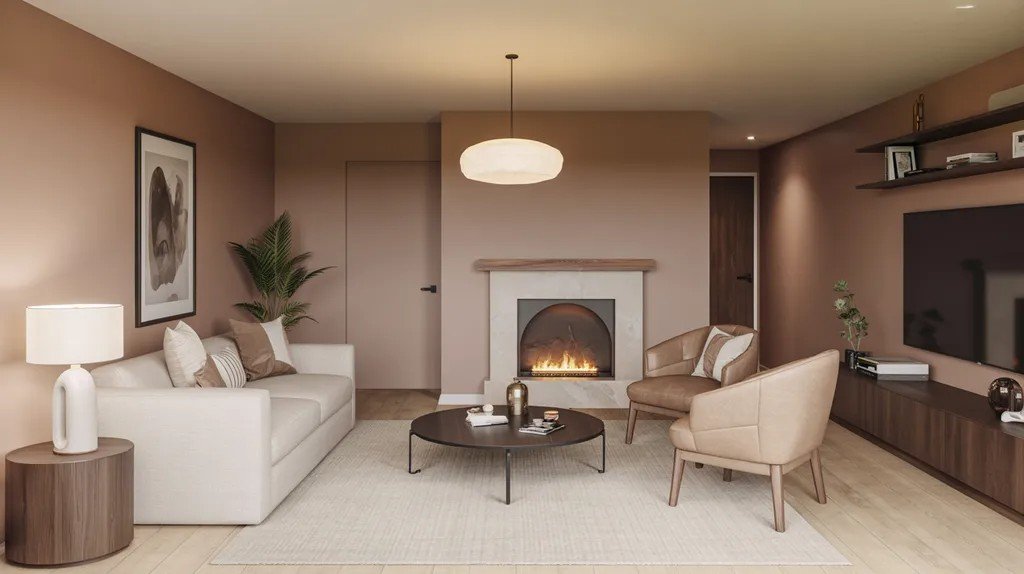
Taupe is one of the most reliable neutral tones for basements. It's warm, flexible, and works with almost any furniture style.
If you're not sure what color to pick and you need something safe and timeless, soft taupe is a strong choice.
22. Mushroom Gray
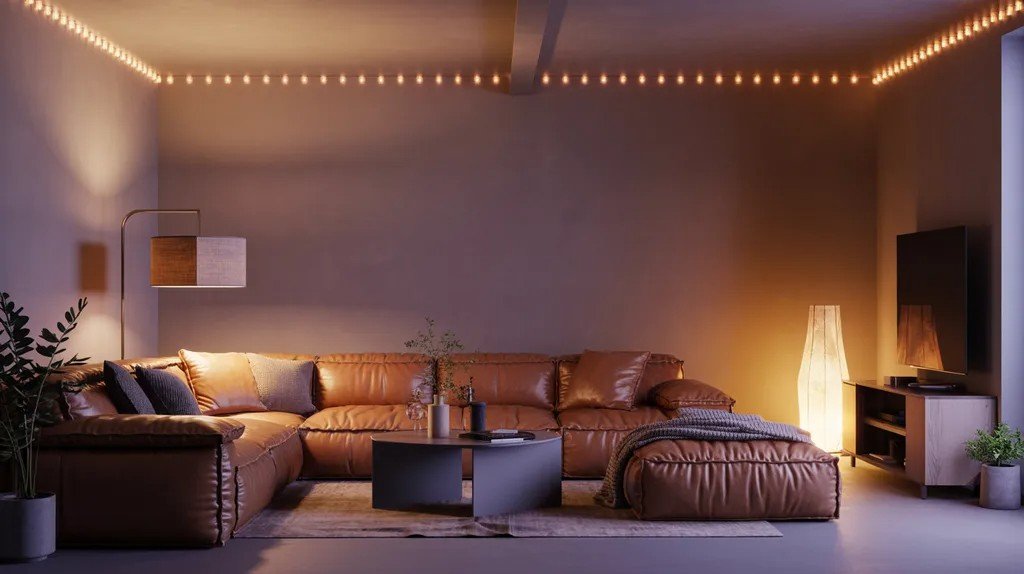
Mushroom gray has warm, natural undertones that keep a basement from feeling too cold or clinical.
It's a subtle color that makes a room feel comfortable and lived-in. Works well in multi-use spaces where you want a backdrop that doesn't compete.
23. Cloud White
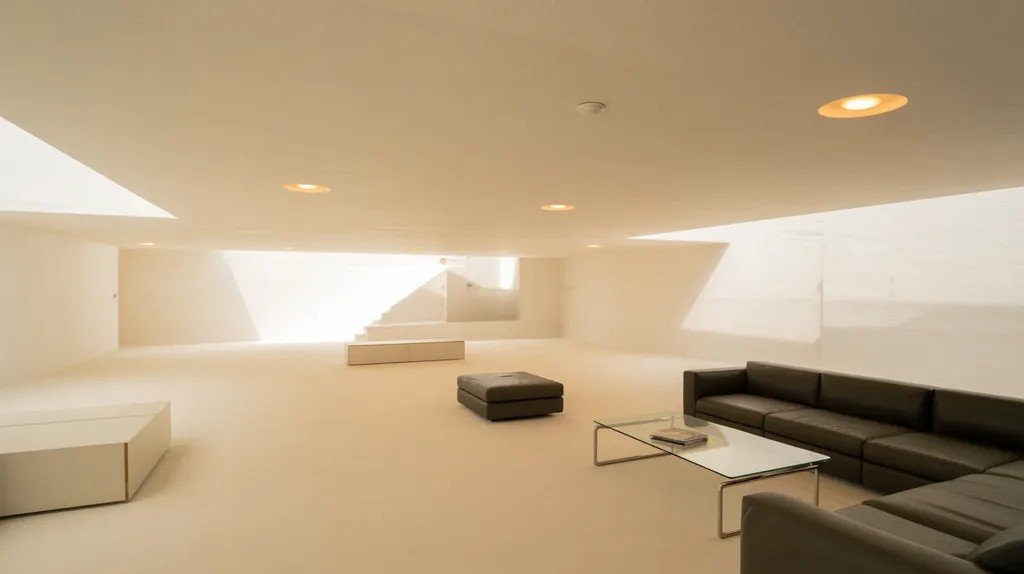
Cloud white is brighter than off-white but softer than pure white. It's great for reducing contrast while still keeping things light.
Works well when paired with warm lighting to prevent a sterile look. A reliable go-to for open basement layouts.
24. Mocha Brown
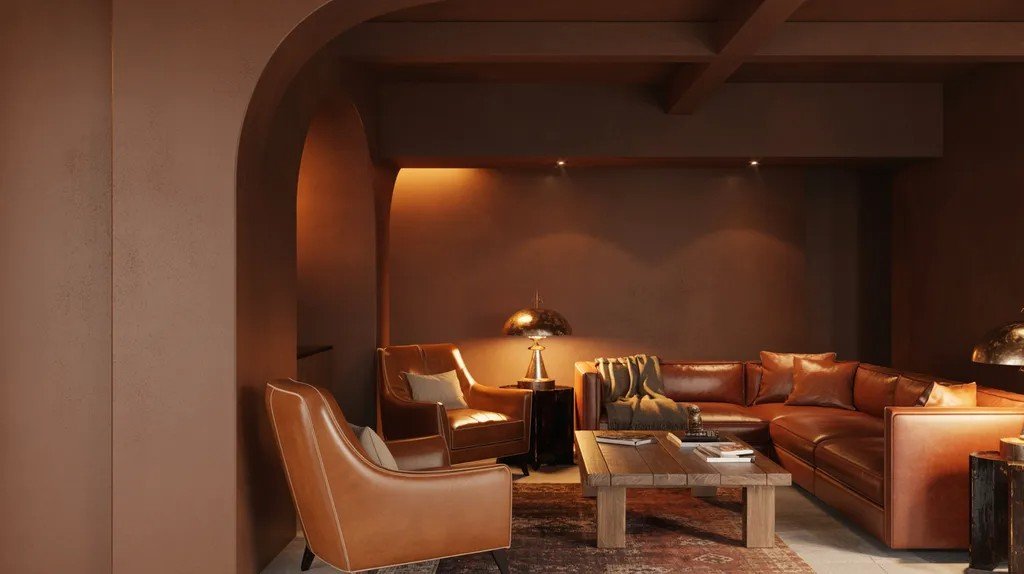
Mocha brown is rich, cozy, and grounded. It works well in spaces meant for relaxing: reading nooks, TV lounges, or casual family rooms.
Pair it with cream accents and warm lighting. It can make a room feel smaller, so use it wisely in tight spaces.
25. Two-Tone Color Scheme (Light + Dark Combo)
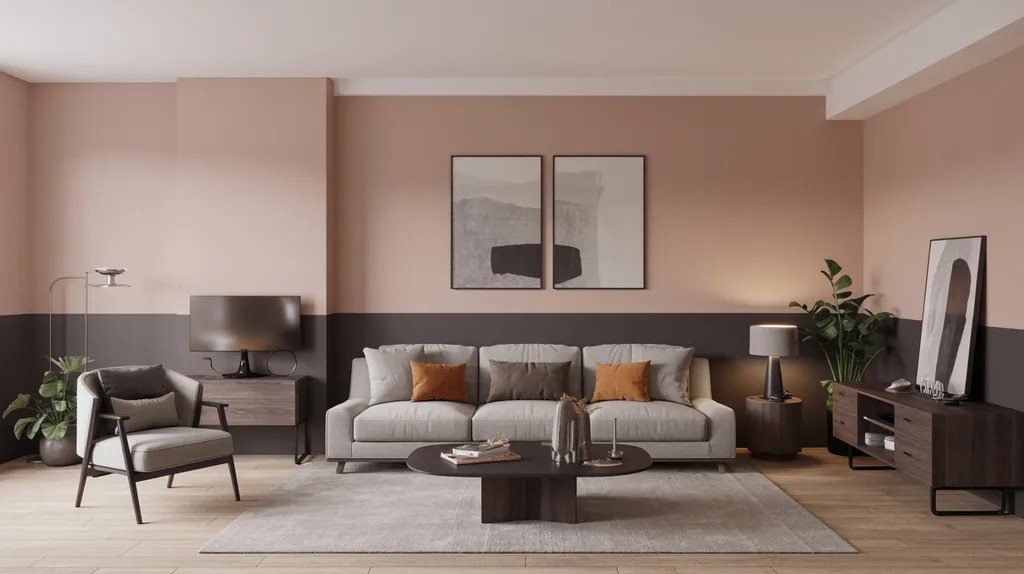
A two-tone approach uses a lighter color on the upper half of the wall and a darker shade on the lower half, or vice versa.
It adds depth, breaks up a large wall, and gives the basement a finished look without much effort. Great for any style of basement.
Best Basement Color Schemes by Room Function
The best color for your basement depends on how you use the room. Here's what works by function.
Basement Living Room
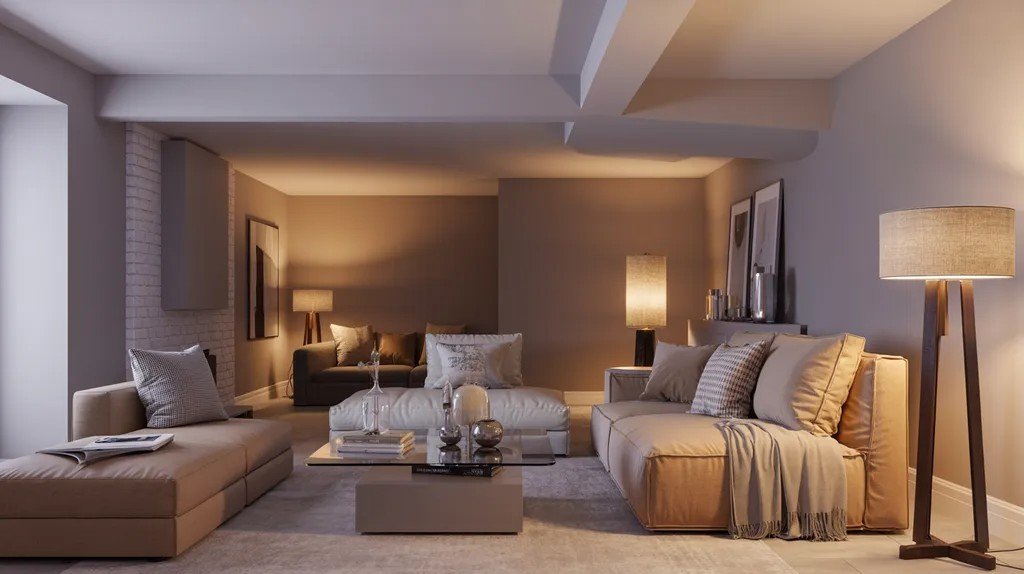
Greige, soft gray, and warm beige tones are the best picks for a basement living room. These colors make the space feel cozy and welcoming.
They pair well with warm lighting and soft furnishings. Keep it light so the room feels open rather than boxed in.
Basement Bedroom
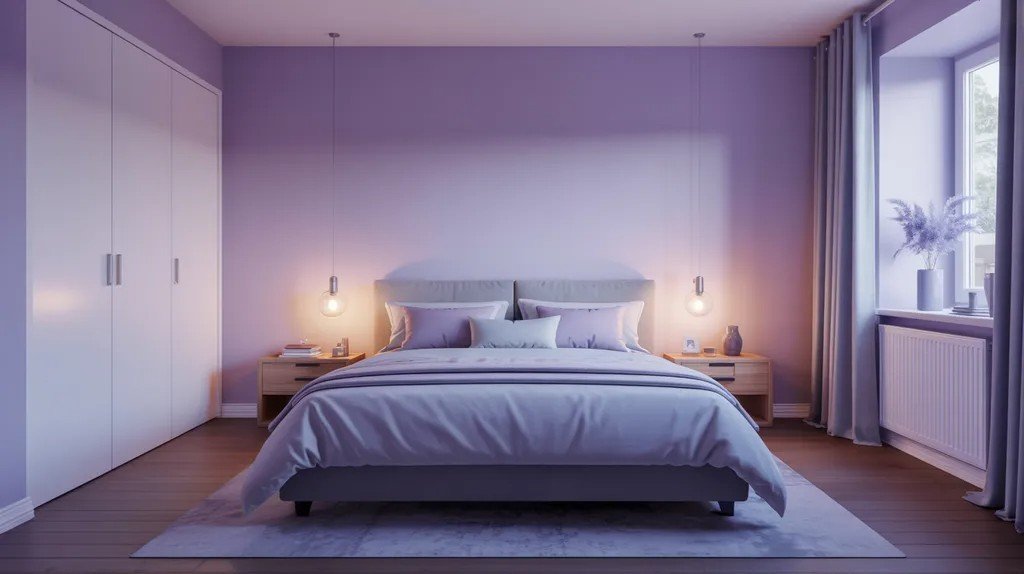
Soft white, lavender, and pale blue are calming options for a basement bedroom. These colors help the room feel restful even without natural light.
Layer with warm bedding, soft rugs, and bedside lamps to create the right atmosphere for sleep.
Basement Home Office
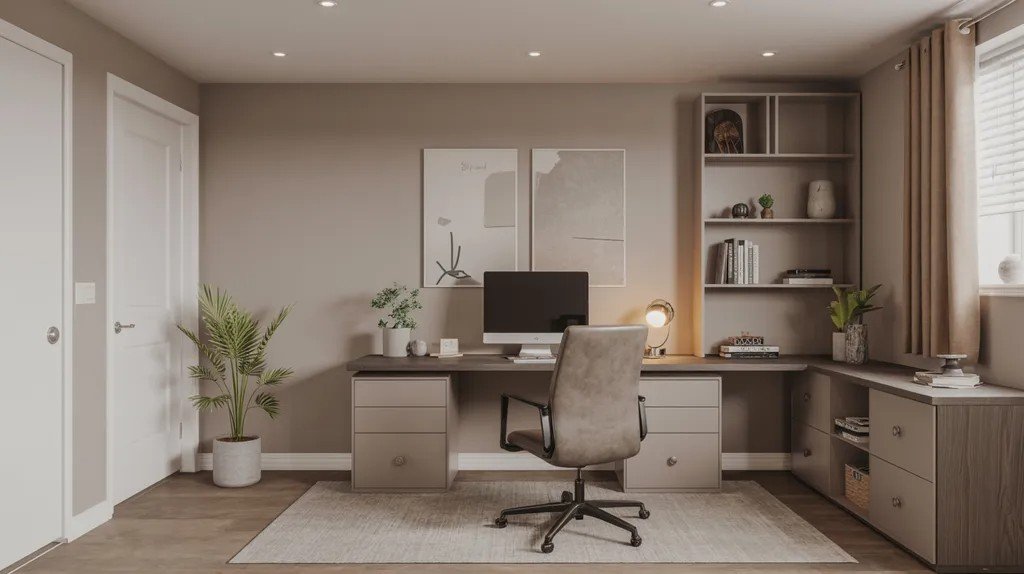
Neutral gray, taupe, and light beige work best in a home office setting. They're non-distracting and help you focus.
Avoid anything too bright or too bold, it pulls attention away from your work. Add a small plant or two to bring life into the space.
Basement Entertainment Room
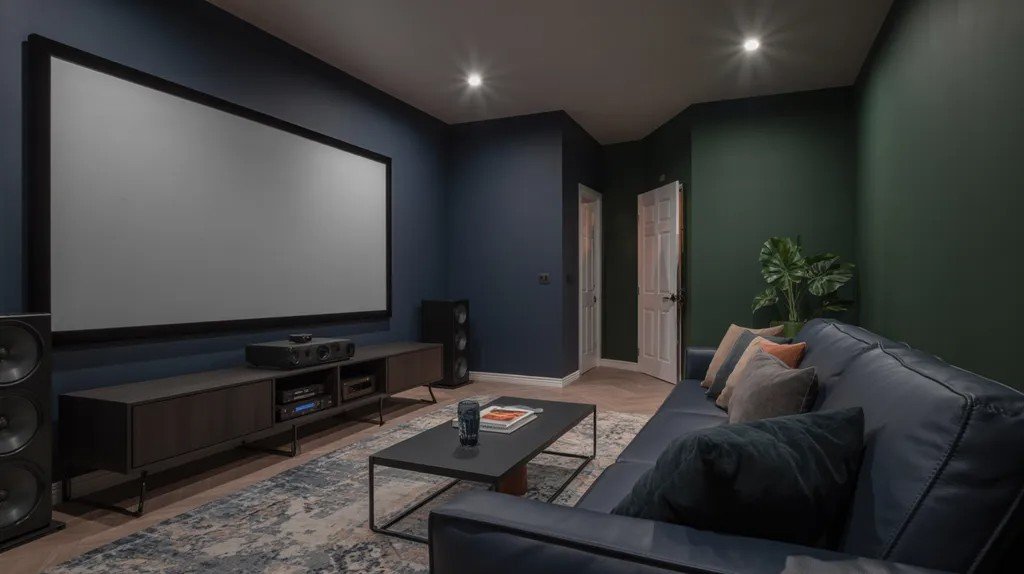
Navy blue, charcoal, and dark green create the right mood for a basement entertainment room. These colors absorb light and reduce glare on screens.
They also make the room feel immersive. Keep the seating and floor lighter to balance out the darker walls.
Basement Gym
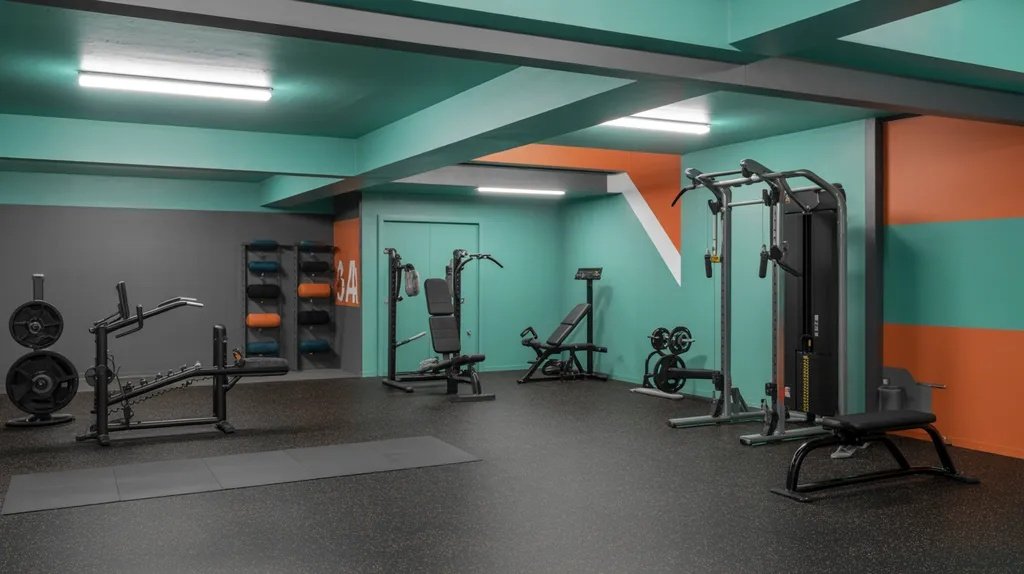
Teal, orange accents, and cool gray work well in a basement gym. Energetic tones help you stay motivated during a workout.
Cool gray keeps things clean and functional. Avoid colors that are too soft or warm, they don't push the same energy in a workout space.
Expert Basement Design Tips
A few practical tips that make a real difference when painting a basement.
- Stick to 2 to 3 colors. More than that and the space starts to feel chaotic. Pick a base, an accent, and a trim color.
- Use accent walls for depth. You don't need to paint every wall dark to get a dramatic effect. One bold wall does the job.
- Keep ceilings lighter than walls. This is especially important in basements with low ceilings. A lighter ceiling makes the room feel taller.
- Balance warm and cool tones. If your walls are cool gray, bring in warm furniture or lighting to stop the room from feeling flat.
- Function first, trends second. A gym needs different colors than a bedroom. Always start with how the room will be used before picking a color.
Conclusion
I know choosing basement color ideas can feel like a lot. But once you get the right shade on the wall, the whole room clicks.
I went with warm greige in my own basement and it made a huge difference: suddenly it felt like a real living space.
Start with your room's purpose, test a few swatches, and trust your gut.
Found something useful here? Drop a comment below or share this with a friend who's working in their basement. I'd love to hear what colors you choose.
Frequently Asked Questions
What is the best color for a dark basement?
Crisp white, soft off-white, or pale blue mist work best because they reflect light and make the space feel brighter.
Should I paint basement walls light or dark?
Light colors are generally better for basements with limited natural light, though dark tones work well in media rooms with controlled lighting.
What colors make a basement look bigger?
Light neutrals like soft white, light gray, and greige visually open up a basement and make it feel larger than it is.
Can I use bold colors in a basement?
Yes, use bold colors like navy, charcoal, or emerald on a single accent wall rather than all four walls to avoid the space feeling closed in.
How many colors should I use in a basement?
Stick to two or three colors max: a base wall color, an accent, and a trim color keeps the space looking clean and cohesive.