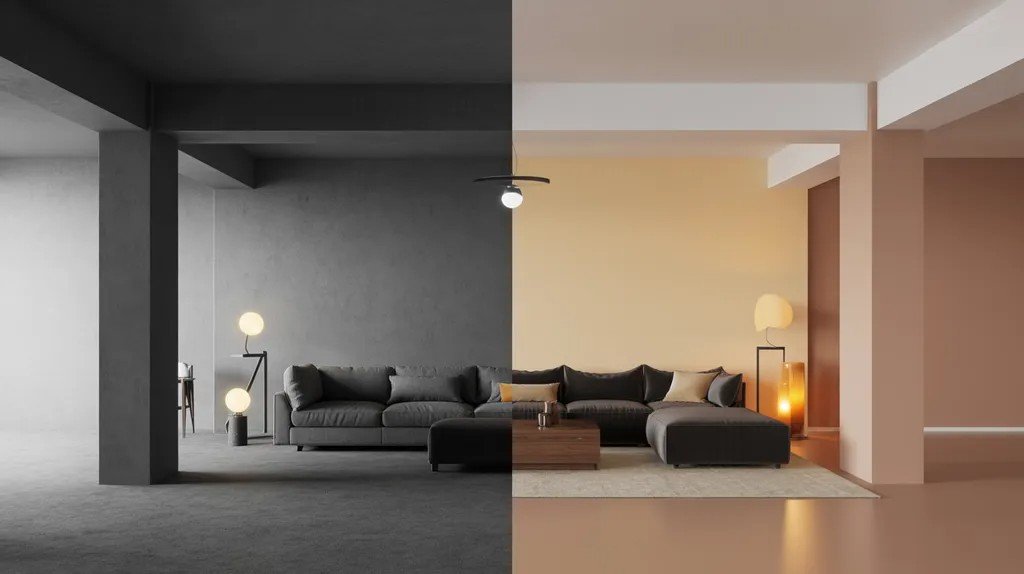
I've been there. You've primed your wall with an oil-based primer and now you're wondering if you can just roll on your water-based paint and call it done.
The short answer is yes, but there's a right way to do it.
In this article, I'll walk you through everything you need to know. I'll cover prep steps, common problems, application tips, and mistakes to skip.
Can you paint water based paint over oil based primer without ruining the finish? Yes, and I'll show you exactly how.
I've worked through this process firsthand, so everything here comes from real experience, not guesswork.
Understanding Water-Based Paint and Oil-Based Primer
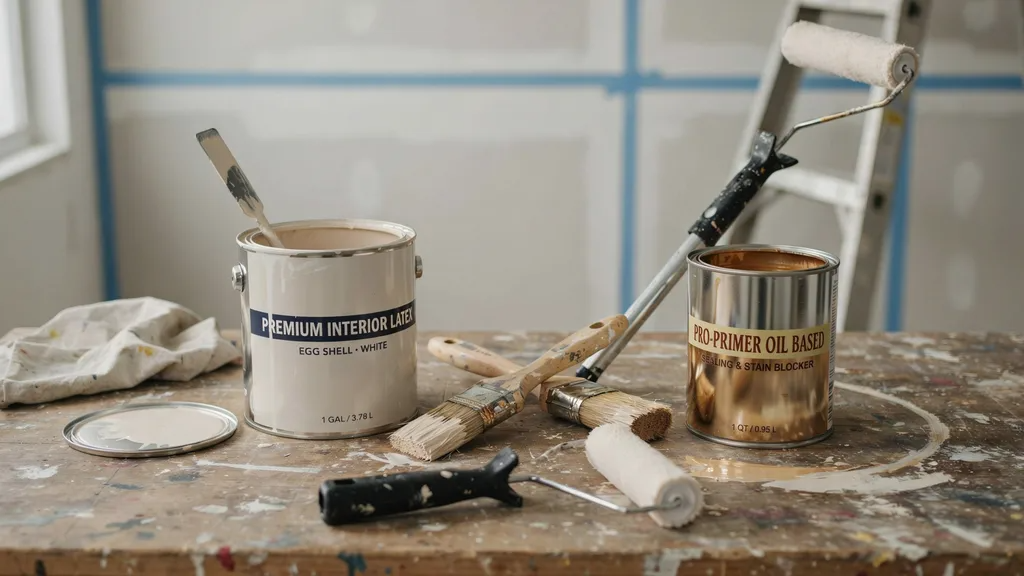
Water-based paint, also called latex paint, uses water as its carrier. It dries fast, has low fumes, and cleans up with soap and water. It's the most common type used in homes today.
Oil-based primer is different. It uses mineral spirits or paint thinner as its base.
It goes on thick, bonds well to bare wood or metal, and creates a hard surface when it dries.
The two products have different chemistry. That's why people worry about using them together. But with the right prep, they can work well as a system.
Why Homeowners Paint Water-Based Paint Over Oil-Based Primer
Most people choose oil-based primer because it blocks stains better. It also grips raw surfaces like bare wood and metal more firmly.
Can You Paint Water Based Paint Over Oil Based Primer Without Sanding?
Technically, yes. But I wouldn't recommend it.
Oil-based primer dries to a smooth, hard surface. Water-based paint can struggle to grip that surface without some texture to hold onto.
Skipping the sanding step often leads to peeling or flaking within months.
If the primer is flat or has a low sheen, you might get away with it. But if the primer has any gloss, sanding is not optional. It's the one step that makes everything else work.
How to Prepare Oil-Based Primer for Water-Based Paint
Good prep is what makes the paint stick and the finish last for years.
Step 1: Confirm the Primer Is Fully Cured
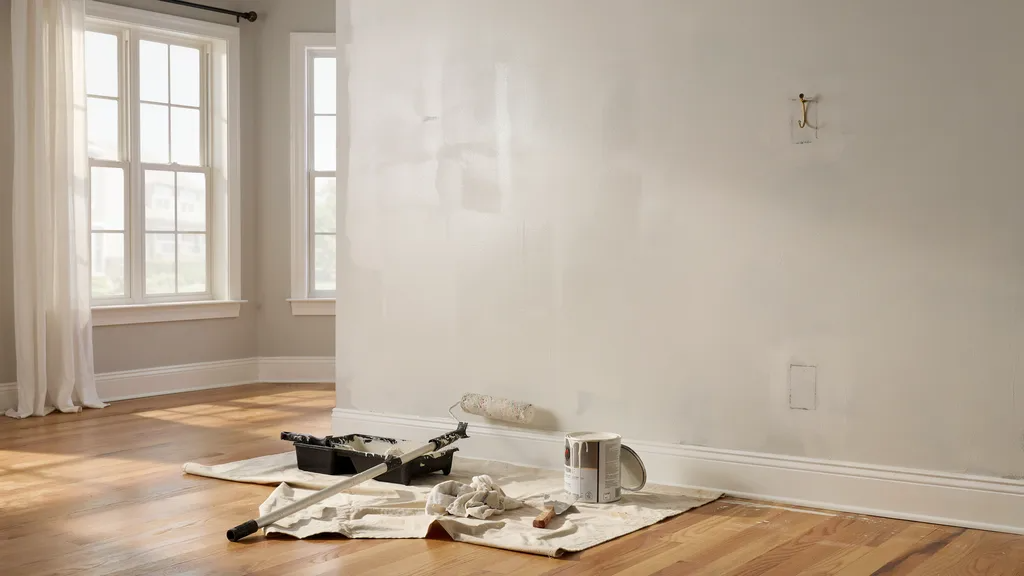
Oil-based primer takes longer to dry than water-based products. It might feel dry to the touch in a few hours, but full curing can take 24 hours or more.
Painting too soon can cause adhesion issues. Always check the primer label for the recommended recoat time.
Step 2: Sand the Surface to Remove Gloss
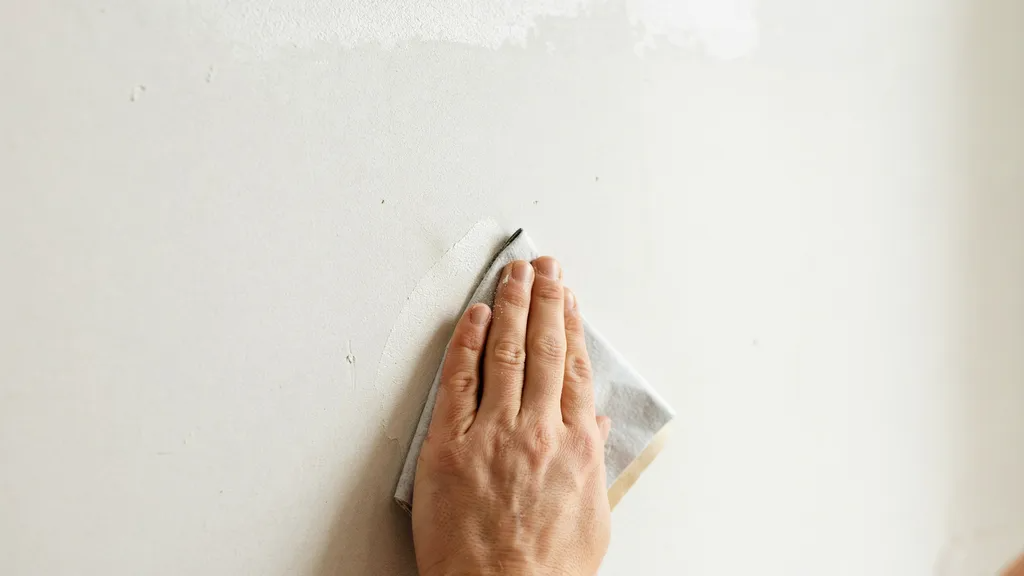
Use 120 to 180-grit sandpaper. Sand the primed surface lightly until the sheen is gone. You're not trying to remove the primer.
You just want to scuff it up so the paint has something to grip.
After sanding, the surface should look dull and feel slightly rough when you run your hand over it.
Step 3: Clean Away Dust, Dirt, and Grease
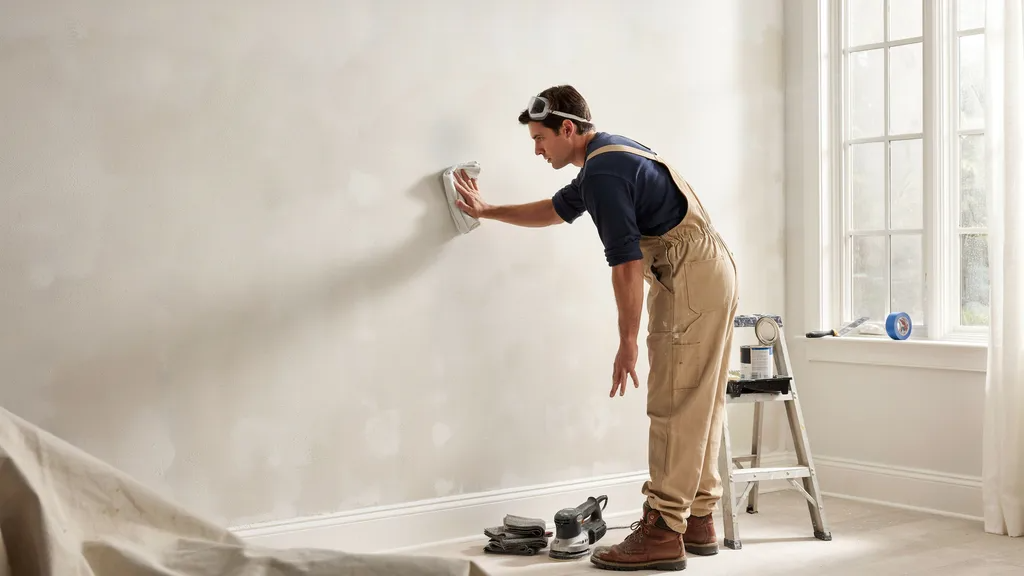
This step is easy to skip. Don't.
Wipe the surface with a damp cloth or a tack cloth to remove all the sanding dust. If the surface has any grease, use a degreaser first.
Paint won't stick to a dirty surface, no matter how well you sanded.
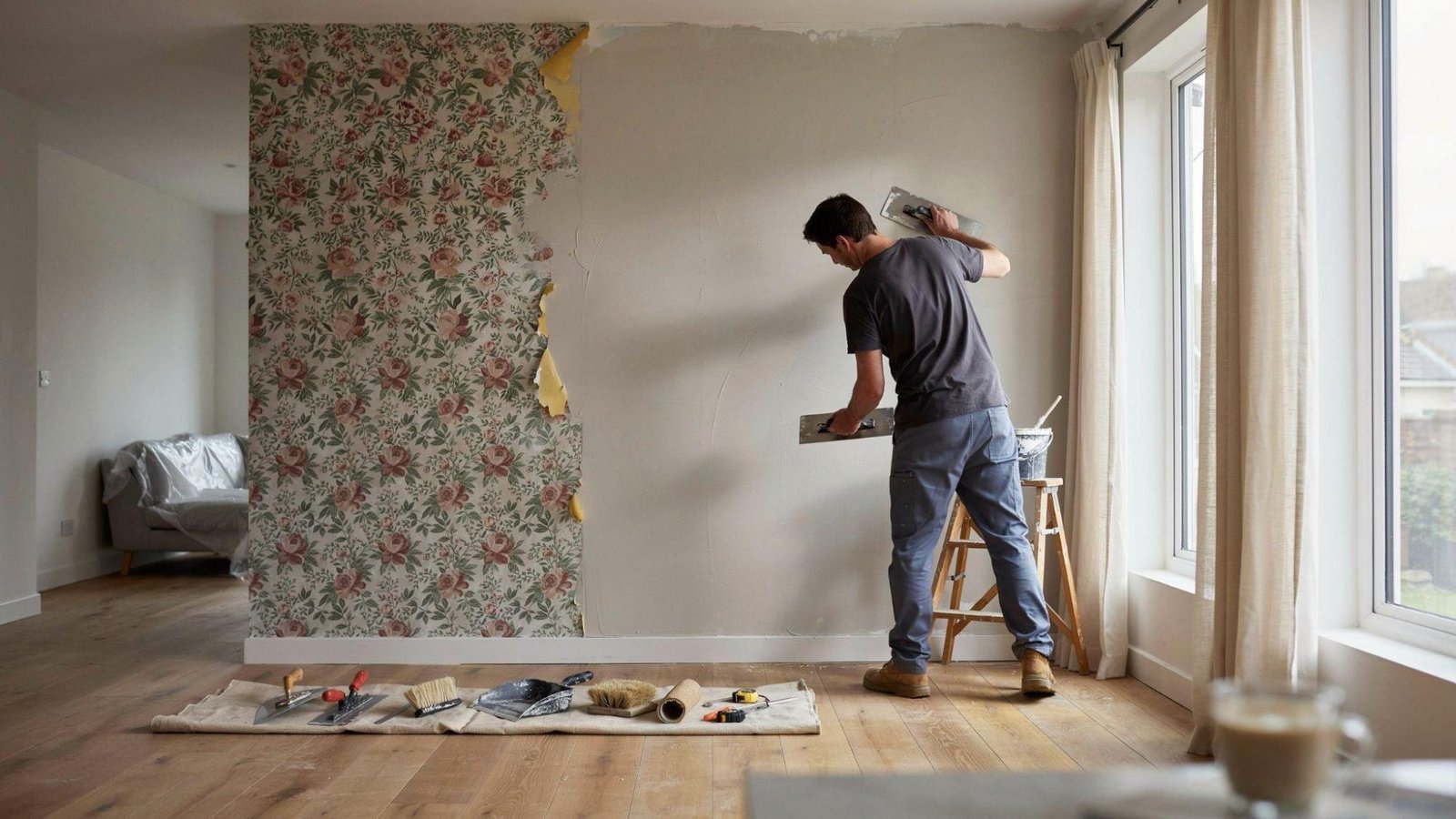
Step 4: Repair Surface Imperfections
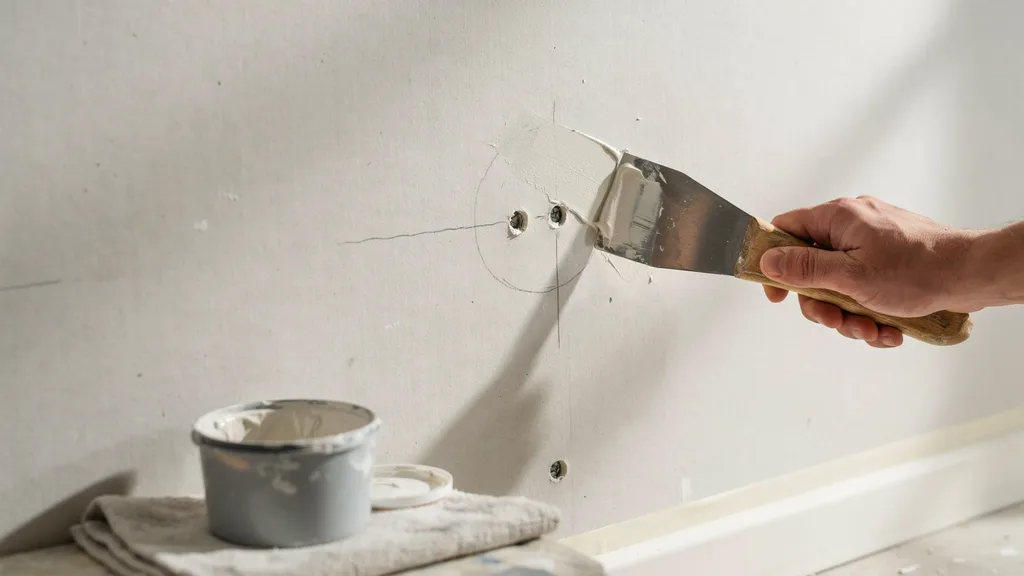
Check for any cracks, holes, or gouges. Fill them with a lightweight spackle or filler. Let it dry fully, then sand smooth.
A flat, clean surface gives you the best shot at a smooth finish.
Step 5: Apply a Bonding Primer if Needed
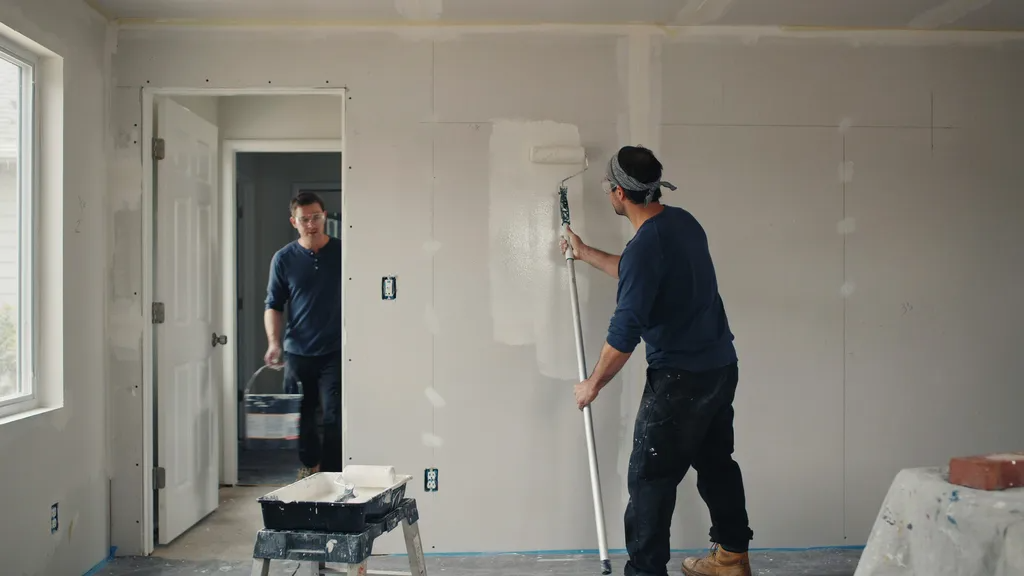
If the oil-based primer is old, peeling, or has a heavy gloss, add a coat of bonding primer. This acts as a bridge between the oil base and the water-based topcoat.
Bonding primers are water-based and dry fast. One coat is usually enough.
How to Apply Water-Based Paint Over Oil-Based Primer
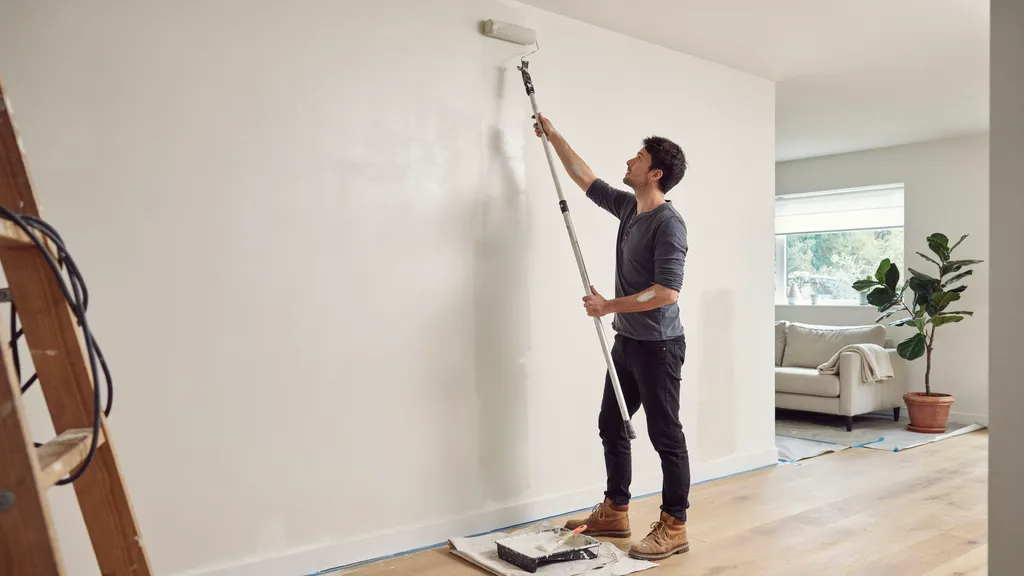
Once the prep is done, application is straightforward.
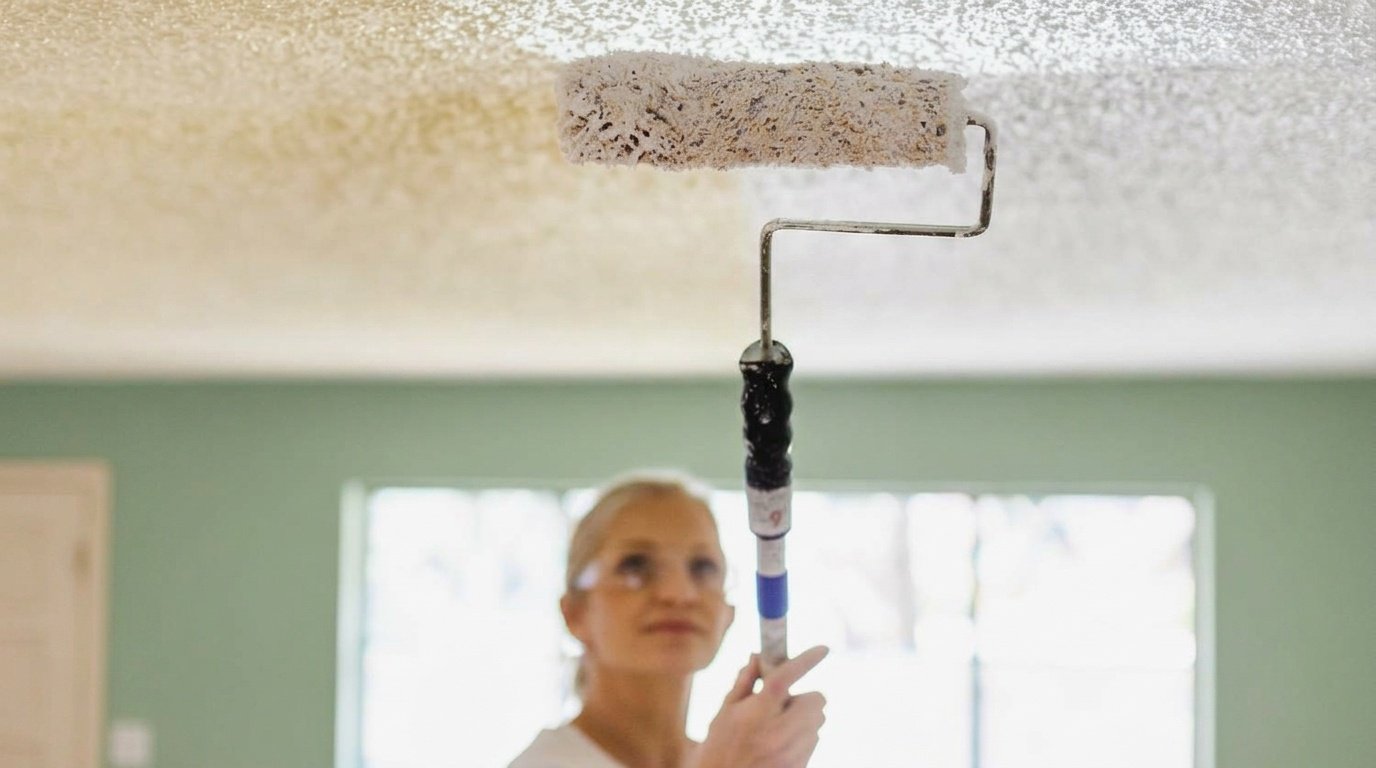
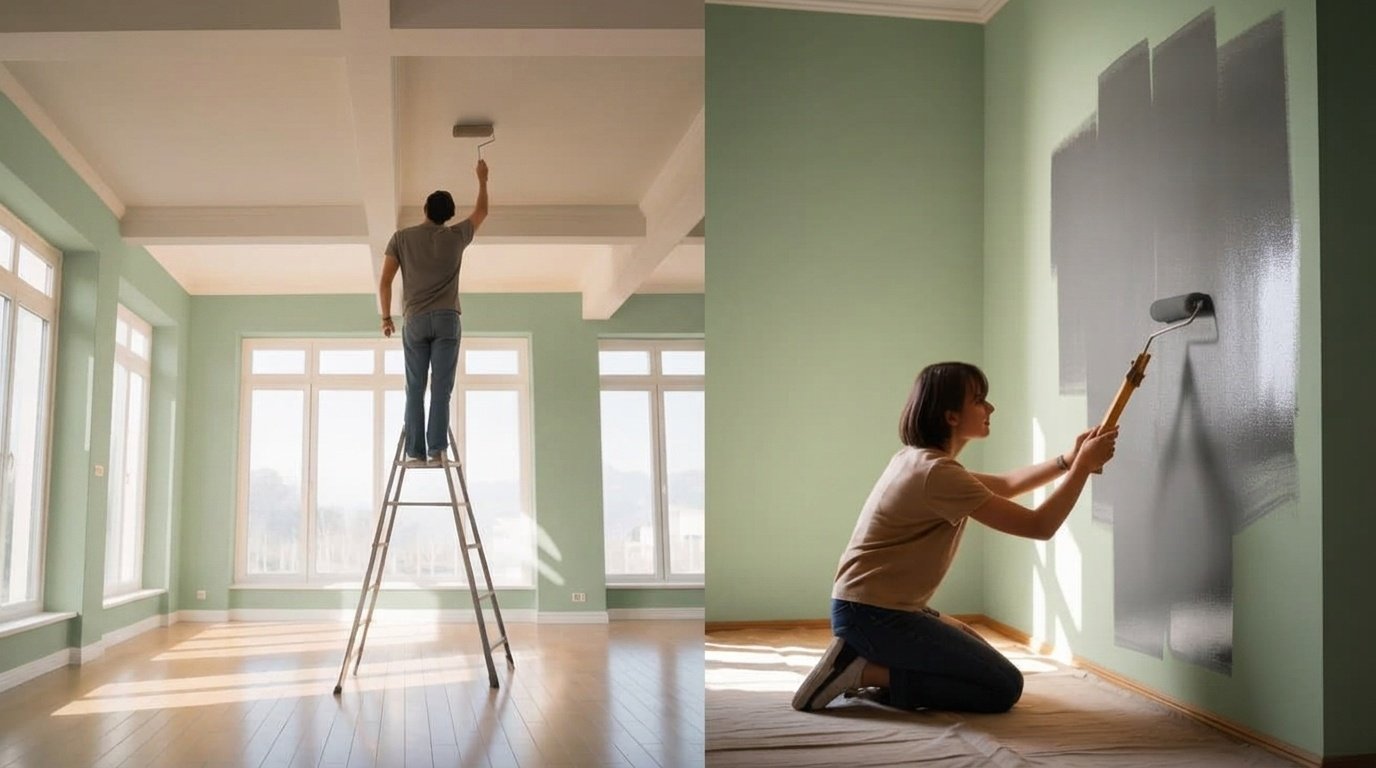
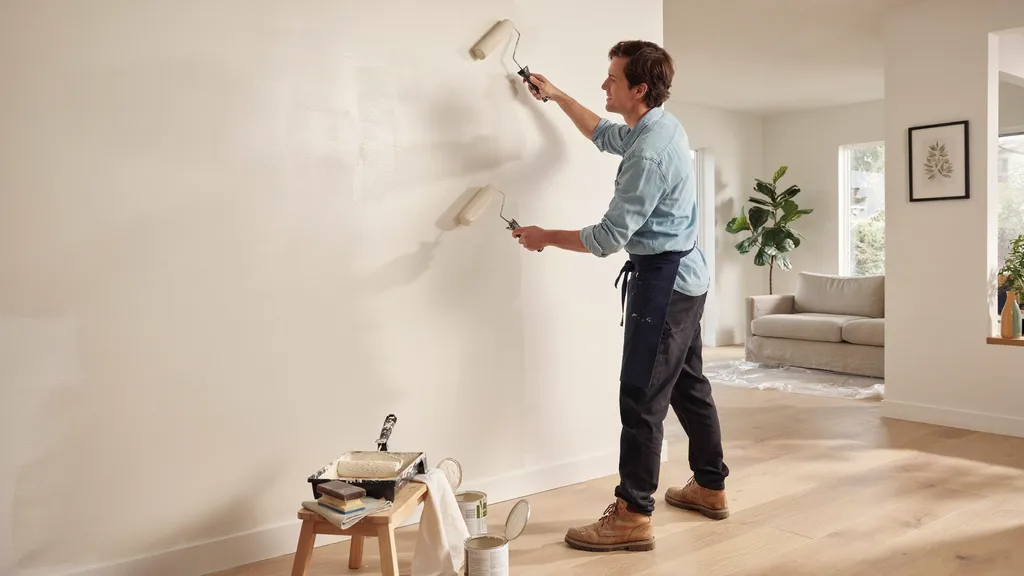
Use a quality brush or roller meant for water-based paint. Apply a thin, even first coat. Don't try to get full coverage in one pass.
Let it dry completely. Most water-based paints dry to the touch in one to two hours. Then apply a second coat.
Two thin coats always beat one thick coat. The finish looks better and the paint holds longer.
How to Avoid Adhesion Problems
Sand before you paint. Every time.
Keep the surface clean. No dust, no grease, no moisture.
Use a bonding primer if you're unsure about compatibility. It's a cheap step that prevents expensive problems.
Avoid painting in extreme heat or cold. The ideal temperature range is between 50°F and 85°F.
Don't rush. Give each coat enough time to dry before adding the next.
Best Surfaces for Water-Based Paint Over Oil-Based Primer
This combination works well on:
- Interior drywall and plaster
- Bare or stained wood (after proper primer cure)
- Previously painted walls in good condition
- Trim and molding
It works less well on surfaces that get heavy wear or moisture exposure, like garage floors or outdoor metal. For those, you'd want to stick with an oil-based topcoat for better durability.
Mistakes to Avoid When Painting Over Oil-Based Primer
These are the most common slip-ups that turn a good paint job into a peeling mess.
- Skipping the cure time:Painting over wet primer is the fastest way to ruin your work.
- Not sanding:The most common mistake. Glossy primer will not hold paint well.
- Ignoring surface cleanliness: Even a thin layer of dust can break adhesion.
- Using the wrong roller:Thick nap rollers leave texture. Use a 3/8-inch nap for smooth walls.
- Applying paint too thick: One heavy coat is worse than two thin ones.
Conclusion
So, can you paint water based paint over oil based primer? Yes, and it works well when you follow the right steps.
Sand the primer, clean the surface, and let everything dry fully before you move on.
I've done this on multiple projects, and when I didn't rush it, the results held up for years.
The prep work feels tedious, but it's what separates a paint job that lasts from one that peels in six months.
Take your time, work in the right conditions, and use a bonding primer when in doubt. Have you tried this combination before? How did it hold up for you?
Frequently Asked Questions
How long should I wait before painting water-based paint over oil-based primer?
Wait at least 24 hours after applying oil-based primer before painting over it. Check the label for the manufacturer's recommended cure time, as some products may need longer.
Do I need to use a special brush for water-based paint over oil-based primer?
Yes, use a synthetic brush made for latex or water-based paints. Natural bristle brushes are better suited for oil-based products and can go limp with water-based paint.
Can I use spray paint instead of a roller or brush?
Yes, you can spray water-based paint over oil-based primer. Just make sure the primer is sanded, clean, and fully cured before spraying for best results.
Will the paint peel if I skip the bonding primer?
It might not peel right away, but skipping bonding primer on a glossy oil-based surface increases the risk of adhesion failure over time, especially in high-moisture areas.
Is oil-based primer still worth using if I plan to use a water-based topcoat?
Yes. Oil-based primer is still one of the best options for stain blocking and gripping bare wood. You just need to prep it properly before applying your water-based topcoat.