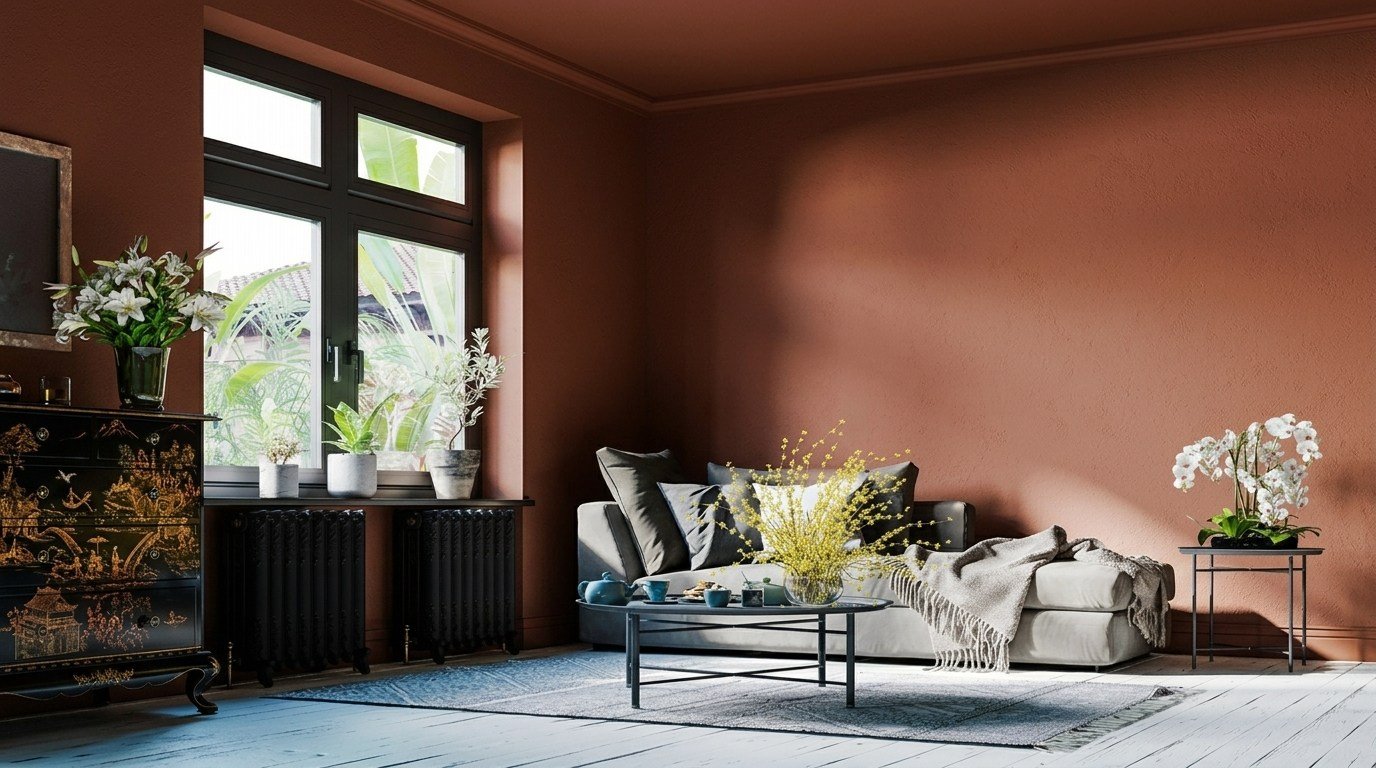
Choosing the right paint colors for dark rooms can be frustrating. A color that looks bright in the store may appear dull or gloomy once it’s on your walls.
If your room gets little natural light, finding a shade that makes the space feel brighter and more inviting can be a challenge.
In this guide, you’ll learn which paint colors work best in dark rooms, how lighting affects color, which shades to avoid, and simple tips to make any low-light space feel larger.
The goal is to help you choose a color with confidence and avoid costly mistakes.
I’ve spent years researching home improvement and interior design trends, and this guide is based on practical, proven color principles that homeowners use every day.
How to Choose the Best Paint Colors for Dark Rooms
Choosing the right paint color for a dark room involves more than picking a shade you like.
The type and amount of light a room receives have a major impact on paint color. Rooms with limited natural light often make colors appear darker and less vibrant.
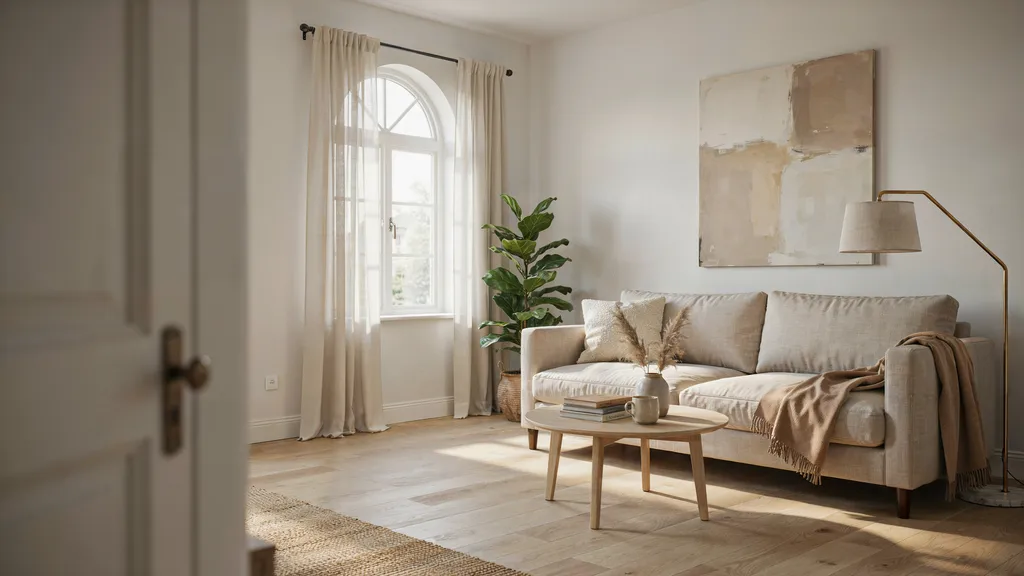
Think about how the room is used and the mood you want to create. A small, dark room can benefit from light-reflective colors that make the space feel larger and more open.
The function of the room matters too. Living rooms and kitchens often feel best with bright, airy colors, while bedrooms may benefit from soft, calming tones.
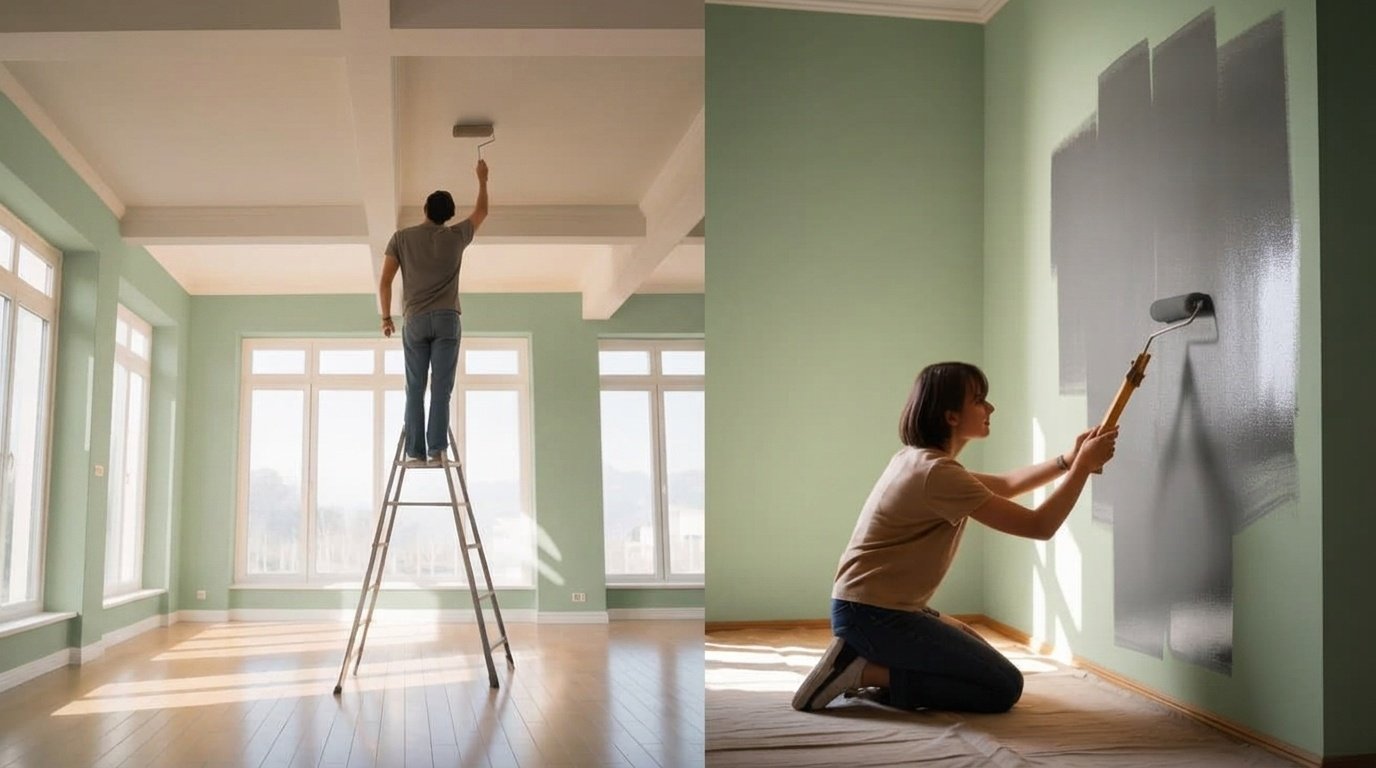
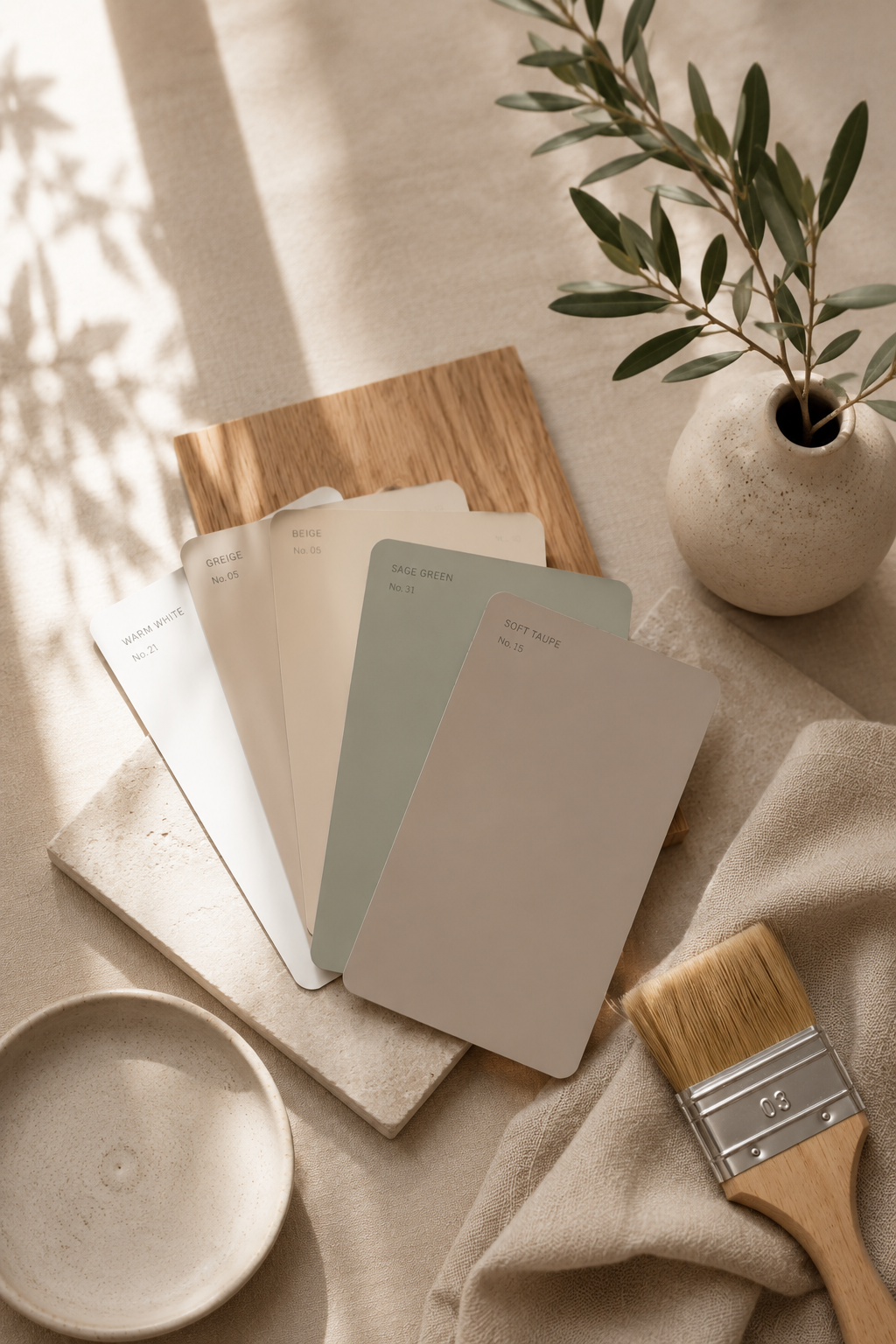
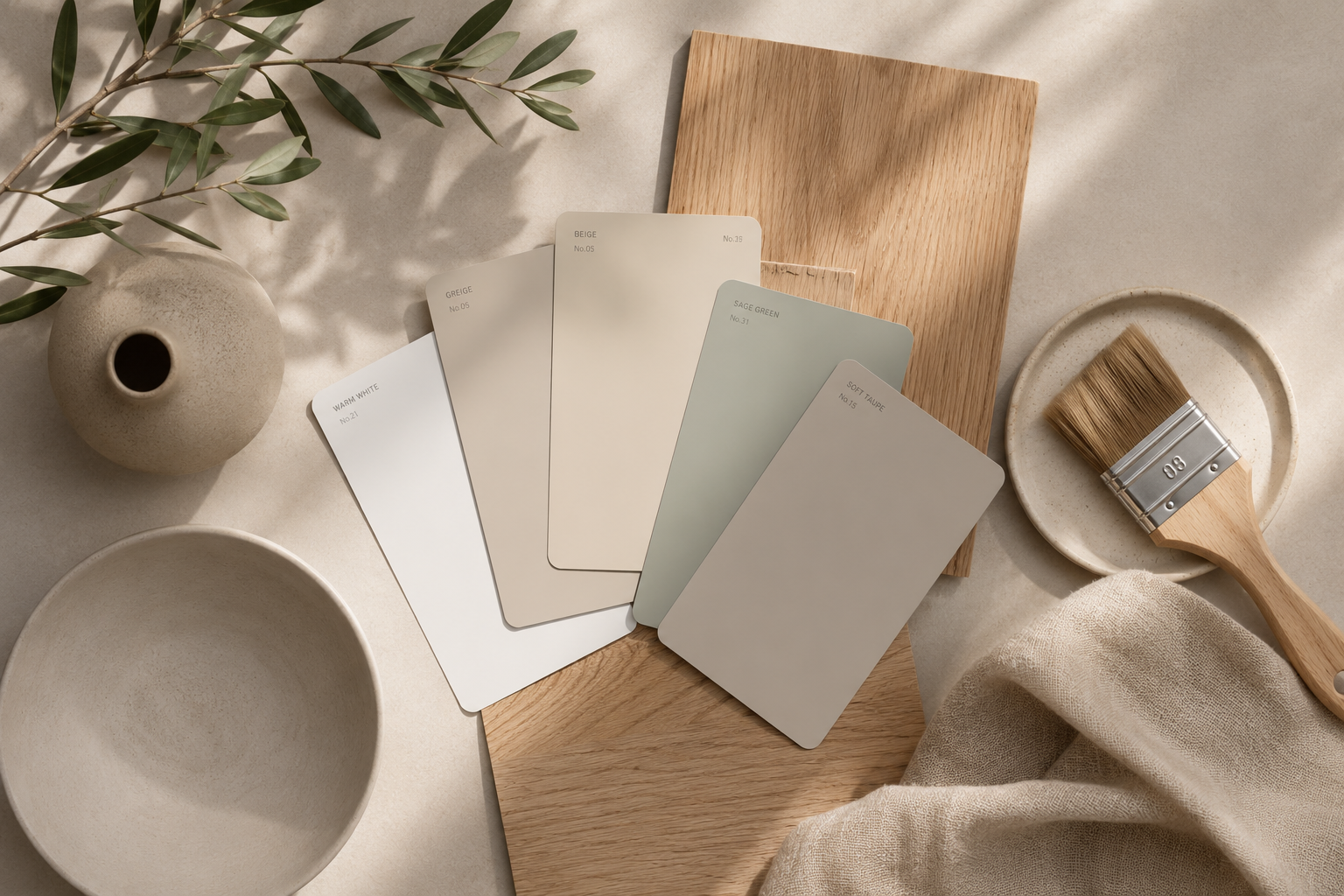
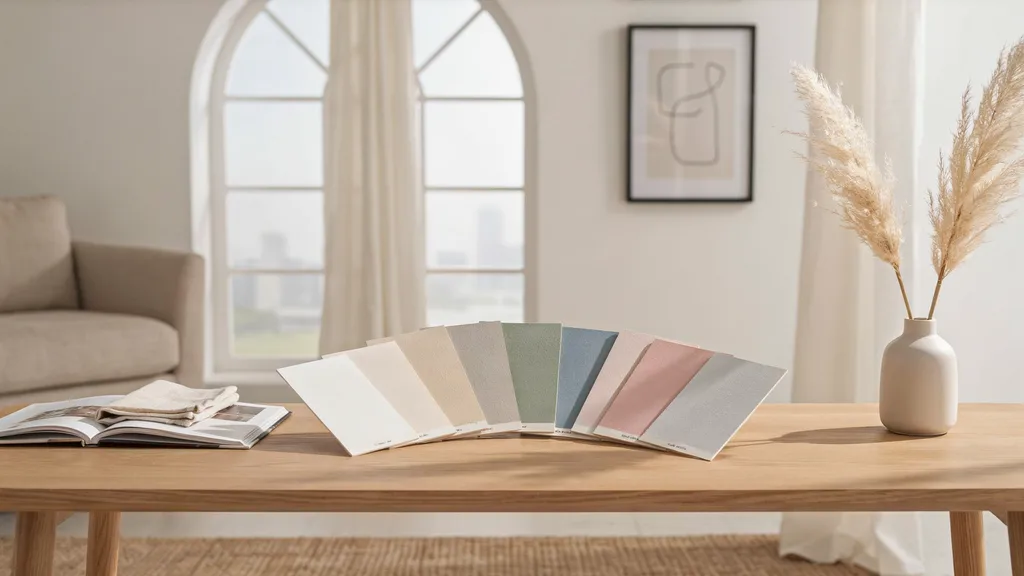
Paint colors often look different on walls than they do in a store or online. Before painting an entire room, apply sample swatches to several walls and observe them at different times of day.
Best Paint Colors for Dark Rooms
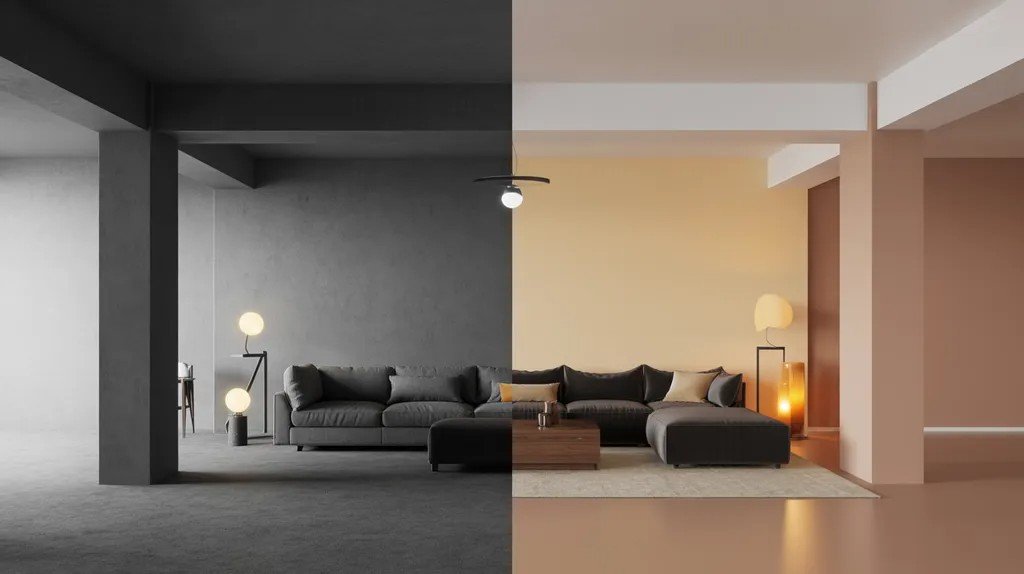
The right paint color can make a dark room feel brighter, larger, and more inviting. These shades reflect available light while adding warmth, softness, or subtle color to your space.
1. Soft White
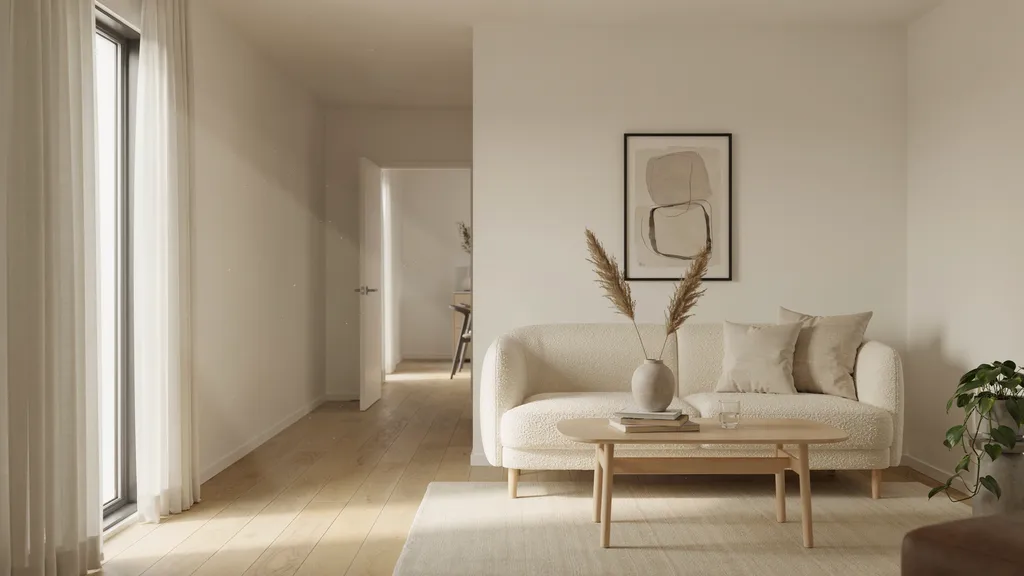
Soft white is one of the safest choices for dark rooms because it reflects light without feeling harsh. It creates a clean, airy look and works well with almost any decorating style.
This shade helps brighten spaces that receive little natural light.
2. Warm White
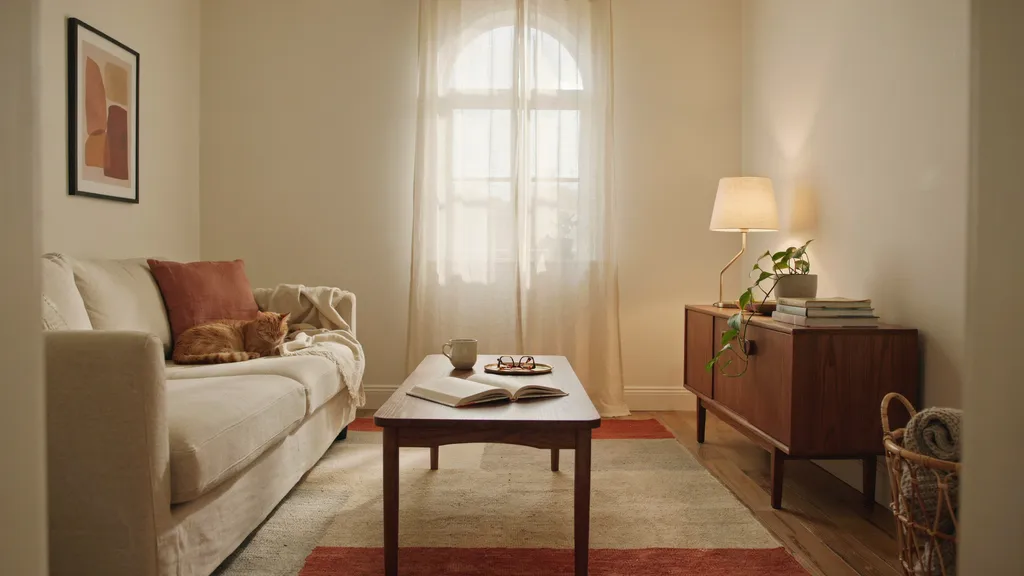
Warm white adds a touch of warmth that prevents a room from feeling cold or sterile. Its creamy undertones help create a welcoming atmosphere while still keeping the space light and open.
It pairs well with wood accents and cozy décor.
3. Cream
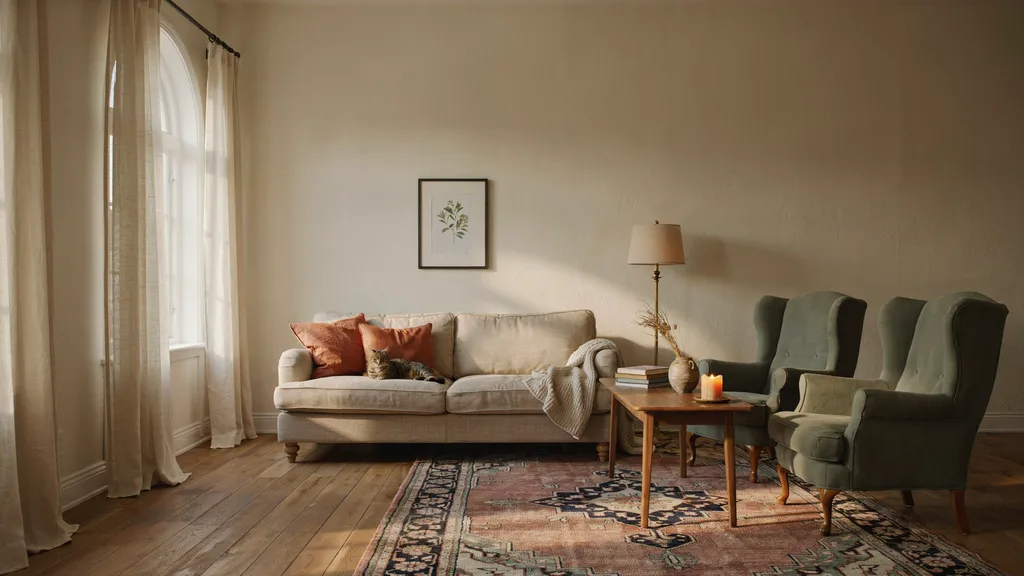
Cream offers more warmth than standard white while maintaining a bright appearance. It helps soften shadows and adds comfort to darker spaces.
This color is ideal for traditional, farmhouse, and classic interiors.
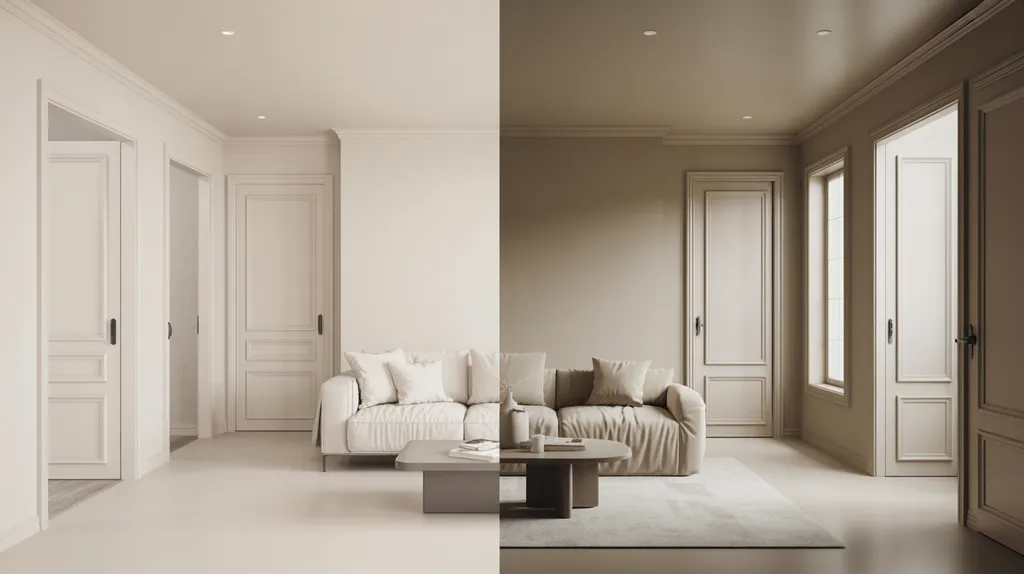
4. Light Beige
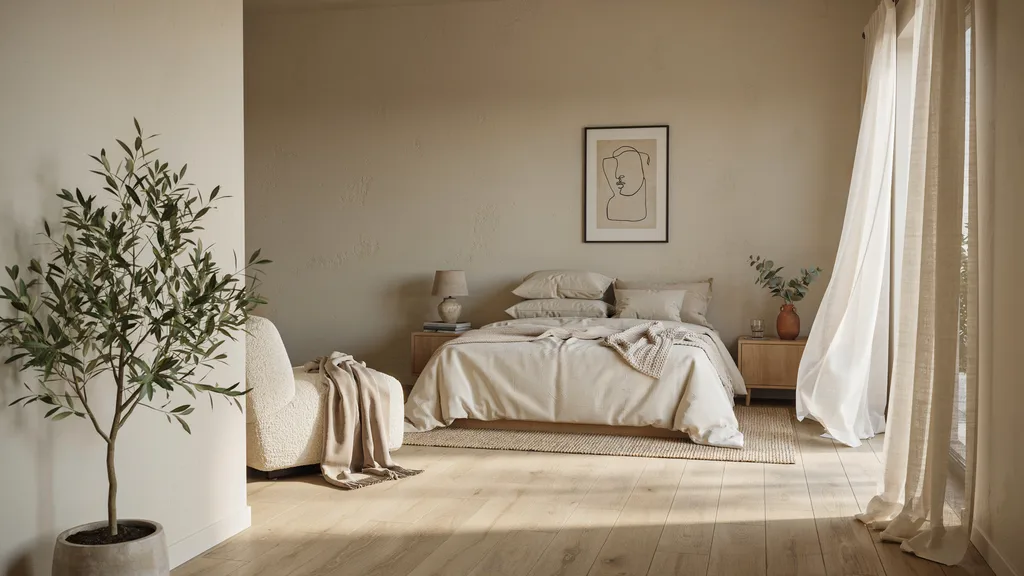
Light beige brings warmth and versatility to low-light rooms. It creates a cozy yet spacious feeling and blends easily with a wide range of furniture and décor styles.
Its subtle depth adds character without darkening the room.
5. Greige
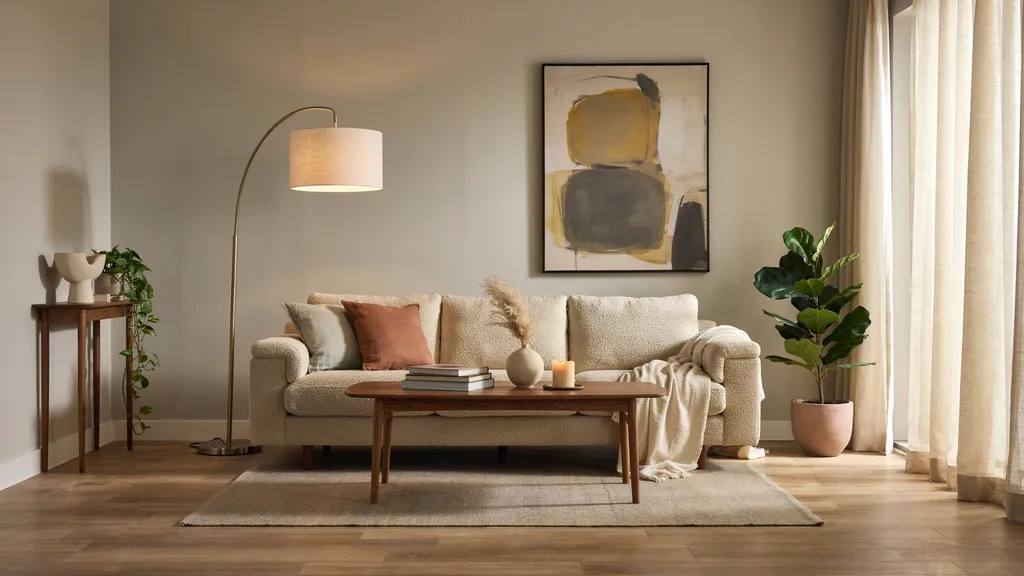
Greige combines gray and beige to create a balanced neutral tone. It offers a modern look while retaining enough warmth to prevent a dark room from feeling gloomy.
This versatile shade complements both warm and cool accents.
6. Pale Gray
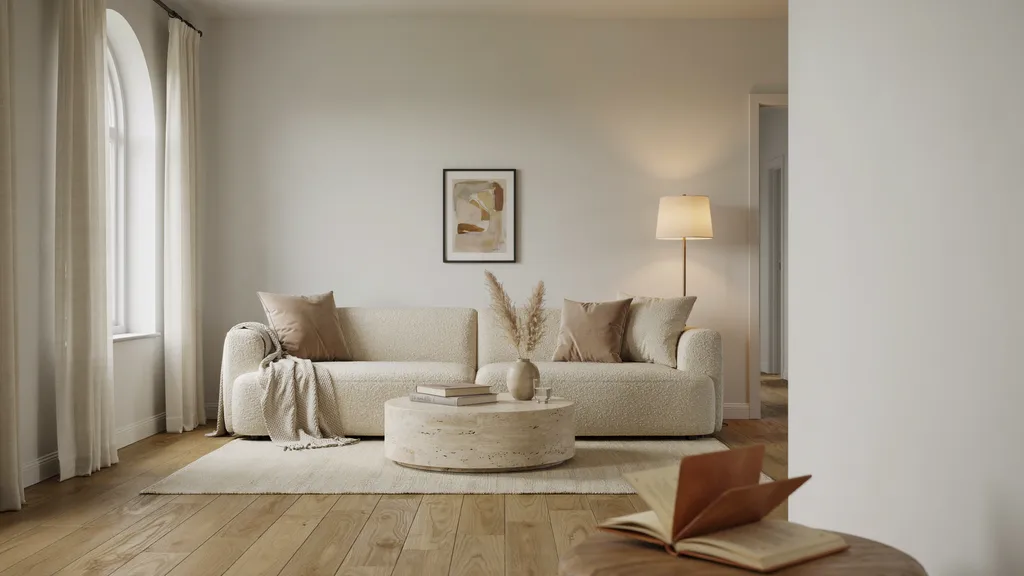
Pale gray can work beautifully in dark rooms when it has warm undertones. It creates a soft, rich backdrop that feels calm and soft.
The light tone helps maintain brightness without overwhelming the space.
7. Light Taupe
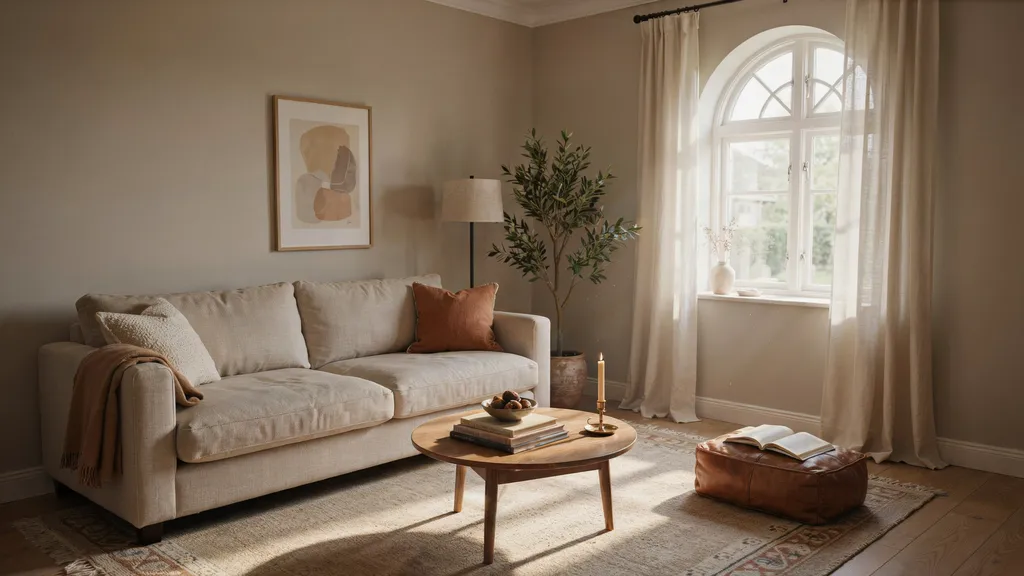
Light taupe adds warmth and depth while still reflecting a good amount of light. It creates a comfortable, inviting environment and works especially well in living rooms and bedrooms.
This shade offers a timeless and refined appearance.
8. Soft Sage Green
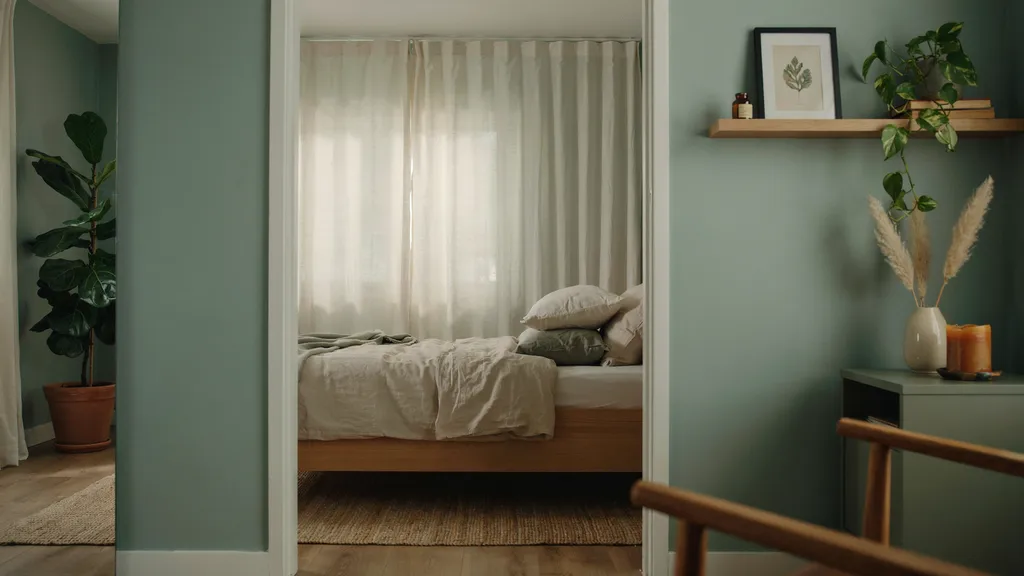
Soft sage green introduces a natural, soothing feel to dark rooms. Its muted tone adds color without making the space feel smaller.
This shade works particularly well in bedrooms, bathrooms, and relaxing living areas.
9. Dusty Blue
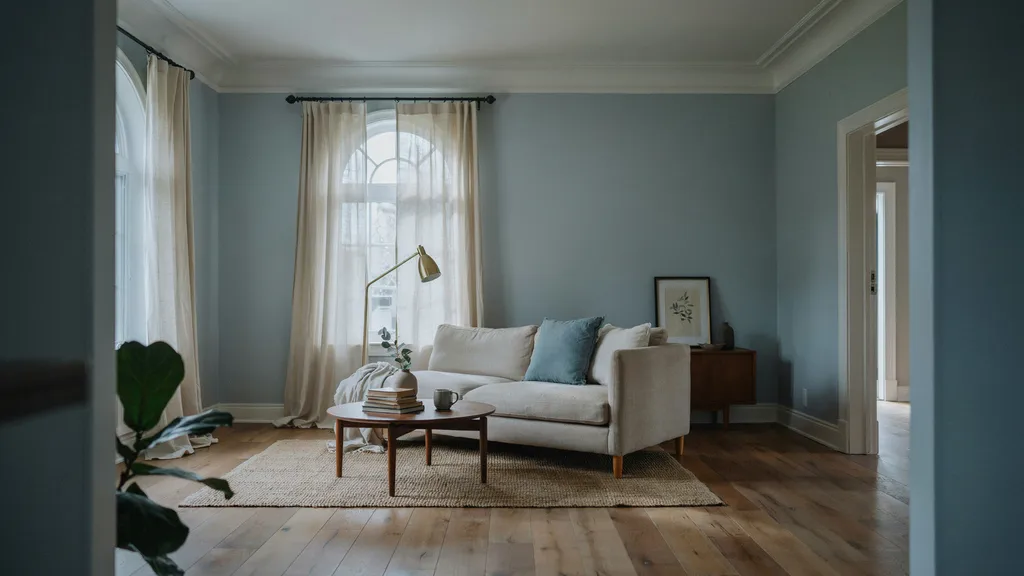
Dusty blue brings a gentle touch of color while maintaining a calm atmosphere. Its soft appearance can make a dark room feel more open and peaceful.
It pairs nicely with white trim and light-colored furnishings.
10. Pale Lavender
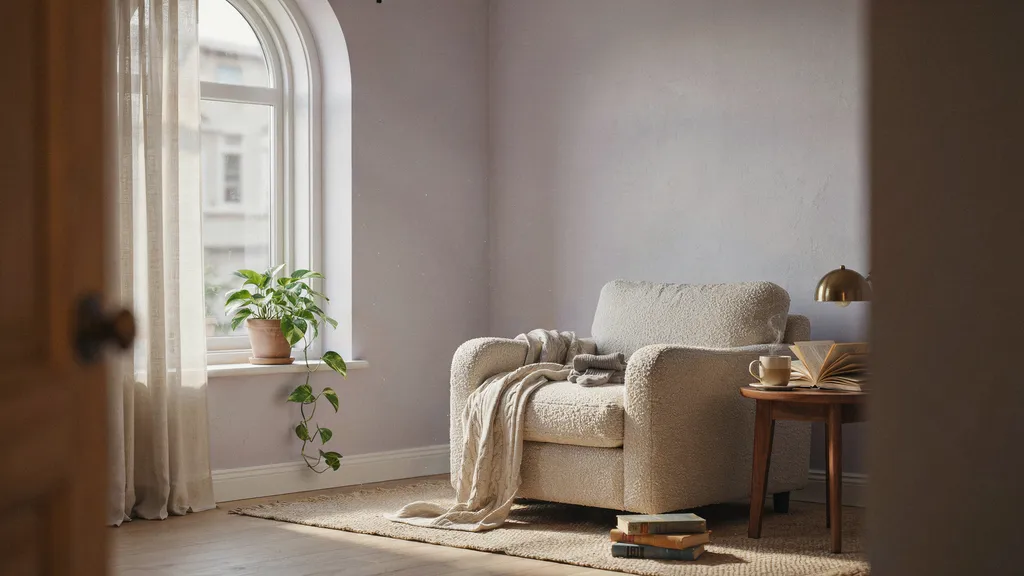
Pale lavender adds subtle personality without overpowering the room. The light hue reflects available light while creating a soft and relaxing environment.
It is an excellent option for bedrooms and reading spaces.
11. Blush Pink
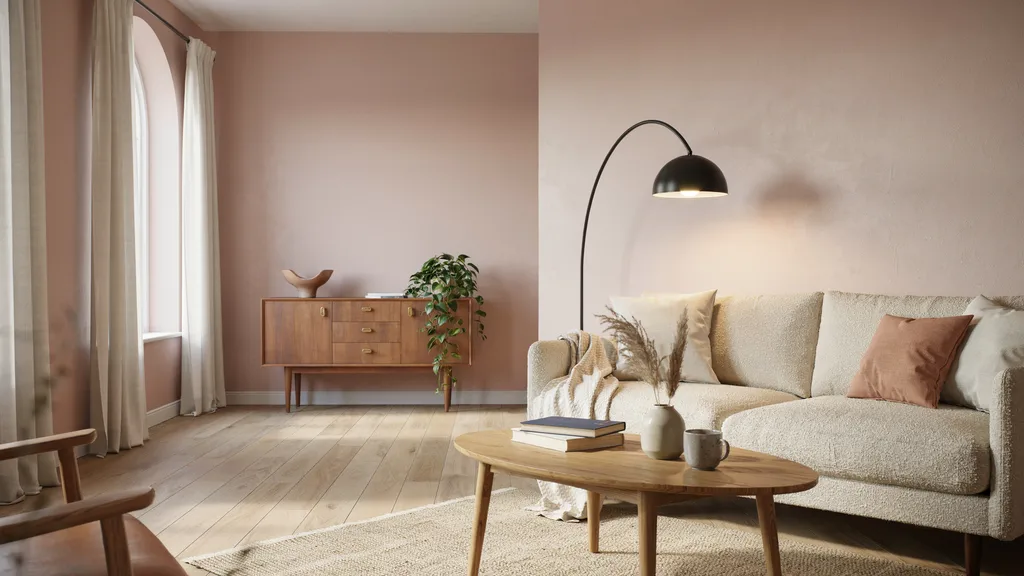
Blush pink offers warmth and brightness with a delicate, modern feel. It reflects light well and can make dark spaces feel softer and more inviting.
This versatile color pairs surprisingly well with neutrals and natural materials.
Paint Colors to Avoid in Dark Rooms
Some paint colors can make low-light spaces feel even darker and smaller. Avoiding these shades can help you create a brighter and more comfortable room.
1. Very Dark Charcoal
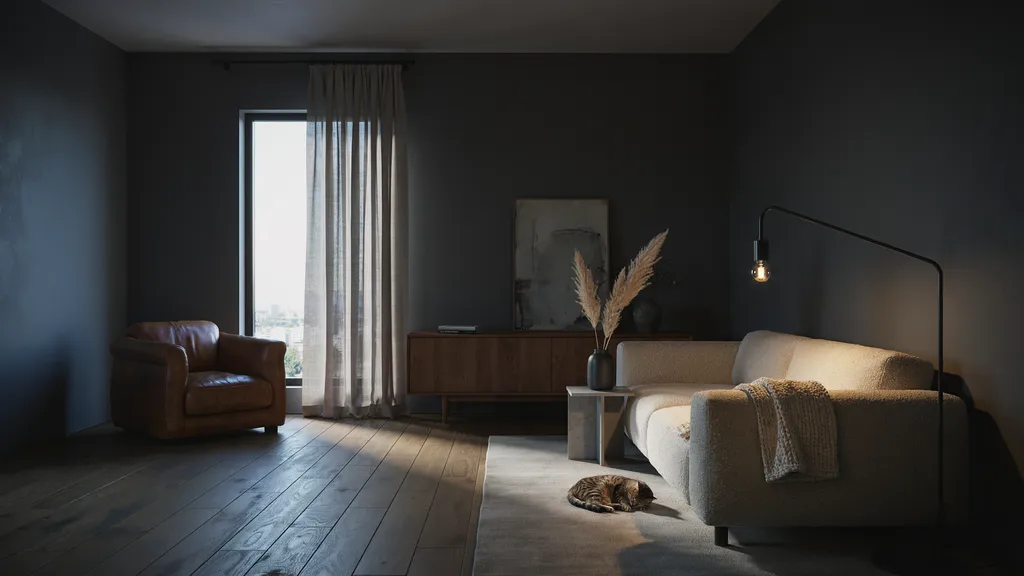
Very dark charcoal absorbs a large amount of light, which can make an already dark room feel closed in. While dramatic, it often reduces the sense of space and brightness.
It is best used as an accent rather than a main wall color.
2. Deep Brown
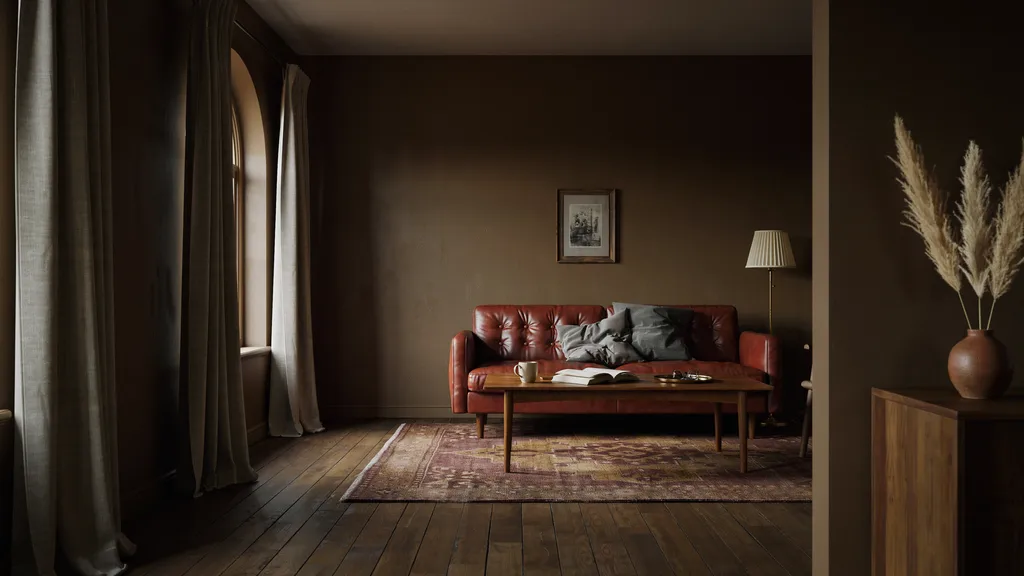
Deep brown can create a heavy appearance in rooms with limited natural light. Instead of adding warmth, it may make the space feel darker and more confined.
Lighter warm neutrals are usually a better choice.
3. Flat Black
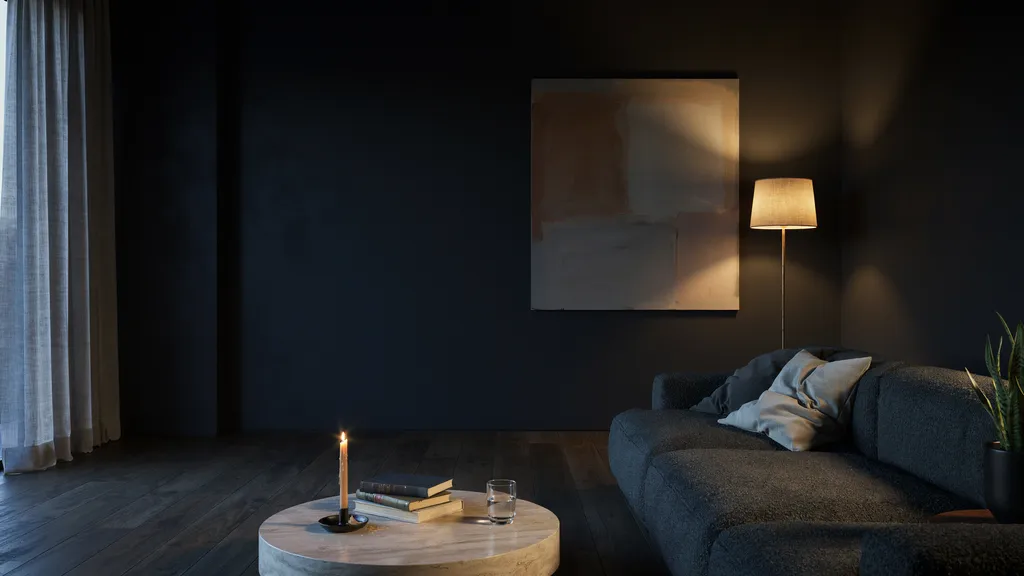
Flat black absorbs nearly all available light and can make walls seem closer than they are. In dark rooms, this often creates a cramped and gloomy feeling.
It generally works best in well-lit spaces or as an accent color.
Room-by-Room Paint Color Recommendations
These paint color recommendations can help you choose shades that make each dark space feel brighter, more comfortable, and visually balanced.
| Room | Recommended Paint Colors | Why They Work |
| Living Room | Soft White, Greige, Warm Ivory | These colors create an open, welcoming atmosphere and help maximize available light. |
| Bedroom | Pale Lavender, Soft Sage Green, Light Taupe | Soft, calming shades promote relaxation while keeping the room bright and comfortable. |
| Kitchen | Butter Yellow, Warm White, Cream | Warm, light-reflecting colors make the space feel cheerful and more inviting. |
| Dining Room | Golden Beige, Warm Sand, Light Terracotta | These warm tones create a cozy setting without making the room feel dark. |
| Home Office | Pale Gray, Misty Blue, Greige | Light, balanced colors support focus while maintaining a bright and professional look. |
| Hallway | Soft White, Cream, Warm Ivory | Bright neutrals help narrow or dark hallways feel larger and more open. |
| Bathroom | Pale Aqua, Soft Mint, Warm White | Fresh, light shades brings brightness and create a clean, refreshing atmosphere. |
Tips to Make Dark Rooms Feel Brighter
Paint color is only part of the solution. A few simple design choices can help increase brightness and make a dark room feel more spacious.
- Use Light-Reflective Finishes : Choose eggshell, satin, or semi-gloss finishes to reflect more light around the room.
- Add Mirrors Strategically : Place mirrors across from windows or light sources to bounce light throughout the space.
- Choose Light-Colored Furniture : Lighter furniture helps prevent the room from feeling heavy or visually crowded.
- Layer Different Types of Lighting : Combine ambient, task, and accent lighting to brighten dark corners and create balance.
- Keep Window Treatments Light and Airy : Use sheer curtains or light-colored blinds to allow as much natural light as possible into the room.
Conclusion
Choosing the right paint colors for dark rooms can make a surprising difference in how your space looks and feels.
If there’s one thing I’ve noticed, it’s that testing a few paint samples is always worth the extra effort because colors often look different once they’re on the wall.
Picture your room feeling brighter, more open, and more welcoming with a shade that works with your lighting. Take your time, trust what you see in your space, and enjoy the process.
If this guide helped, leave a comment, share it with a friend, or try more home décor tips.
Frequently Asked Questions
What are the best paint colors for dark rooms?
Soft white, warm white, cream, and light beige are popular choices. These shades reflect more light and help rooms feel brighter and more spacious.
Should I paint a dark room white?
Yes, but choose a white with warm undertones for the best results. Pure white can sometimes feel too stark in rooms with limited natural light.
Can cool colors work in dark rooms?
Yes, lighter cool shades such as misty blue, pale aqua, and soft mint can work well. They add freshness while maintaining a bright appearance.
What paint finish is best for dark rooms?
Eggshell, satin, and semi-gloss finishes reflect more light than flat finishes. This can help make a dark room feel more open and illuminated.
How do I test paint colors before painting a room?
Apply sample swatches to different walls and observe them throughout the day. This helps you see how natural and artificial light affect the color.