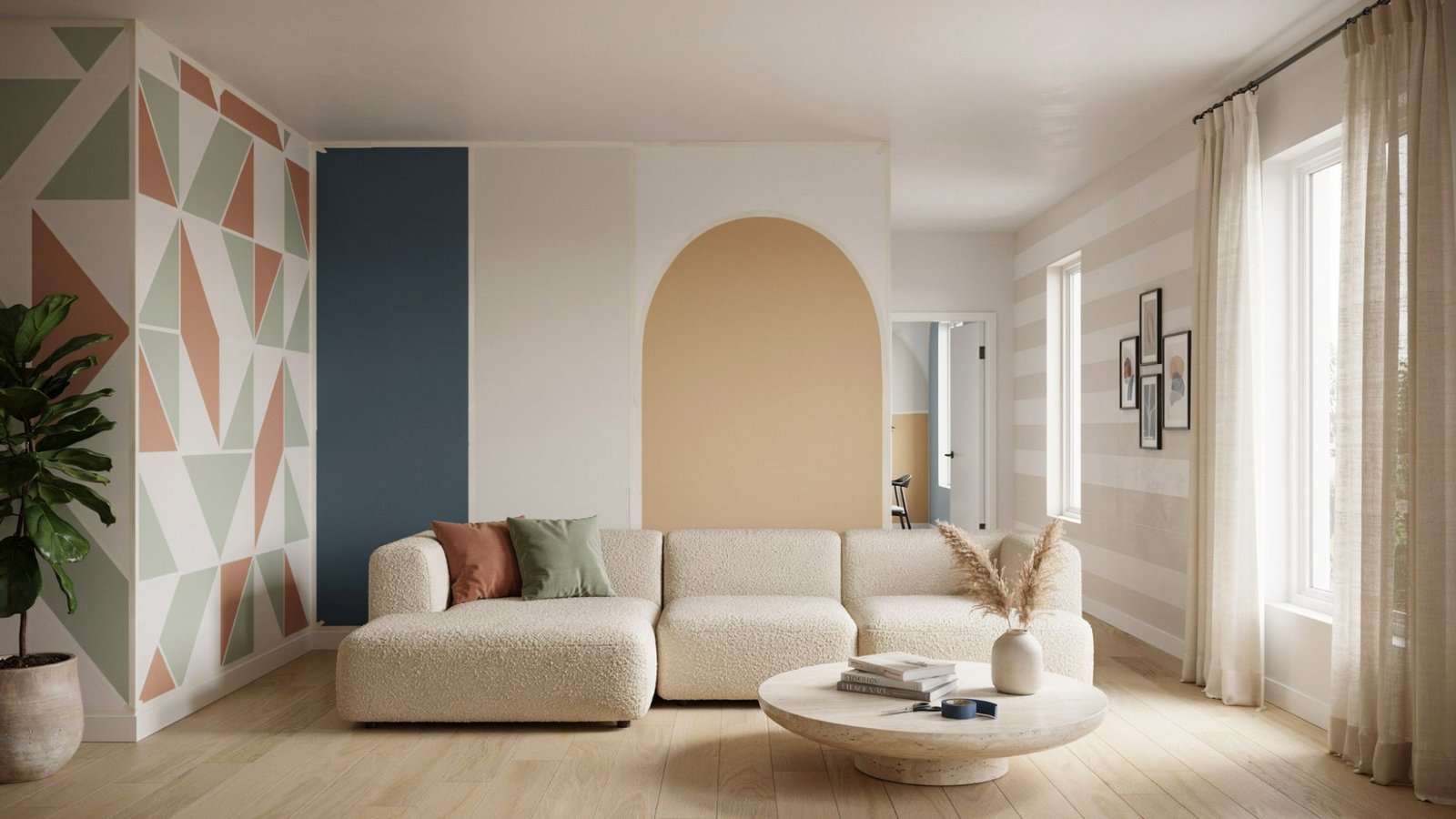
Have you ever looked at a plain wall and wished it had more personality without spending a lot of money?
If you're searching for 13 cool wall paint design ideas with tape, you're in the right place.
Painter's tape makes it easy to create eye-catching patterns, clean lines, and creative accent walls.
In this guide, you'll find paint designs, along with step-by-step instructions, and practical tips for getting sharp results.
I've spent years researching DIY home improvement projects and wall design trends to help readers make confident decorating choices.
By the end, you'll have plenty of ideas to transform a blank wall into a stylish focal point.
Why Use Tape for Wall Paint Designs?
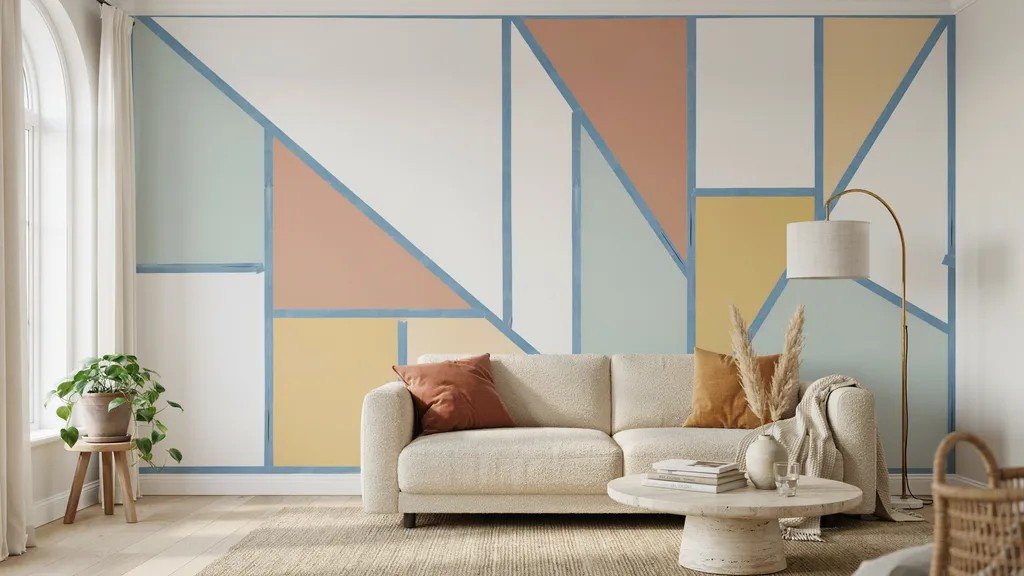
Tape is one of the easiest tools for creating custom wall designs without needing advanced painting skills.
It allows you to make clean patterns, straight lines, and eye-catching shapes that can completely change the look of a room.
One of the biggest advantages is affordability. Painter's tape is inexpensive and can help you create designs that look far more expensive than they actually are.
It is also beginner-friendly, making it a great option for DIY projects. Tape works with many styles, from modern geometric patterns to simple stripes and color-blocked walls.
Another benefit is flexibility. If your style changes later, you can repaint and create a new design without major renovations.
Materials You'll Need Before You Start
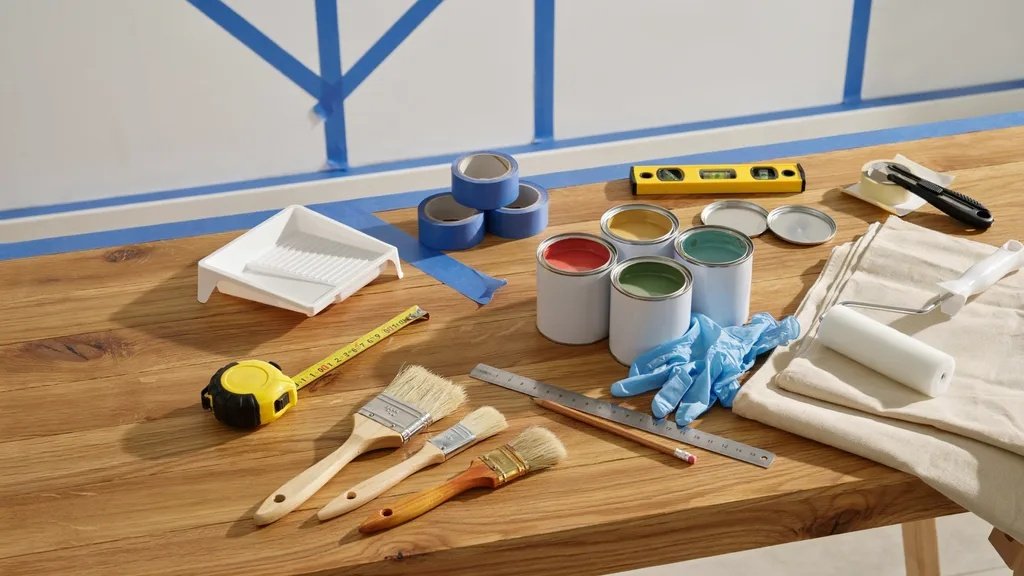
Gathering the right supplies before you begin will help the project go more smoothly and produce cleaner results.
- Painter's Tape : Creates crisp lines and helps form the design pattern on the wall.
- Paint and Paintbrushes : Used to fill in taped sections and bring the design to life.
- Measuring Tape and Level : Helps keep lines straight and patterns evenly spaced.
- Pencil for Marking Guidelines : Allows you to sketch the layout before applying tape.
- Drop Cloths and Protective Supplies : Protect floors, furniture, and nearby surfaces from paint splatters.
13 Cool Wall Paint Design Ideas With Tape
These tape wall painting ideas are simple, affordable, and perfect for adding personality to any room.
1. Modern Geometric Wall Design
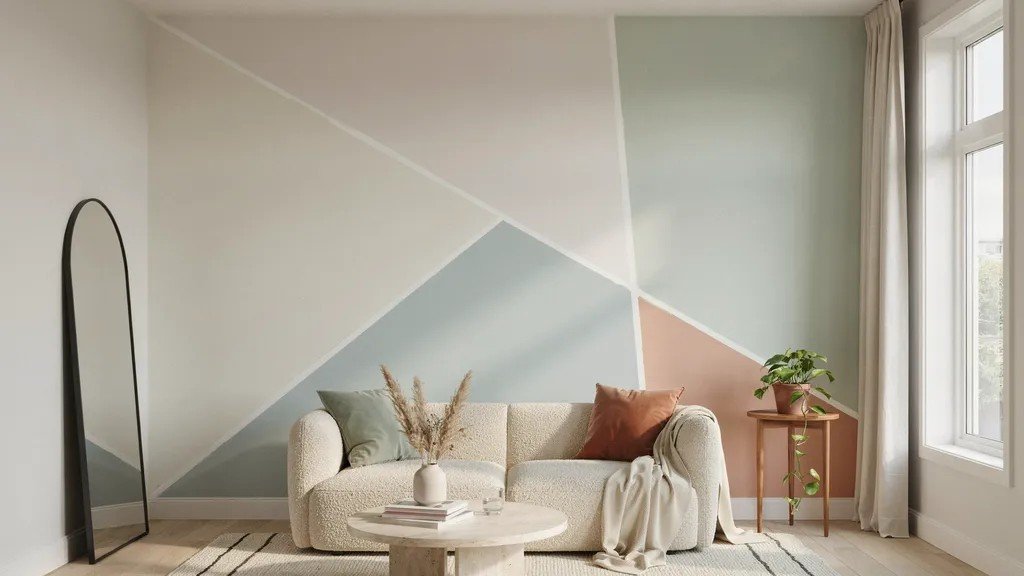
Use painter's tape to create triangles, squares, rectangles, or other geometric shapes across the wall.
This design instantly gives a room a modern and creative feel. You can use several colors for a bold statement or stick to neutral shades for a clean, sophisticated look.
2. Bold Diagonal Stripe Accent Wall
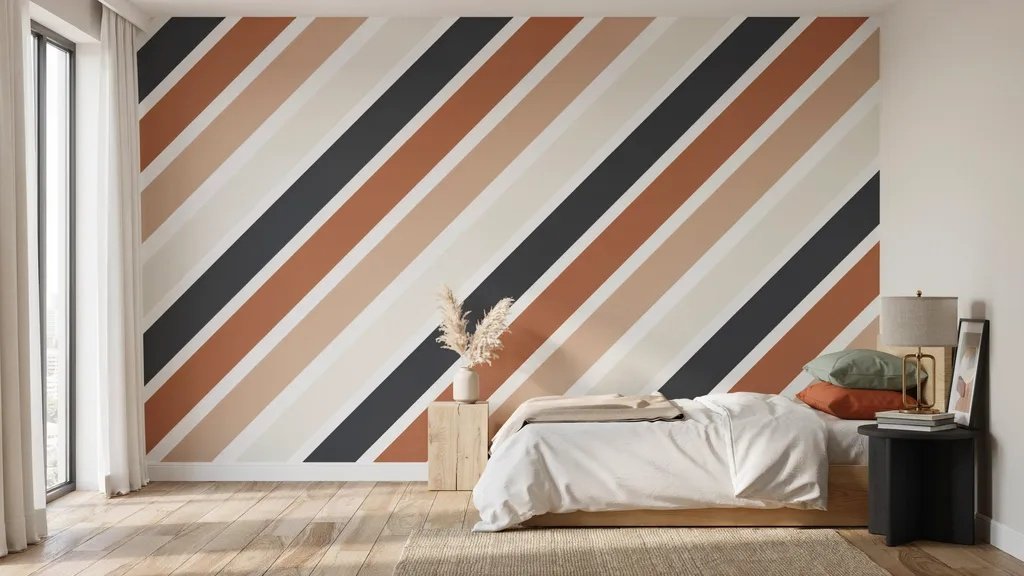
Diagonal stripes add energy and movement to a space. Unlike traditional stripes, the angled lines create a more dynamic and eye-catching effect.
This design is perfect for an accent wall and can make a room feel more stylish and modern. Choose contrasting colors to make the pattern stand out even more.
3. Classic Horizontal Stripes
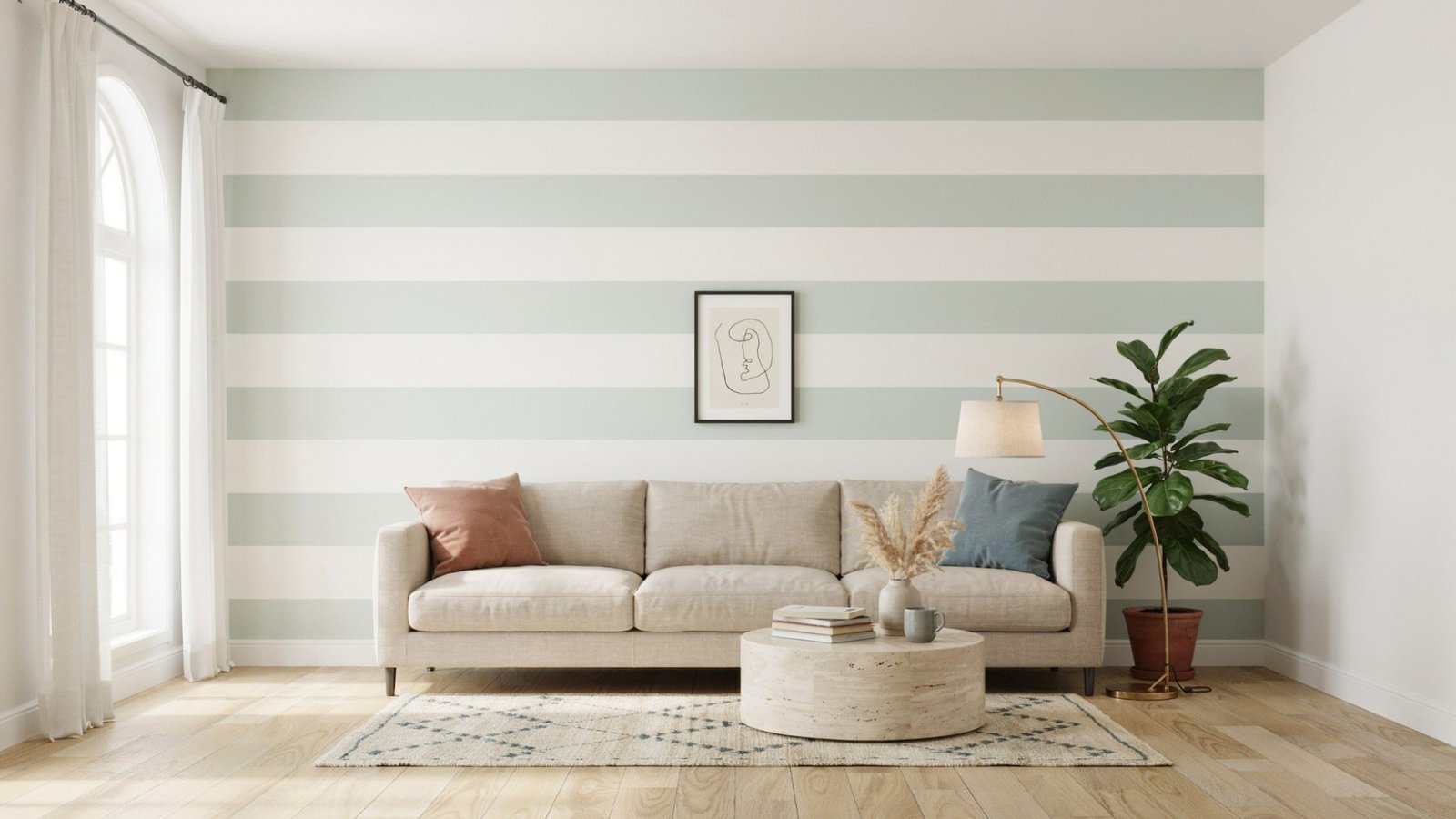
Horizontal stripes are a timeless wall design that suits almost any decorating style. They can make a room appear wider while adding subtle visual interest.
You can experiment with thick or thin stripes depending on the look you want. Soft color combinations create a calm feel, while bold colors make a stronger statement.
4. Vertical Stripes for Higher-Looking Ceilings
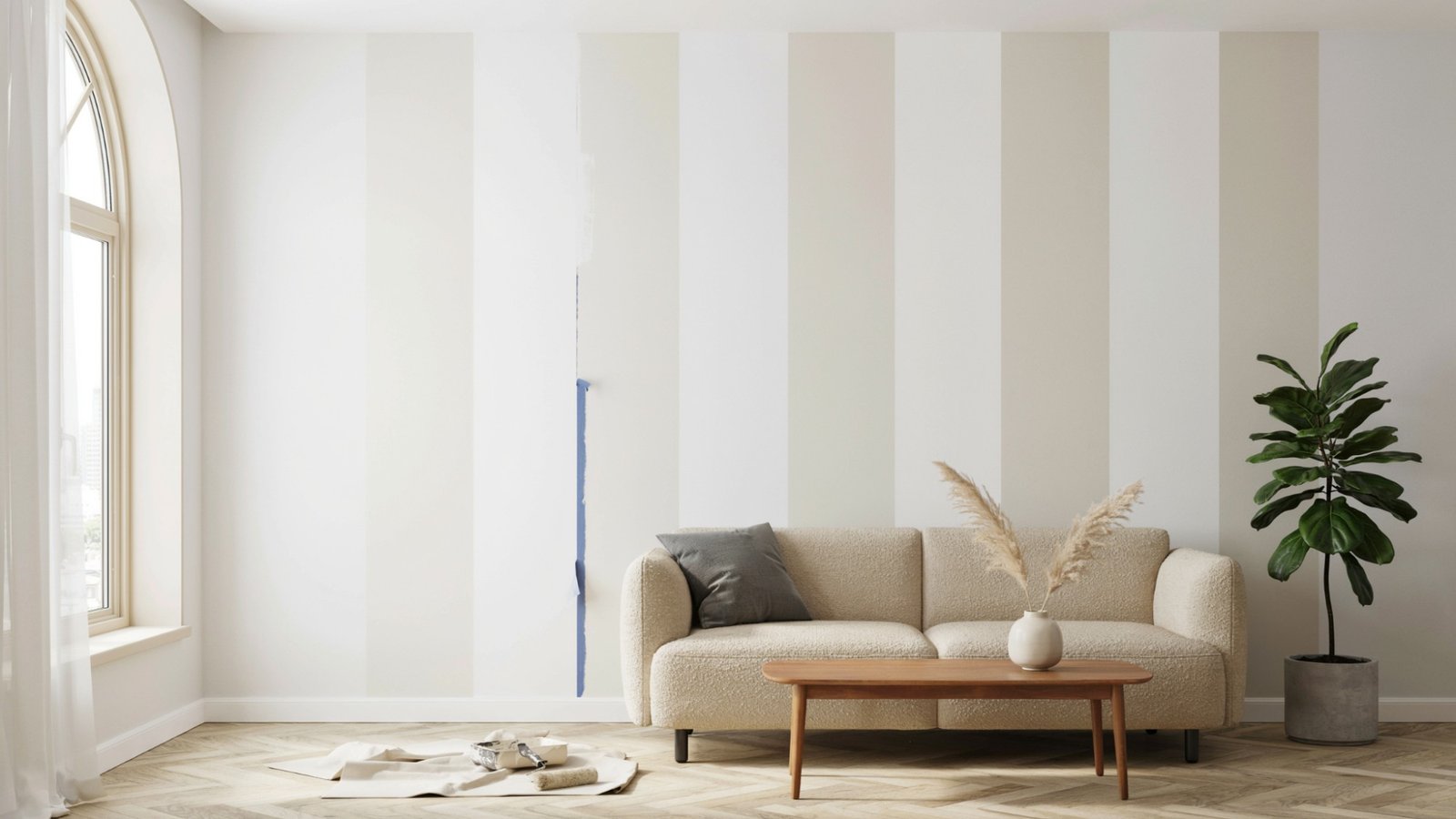
Vertical stripes naturally draw the eye upward, creating the illusion of taller ceilings. This makes them a great choice for smaller rooms or spaces with lower ceilings.
The clean lines also ad style and structure to the wall. Neutral tones can keep the look simple and sophisticated.
5. Color Block Wall Design
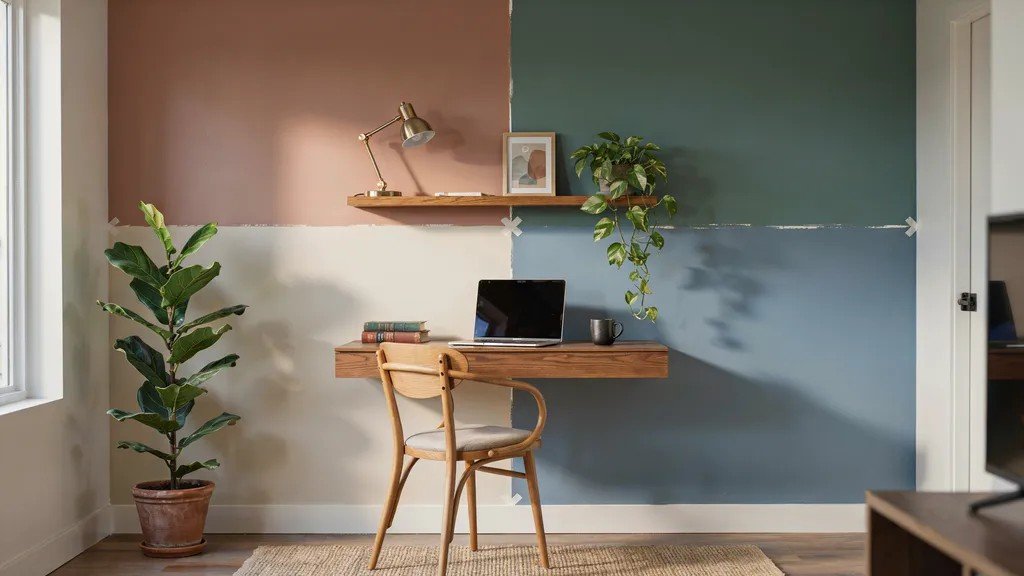
Color blocking involves painting large sections of the wall in different colors separated by tape lines. This modern design adds depth and personality without being overly complicated.
It allows you to combine complementary shades or create bold contrasts. It's a popular choice for bedrooms, offices, and creative spaces.
6. Mountain-Inspired Painted Wall
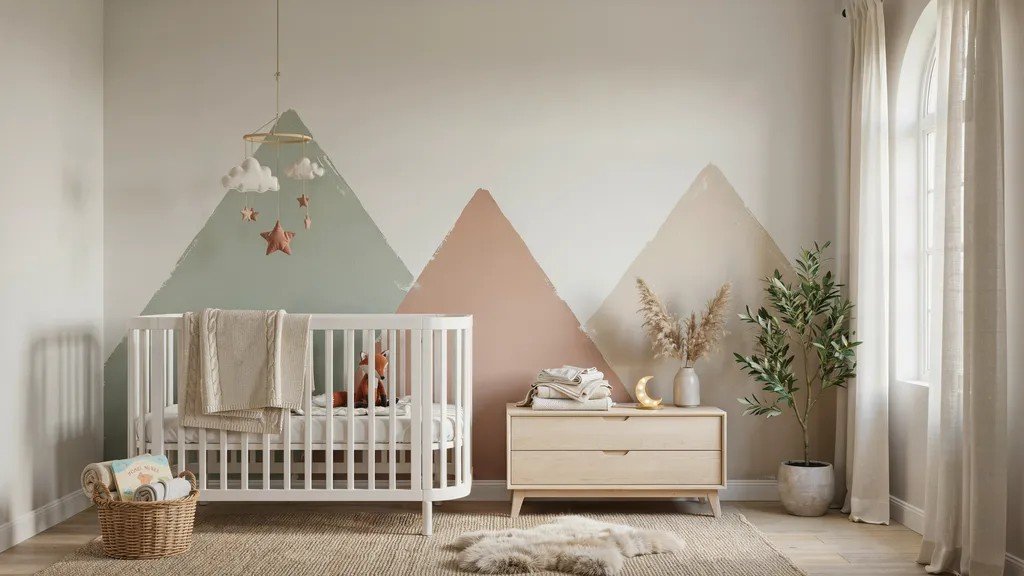
A mountain wall design uses tape to create simple peaks and slopes along the wall. This playful pattern adds character while maintaining a clean and stylish appearance.
It is especially popular in kids' rooms, nurseries, and cozy bedrooms. Earthy colors help create a calm and natural feel.
7. Herringbone Pattern Accent Wall
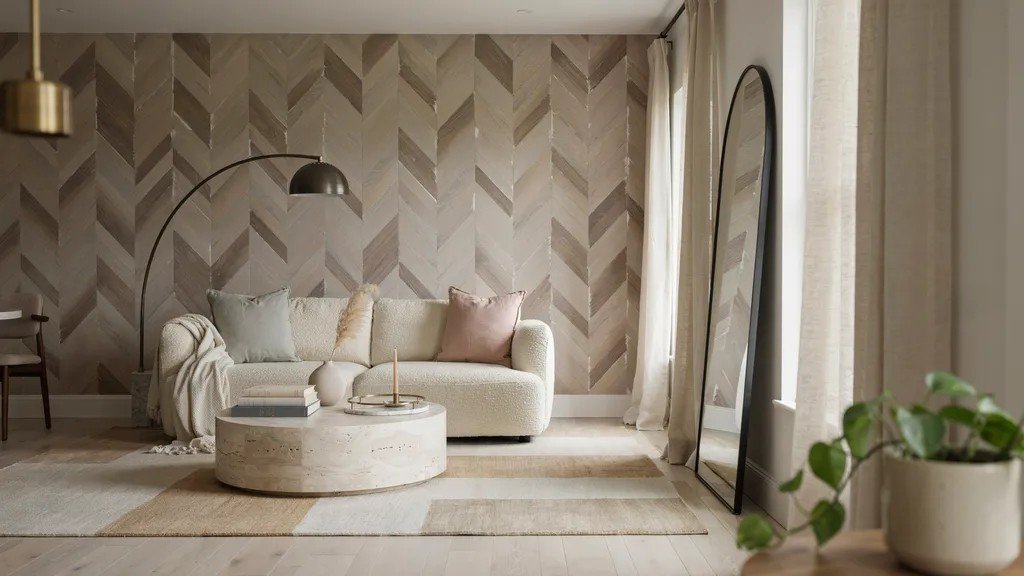
The herringbone pattern creates a sophisticated and textured appearance using angled tape lines. It adds visual depth and interest without the need for wallpaper or expensive materials.
This design works beautifully in modern and traditional interiors alike. Neutral shades often levels up its soft look.
8. Diamond Pattern Wall Design
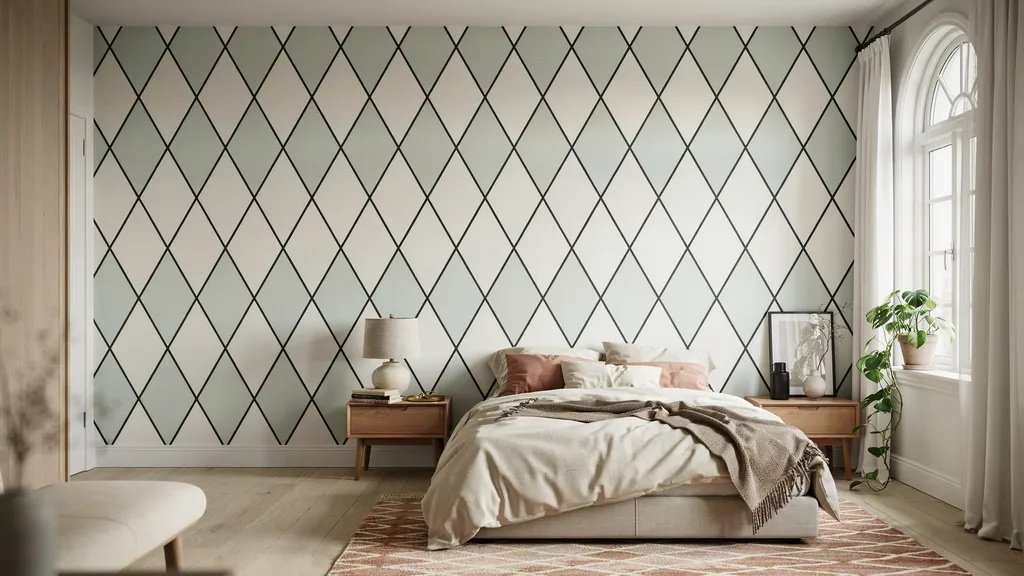
Diamond patterns create a decorative feature wall that feels both stylish and different. Painter's tape helps achieve crisp, symmetrical shapes with clean edges.
This design can be subtle with soft colors or bold with contrasting shades. It works well in bedrooms, hallways, and living areas.
9. Chevron Stripe Wall
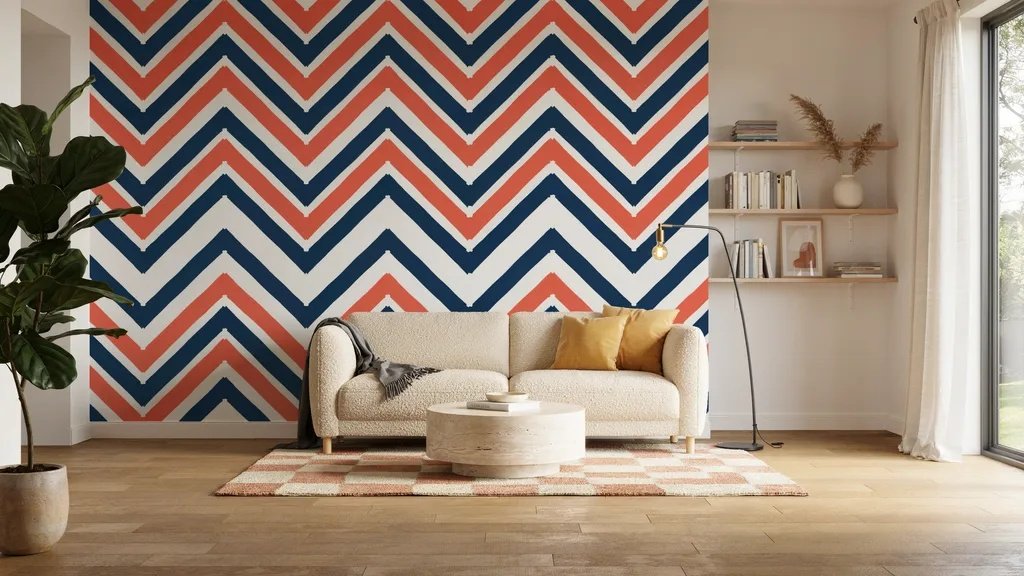
Chevron stripes form a repeating zigzag pattern that instantly grabs attention. This bold design adds movement and personality to a room.
It works particularly well in contemporary spaces and can serve as a striking focal point. Pair it with simple décor to keep the room balanced.
10. Framed Panel Effect With Tape
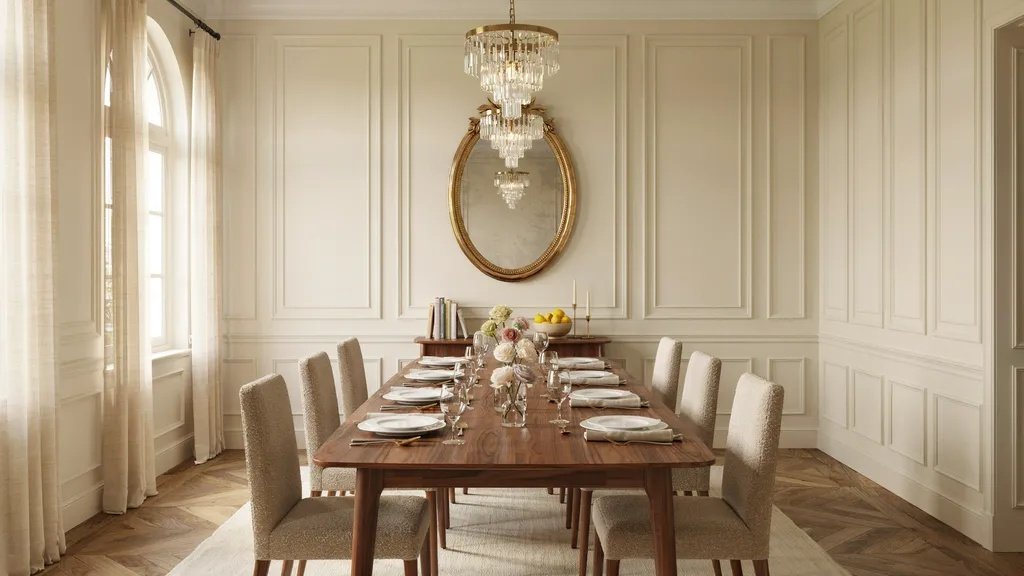
Create the look of decorative wall panels using tape and paint instead of installing molding. This technique adds style and architectural detail at a fraction of the cost.
It works especially well in dining rooms, entryways, and bedrooms. The finished result looks polished and upscale.
11. Abstract Line Art Wall Design
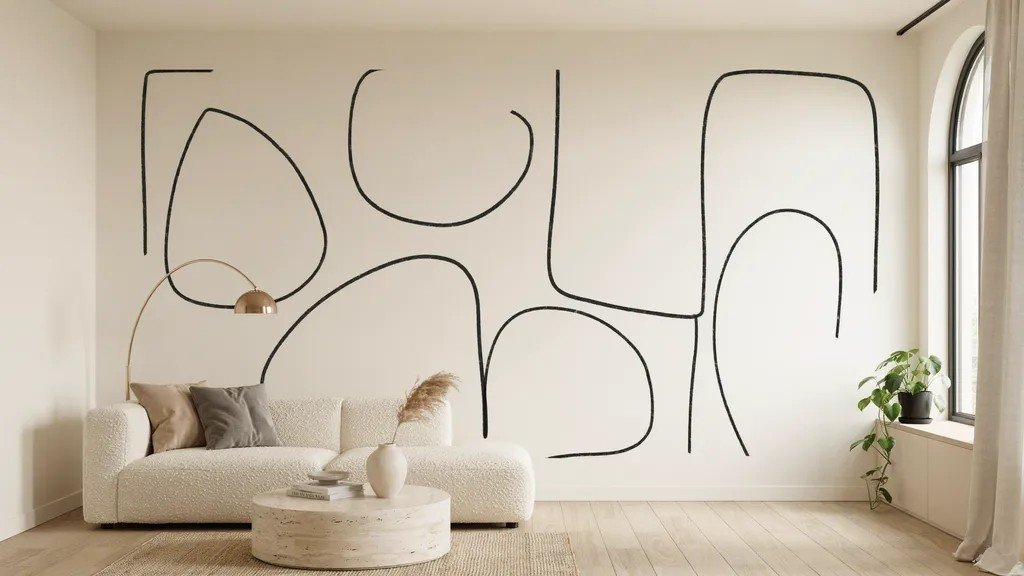
Abstract line designs use simple taped lines to create a modern artistic effect. The pattern can be completely customized to match your style and space.
It is ideal for minimalist interiors that need a touch of creativity. Black lines on light-colored walls create a particularly striking look.
12. Multi-Color Triangle Feature Wall
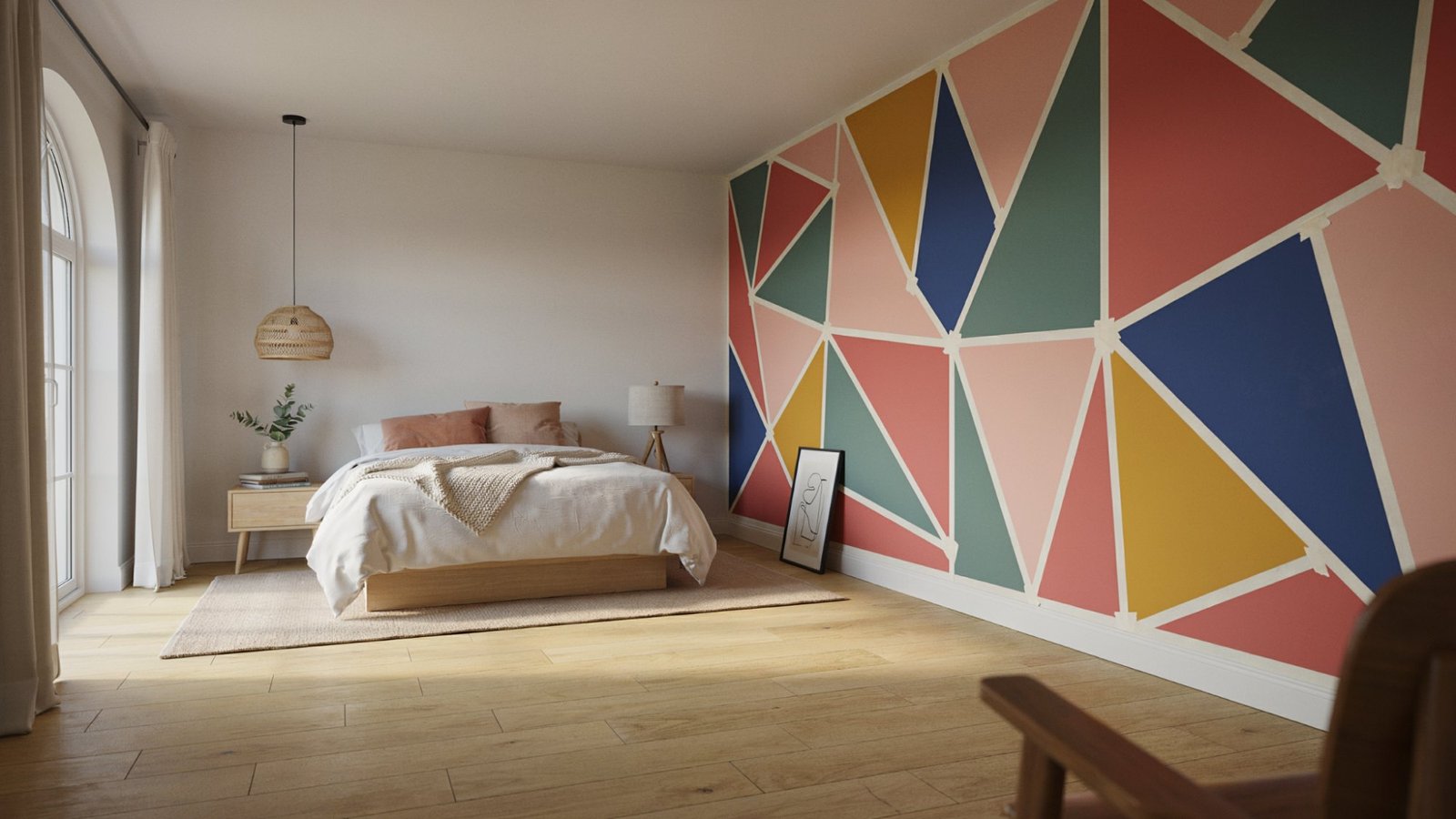
This design uses tape to create triangles that are painted in different colors. The result is a fun, vibrant wall that adds energy and personality to the room.
You can use bright shades for a playful look or muted tones for a more modern feel. It works well in bedrooms, playrooms, and creative spaces.
13. Minimalist Grid Pattern Wall
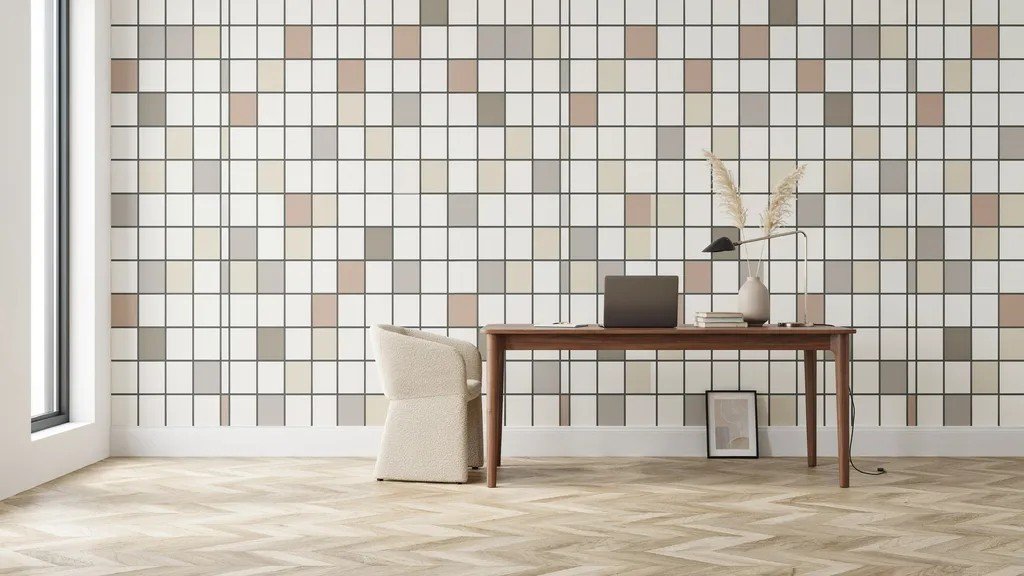
A grid pattern uses evenly spaced horizontal and vertical tape lines to create squares or rectangles. The clean structure gives the wall a modern and organized appearance.
This design is perfect for minimalist and contemporary homes. Simple color combinations help maintain its sleek and uncluttered look.
How to Create Tape Wall Paint Designs Step by Step
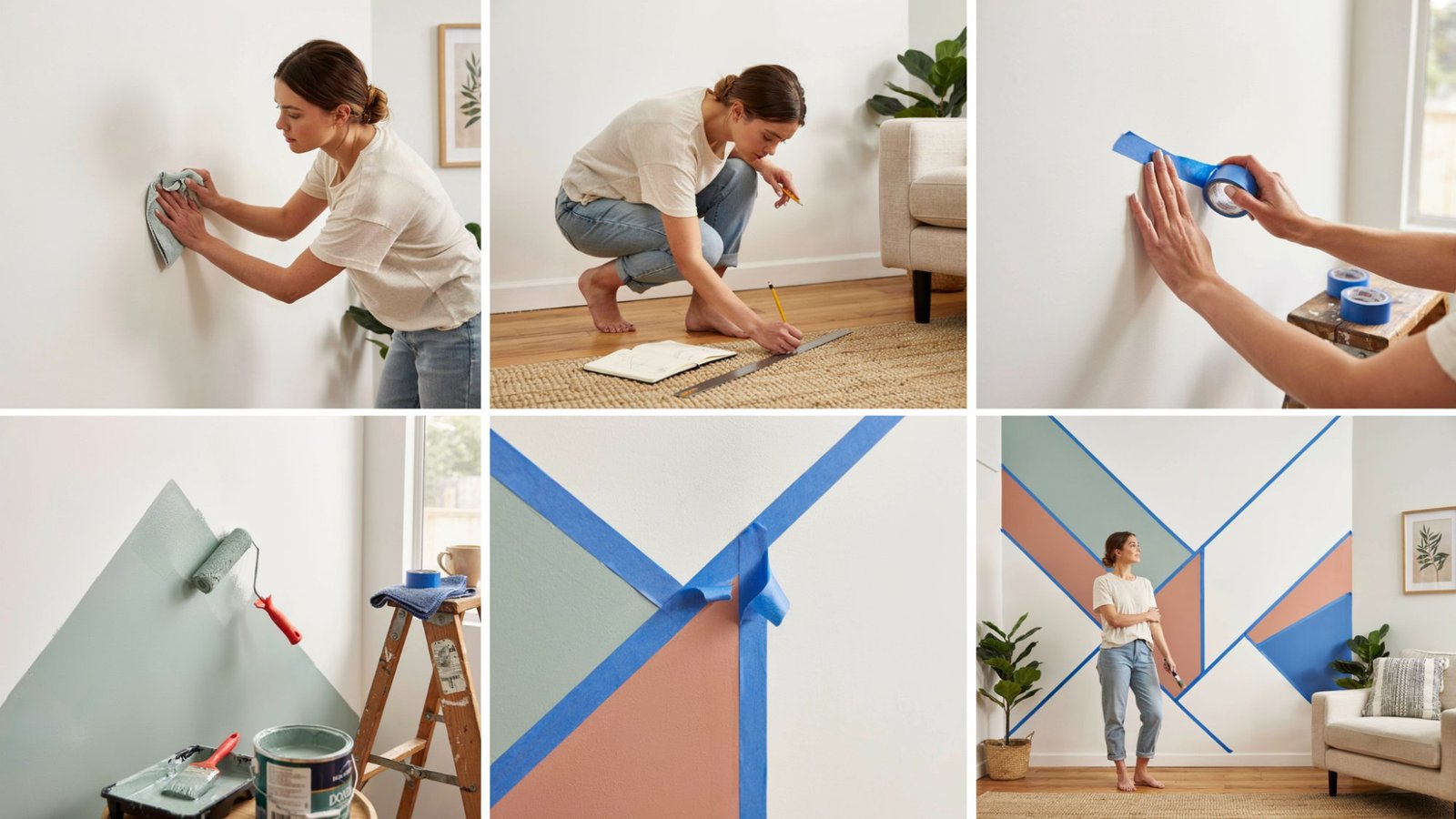
Following a simple process can help you create cleaner patterns and achieve a more professional-looking finish.
Step 1: Prepare and Clean the Wall
Remove dust, dirt, and grease from the wall surface. A clean wall helps the tape stick properly and improves paint adhesion.
Step 2: Plan and Mark Your Design
Sketch your design and mark key measurements with a pencil. This helps keep lines straight and patterns evenly spaced.
Step 3: Apply Painter's Tape Carefully
Place the tape along your marked guidelines and press down the edges firmly. Proper application helps create sharp paint lines.
Step 4: Paint Inside the Taped Sections
Apply paint using smooth, even strokes within the taped areas. Thin coats usually provide cleaner results than thick layers.
Step 5: Remove Tape at the Right Time
Carefully peel away the tape while the paint is slightly dry. This helps prevent peeling and creates crisp edges.
Step 6: Touch Up Any Imperfections
Inspect the finished design and correct any small mistakes with a brush. Minor touch-ups can make the project look more polished.
Tips for Getting Clean Paint Lines With Tape
A few simple techniques can help you achieve sharp lines and a more professional-looking paint design.
- Use High-Quality Painter's Tape : Quality tape helps create cleaner edges and reduces paint bleed.
- Press Tape Edges Firmly : Secure the edges well to prevent paint from seeping underneath.
- Apply Thin Paint Coats : Thin coats dry more evenly and help maintain crisp lines.
- Remove Tape Before Paint Fully Dries : Removing tape at the right time helps prevent peeling and uneven edges.
- Work Slowly Around Corners : Careful tape placement around corners improves accuracy and overall results.
Common Mistakes to Avoid
Avoiding these common mistakes can make your tape wall painting project much more successful.
- Using the Wrong Type of Tape : Low-quality or unsuitable tape can lead to messy paint lines.
- Skipping Surface Preparation : Dirty or uneven walls can affect how well the paint adheres.
- Applying Paint Too Thickly : Excess paint can seep under the tape and create uneven edges.
- Removing Tape Too Late : Waiting too long can cause the paint to pull away with the tape.
- Choosing Clashing Colors : Poor color combinations can make the design feel unbalanced.
Conclusion
Trying these 13 cool wall paint design ideas with tape can be a fun way to refresh a room without a major makeover.
I’ve always liked how a simple roll of painter’s tape can turn a plain wall into something different and personal.
Imagine looking at a wall you designed yourself and seeing a pattern that perfectly fits your style. Start with one idea that inspires you and make it your own.
If you enjoyed this guide, leave a comment, share it with a friend, or try more DIY decorating ideas.
Frequently Asked Questions
What Type of Tape Works Best for Wall Paint Designs?
Painter's tape is usually the best choice because it creates clean lines and removes easily. It is designed specifically for painting projects.
How Do I Keep Paint From Bleeding Under the Tape?
Press the tape edges firmly against the wall before painting. Applying thin coats of paint can also help prevent bleeding.
Can Beginners Create Tape Wall Paint Designs?
Yes, many tape wall designs are simple enough for beginners. Starting with basic stripes or geometric patterns is often easiest.
How Long Should I Wait Before Removing the Tape?
Remove the tape while the paint is slightly dry but not fully cured. This helps create cleaner edges and reduces peeling.
Are Tape Wall Paint Designs Suitable for Small Rooms?
Yes, tape designs can work well in small spaces when used thoughtfully. Simple patterns and lighter colors can help keep the room feeling open.