I've seen homeowners spend good money on exterior paint, only to watch it crack and peel within a few years.
That's what pushed me to look closely at elastomeric paint and what it actually does.
This article covers the advantages and disadvantages of elastomeric paint so you can make a smarter choice before your next project.
I'll walk you through how it works, where it performs well, and where it falls short. With years of research into exterior coatings, I want to give you a clear, honest picture.
No fluff, just the facts you need. By the end, you'll know exactly when this coating is worth it and when to skip it.
What Is Elastomeric Paint and How Does It Work?
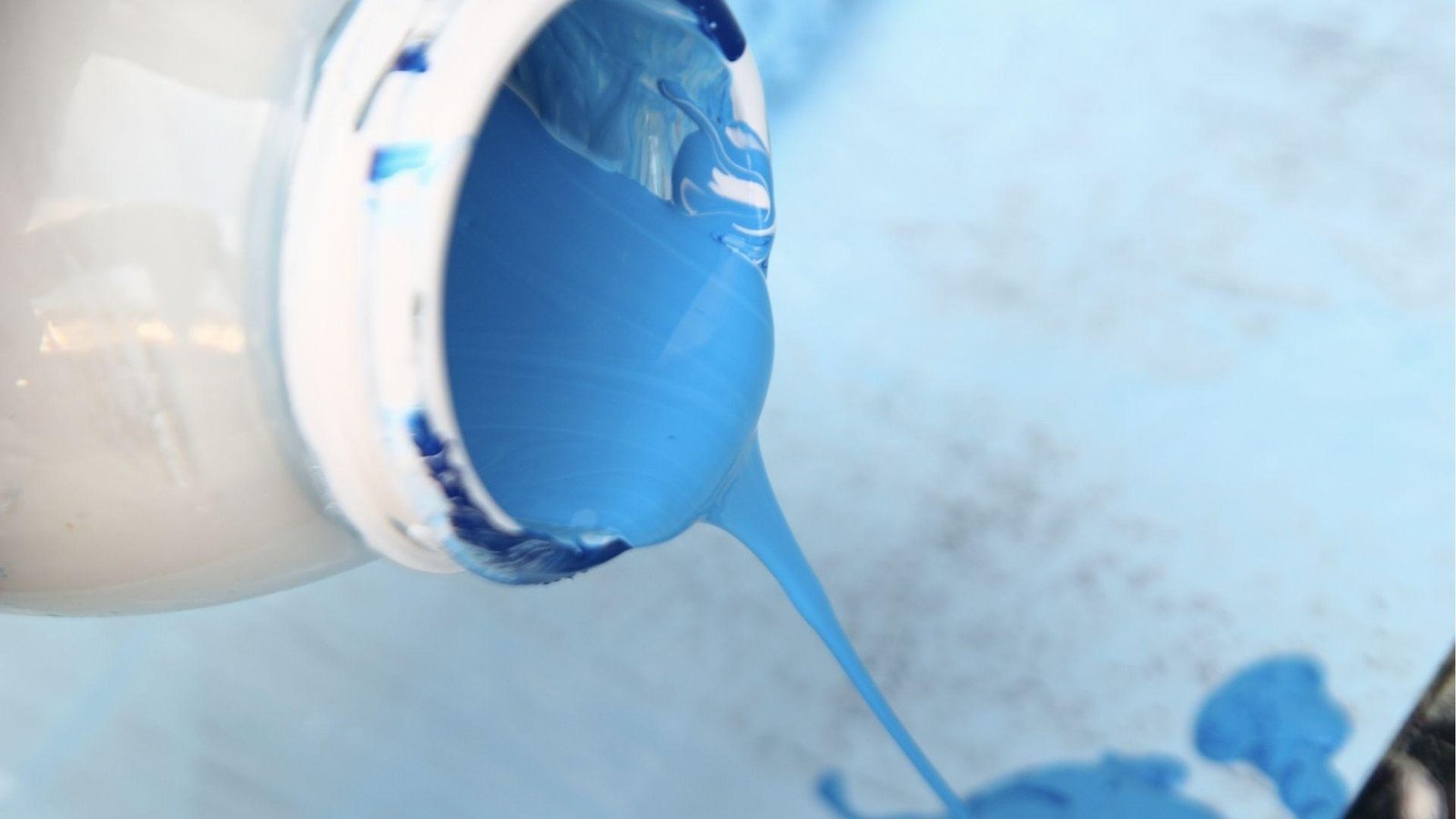
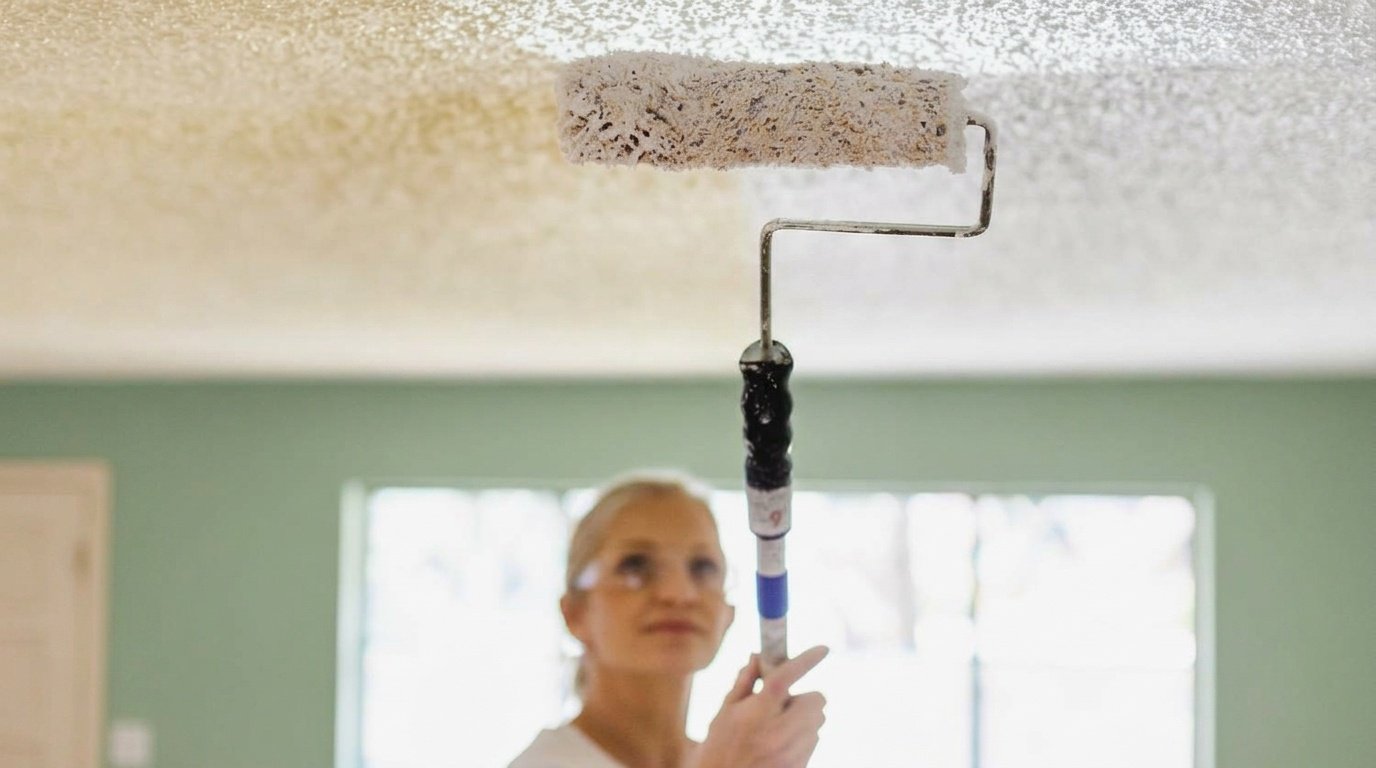
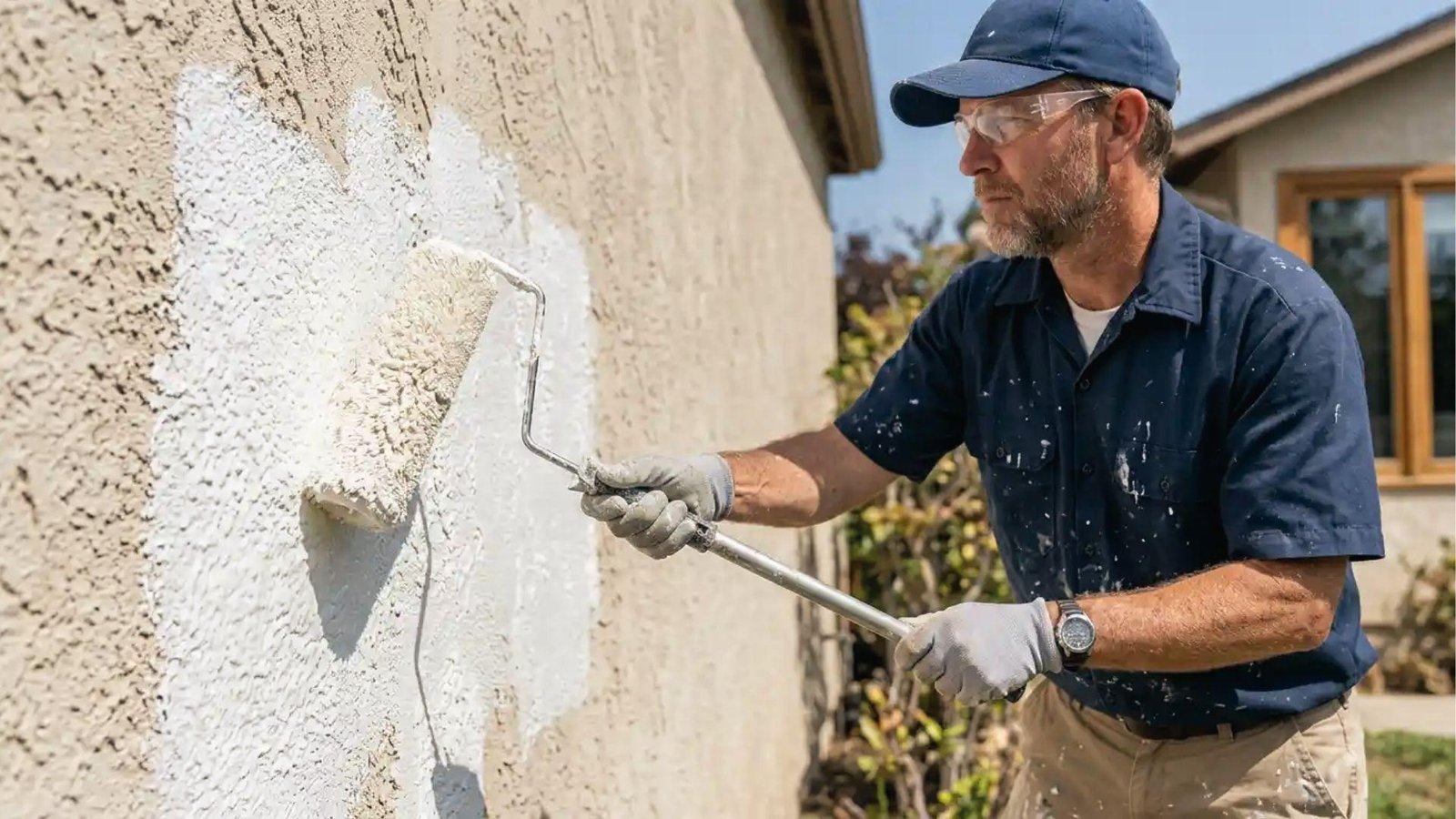
Elastomeric paint is a thick, rubber-like coating made for exterior surfaces like stucco, concrete block, and brick.
Unlike regular exterior paint, which dries into a rigid film, elastomeric paint forms a flexible membrane that can stretch up to 300% of its original size without cracking.
This flexibility allows it to move with the surface as it expands in heat or contracts in cold.
The coating acts as a strong barrier against water, wind, and debris, preventing moisture from seeping through small openings.
It also fills and covers hairline cracks that commonly develop in masonry over time, giving the surface a sealed, well-protected finish.
Disadvantages of Elastomeric Paint
Elastomeric paint has real drawbacks that every homeowner should know before committing to it.
Higher Cost Than Traditional Paint
Elastomeric paint costs more per gallon than standard exterior paint, and that gap widens when you factor in the extra labor and prep work involved.
For homeowners on a tight budget, the total project cost can be a deciding factor. It is not always the most practical choice when the surface does not truly need that level of protection.
Difficult Application and Longer Drying Times
Applying elastomeric paint is not as straightforward as rolling on regular paint. It is thicker, requires specific tools, and needs even coverage to perform correctly.
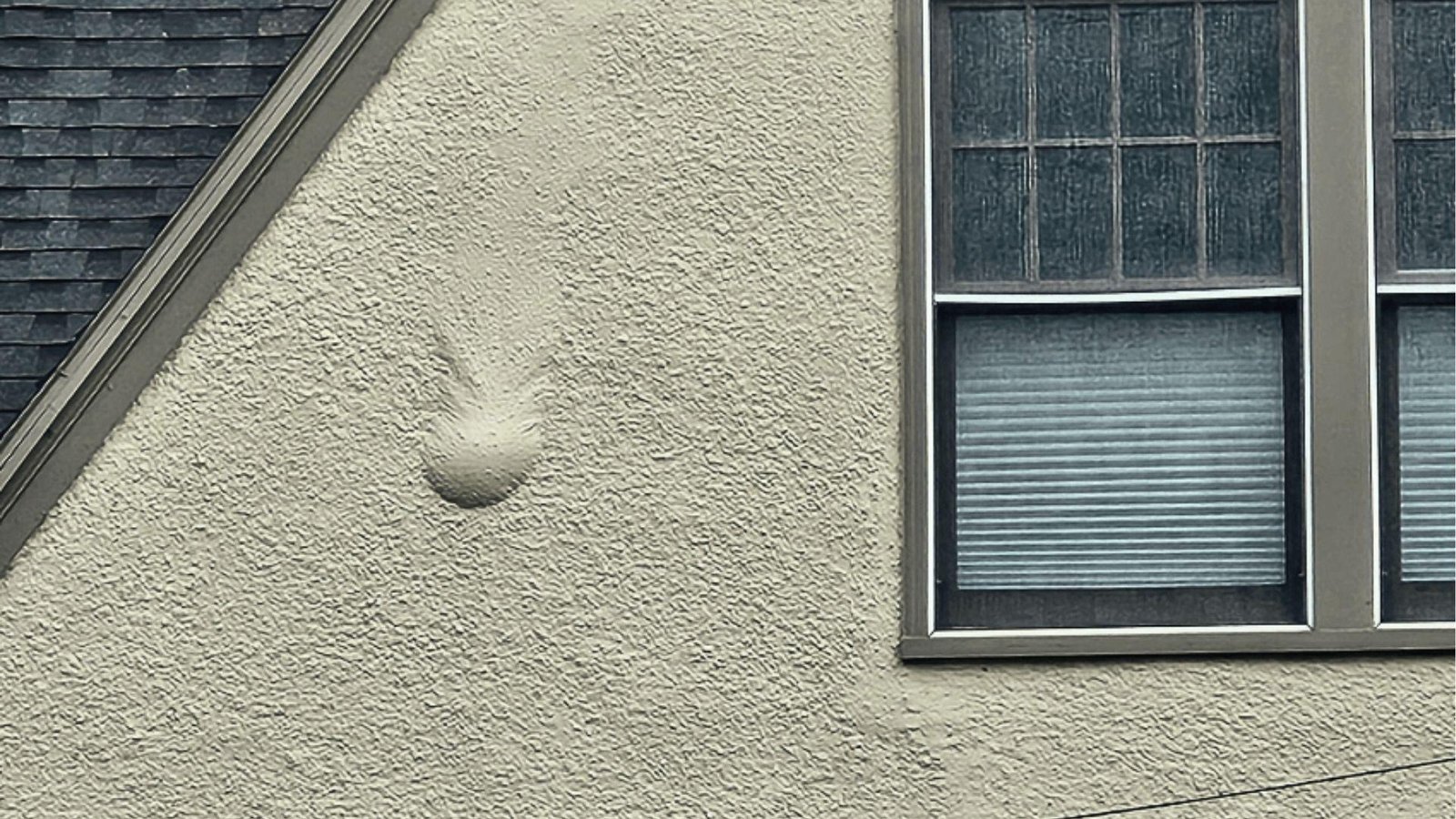
Many DIYers struggle to get consistent results. On top of that, each coat takes longer to dry, and applying the next coat too soon can trap moisture and cause bubbling.
Full curing can take several days depending on temperature and humidity.
Can Trap Moisture if Applied Incorrectly
If elastomeric paint is applied over a damp surface or used on walls that need to breathe, moisture gets sealed inside.
This leads to blistering, peeling, and in some cases mold growth behind the coating. Proper surface prep and knowing where this paint is appropriate are critical to avoiding this problem.
Not Ideal for Every Surface or Future Project
Elastomeric paint works well on masonry but is a poor fit for wood, vinyl siding, or surfaces that require breathability.
It also creates complications down the road. Painting over it or removing it requires specific primers, compatible coatings, or mechanical scraping, all of which add time and cost to any future work.
Advantages of Elastomeric Paint
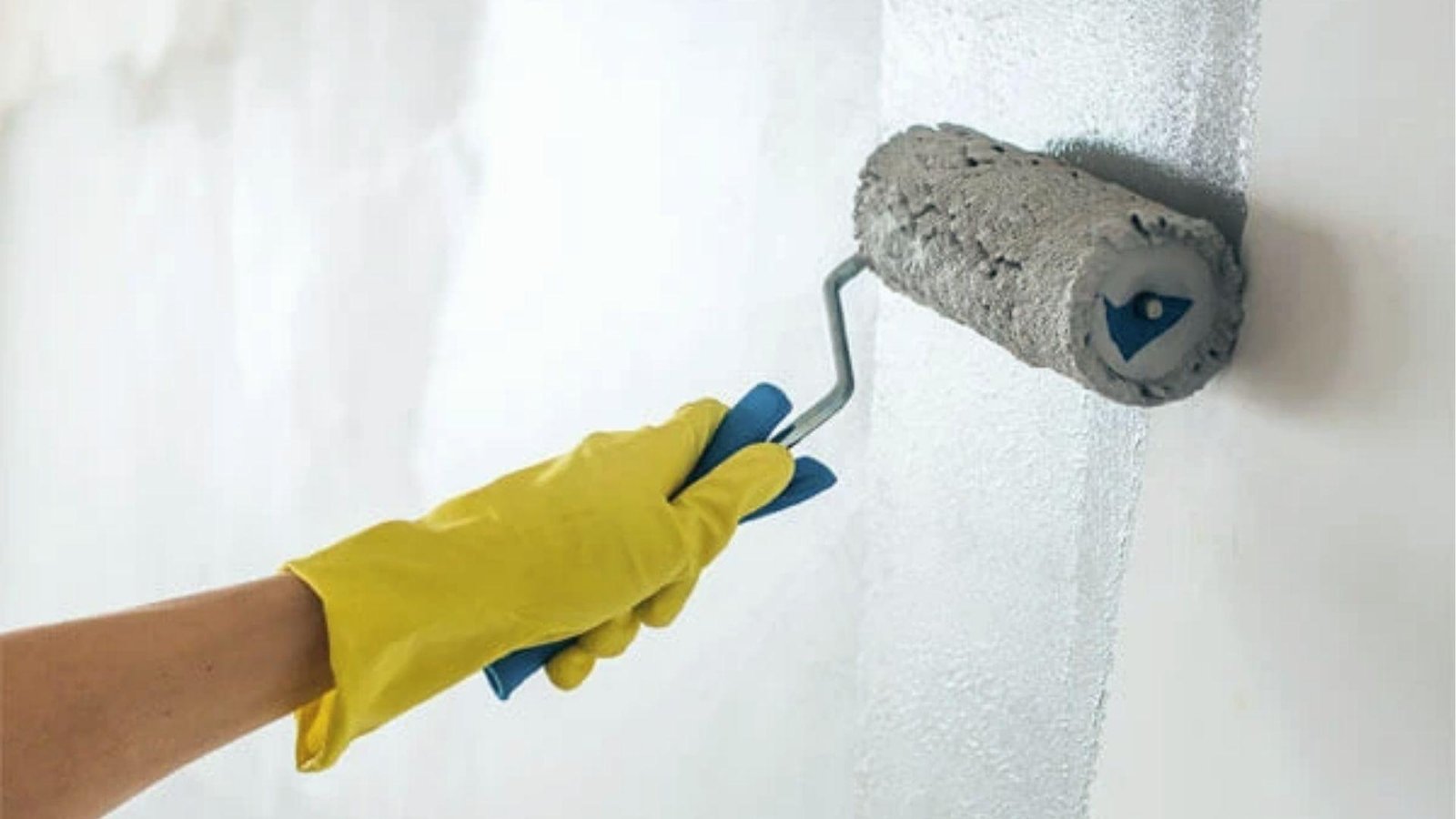
Elastomeric paint offers more than just color. It brings real protection to exterior surfaces that face harsh conditions.
Superior Waterproofing and Crack-Bridging
Elastomeric paint creates a strong, water-resistant barrier that keeps moisture out of walls, making it especially useful in areas with heavy rainfall or high humidity.
One of its biggest strengths is its ability to fill and bridge hairline cracks in stucco and concrete without needing a separate filler.
This saves time during application and adds a layer of protection against future cracking.
The thick membrane also resists chipping, peeling, and fading far better than regular paint, which means fewer repaints and lower maintenance costs over the years.
Flexibility, Durability, and Weather Resistance
Most paints crack when surfaces expand and contract through changing seasons.
Elastomeric paint stretches with those changes, keeping the coating intact through hot summers and cold winters.
A properly applied coat holds up well against sun, rain, and wind, lasting significantly longer than standard exterior paint.
Quality formulas also include UV-resistant compounds that help color hold without fading, which matters a lot for homes in sunny climates.
Smooth Finish and Improved Appearance
Elastomeric paint fills in rough or uneven surfaces, leaving a cleaner, more finished look.
It hides minor surface imperfections and gives walls a more polished appearance without any extra prep work.
When Should You Use Elastomeric Paint?
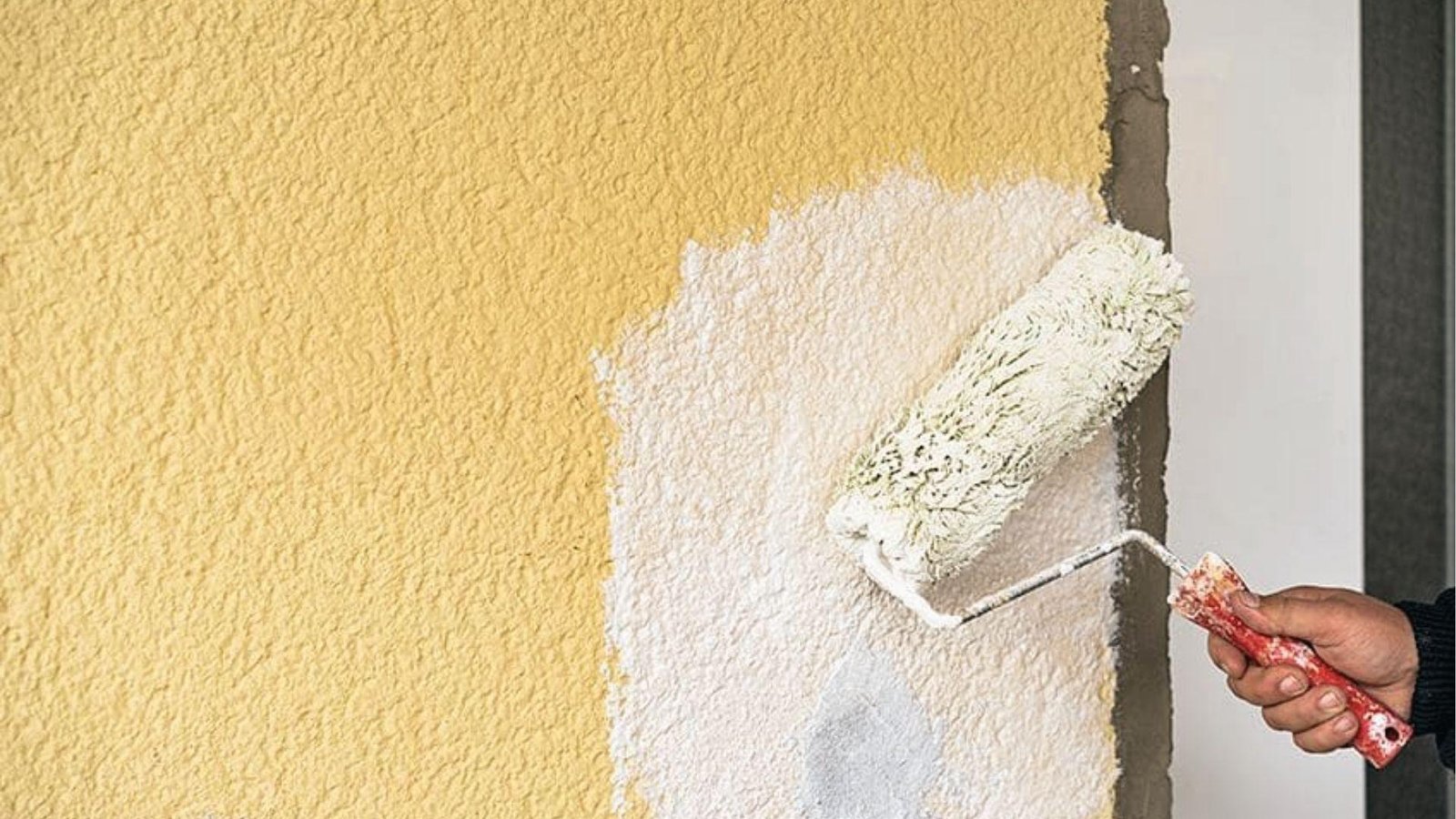
Knowing when elastomeric paint makes sense can save you time, money, and frustration.
Older Stucco With Hairline Cracks
Older stucco surfaces that show small, non-structural cracks are good candidates for elastomeric paint.
The thick coating fills and bridges those cracks without requiring individual repairs.
Concrete and Masonry Surfaces Exposed to Moisture
Basement walls, retaining walls, and concrete foundations that face regular moisture are well suited for elastomeric paint.
The waterproof membrane helps keep water from penetrating the surface.
Homes in Rainy or Harsh Climates
If your home is in a region with heavy rain, strong sun, or dramatic temperature swings, elastomeric paint offers more protection than standard options.
Projects That Need Maximum Waterproofing
Any exterior project where keeping water out is the top priority is a good fit for elastomeric paint. This includes surfaces near water features, drainage areas, or below-grade walls.
Commercial Buildings and Multi-Family Properties
Large masonry buildings benefit from elastomeric paint because it reduces long-term maintenance and protects large surface areas from weather damage.
Tips for Choosing the Right Exterior Paint
Picking the right exterior paint starts with understanding your surface, your climate, and your long-term goals.
- Check for moisture, peeling paint, and surface damage before choosing any product.
- In wet or extreme climates, prioritize waterproofing and flexibility over cost.
- Fill all cracks with the appropriate filler and let it cure fully before painting.
- A more expensive product upfront can save money on repairs and repaints over time.
- A professional with experience in elastomeric coatings can prevent costly application mistakes.
Conclusion
After looking at the advantages and disadvantages of elastomeric paint, I think it comes down to knowing your surface and your needs.
If you have older stucco or a masonry wall that faces harsh weather, it can be worth every penny.
But if you're working with wood or a surface that needs to breathe, stick with a good acrylic. I've seen both used well and both used poorly.
The difference is always preparation and the right choice for the right surface. Got a question or a project in mind? Drop it in the comments below.
Frequently Asked Questions
Is Elastomeric Paint Waterproof?
Elastomeric paint is highly water-resistant and acts as a waterproof membrane on exterior surfaces. It keeps moisture from penetrating stucco, concrete, and masonry when applied correctly.
Is Elastomeric Paint Breathable?
Elastomeric paint has low breathability compared to standard exterior paints. This makes it unsuitable for surfaces where moisture needs to pass through the wall from the inside out.
How Long Does Elastomeric Paint Last?
With proper application and surface preparation, elastomeric paint can last anywhere from ten to twenty years. Its lifespan depends on climate, surface condition, and maintenance.
Can You Paint Over Elastomeric Paint?
Yes, but it requires the right primer and a compatible topcoat. Painting over elastomeric paint without the proper preparation can lead to peeling and adhesion problems.
Is Elastomeric Paint Better Than Acrylic Paint?
It depends on the surface and the goal. Elastomeric paint is better for waterproofing and crack-bridging on masonry. Acrylic paint is better for breathability, ease of application, and cost.
Can Elastomeric Paint Stop Stucco Cracks?
Elastomeric paint can cover and bridge hairline cracks in stucco. It does not repair structural cracks. Large or growing cracks should be repaired before any coating is applied.