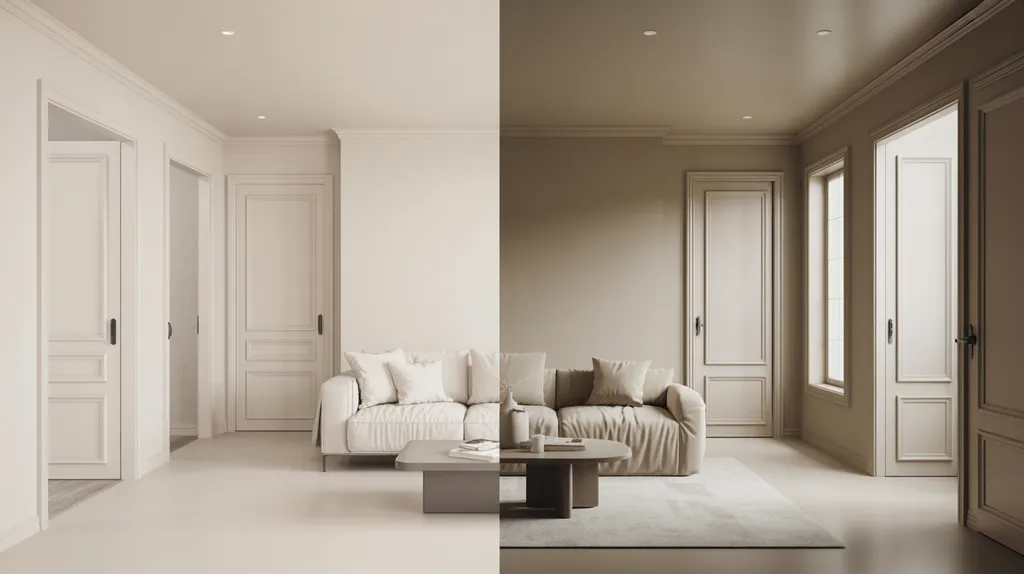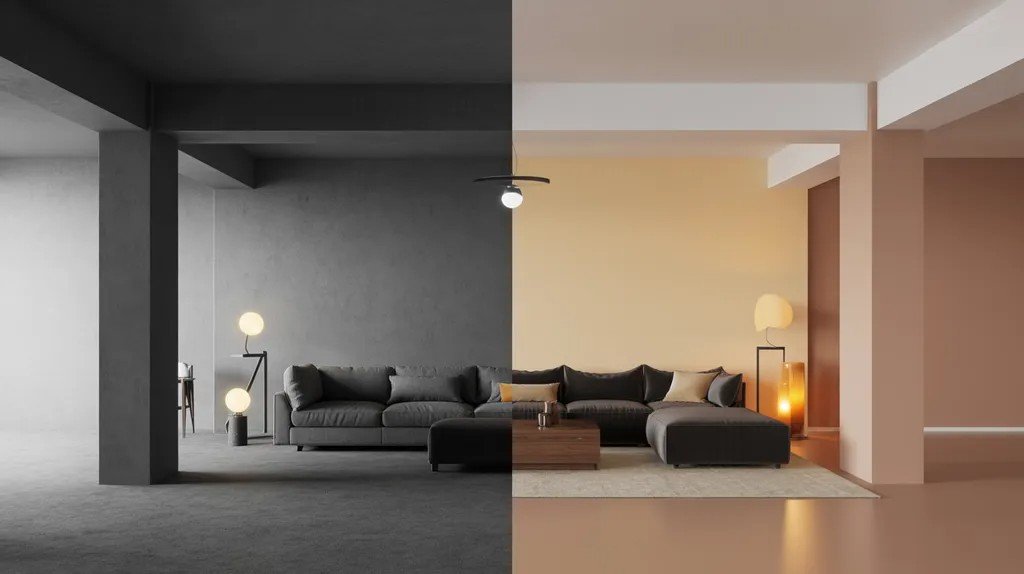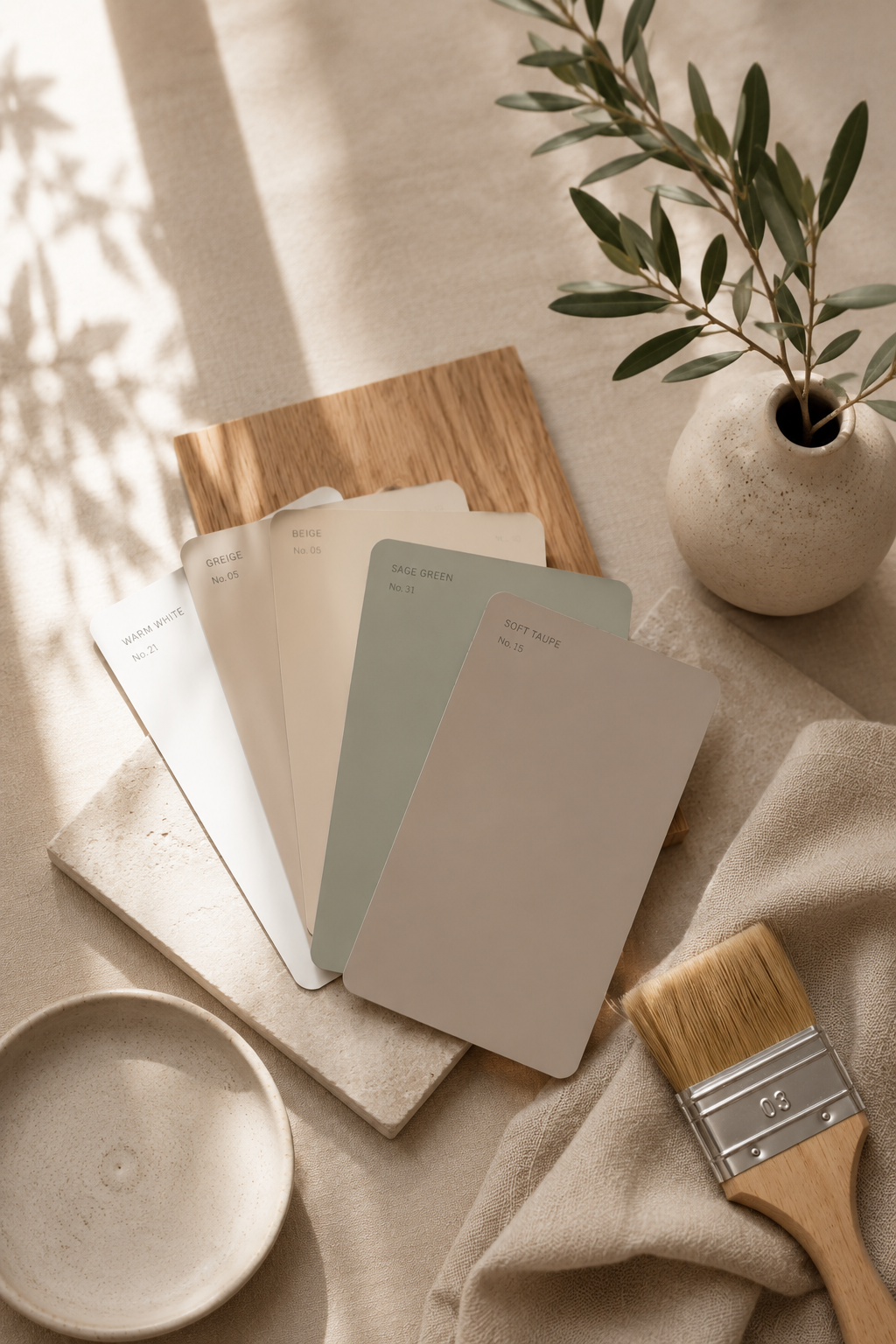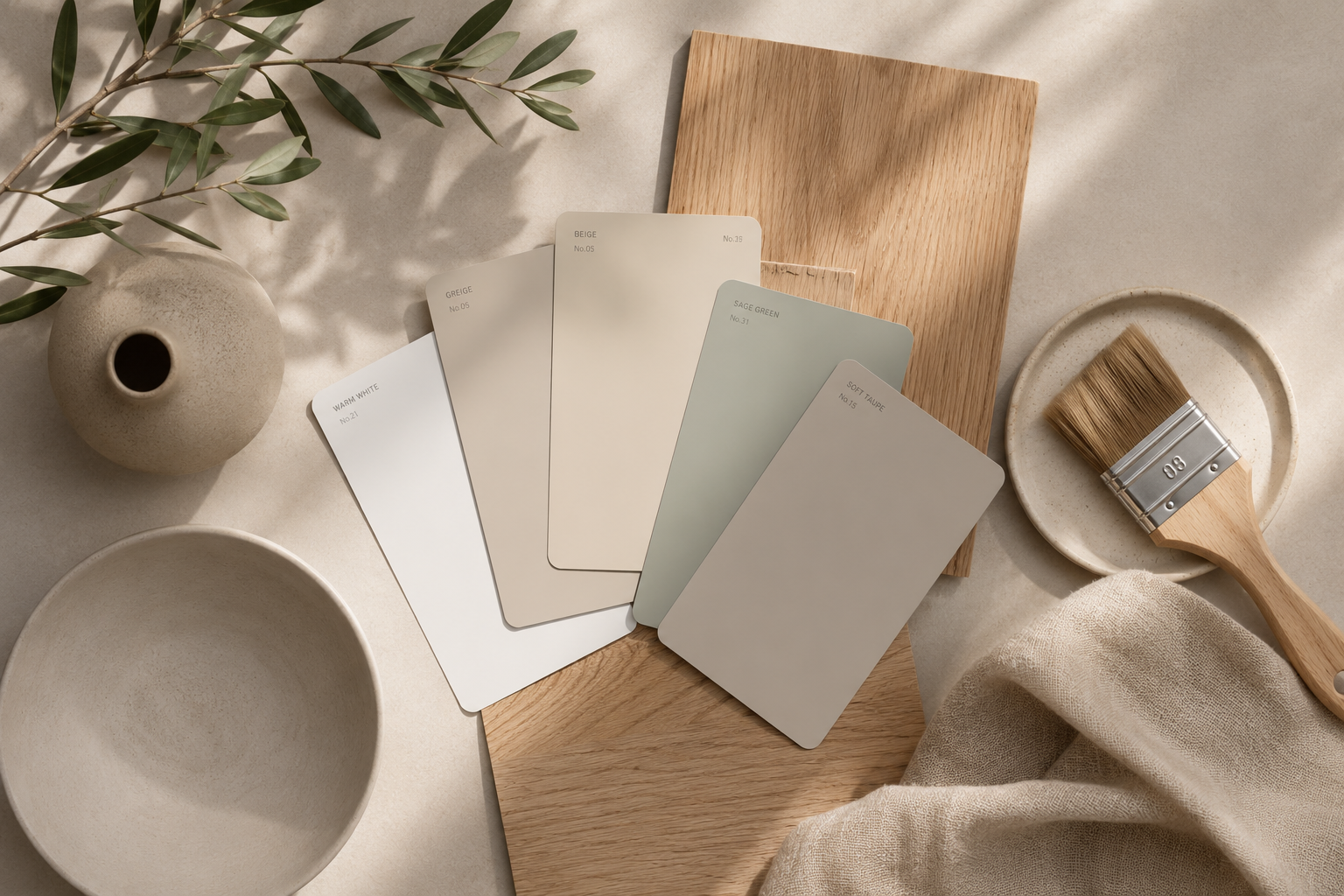
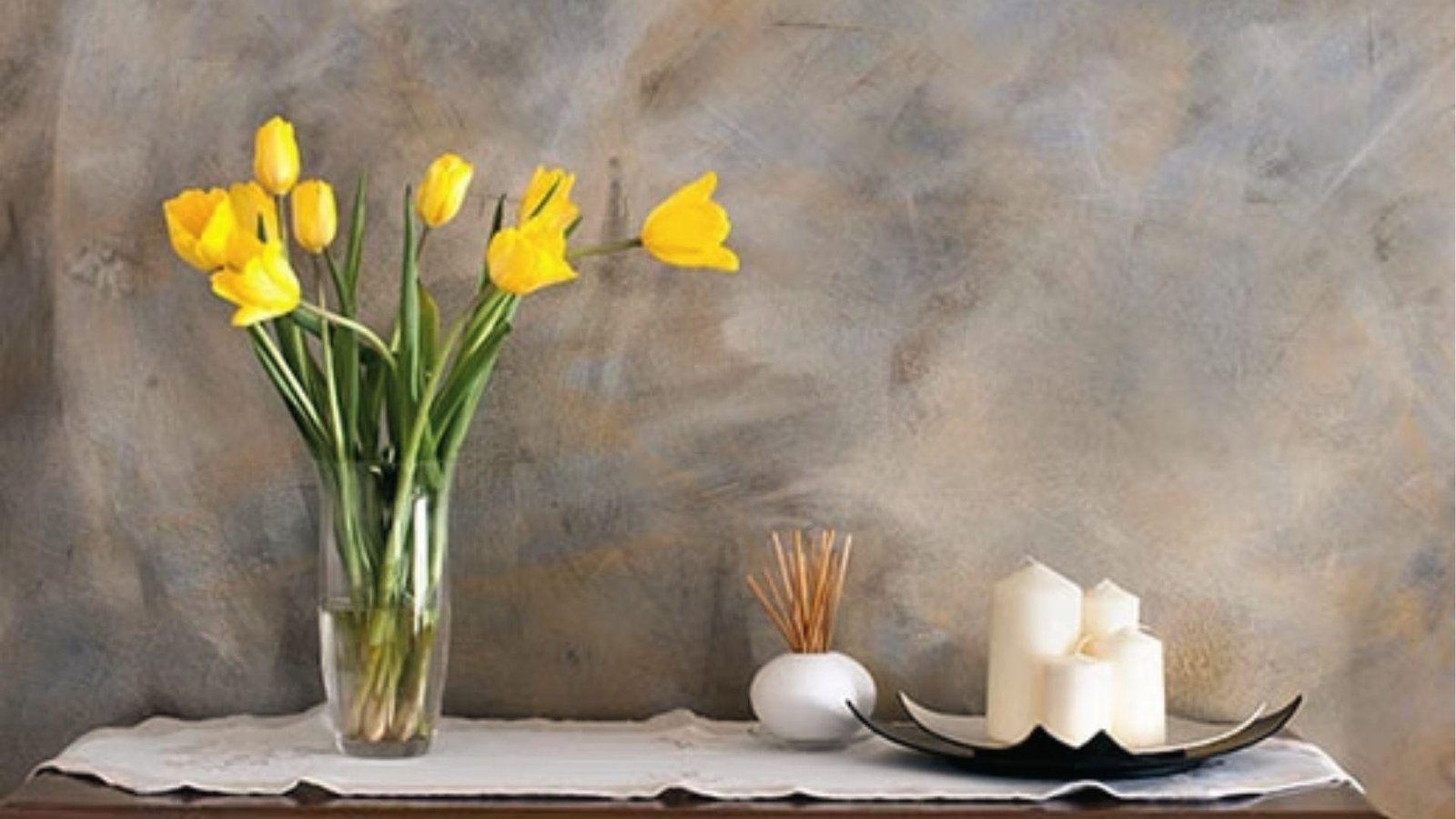
I still remember the first time I tried color washing on a plain bedroom wall. It looked like something out of a design magazine, and I spent almost nothing.
That moment got me hooked on faux painting techniques for good.
This blog covers everything you need to know, from classic finishes like rag rolling and sponging to modern looks like Venetian plaster and limewash.
I will walk you through the tools, the process, and the mistakes to skip.
With years of testing these methods firsthand, I can tell you, faux finishes are more approachable than they look. Let's get into it.
What Are Faux Painting Techniques?
A closer look at what these finishes are, where they come from, and why they work so well in modern homes.
Faux painting is a decorative art form that dates back centuries, when craftsmen used paint to make affordable materials look like expensive ones.
Today, homeowners and designers use the same idea with modern paints and glazes to add depth, texture, and character to any surface.
Traditional methods like sponging, rag rolling, and stippling rely on simple tools, while modern approaches like limewash and faux concrete use specialty finishes for a refined result.
These finishes work well in living rooms, bedrooms, entryways, and even bathrooms. Compared to real stone or wood paneling, faux painting delivers a similar look at a fraction of the cost.
How to Do Faux Painting Techniques
A beginner-friendly breakdown of the tools, prep work, and process you need to get started the right way.
Important Tools and Materials
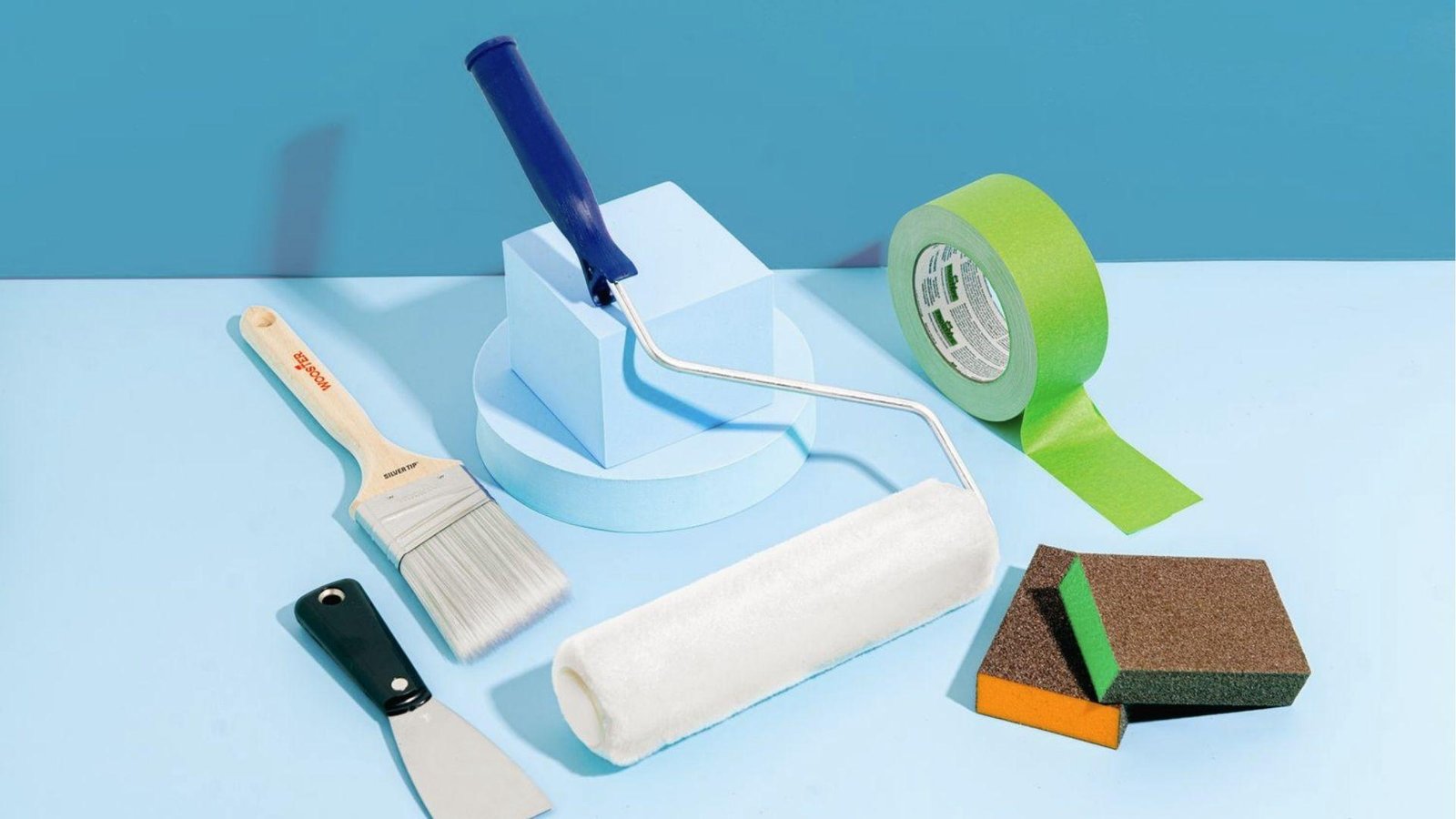
The tools you need depend on the technique, but most faux finishes require a few basics. A quality brush, a roller, paint trays, and painter's tape are always helpful.
Many techniques also need a glaze medium, which extends the drying time and allows for blending. Specialty tools like sea sponges, rags, or combing tools are used for specific finishes.
Preparing Walls and Surfaces Properly
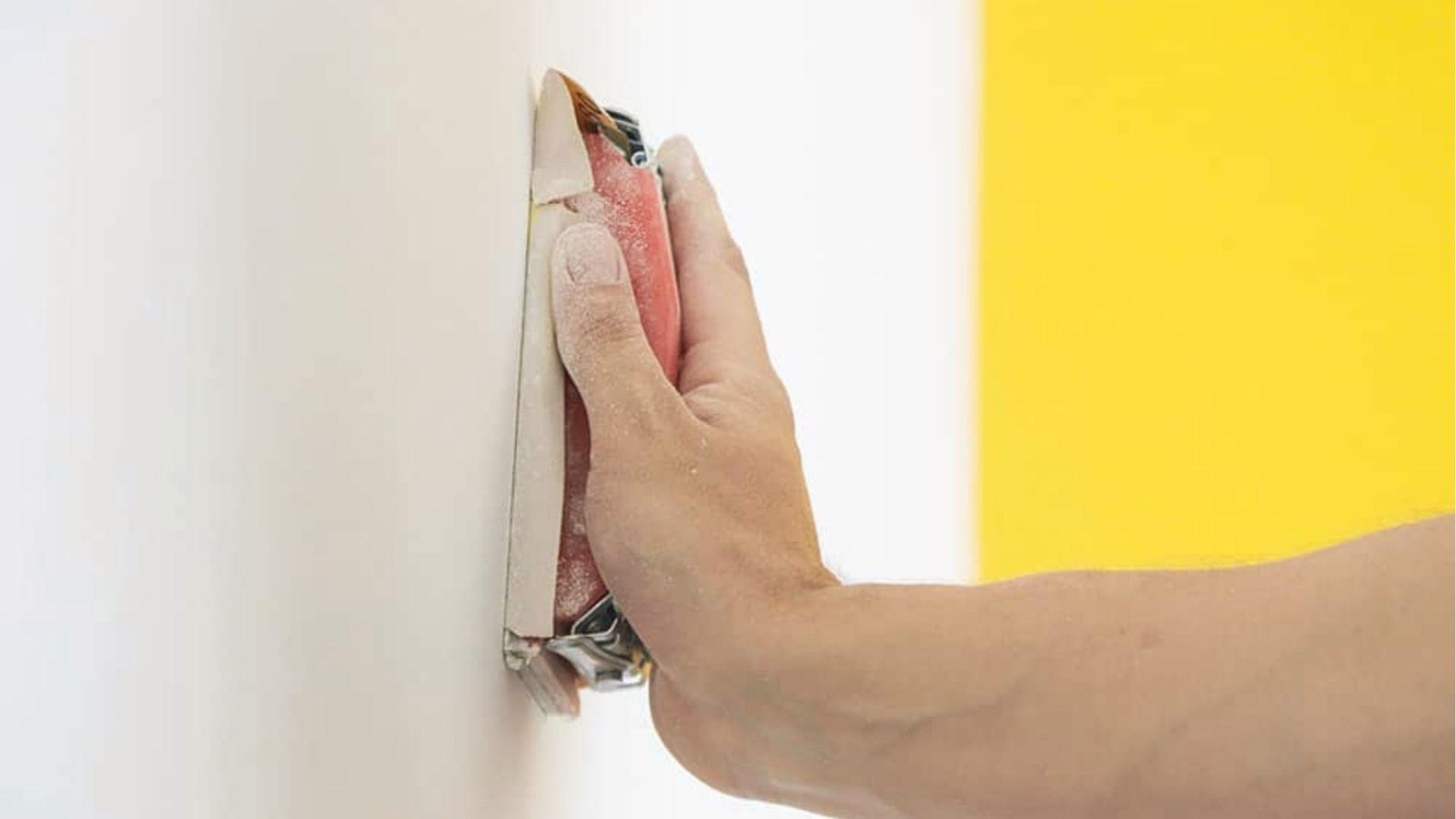
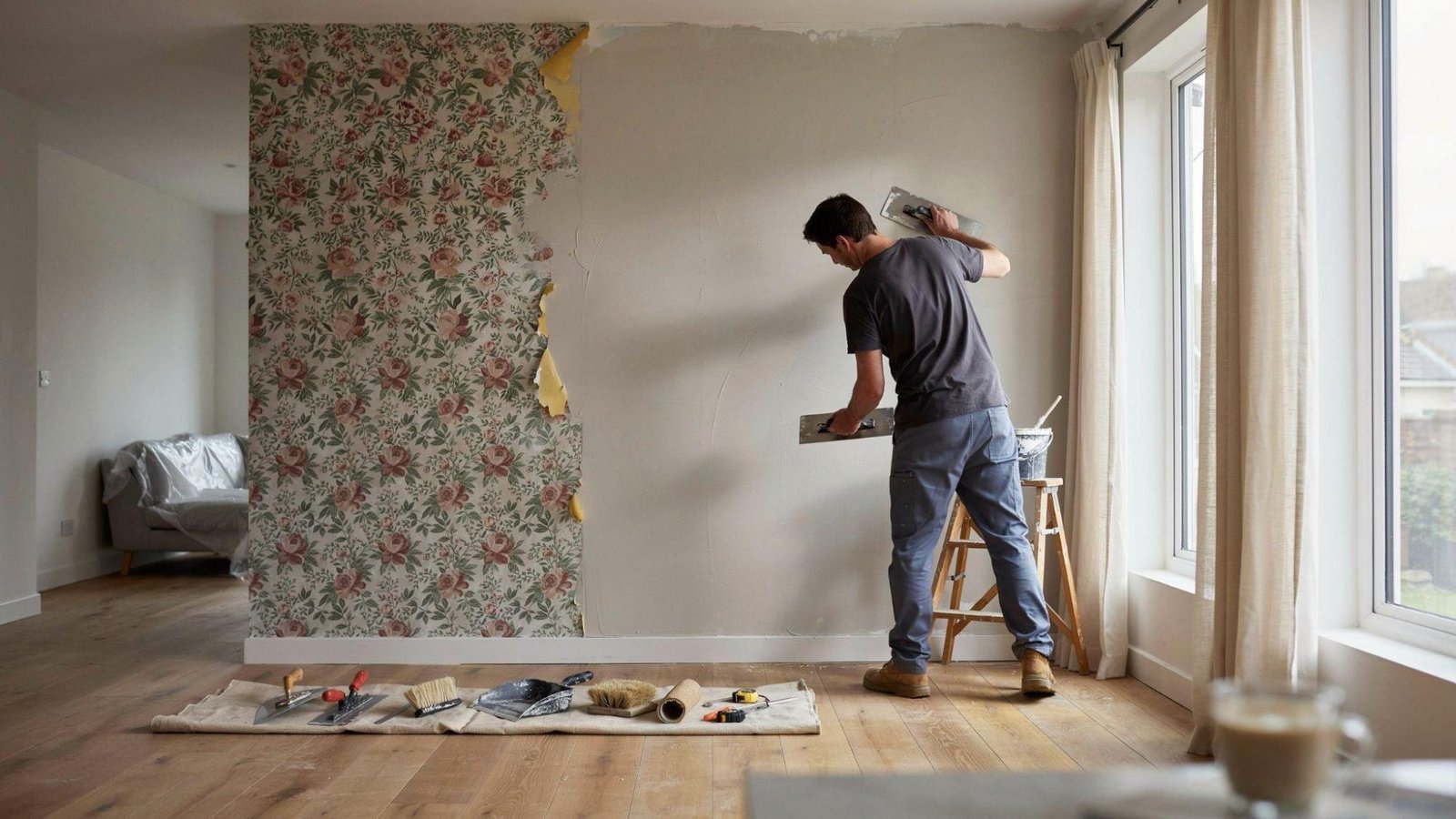
Good preparation is what separates a clean result from a messy one. Walls should be clean, dry, and free of grease or damage.
Fill any cracks and sand rough patches smooth. Apply a coat of primer before your base color, especially if you are painting over a dark or uneven surface.
Taking time with prep saves a lot of frustration later.
Choosing the Right Paints, Glazes, and Finishes
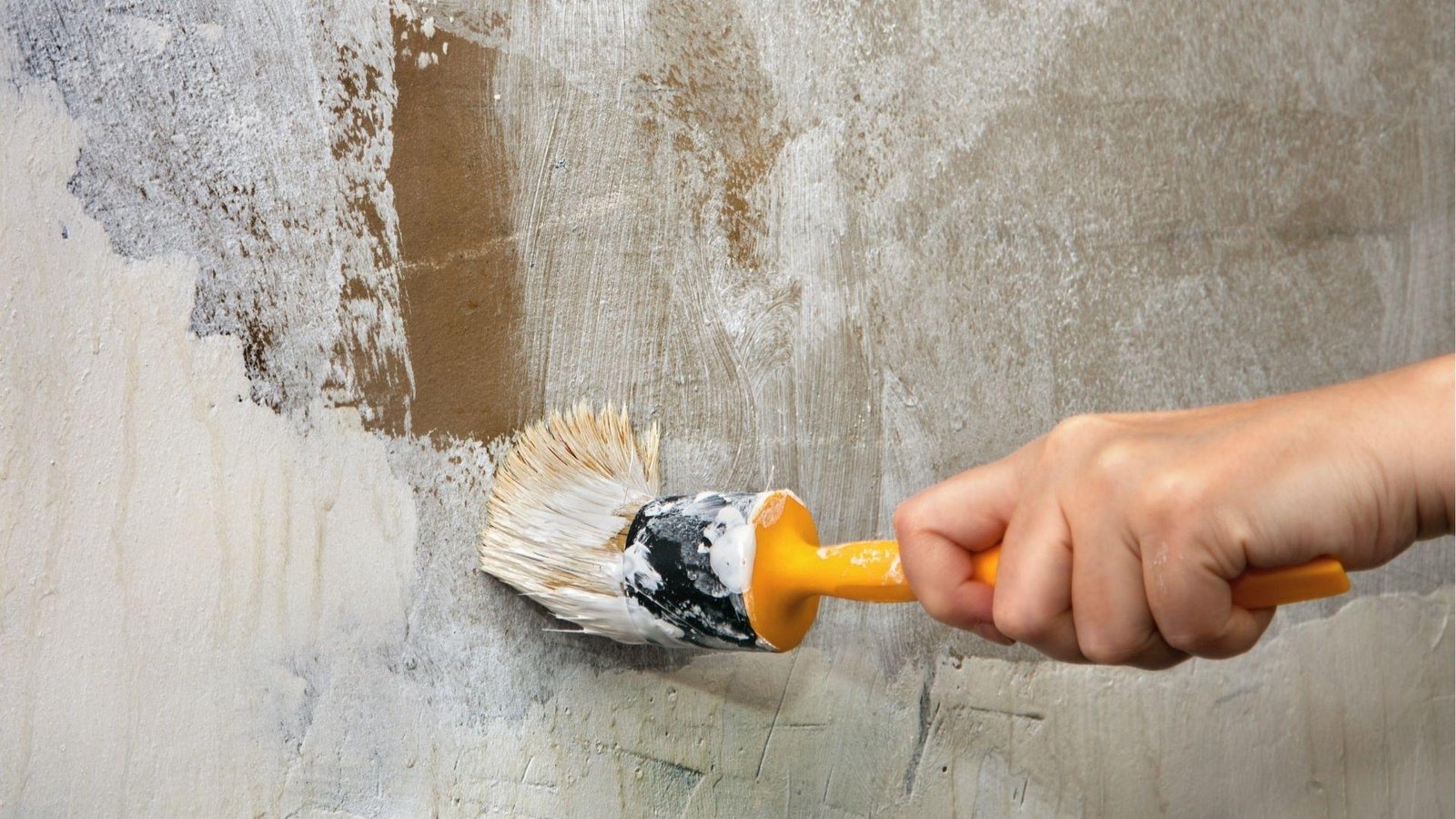
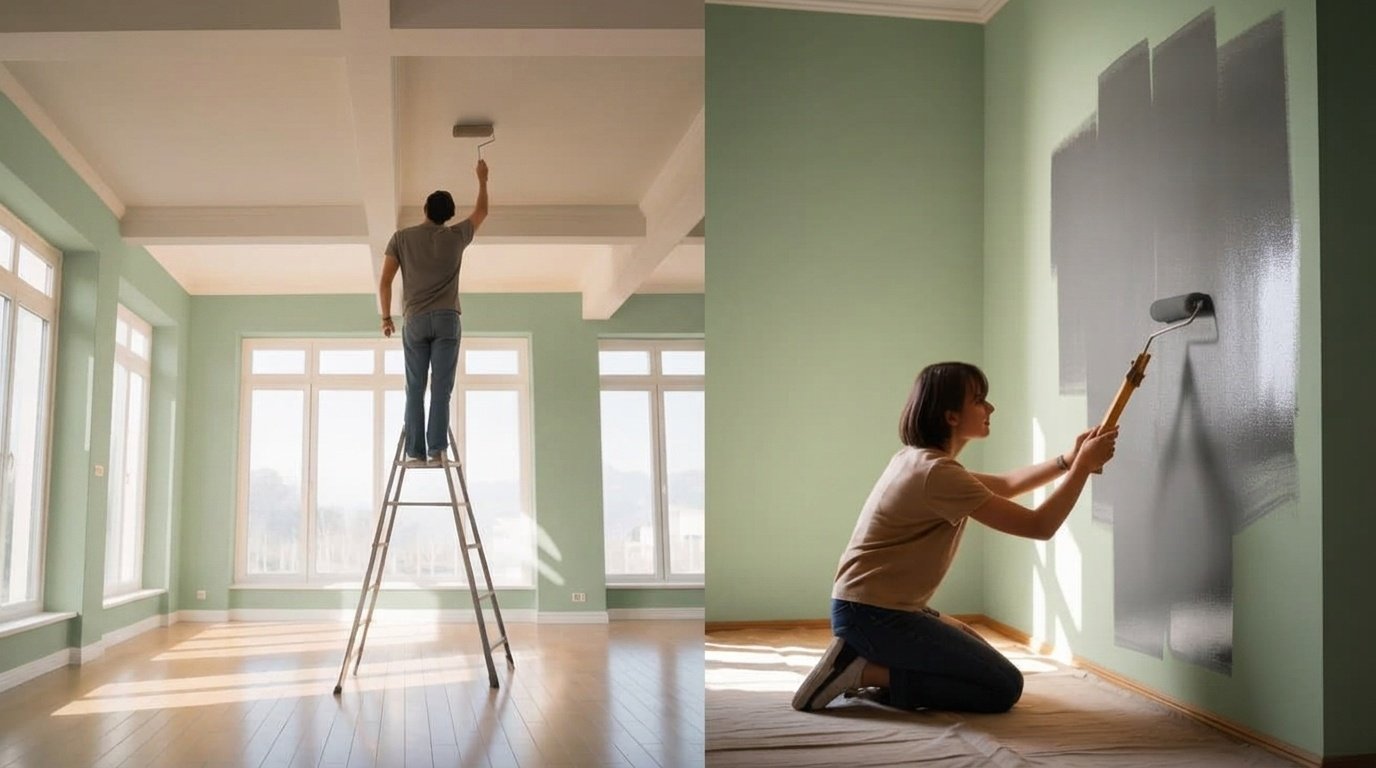
The base coat is usually a flat or eggshell paint in your chosen color. The glaze is then mixed with a top color and applied over the base.
Most faux techniques use a ratio of one part paint to four parts glaze, though this can vary. For surfaces that see a lot of contact, like furniture or floors, a protective topcoat is recommended.
Best Faux Painting Techniques for Walls and Interiors
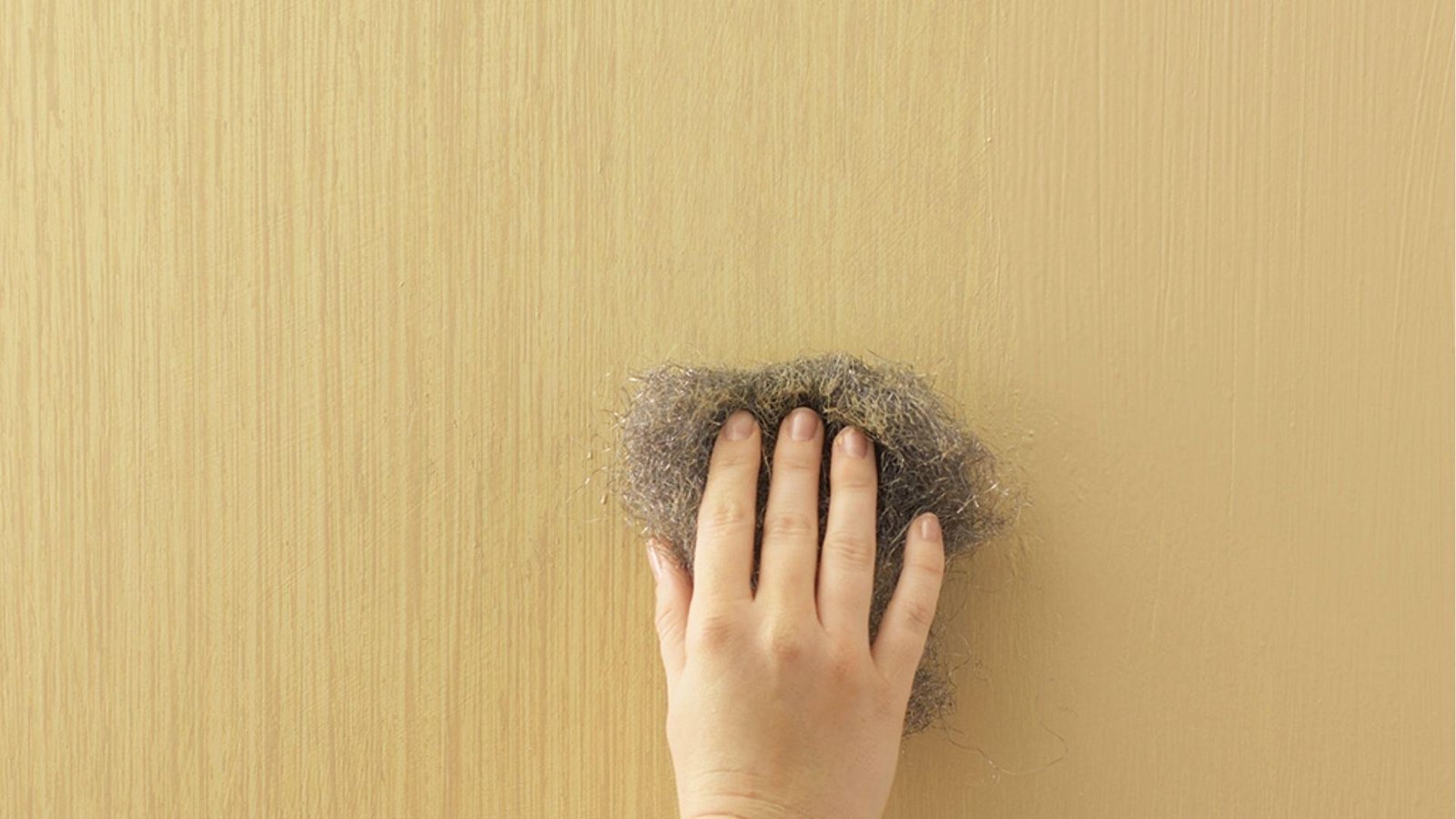
Six tried-and-tested finishes that work well for beginners and experienced DIYers alike.
Color Washing
Color washing is one of the most forgiving techniques available. A thinned glaze is brushed over a base coat in loose, overlapping strokes.
The result is a soft, layered look that adds warmth and movement to plain walls. It works particularly well in living rooms and bedrooms where a relaxed, worn-in feel is the goal.
Rag Rolling
Rag rolling involves rolling a bunched-up cloth over wet glaze to create an organic, textured pattern.
The texture varies depending on the type of rag and how tightly it is twisted. Cotton rags produce a finer pattern, while rougher fabrics give a more rustic result.
This technique works well on accent walls or in rooms that need added visual interest.
Sponging
Sponging uses a natural sea sponge dipped in glaze and dabbed across a base coat.
It creates a mottled, layered look that can go from subtle to bold depending on how many colors are layered.
It is one of the most popular techniques for beginners because it is forgiving and quick to apply.
Mottling
Mottling creates a soft, cloudy effect using a brush or sponge to move wet glaze in circular motions.
It gives walls a watercolor-like quality that works well in rooms with natural light. The finish looks especially good when two or three similar shades are layered together.
Linen Weave (Strié)
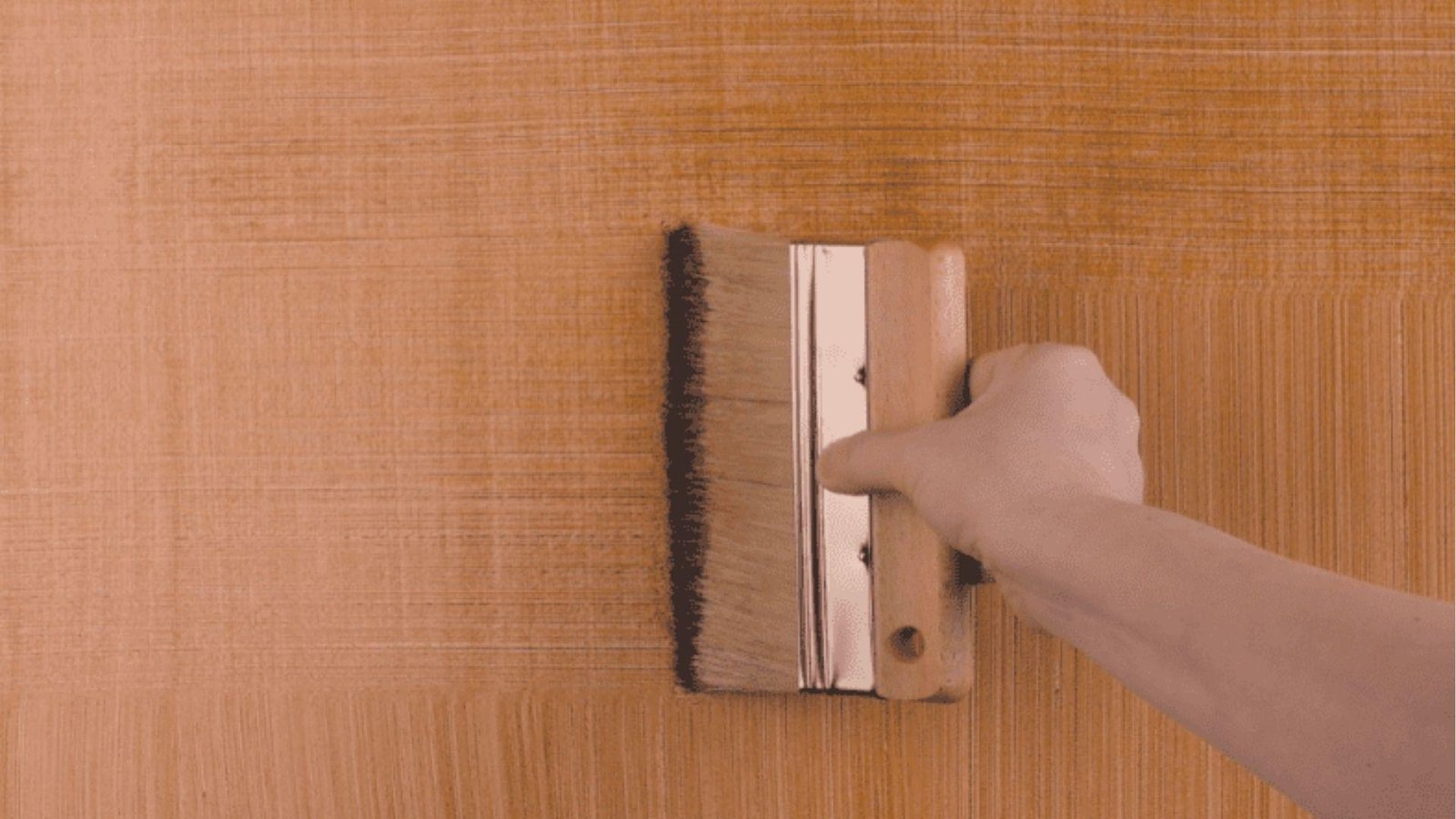
Strié, also called linen weave, creates fine vertical or horizontal lines that mimic the look of woven fabric.
A wide brush is dragged through wet glaze in long, straight strokes.
The result is a clean, textured finish that suits formal dining rooms, offices, or any space where a structured look is wanted.
Tea Staining
Tea staining gives walls or furniture a warm, aged appearance. A diluted glaze in amber or brown tones is applied over a lighter base and blended with a cloth or brush.
It works well on wood surfaces and is a popular choice for vintage or farmhouse-style interiors.
Modern Faux Painting Techniques for a Designer Look
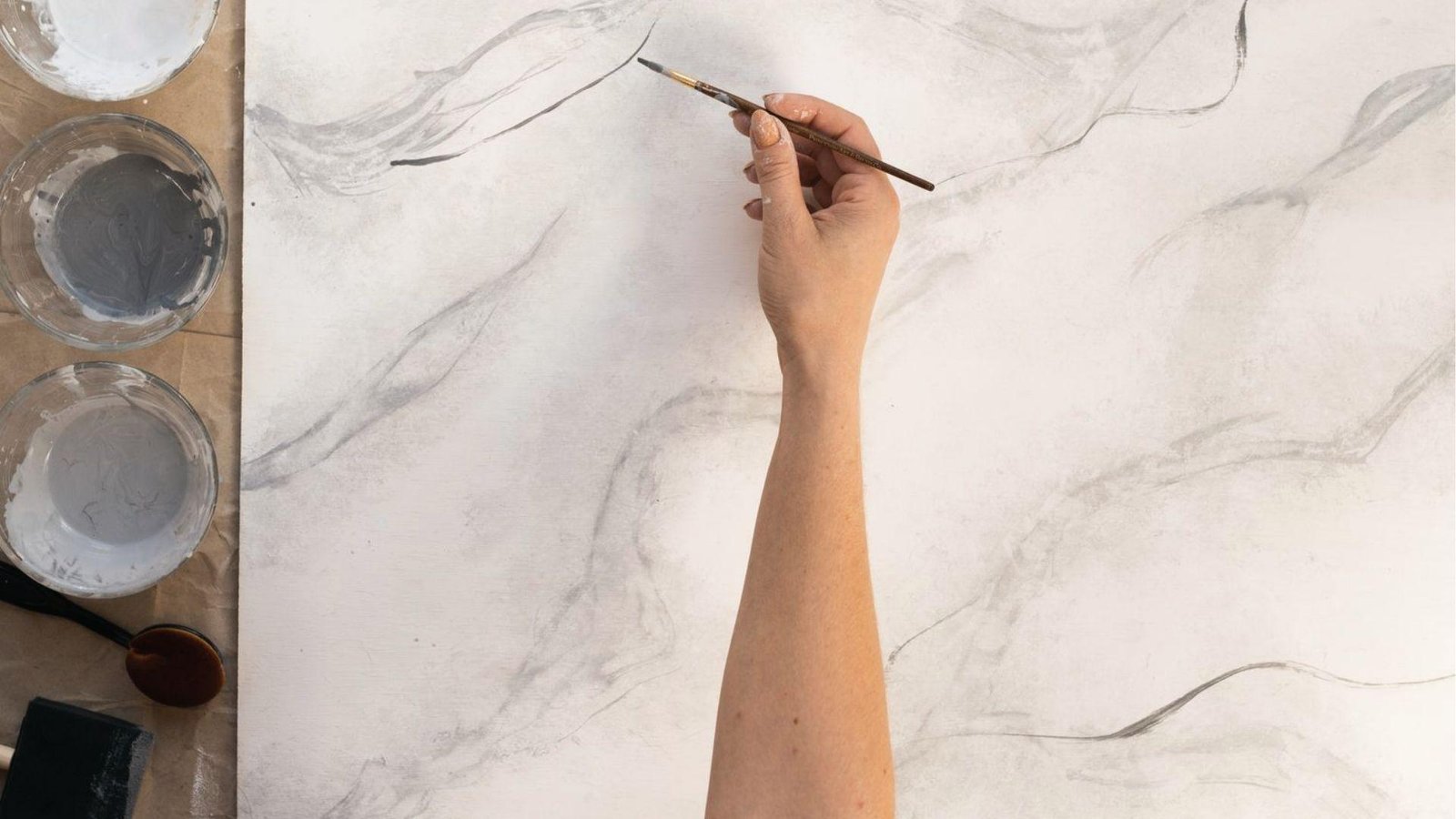
Newer approaches that bring high-end, textured results to everyday spaces without the high-end price tag.
Venetian Plaster Walls
Venetian plaster is one of the most refined faux finishes available. It uses a specialized plaster compound applied in thin layers with a trowel, then burnished to a smooth, polished surface.
The result mimics the look of real marble or plaster and adds significant visual depth to any room.
Limewash Finishes
Limewash is applied in overlapping strokes and then partially wiped back while still wet. This creates a soft, aged look with natural variation across the surface.
It has become extremely popular in recent years and works well in both modern and traditional interiors.
Faux Concrete Effects
Faux concrete finishes use specialty compounds or layered gray glazes to replicate the industrial look of raw concrete.
The finish is popular in modern and minimalist interiors, especially in kitchens, bathrooms, and open living spaces.
Metallic Patina Finishes
Metallic patina techniques use metallic paints layered with darkening glazes to mimic aged copper, bronze, or iron.
The finish is striking on feature walls, furniture, or decorative objects and adds a sense of age and character to the surface.
Minimalist Textured Walls
Not all faux finishes need to be bold. A subtle all-over texture using troweled compound or a lightly sponged glaze in a tone close to the base color creates quiet depth without drawing too much attention.
These finishes work well in calm, neutral interiors.
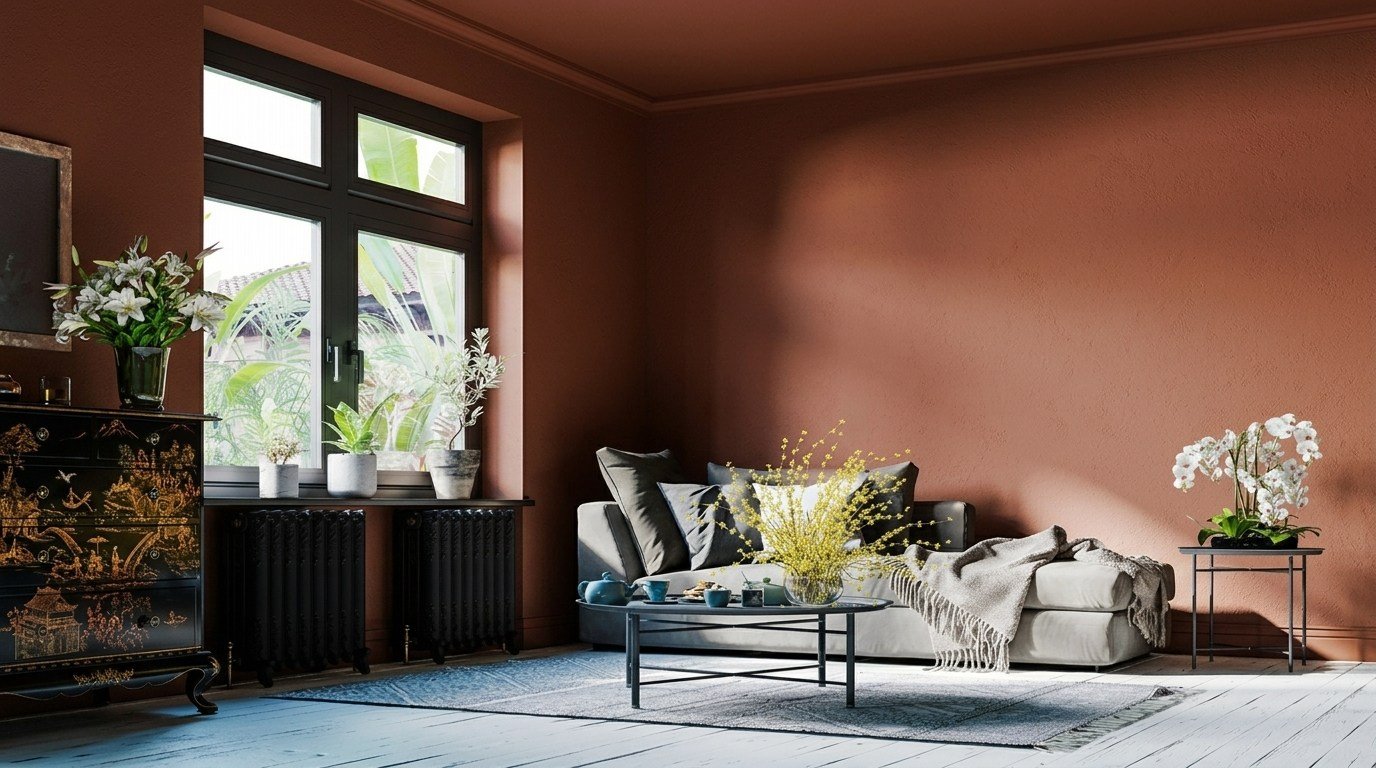
Contemporary Accent Wall Ideas
Faux finishes can be used on a single wall to create a focal point in a room.
A limewash or Venetian plaster accent wall behind a bed or sofa instantly changes the feel of the room without requiring a full renovation.
New Faux Painting Techniques and Creative Finish Ideas
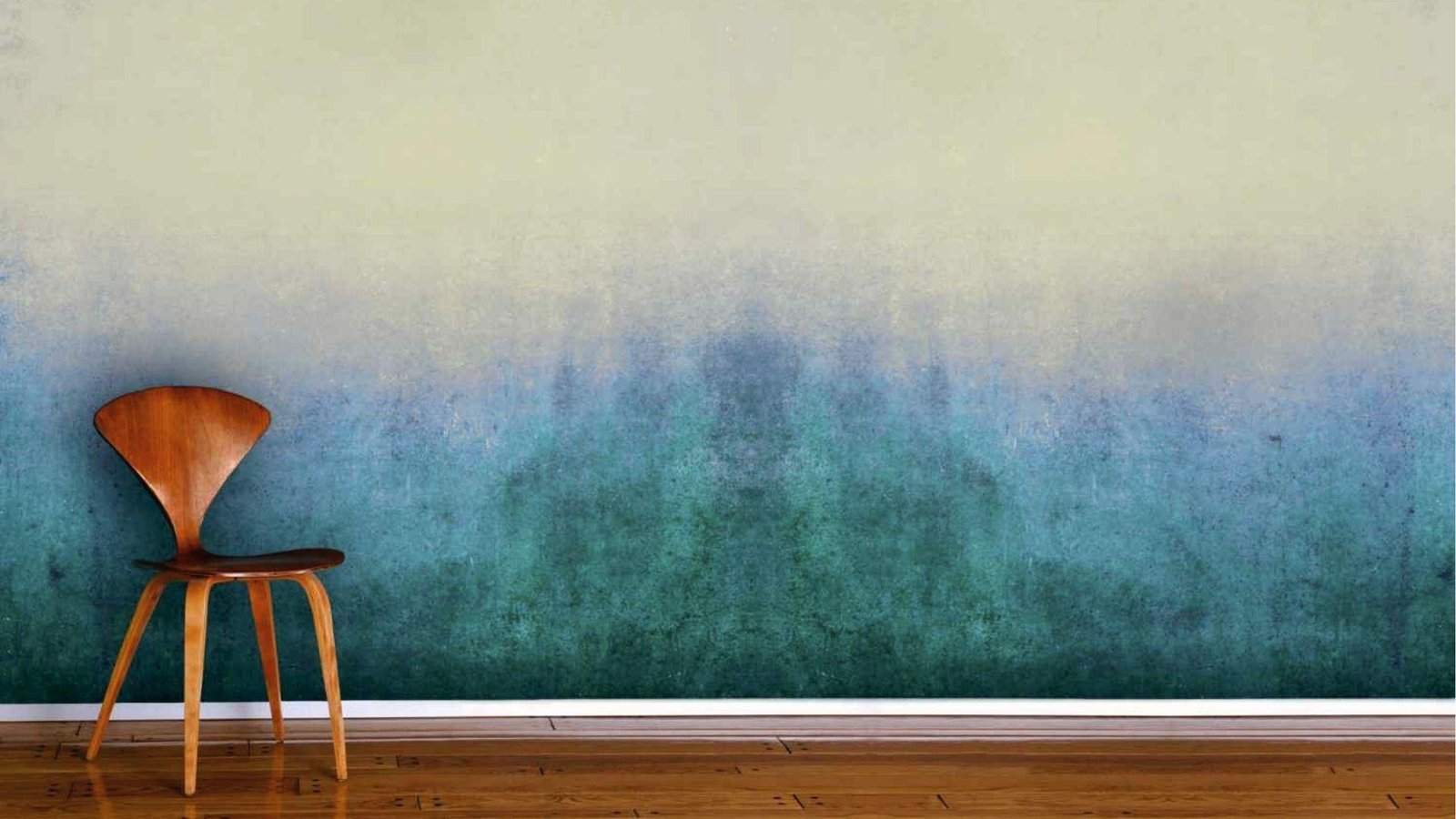
Fresh approaches for those looking to go beyond the basics and try something with more creative impact.
Layered Glaze Effects
Layering multiple glaze colors over each other builds up depth and visual complexity that a single coat of paint cannot achieve.
Each layer adds to the one beneath it, creating a rich, three-dimensional quality on the surface.
Multi-Tone Faux Finishes
Using two or three colors in a faux finish creates a more dynamic result than a single tone.
Colors can shift gradually from one to the next using a blending technique, or they can be applied in overlapping layers for a more textured, varied look.
Geometric Faux Designs
Masking tape is used to create geometric shapes or patterns on a wall before applying a faux finish within the taped sections.
The result is a structured, design-forward look that combines the visual interest of a faux texture with the precision of a graphic pattern.
Artistic Blended Color Effects
Blended finishes use soft gradients of two or more colors, transitioning from one shade to the next across a surface.
This technique works especially well on ceilings, large feature walls, or in rooms where a painterly, artistic quality is wanted.
Creative Ceiling and Accent Wall Finishes
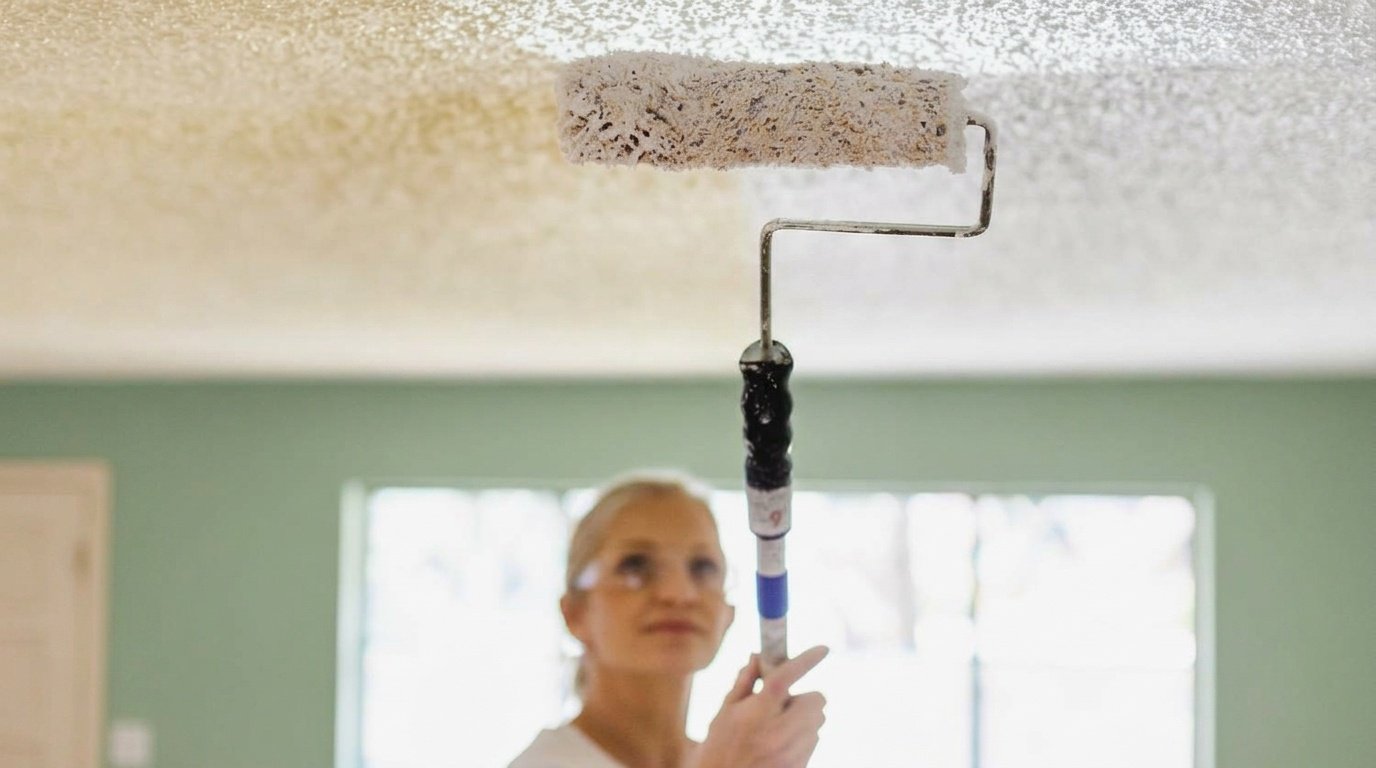
Ceilings are often overlooked, but faux finishes can work beautifully overhead.
A soft cloud effect, metallic sheen, or color-washed finish on a ceiling draws the eye upward and adds dimension to a room that plain white paint cannot offer.
Tips for Achieving Professional Faux Painting Results
Practical advice to help you get better results, whether this is your first time or your tenth.
- Always test your technique on a sample board before starting on the wall, and practice your glaze ratios and pressure until the result looks right.
- Apply two to three layers of glaze for a richer finish, letting each layer dry fully before adding the next.
- Match your finish to your room style. Rustic spaces suit color washing or tea staining, while modern rooms work better with faux concrete or Venetian plaster.
- Seal the finished surface with a clear topcoat once dry, and use a waterproof sealant in kitchens and bathrooms.
- Sponging, color washing, and rag rolling are safe for DIY, but complex finishes like Venetian plaster are best left to a professional.
Conclusion
Faux painting techniques have given me so many ways to refresh a space without spending a lot.
From a simple color wash on a bedroom wall to a limewash accent in a living room, these finishes do more than plain paint ever could.
If you have been thinking about trying one, start small and see what you can create. I would love to know which technique caught your eye.
Drop a comment below, share this post with someone who loves decorating, and check out more painting ideas on the blog.
Frequently Asked Questions
What are the best modern faux painting techniques?
Limewash, faux concrete, and metallic patina finishes are leading the way in modern interiors. These techniques offer a refined, contemporary look and work well in minimalist and transitional design styles.
How do you do faux painting techniques at home?
Start with a clean, primed surface and a dried base coat. Mix your glaze and top color, then apply with your chosen tool in small sections. Work quickly and blend edges before the glaze dries. Always test the method on a board before working on the wall.
Are faux painting techniques still in style?
Yes, and they are growing in popularity again. Limewash and Venetian plaster in particular have seen a strong comeback in recent years, driven by interest in textured, handcrafted interiors.
Which faux finish is easiest for beginners?
Sponging and color washing are the most forgiving options for beginners. Both are quick to apply, easy to fix if something goes wrong, and produce a great result without a steep learning curve.
How long do faux painted walls last?
A properly applied and sealed faux finish can last ten years or more. The lifespan depends on the technique, the quality of materials used, and whether the surface is sealed correctly after painting.