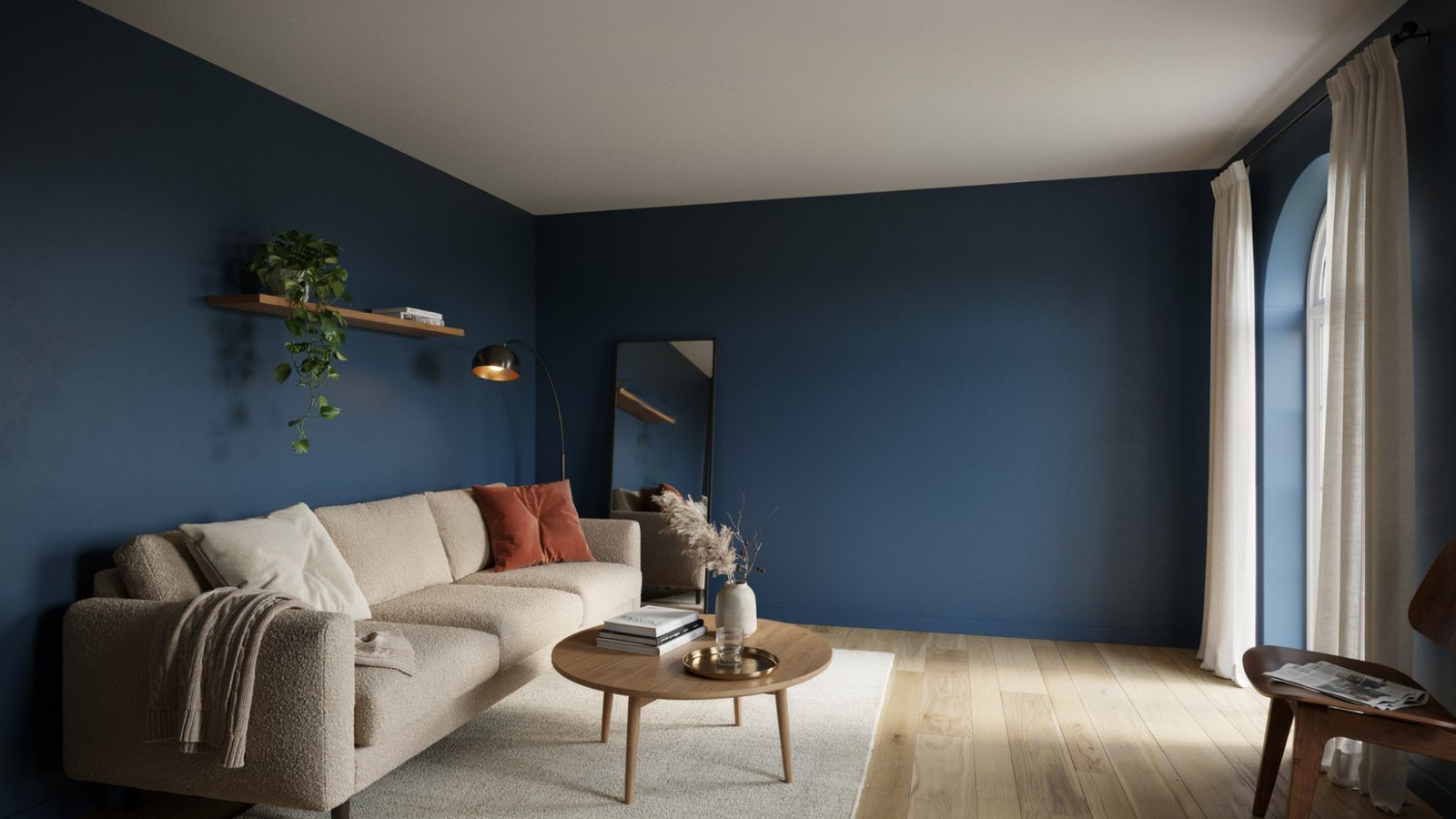
Most people play it safe with light colors in small rooms. I did the same thing for years.
But dark paint gets an unfair reputation. It does not automatically make a room feel smaller. Sometimes it does the opposite.
Having worked with many different spaces, I can say that lighting and layout matter far more than wall color.
In this blog, I will cover why the myth exists, what dark paint actually does to a room, and simple tips to use it the right way.
By the end, you will feel confident enough to finally try that dark color you have been putting off.
Does Dark Paint Make a Room Look Smaller?
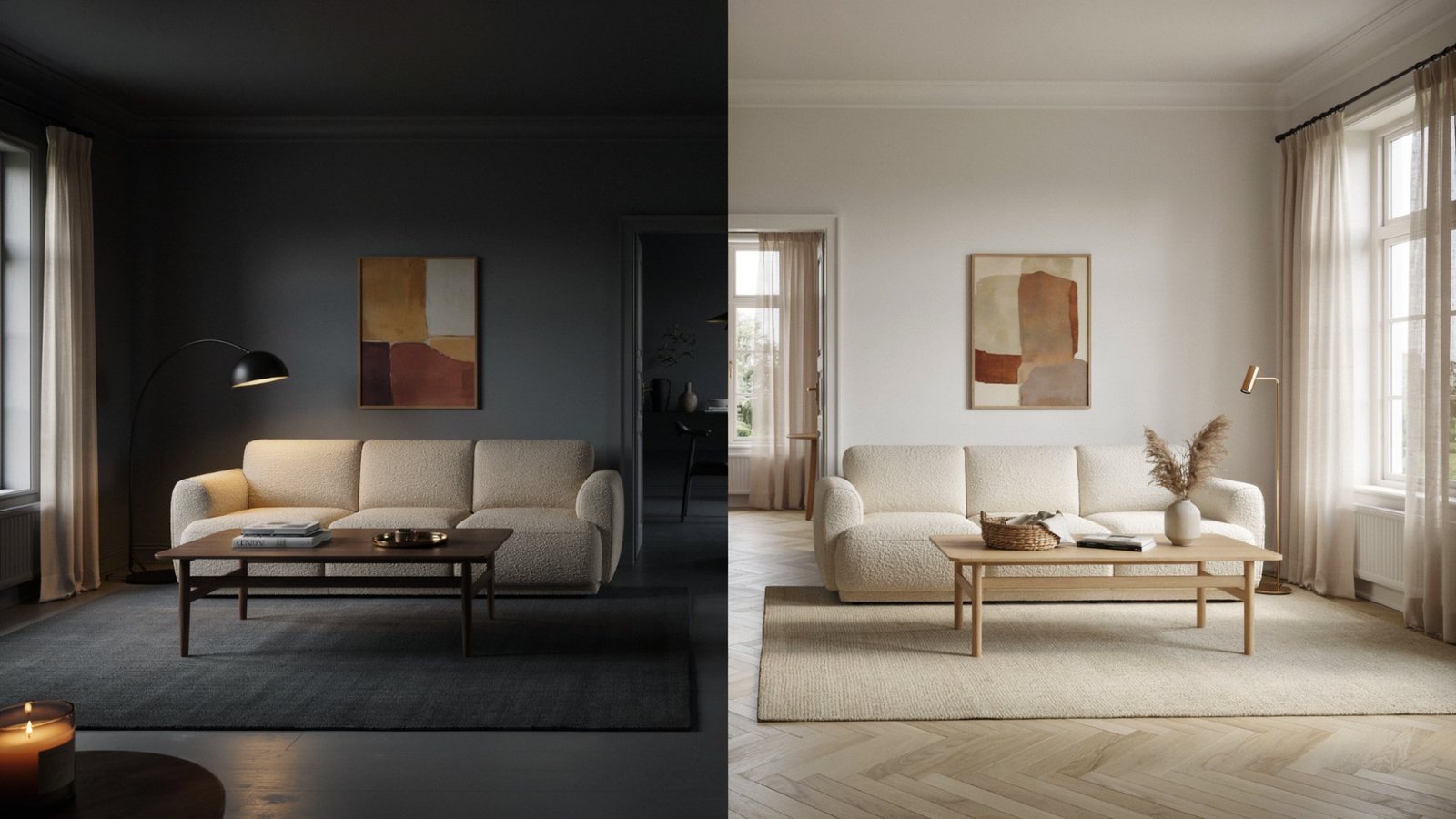
Dark paint does not automatically make a room look smaller. It all depends on lighting, ceiling height, and how the color is balanced with everything else in the space.
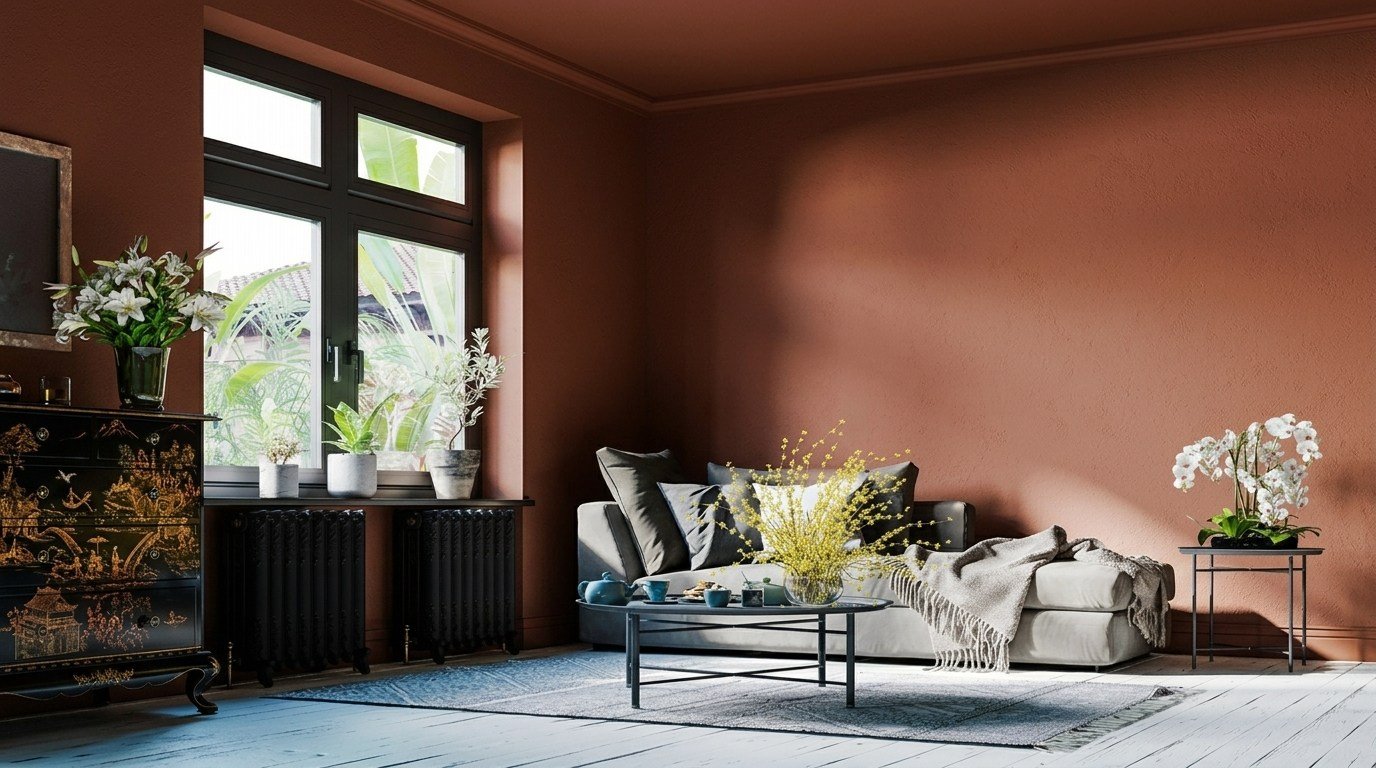
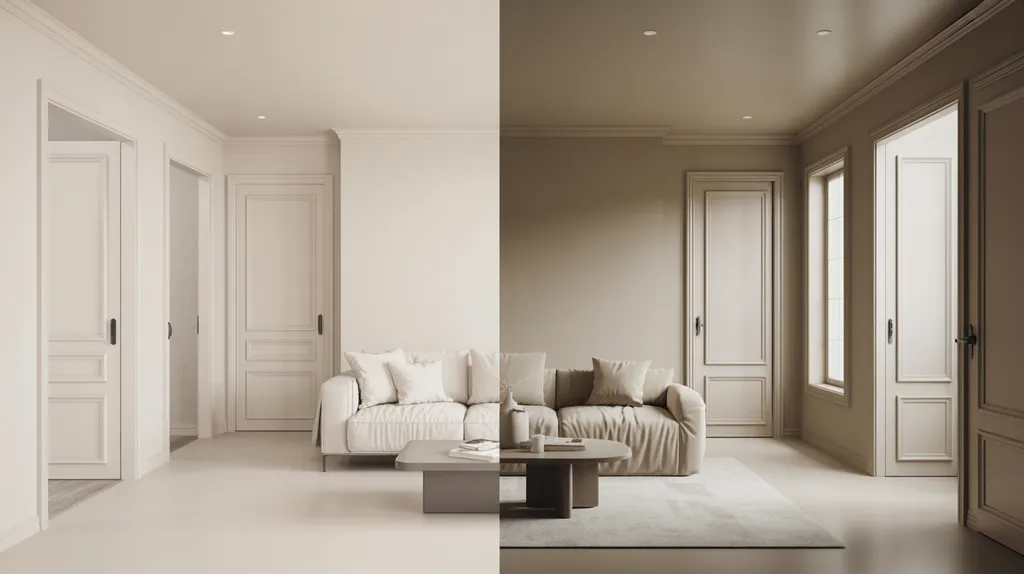
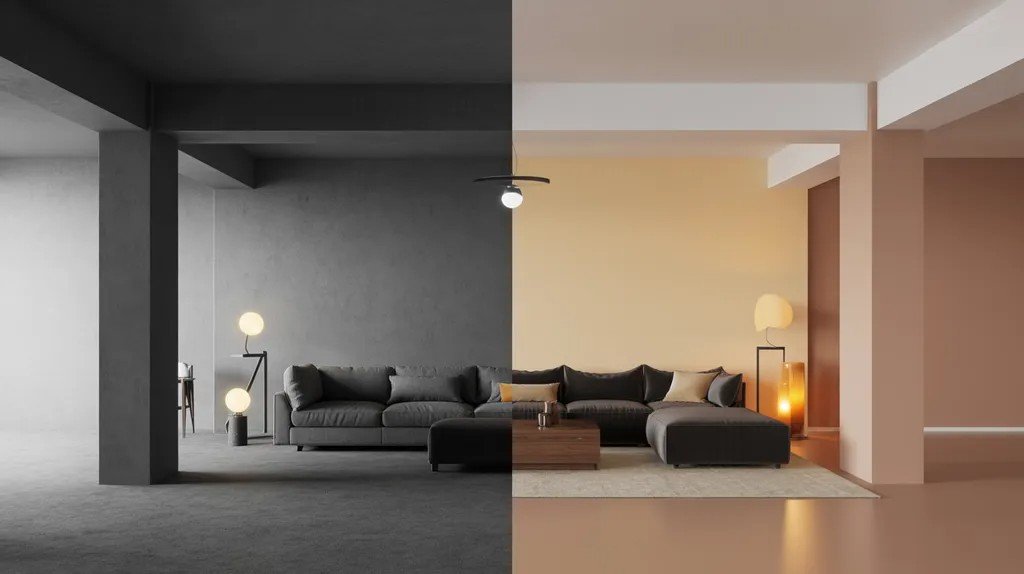
Light colors reflect more light and make walls feel farther away. Dark colors absorb light and pull surfaces closer. In a small room with low ceilings and little natural light, dark paint can feel heavy. But in a well-lit room with good proportions, it adds warmth and depth.
Large rooms, bedrooms, and dining spaces actually do well with darker tones. The problems start in rooms with no windows, very low ceilings, or already heavy furniture.
To make dark paint work, keep the ceiling lighter than the walls, layer your lighting, and balance dark walls with lighter floors and furniture.
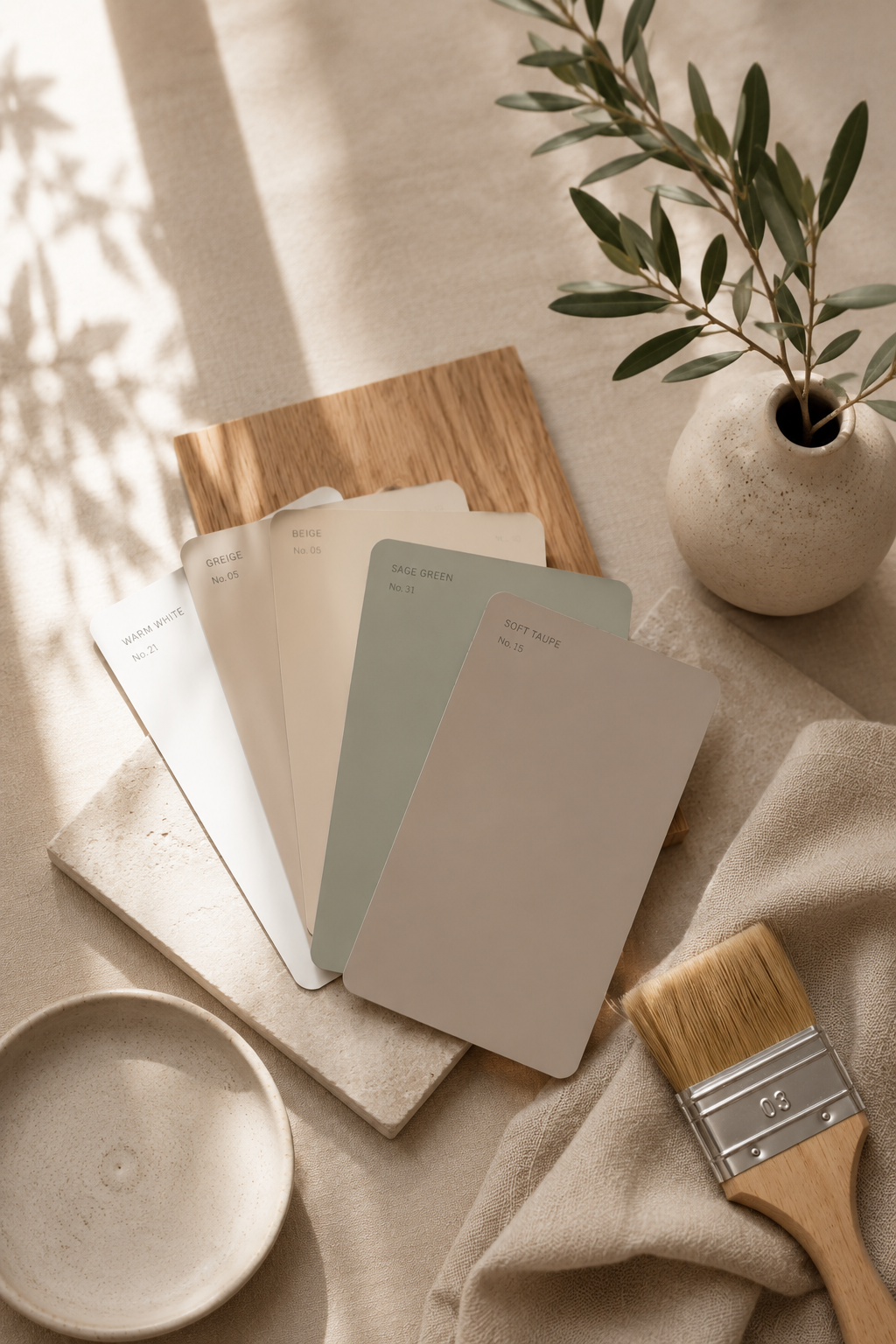
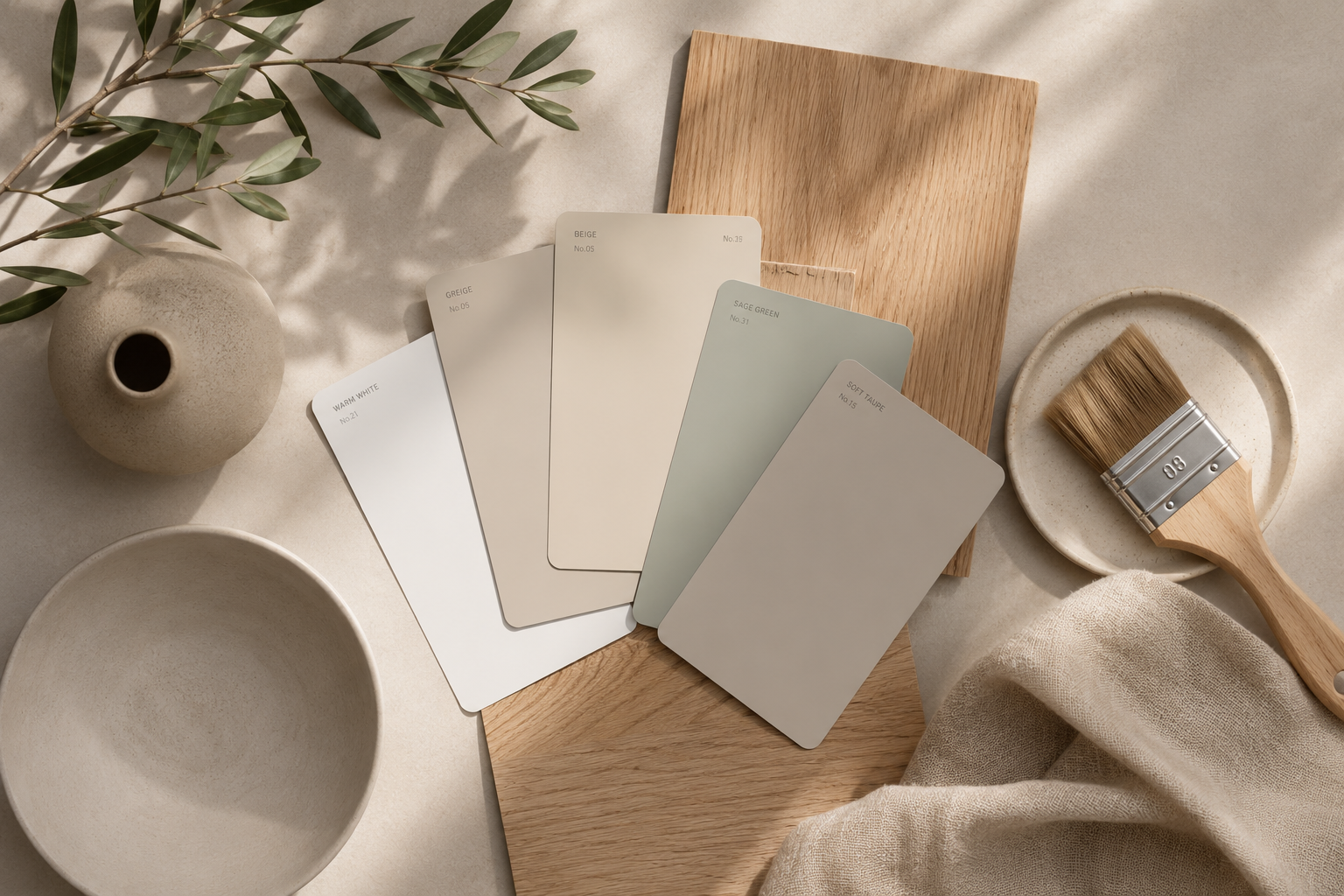
Deep navy, forest green, and dusty terracotta are more forgiving than very dark charcoal or black. Always test a swatch on the wall in both natural and artificial light before committing.
Why People Think Dark Paint Makes Rooms Look Smaller
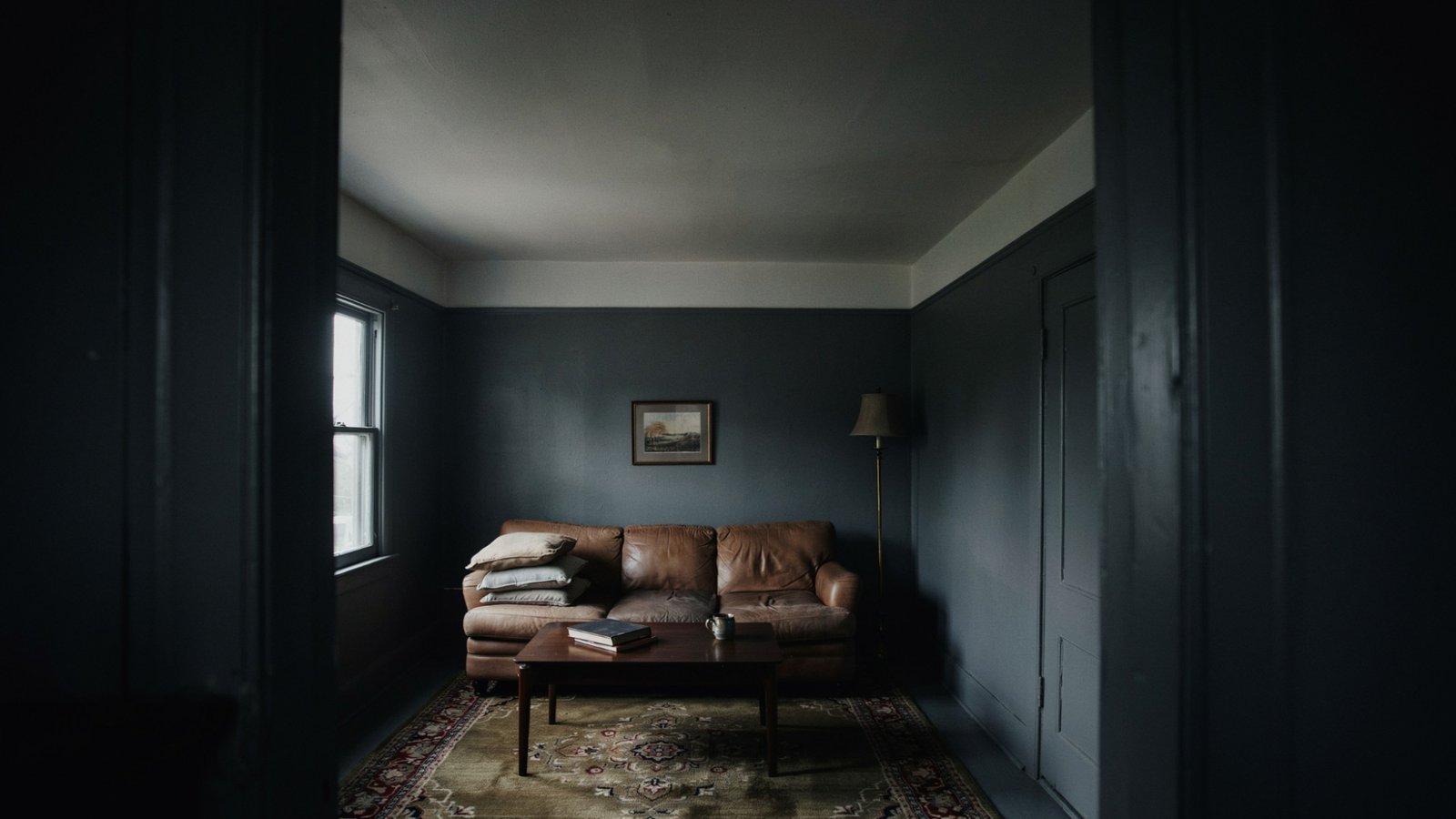
Many people avoid dark paint in small rooms because of a long-standing belief that it closes a space in. Here is where that idea actually comes from.
The Role of Light Absorption
Dark colors absorb more light than lighter ones. When a room absorbs light instead of reflecting it, it can feel less bright and open.
This is a real effect, but it does not automatically mean the room will feel smaller. Brightness and perceived size are two different things.
How the Myth Became Popular
For a long time, interior design advice leaned heavily toward light colors for small spaces. Magazines and home guides repeated the same advice so often that it became accepted as fact.
Over time, people stopped questioning it. The idea stuck even as designers began proving otherwise in real rooms.
Why Dark Paint Can Actually Make a Room Feel Larger
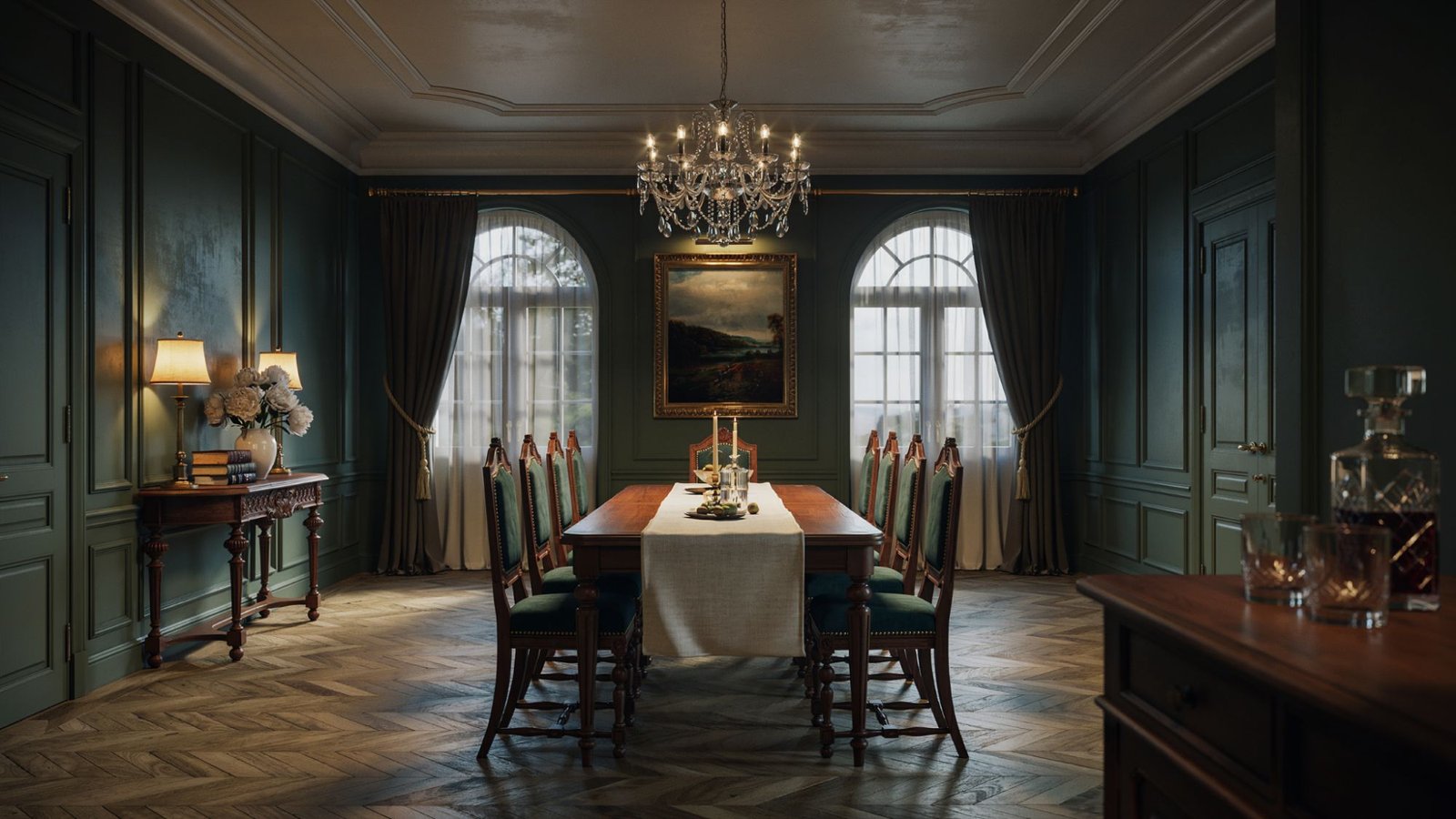
This might surprise you, but dark paint can sometimes make a room feel bigger rather than smaller. Here is how that works.
Dark Colors Visually Recede
When walls are painted in a deep, dark tone, they visually pull back from the eye. This creates the impression that the walls are further away than they actually are.
The result is a sense of depth that lighter colors cannot always produce.
Creating Depth and Dimension
A room painted in a single dark color from wall to wall feels immersive. The boundaries of the room become less obvious. This wrapping effect can make a space feel more expansive rather than tight.
Many designers use this approach in small dining rooms, home offices, and bedrooms with great results.
9 Key Truths About Dark Paint and Room Size
There is a lot of confusion around this topic. These nine points lay out what is actually true.
1. Dark Paint Does Not Automatically Shrink a Room
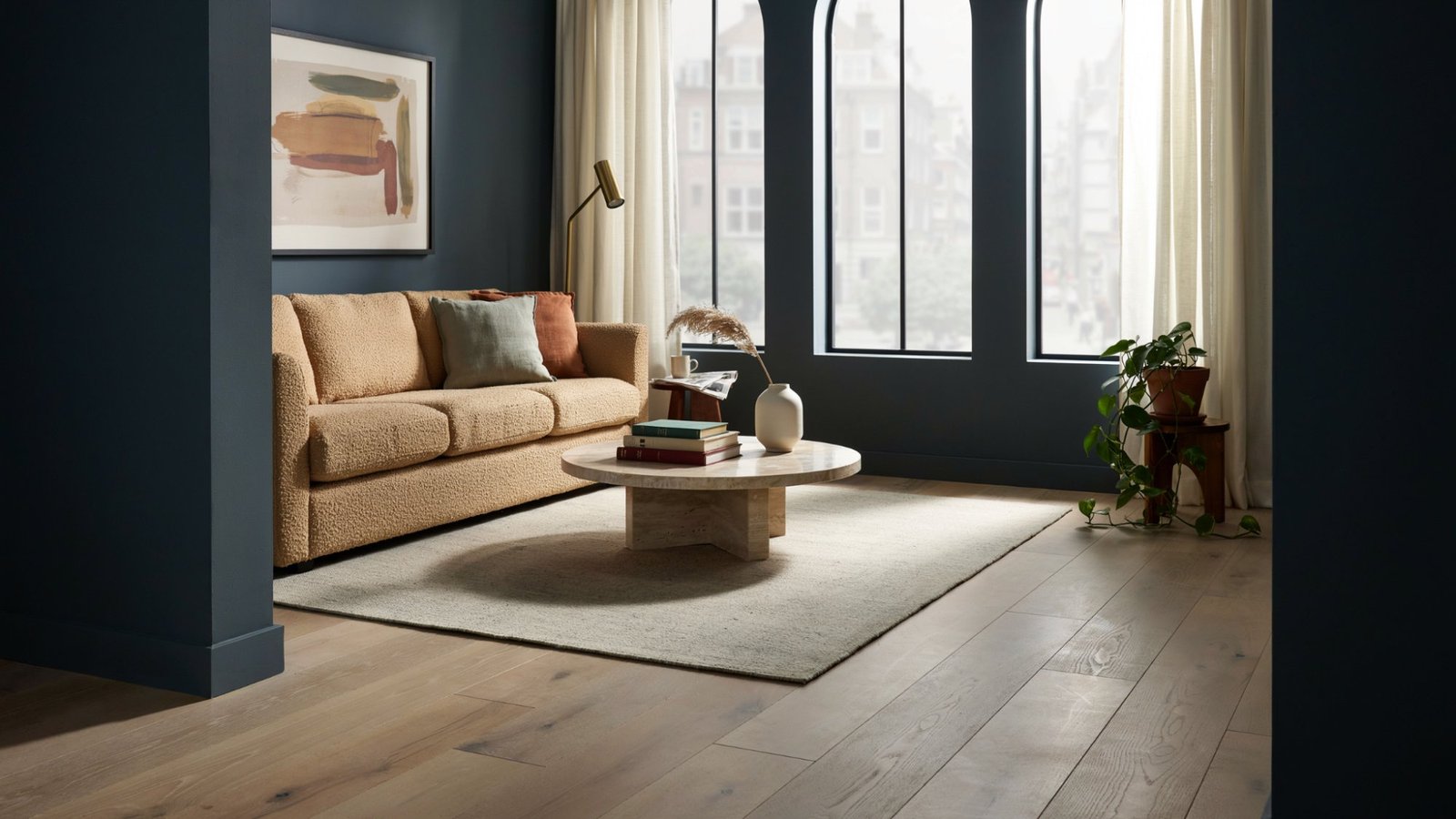
The size a room feels depends on many factors working together. Paint color is just one of them.
A dark room with good lighting and smart furniture placement can feel just as open as a light one.
2. Lighting Matters More Than Wall Color
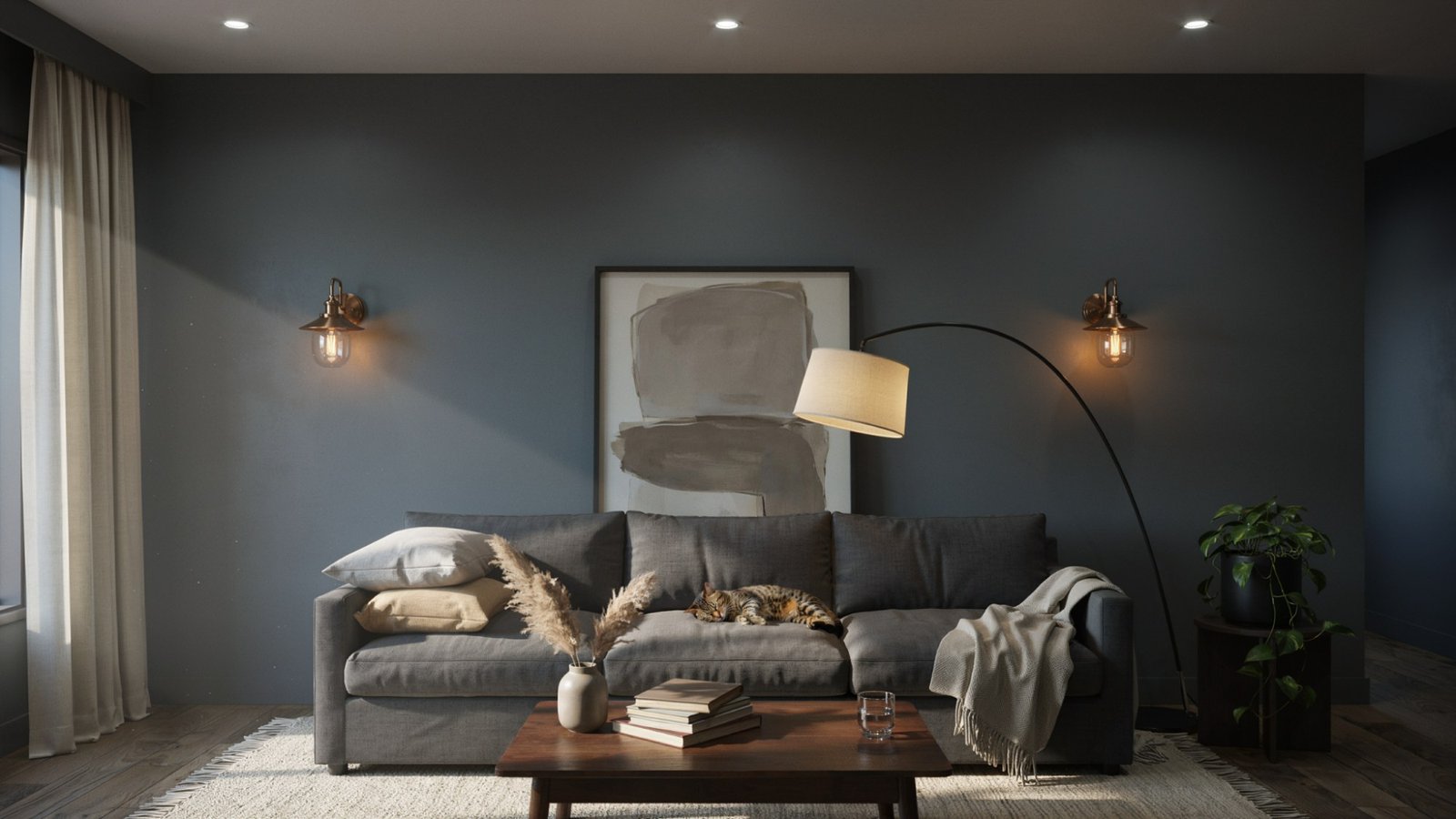
A well-lit room in a deep charcoal will feel more open than a poorly lit room in bright white.
Natural light, layered artificial lighting, and the placement of light sources all have a stronger impact on how a room feels than the paint color alone.
3. Dark Colors Can Create Depth
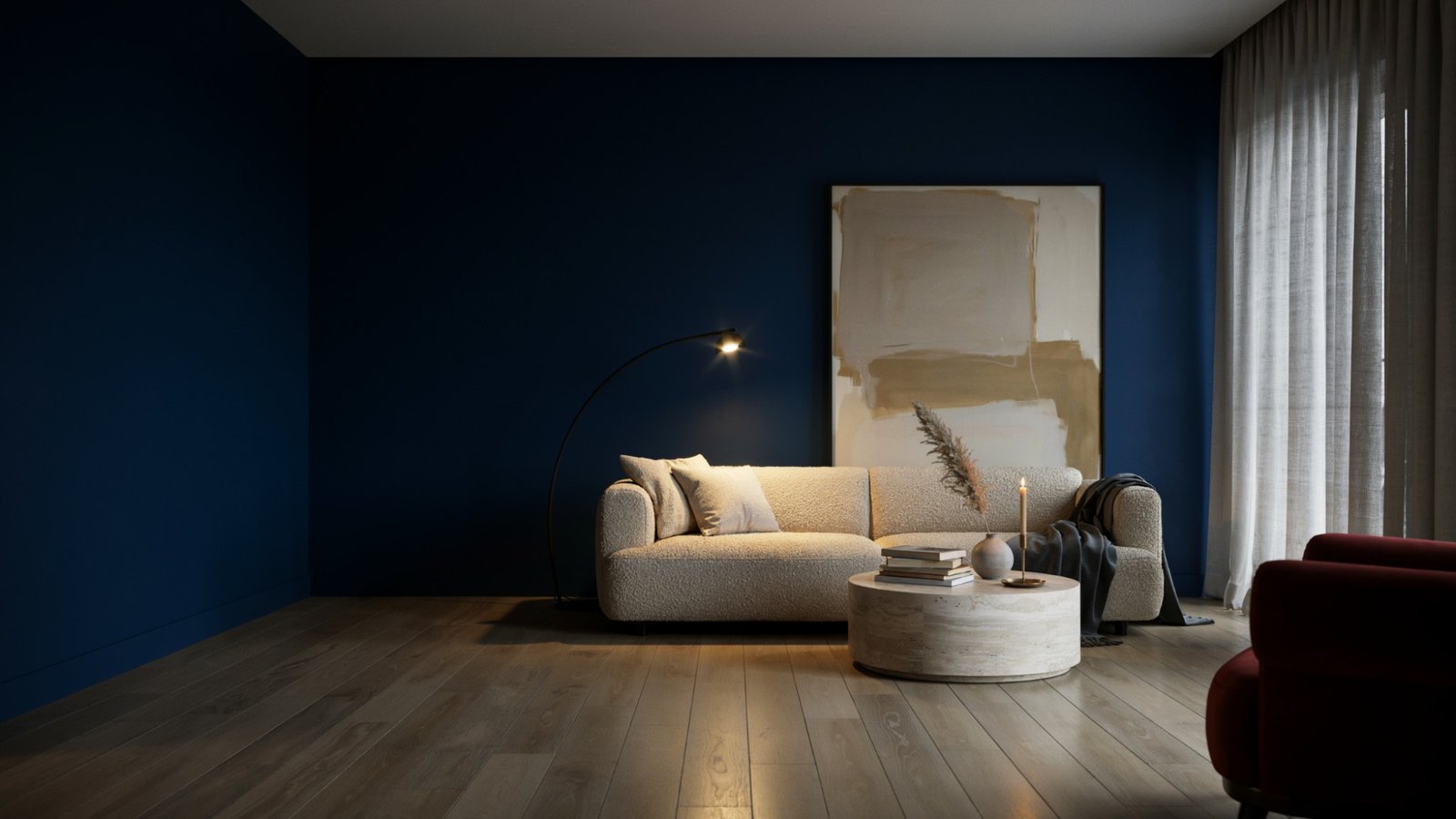
Deep tones add a sense of dimension to flat walls. They give the room a layered, immersive quality that makes the space feel more intentional and designed.
This depth is something light colors rarely produce on their own.
4. Ceiling Color Affects Perception
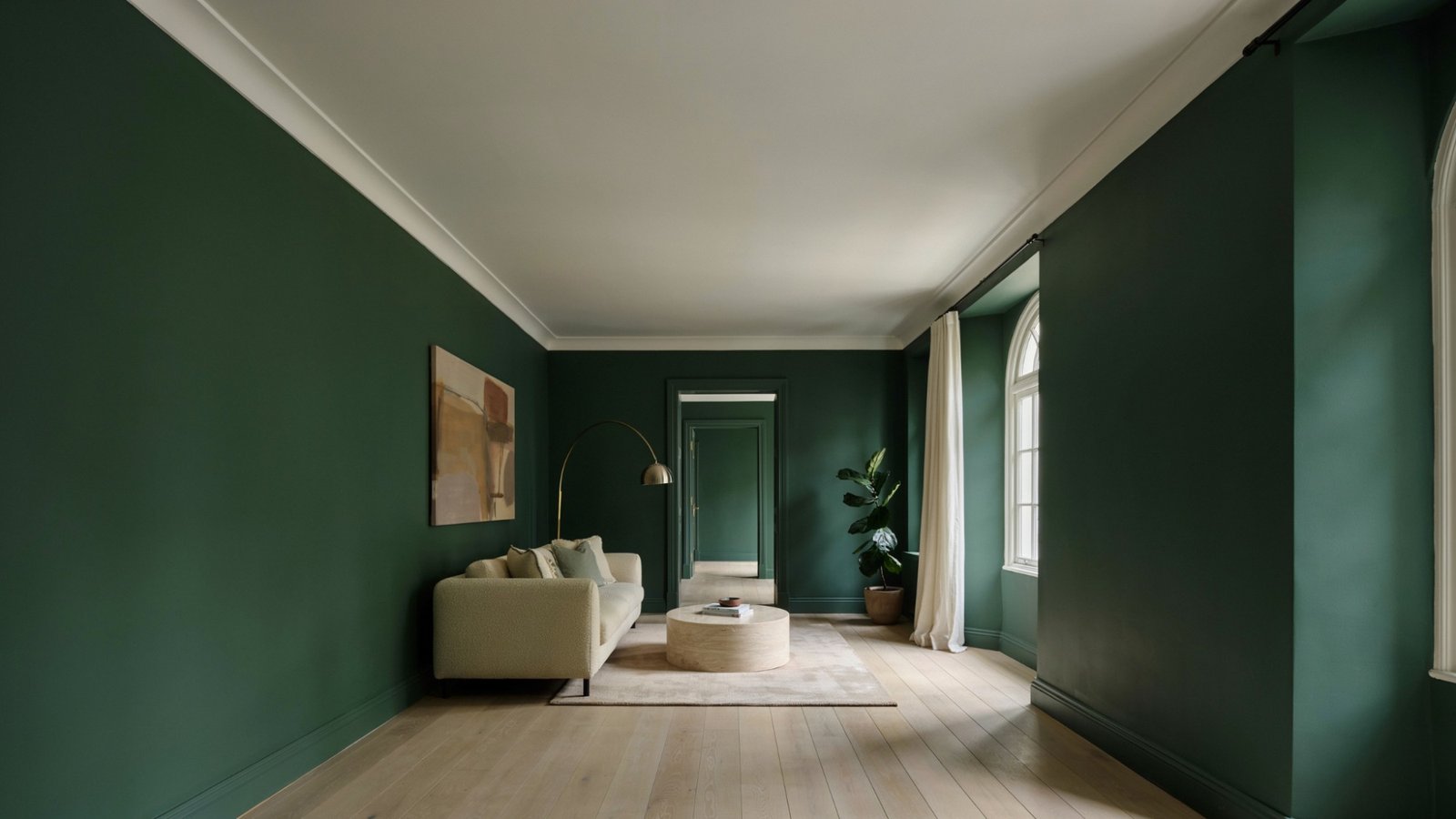
A dark ceiling can feel heavy and low if it is painted the same deep tone as the walls without any contrast.
Keeping the ceiling a shade or two lighter than the walls helps maintain a sense of height. A white or off-white ceiling against dark walls almost always works well.
5. Trim Contrast Changes Room Proportions
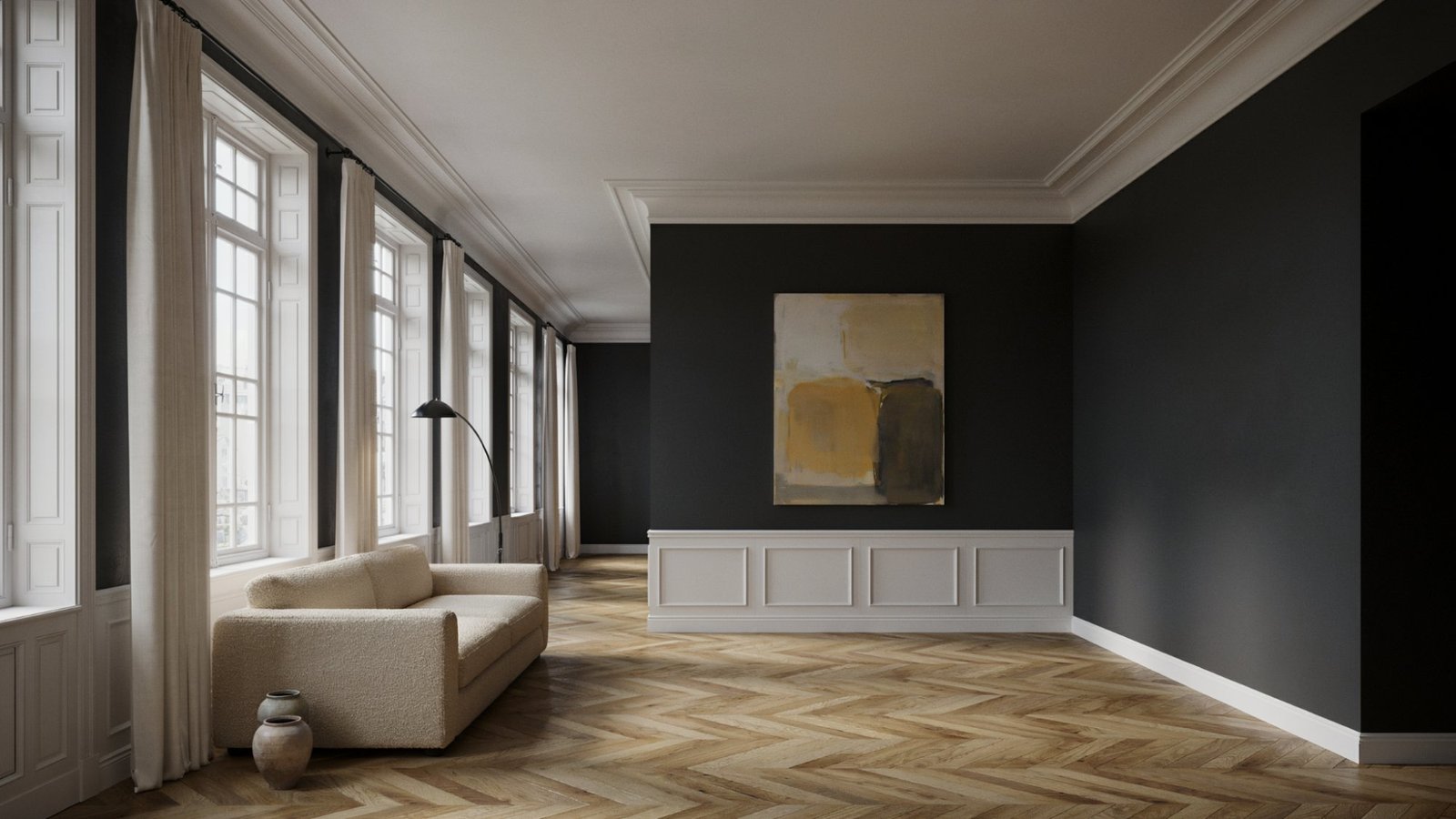
Light-colored trim against dark walls draws the eye to the edges and architecture of the room. This contrast makes the room feel more structured and defined.
It also adds visual interest that keeps the space from feeling flat or heavy.
6. Visual Clutter Impacts Spaciousness
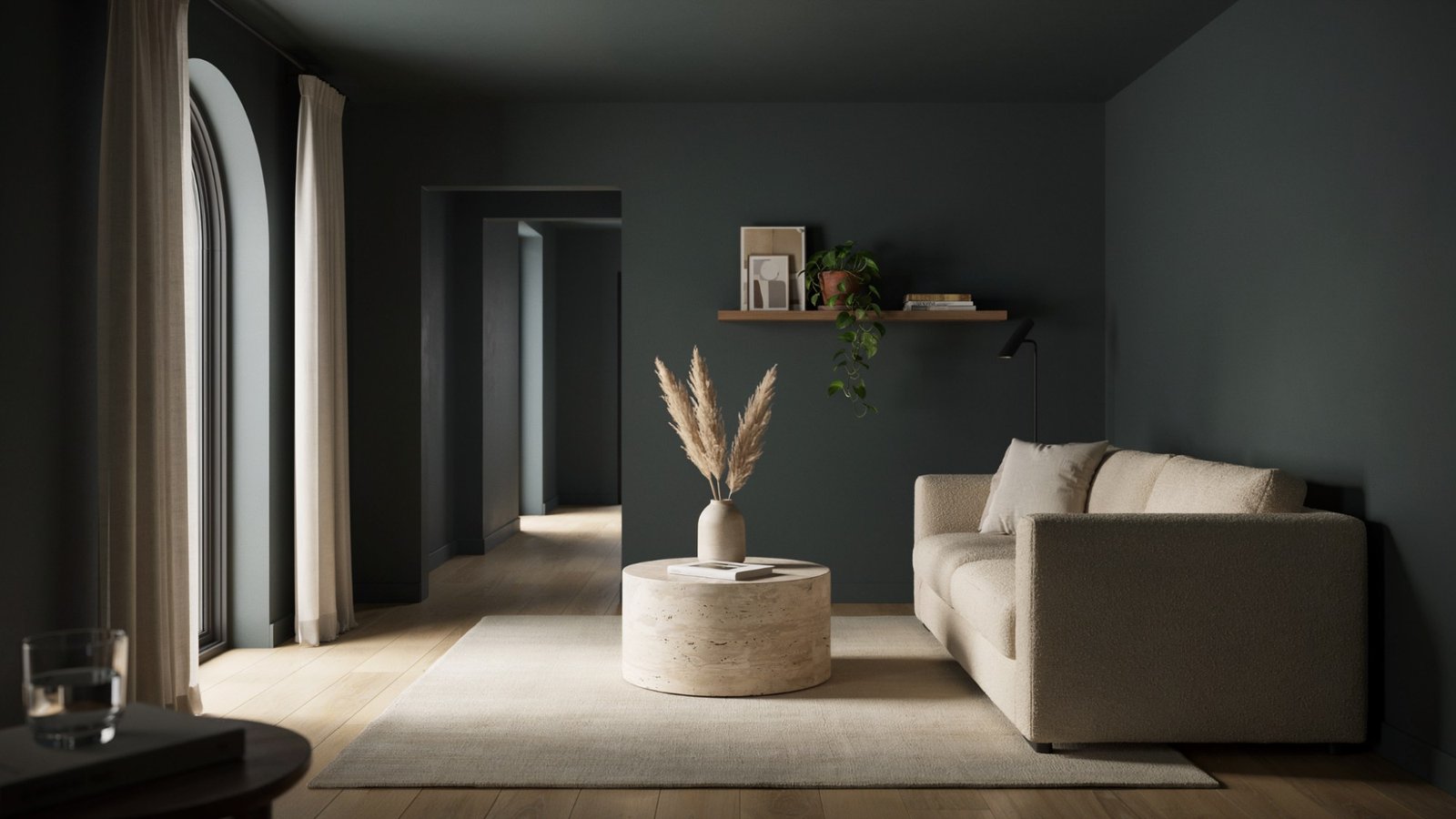
Too many objects, patterns, and colors in a room will make it feel cramped regardless of the wall color.
A dark room with minimal, well-chosen furniture and decor will feel more open than a light room filled with clutter.
7. Room Layout Plays a Major Role
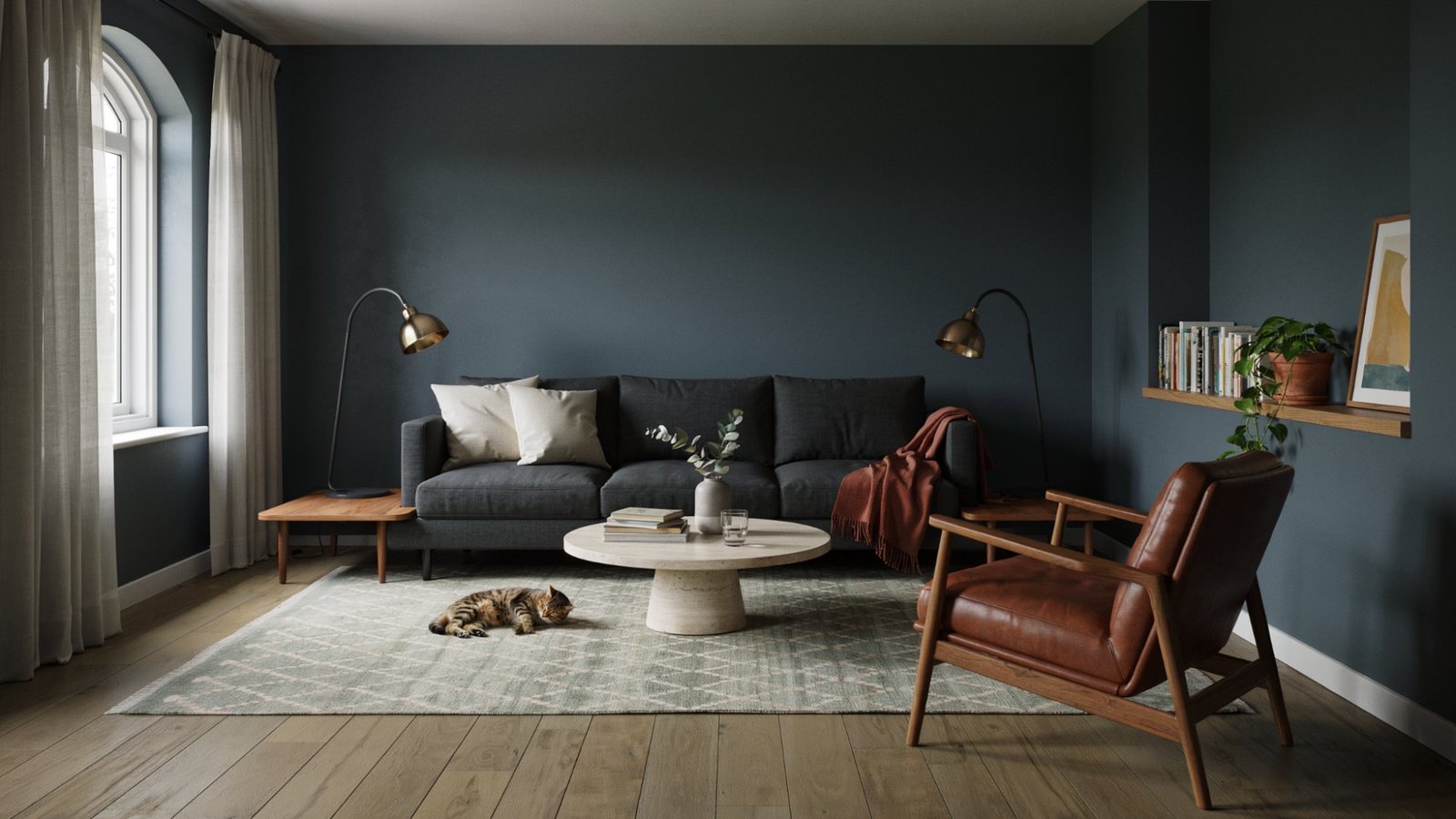
How furniture is arranged has a bigger impact on how a room feels than most people realize.
Keeping pathways clear, using appropriately sized furniture, and leaving breathing room between pieces all contribute to how open a space feels.
8. Reflective Surfaces Help Open Up a Space
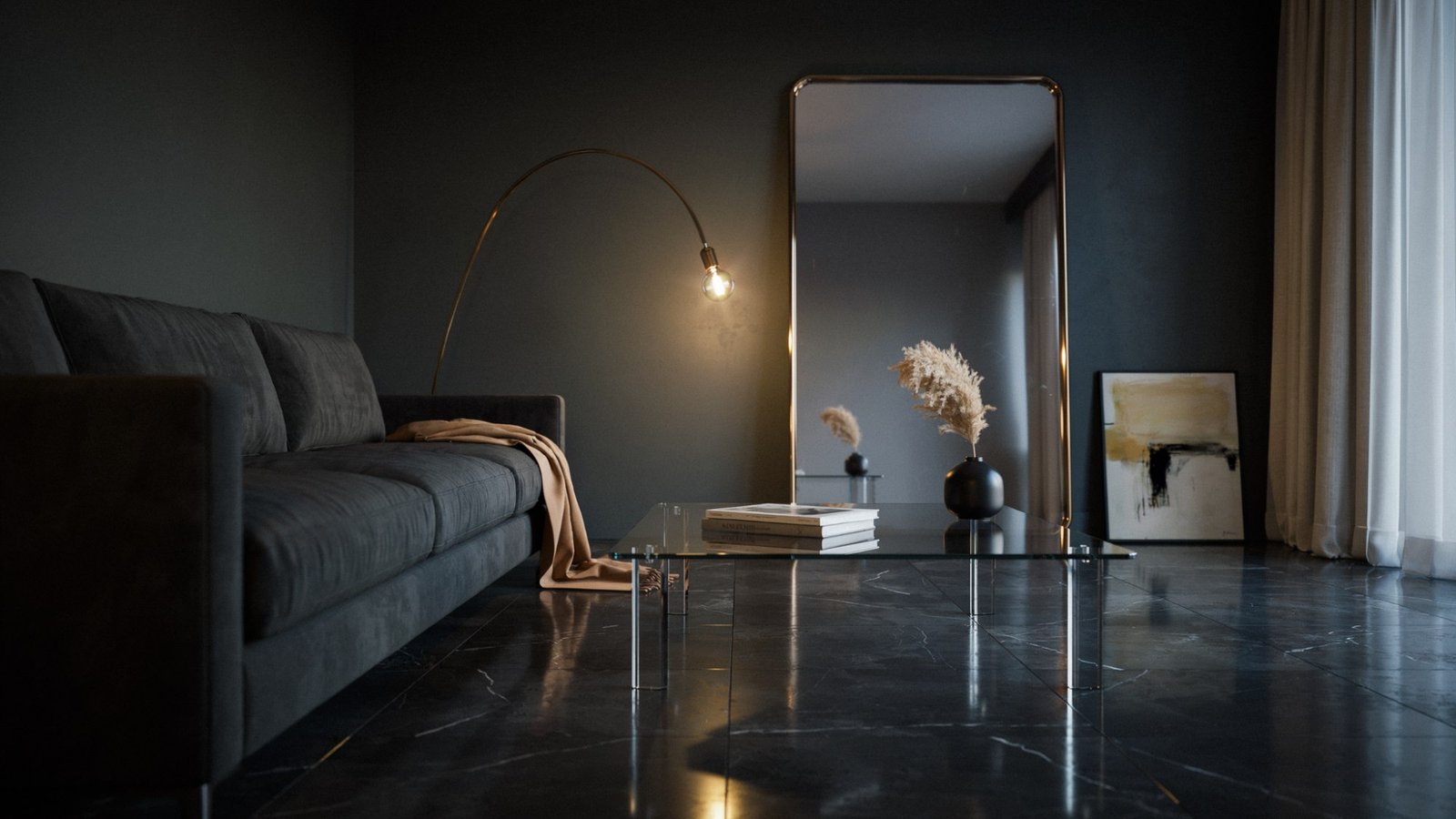
Mirrors, glass, metallic finishes, and glossy surfaces all reflect light back into the room. In a dark room, these elements become even more valuable.
A large mirror on one wall can significantly change how open and airy the space feels.
9. Design Choices Matter More Than Paint Alone
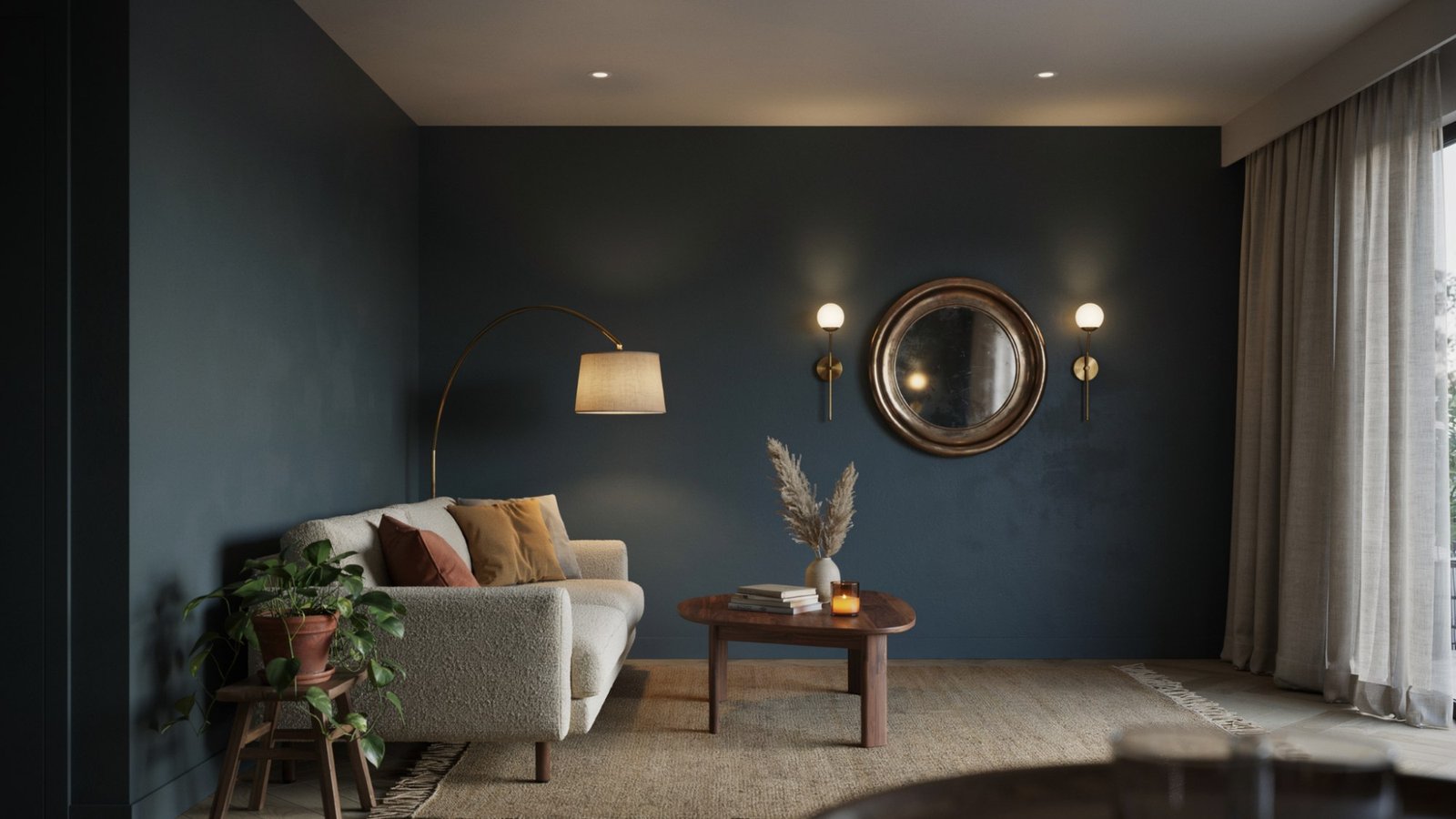
No single design decision makes or breaks a room. Paint color works together with lighting, furniture, layout, and accessories.
Getting those other elements right means dark paint can work in almost any space.
Common Myths About Dark Paint and Small Rooms
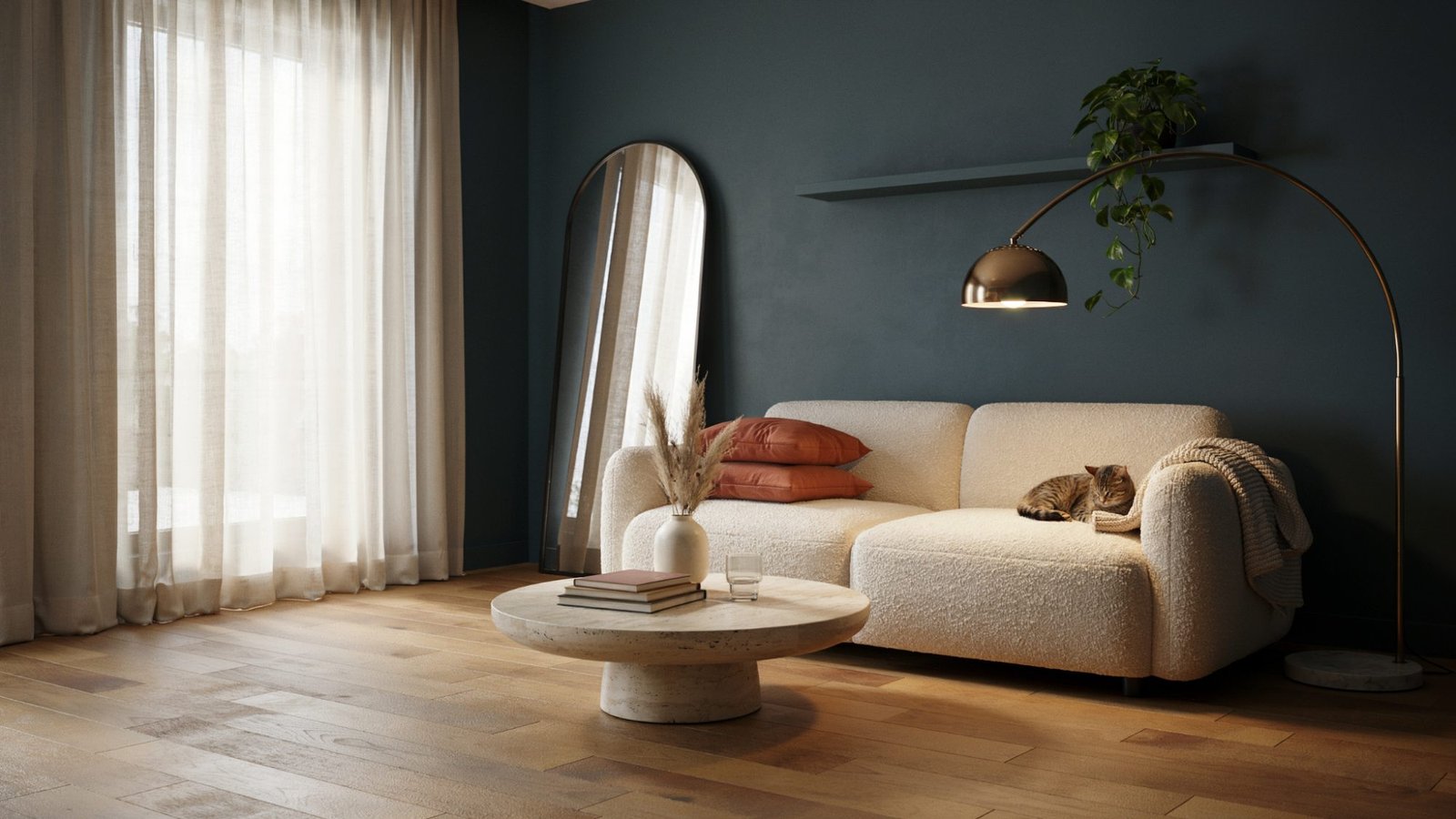
A lot of the fear around dark paint comes from ideas that have been repeated without much examination. Here are three of the most common ones.
Myth: Dark Paint Always Makes Rooms Look Smaller
This is the biggest myth of all. Dark paint can actually make walls appear to recede, which creates the feeling of more space rather than less.
The outcome depends on how the rest of the room is designed.
Myth: White Paint Always Makes Rooms Look Bigger
White can feel bright and open, but it is not a guaranteed fix for a small room. A white room that is poorly lit, cluttered, or awkwardly furnished can still feel tight and uncomfortable.
White is not a magic solution.
Myth: Small Rooms Should Only Use Light Colors
This rule gets repeated constantly, but it is not supported by how rooms actually function in real life.
Small rooms with dark paint, good lighting, and thoughtful design choices often feel more intentional and comfortable than small rooms painted white with little attention paid to the rest of the space.
Tips for Using Dark Paint Without Making a Room Feel Smaller
Dark paint works best when the rest of the room supports it. These tips make a real difference.
- Layer your lighting. Use floor lamps, table lamps, and wall sconces together instead of relying on one overhead light.
- Keep the ceiling lighter than the walls. A white or off-white ceiling maintains a sense of height and stops the room from feeling closed in.
- Keep decor minimal. A few well-chosen pieces work better than a crowded space. Less clutter lets the paint color breathe.
- Add at least one large mirror. It reflects light back into the room and makes the space feel more open right away.
- Bring in metallic accents, glass, or glossy finishes. These surfaces bounce light around the room and keep dark walls from feeling heavy.
Conclusion
Honestly, I used to avoid dark paint in small rooms too. Then I tried a deep navy in a tiny home office and it completely changed how the space felt. It felt cozy, focused, and way more intentional.
Dark paint is not something to fear. With the right lighting, a lighter ceiling, and a few mirrors, it can work beautifully in almost any room.
Give it a try and see what happens.
Have you used dark paint in a small space? Share your experience in the comments below. I would love to hear how it turned out!
Frequently Asked Questions
Does dark paint really make a room look smaller?
Not always. When paired with good lighting, mirrors, and minimal decor, dark paint can actually make a room feel more open and spacious.
What is the best lighting for a room with dark walls?
Layered lighting works best. A mix of ceiling lights, floor lamps, and table lamps keeps the room feeling warm and well-lit without relying on a single overhead source.
Should I paint the ceiling dark too?
It is better to keep the ceiling lighter than the walls. A white or off-white ceiling maintains a sense of height and stops the room from feeling too closed in.
What colors work well with dark walls?
Light-colored trim, white ceilings, and neutral furnishings all work well with dark walls. These lighter elements create contrast and keep the space feeling balanced rather than heavy.
Can I use dark paint in a room with little natural light?
Yes, you can. Focus on layering artificial lighting and adding mirrors or reflective surfaces. These steps help compensate for the lack of natural light and keep the room feeling open.