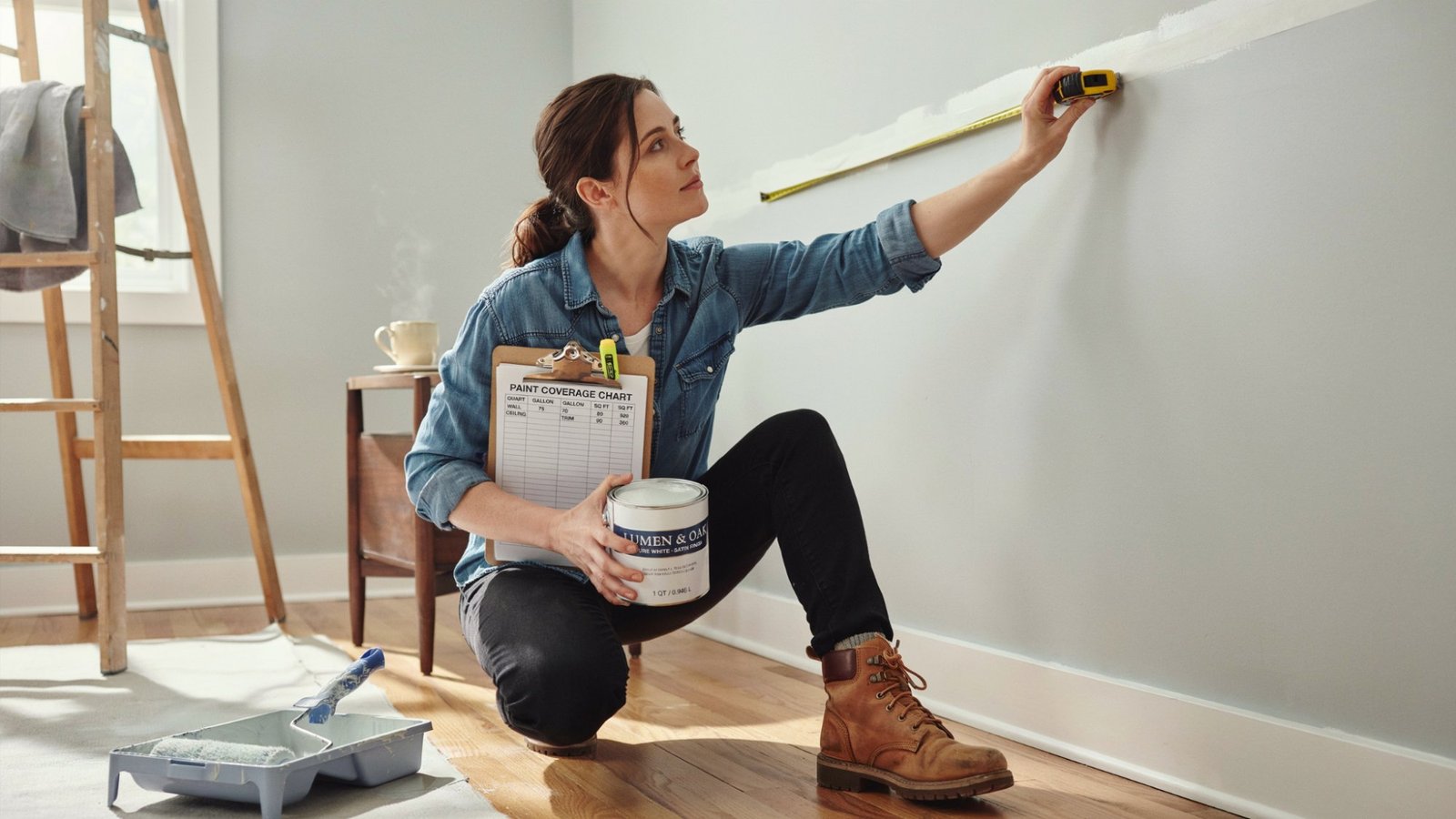
Buying paint can feel confusing. You don't want too little. You don't want to waste money on too much.
A quart of paint covers around 100 square feet. But that number changes based on your surface, your method, and how many coats you apply.
I've helped plenty of people plan painting projects, and the biggest mistake is always guessing instead of calculating.
In this guide, you'll learn what affects paint coverage, how to calculate exactly how much you need, how far a quart goes on common projects, and simple tips to stretch every drop.
Let's get it right the first time.
How Many Square Feet Does a Quart of Paint Cover?
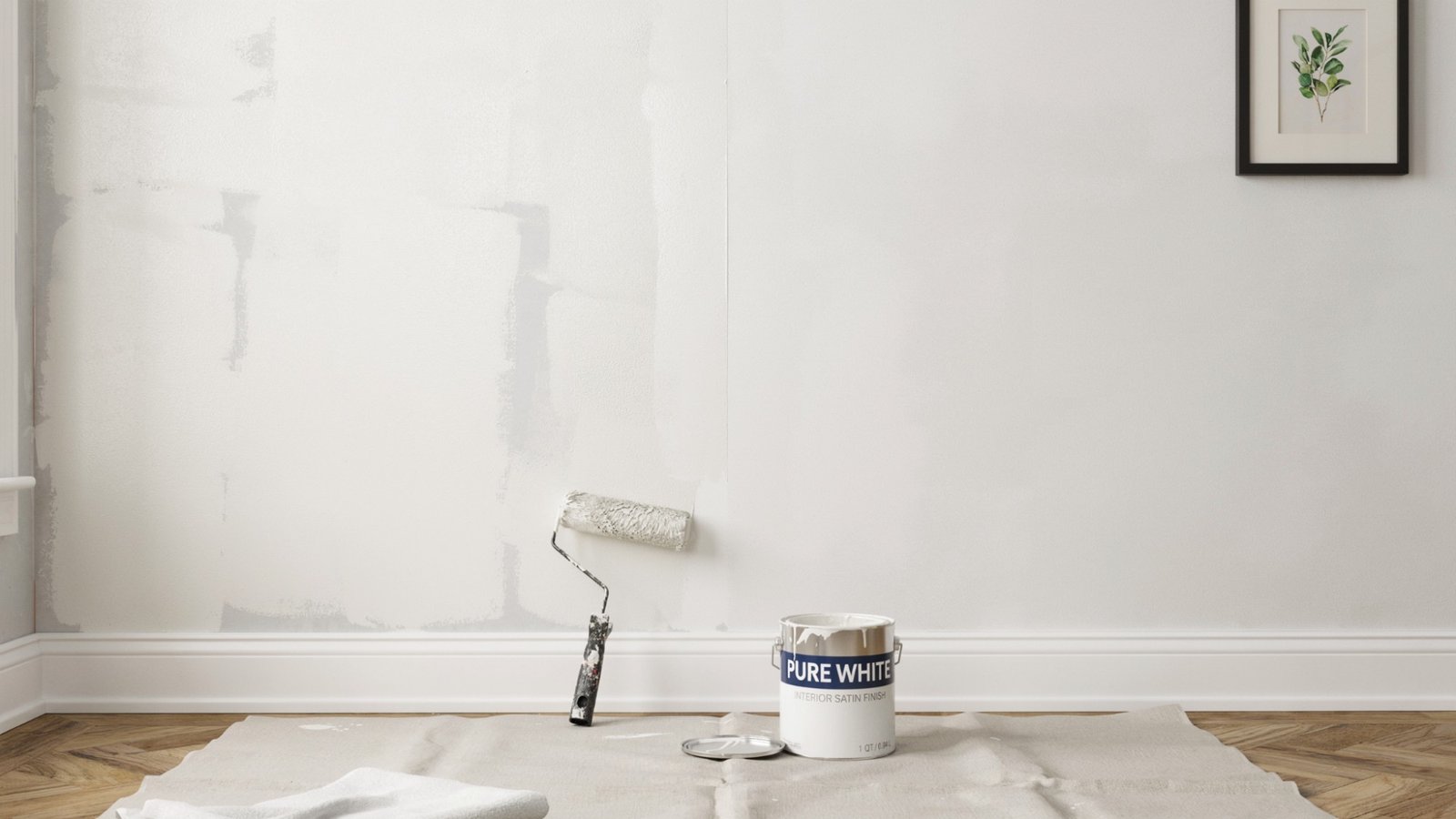
A quart of paint typically covers around 100 square feet with one coat on a smooth, primed surface.
Most paint brands follow this standard. One quart is enough for a small accent wall, a touch-up project, or testing a color before buying a full gallon. For larger walls or full rooms, you will need a gallon, which covers around 400 square feet.
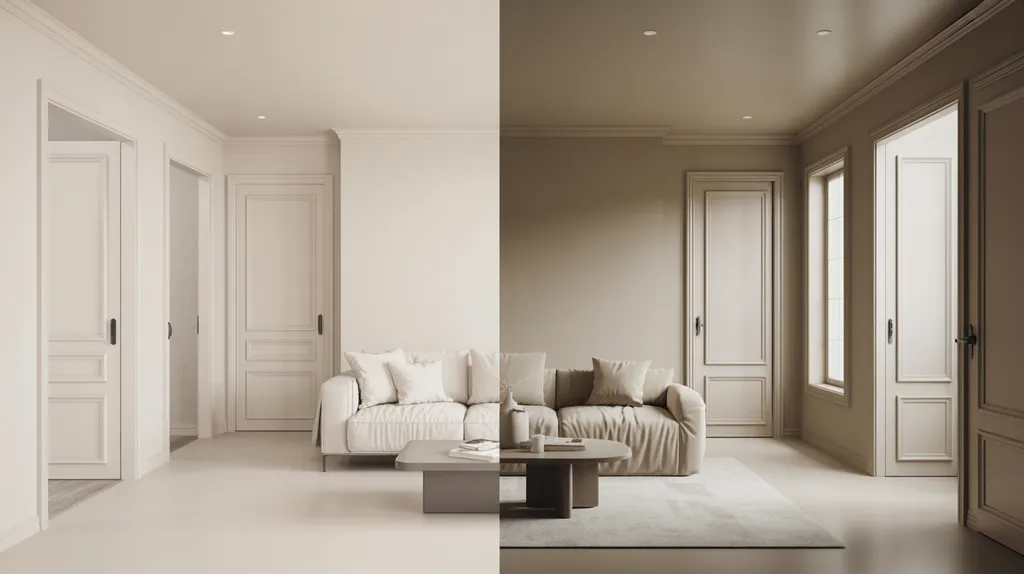
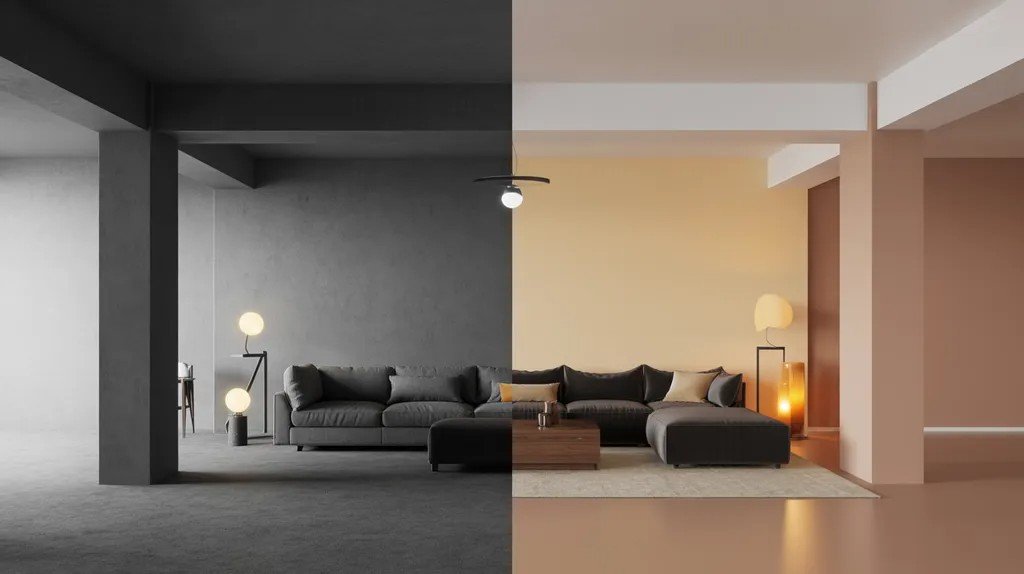
Keep in mind that surface texture and color changes affect coverage. Rough surfaces absorb more paint. Going from a dark to a light color will likely need two coats, which brings coverage down to around 50 square feet per quart.
Before buying, measure your wall and subtract space for windows and doors. Compare that number to the 100 square feet per coat rule. This simple step helps you buy the right amount without waste.
What Factors Affect Paint Coverage?
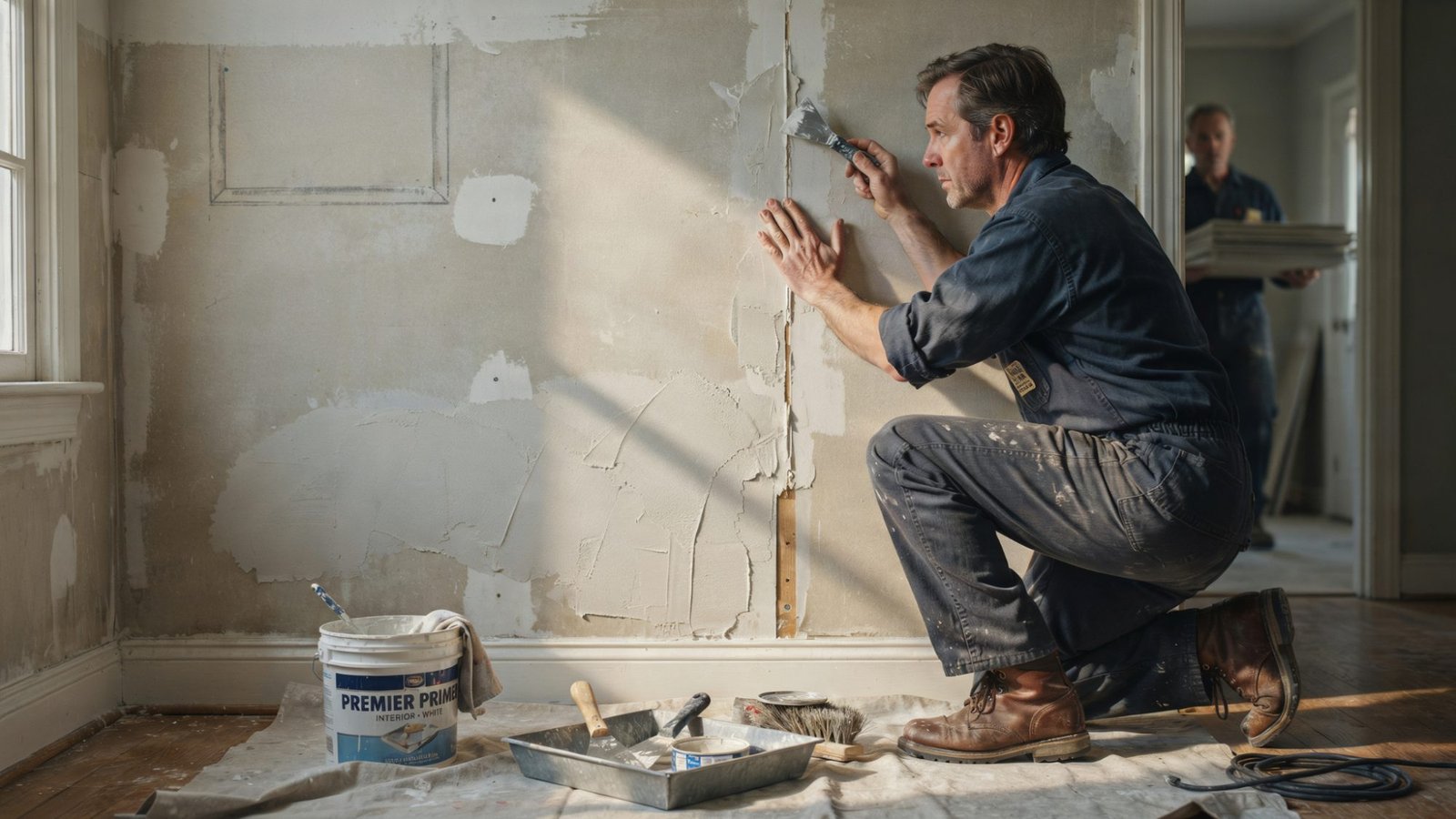
Paint coverage depends on several things working together. Knowing them helps you buy the right amount.
Surface Condition and Texture
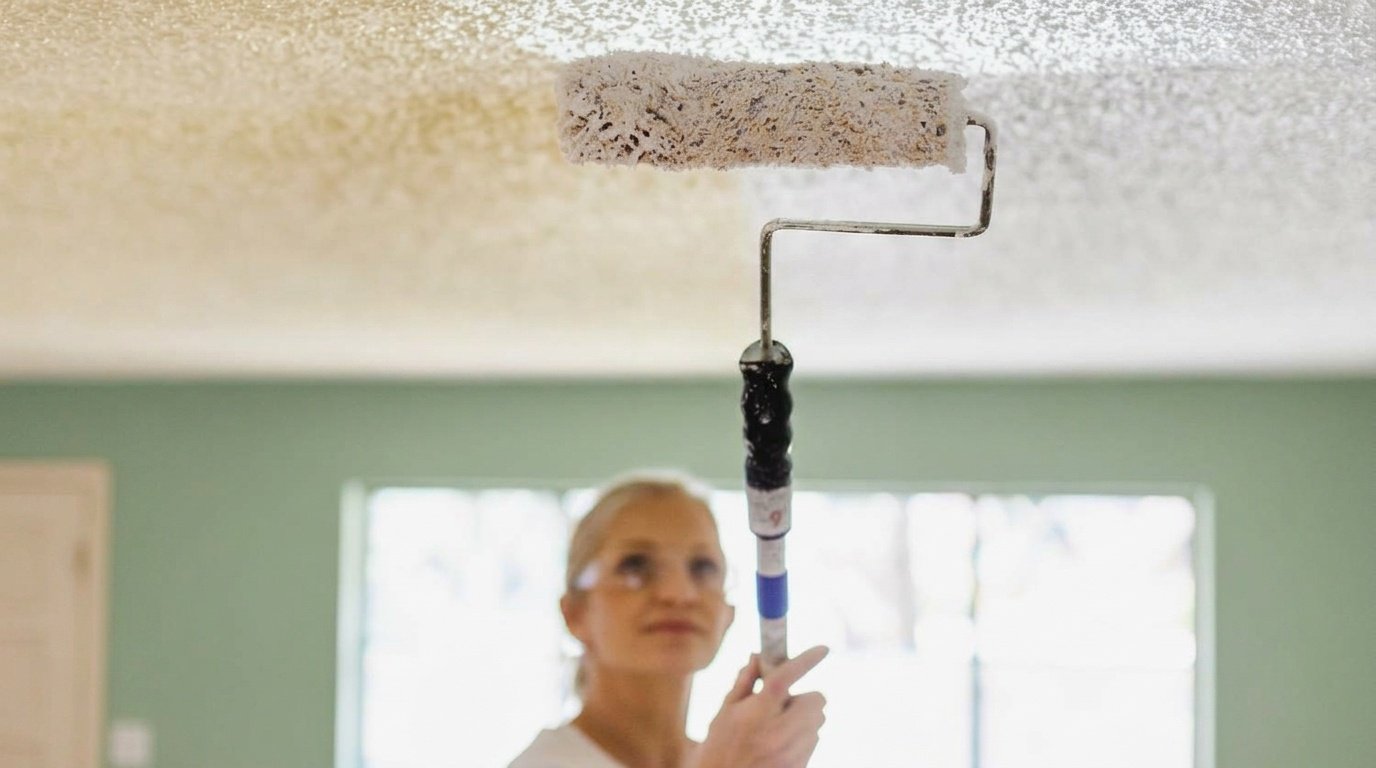
Rough or porous surfaces soak up more paint. A smooth, well-prepped wall needs less paint than a textured or bare one.
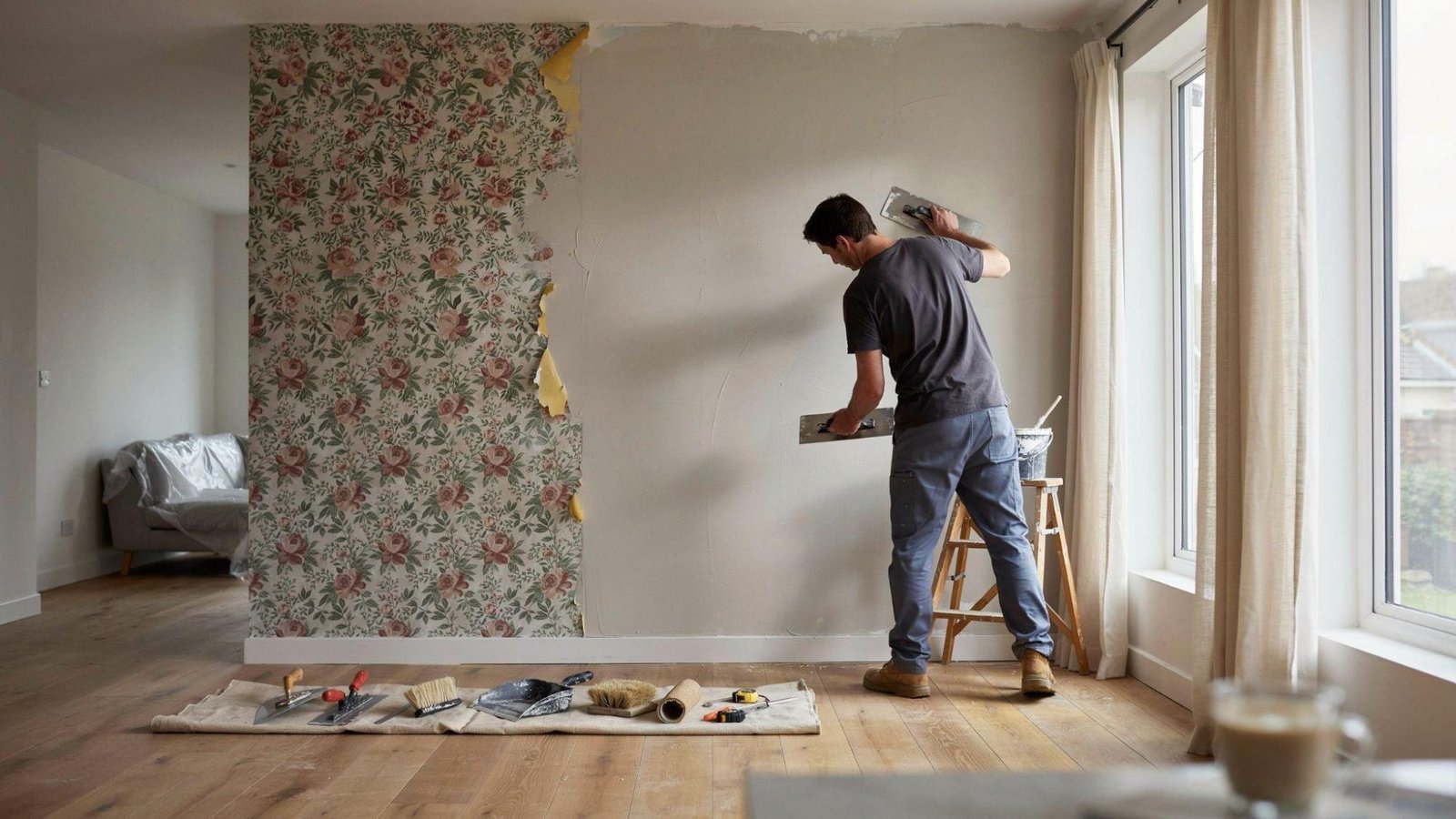
Old walls with cracks, peeling spots, or uneven areas will also use more product to get even results.
Paint Quality
Higher-quality paints have more pigment and solids packed in. This means they cover better in fewer coats.
Budget paints are thinner and often need an extra coat to look right.
Application Method
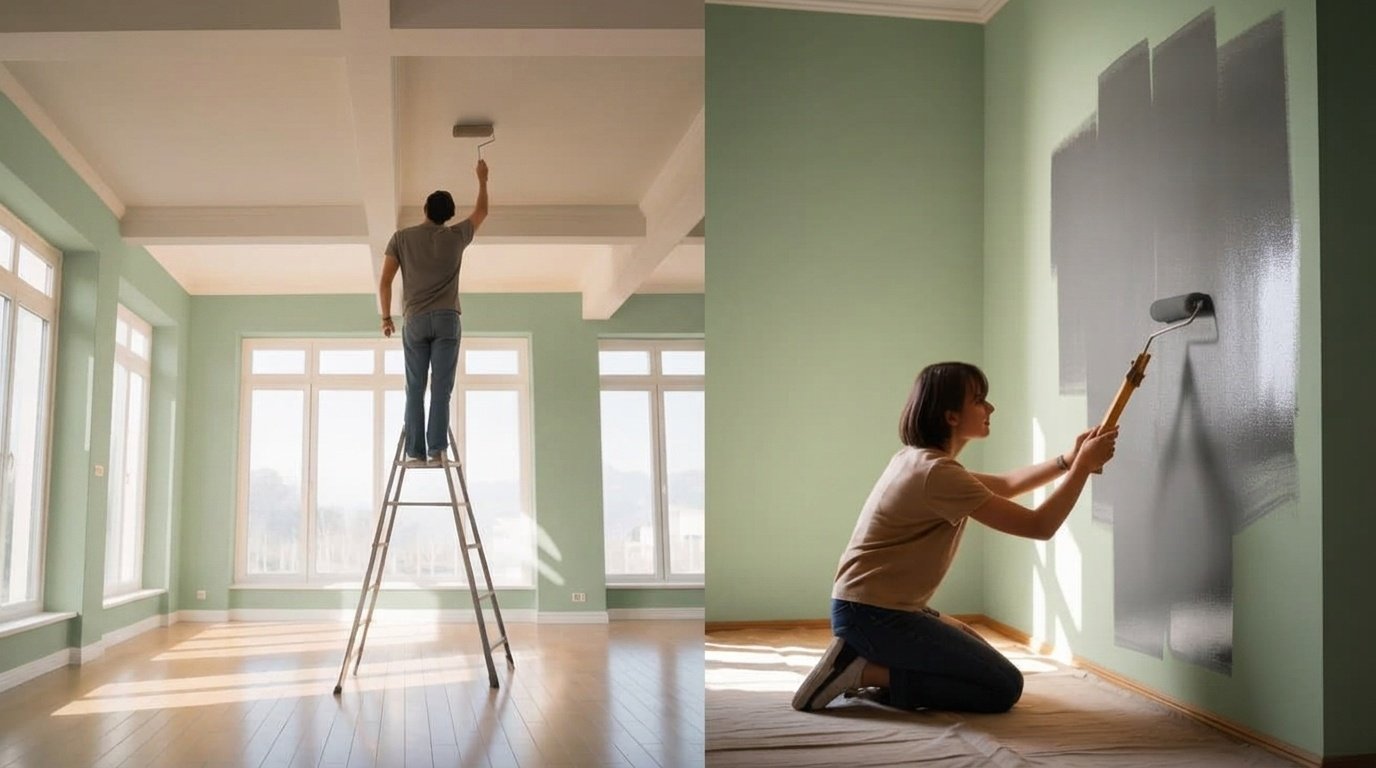
A roller covers faster and pushes more paint onto the surface. A brush uses less paint but takes more time.
Sprayers give great coverage but waste more product if not used carefully.
Primer and Color Changes
Going from a dark color to a light one takes more coats. Using primer first helps the topcoat stick and cover better.
Skipping primer when switching colors can mean three or four coats instead of two.
How Do I Calculate How Much Paint I Need?
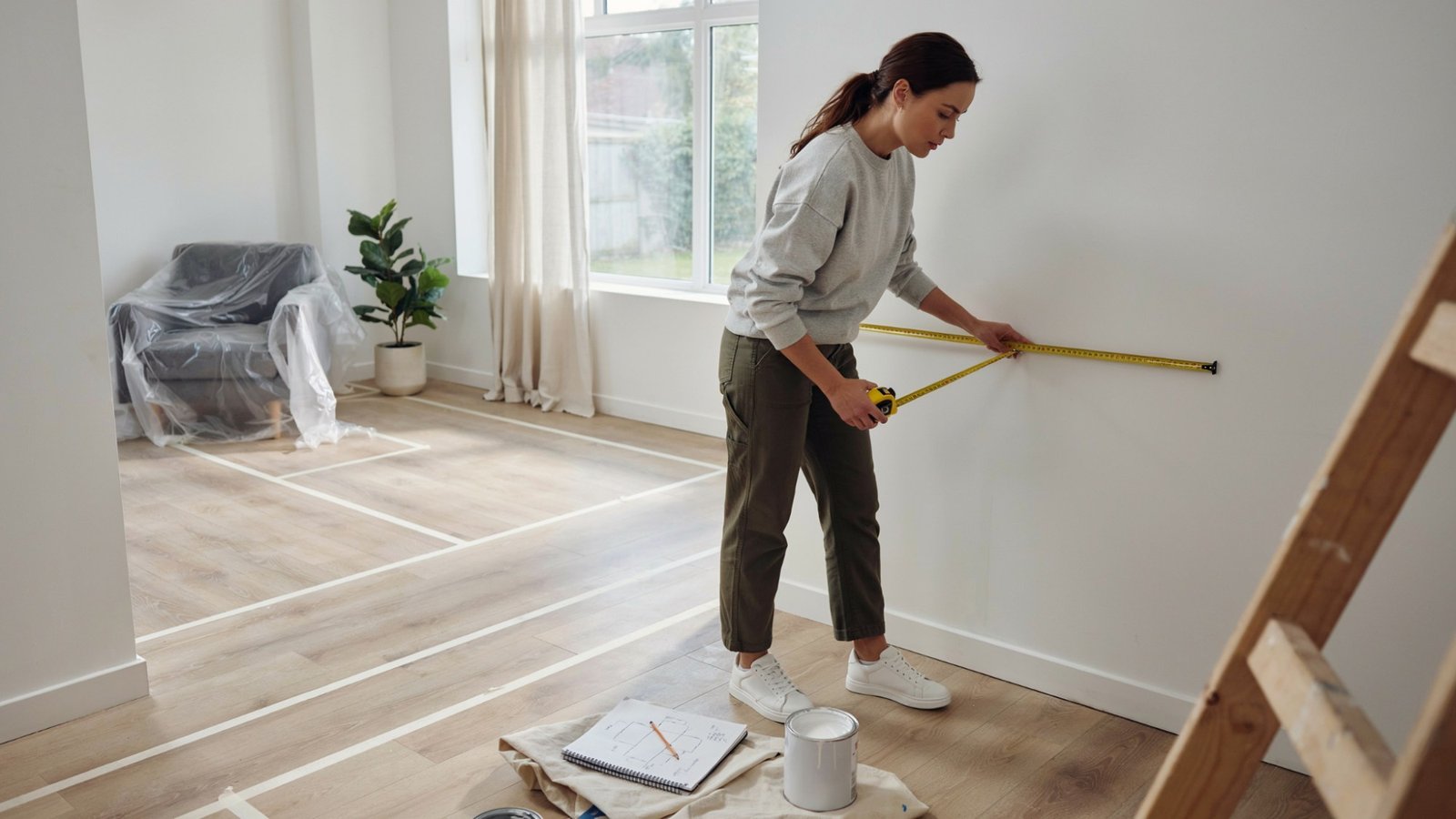
A simple formula helps you figure out exactly how much paint to buy before you start.
Measure Square Footage
Multiply the width of each wall by its height. Add all four walls together. For example, a 10×12 room with 8-foot ceilings has about 352 square feet of wall space.
Subtract Doors and Windows
A standard door covers about 20 square feet. A window is roughly 15 square feet. Subtract those from your total. This gives you a more accurate number to work with.
Estimate Paint for Multiple Coats
Most surfaces need two coats. Multiply your square footage by two. One quart covers around 100 square feet, and one gallon covers about 400 square feet per coat.
How Much Does a Quart of Paint Cover for Common Projects?
A quart goes further on some projects than others. Here's what you can expect for typical jobs.
Accent Walls
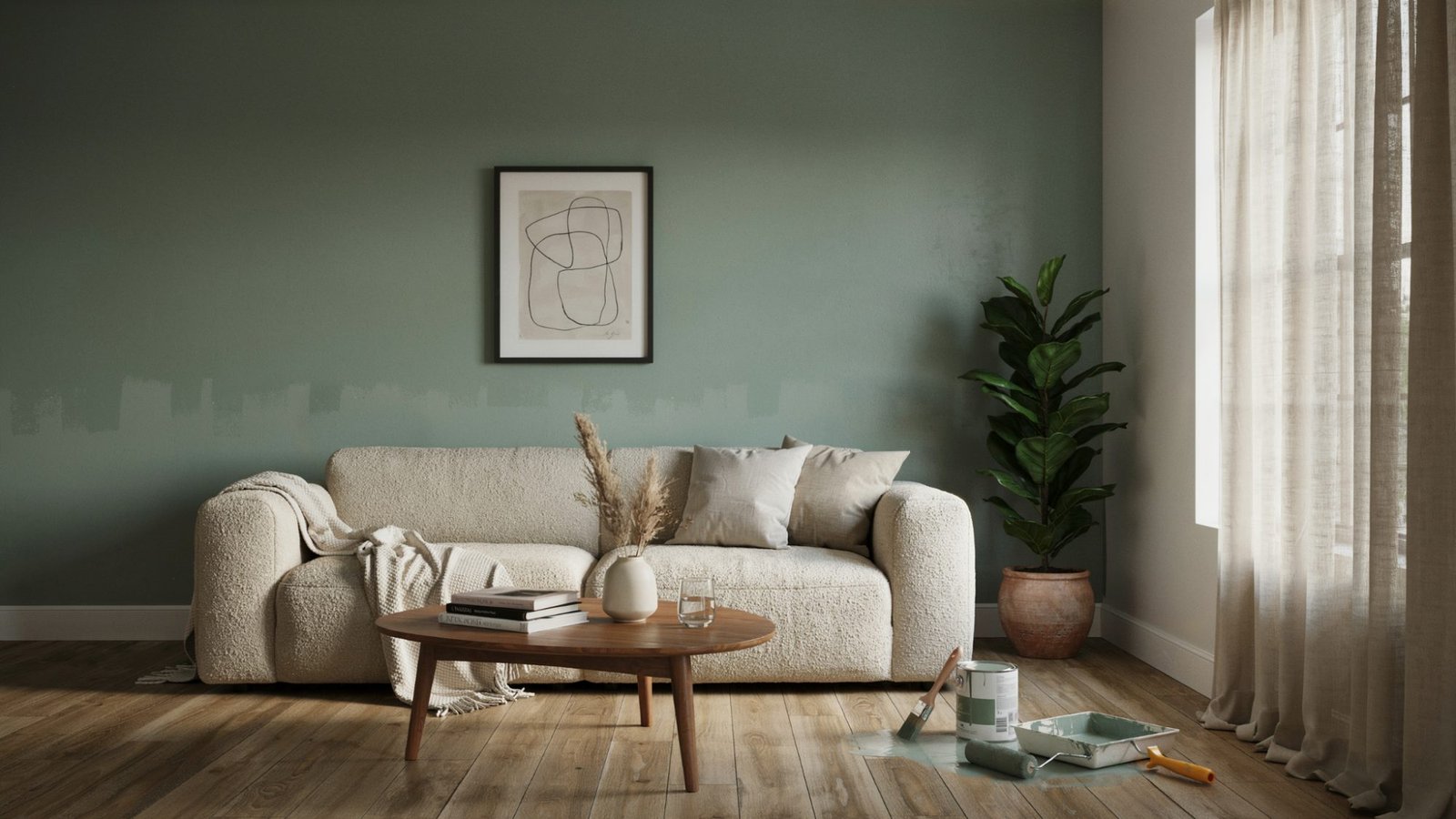
A quart can cover a single accent wall in a small room. If the wall is around 80 to 100 square feet, one quart is usually enough for one coat. For two coats, you may need a second quart.
Small Bathrooms
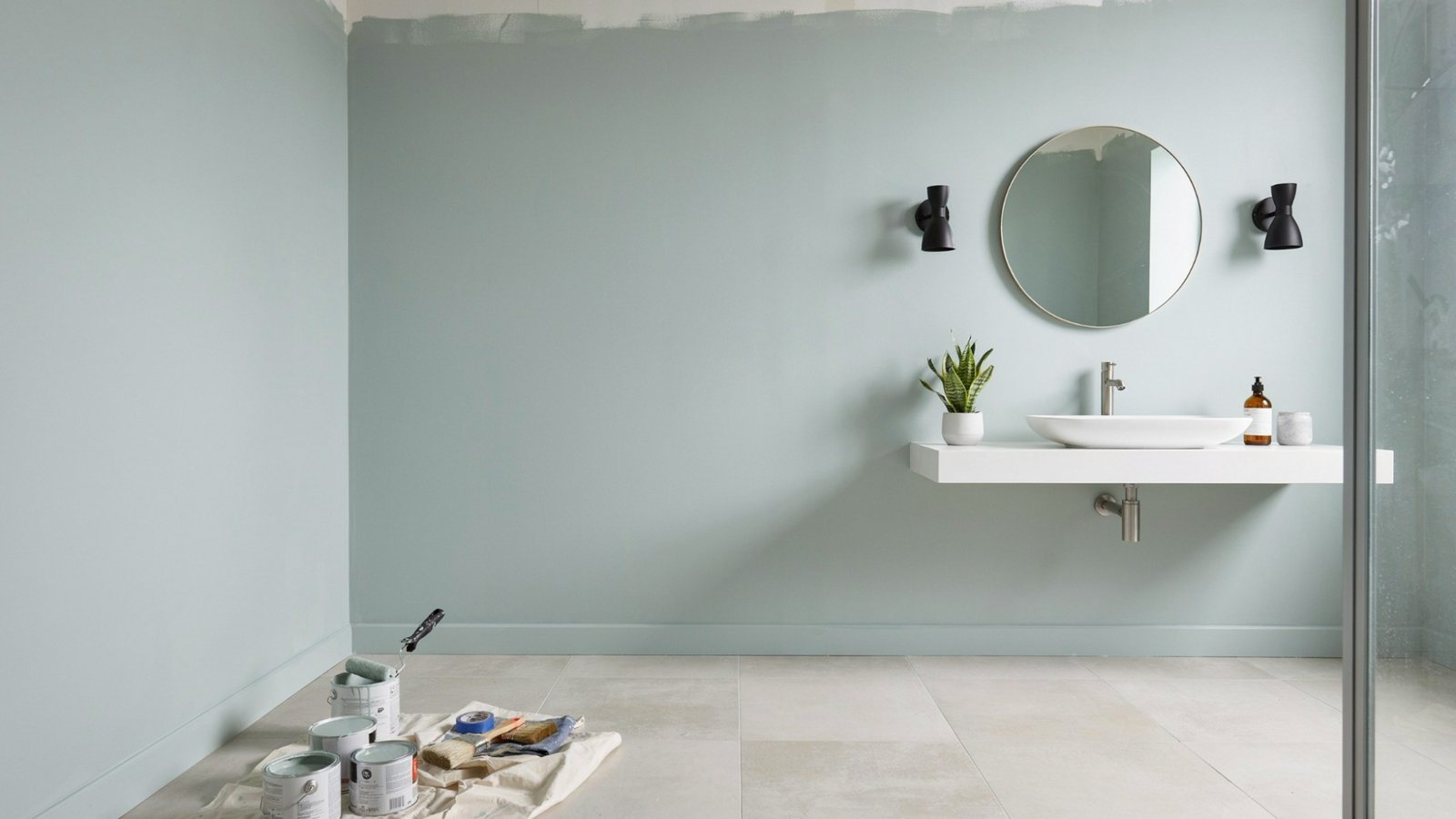
Most small bathrooms have under 200 square feet of paintable wall space. A quart works well here, especially with two coats on smooth walls. Textured walls may need a little more.
Doors and Trim
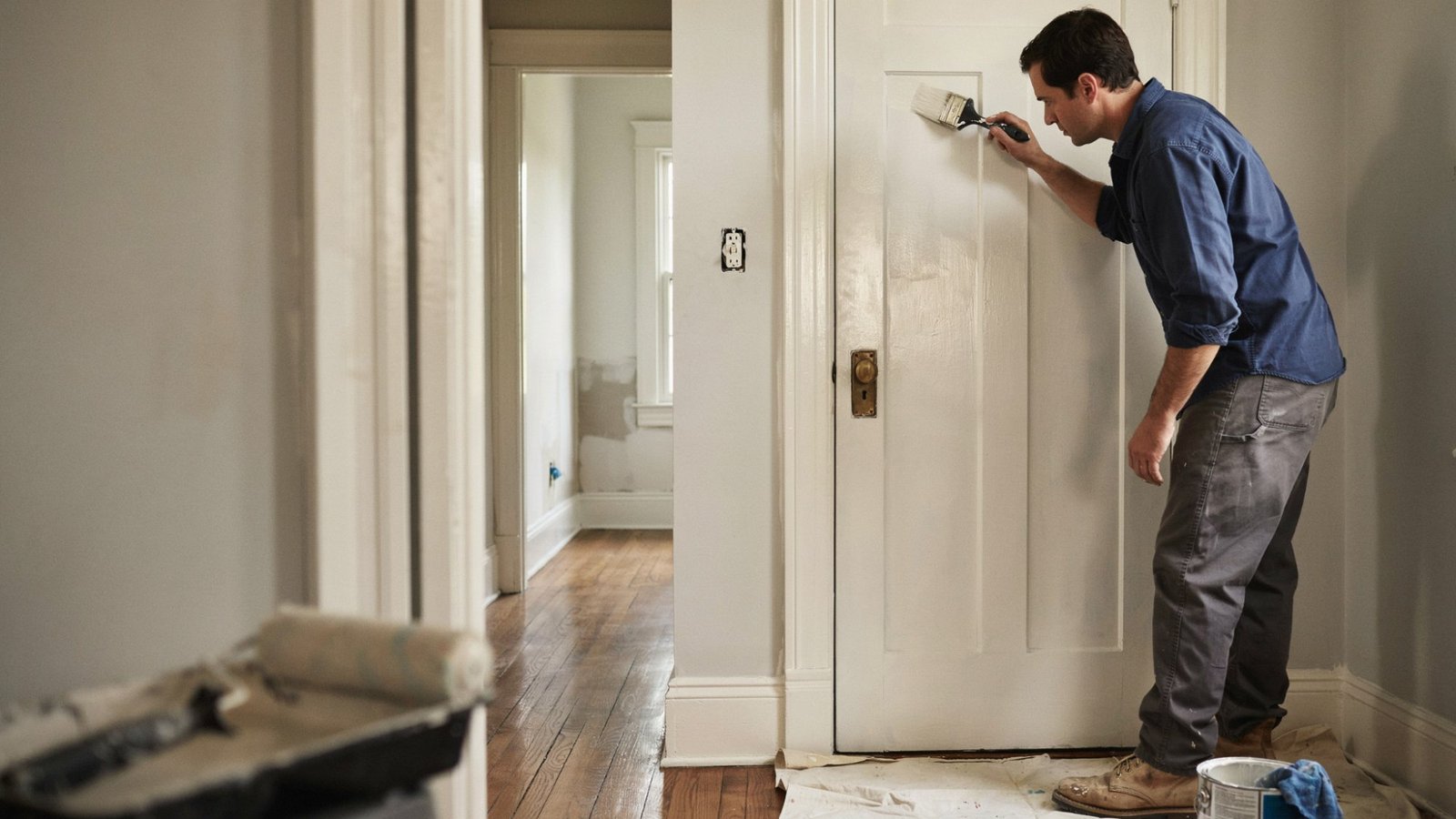
A quart covers a lot of trim work. You can paint two to three standard doors with one quart. It also handles window frames, baseboards, and crown molding without running short.
Furniture and Cabinets
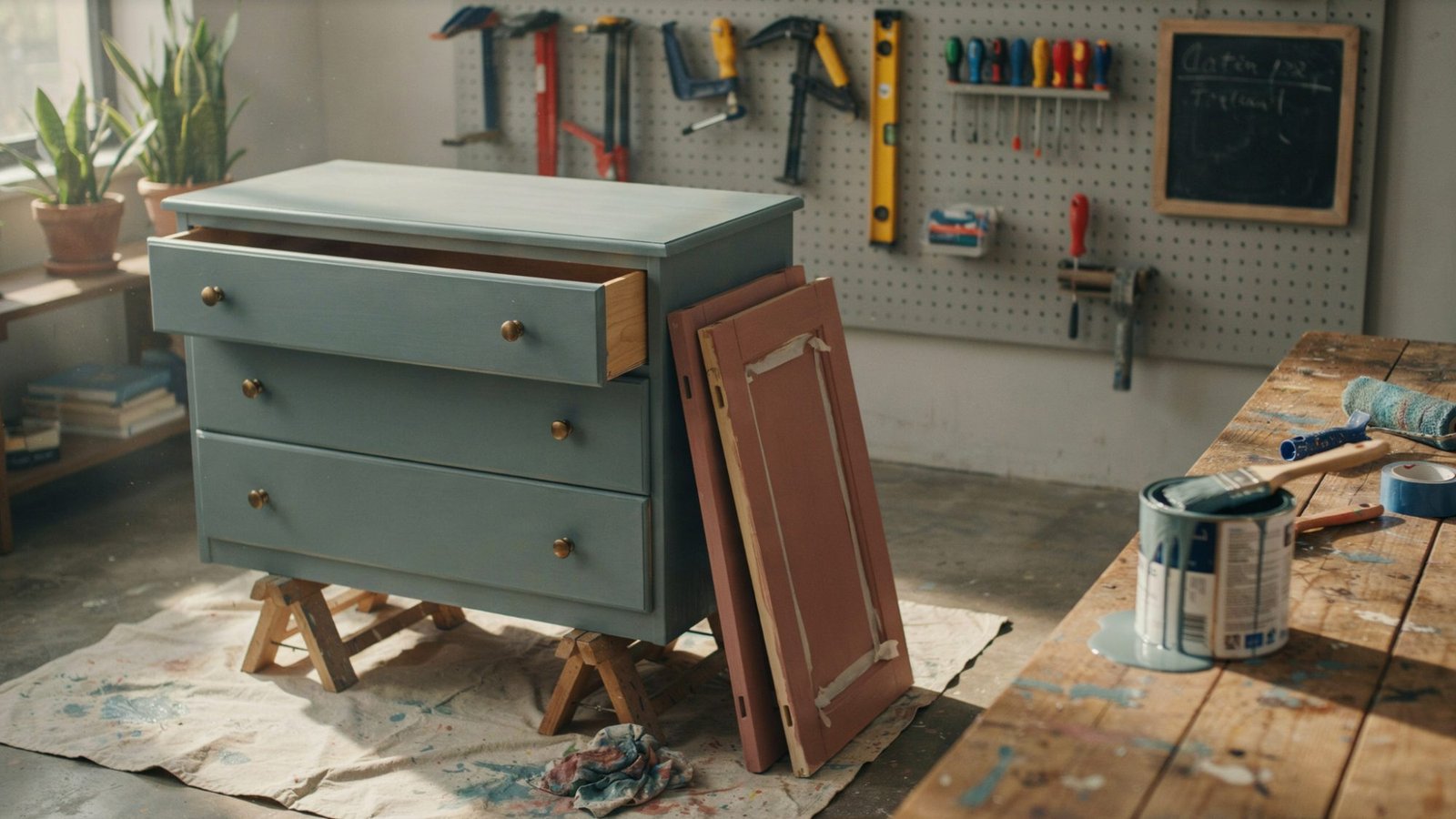
For a small dresser or a set of cabinet doors, a quart is more than enough. Furniture painting uses less product because the surfaces are compact and flat.
Is One Quart of Paint Enough?
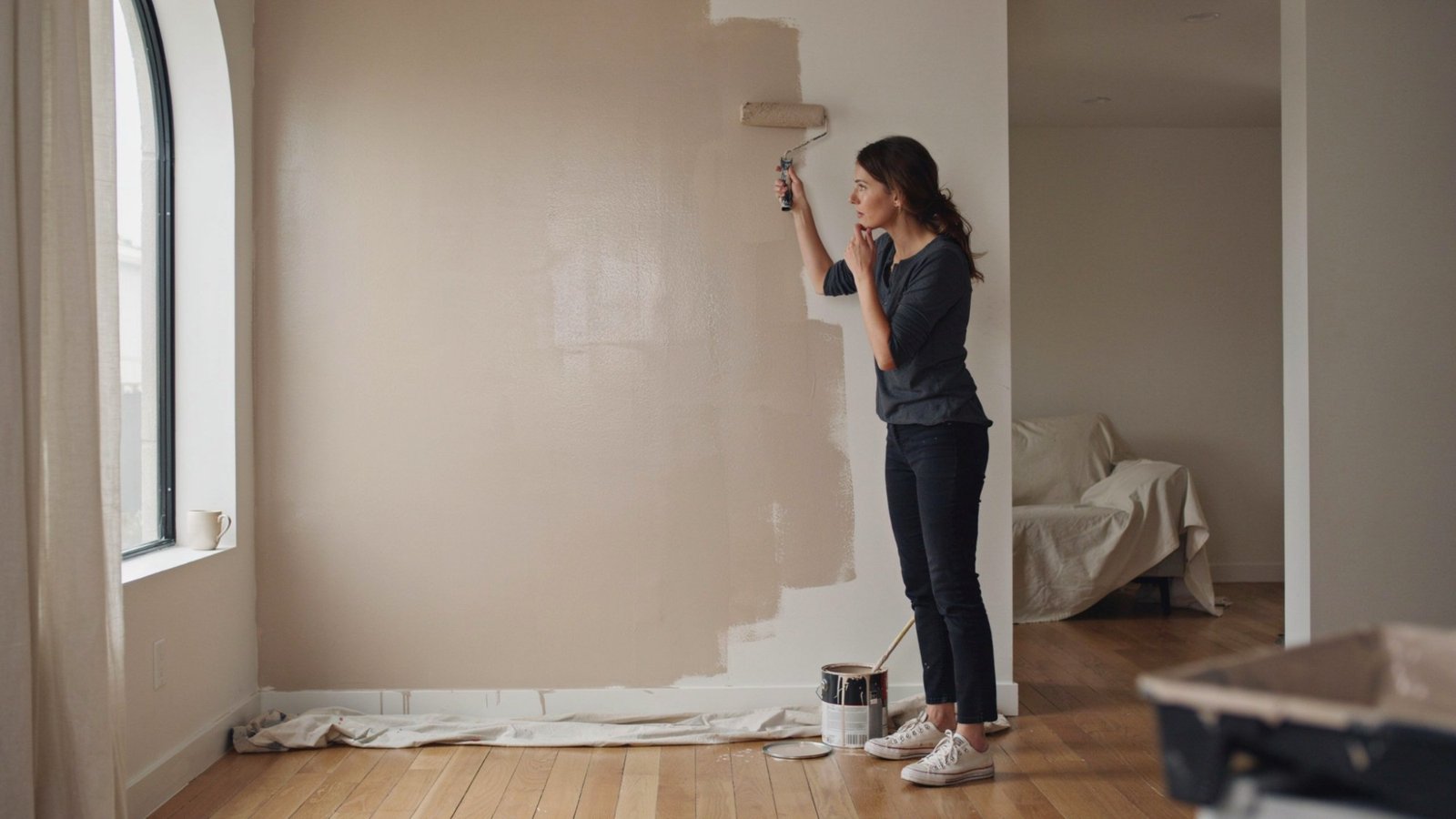
Sometimes a quart does the job perfectly. Other times, a gallon makes more sense.
For One Wall
In most cases, yes. A single wall in a standard room runs between 60 and 120 square feet. A quart covers that range well with one coat. Two coats may stretch it close to the limit.
For a Small Room
A quart alone won't cover a full room. Even a small bathroom or bedroom has more square footage than one quart can handle for two coats. Plan on two to three quarts at minimum for small rooms.
When to Buy a Gallon Instead
If your project is larger than 100 square feet or needs two coats, go with a gallon. Gallons cost less per square foot than quarts. Buying a gallon also gives you leftover paint for touch-ups later.
Tips to Get the Most Coverage From a Quart of Paint
A few simple habits can stretch your paint further and give you a cleaner finish.
- Clean the walls before you start. Wash off dust, grease, and dirt. Fill holes and sand rough spots. A smooth, clean surface takes paint evenly and reduces the amount you need.
- Cheap rollers leave lint and absorb too much paint. A good roller releases paint smoothly and covers more area per stroke. Quality brushes lay paint down evenly without streaks.
- Thick coats drip and waste paint. Thin, even coats dry better and cover more area. Let each coat dry fully before adding the next one. This also gives you a smoother finish.
- Primer seals porous surfaces and hides old colors. It costs less than a topcoat and does a lot of the heavy work. Using a primer means your finish coat goes on cleaner and lasts longer.
- Store leftover paint the right way. Seal the lid tightly and keep the can in a cool, dry spot. Good storage keeps the paint fresh for touch-ups and future use.
Conclusion
I remember standing in a paint aisle completely lost, not knowing if one quart was enough. Trust me, a little planning saves a lot of wasted trips back to the store.
Now you have everything you need to figure out how much a quart of paint covers before you even open the can. Start small, prep well, and buy smart.
Have a project coming up? Drop a comment below and tell me what you're painting. I'd love to help!
Frequently Asked Questions
How much does a quart of paint cover in square feet?
A quart of paint covers around 100 square feet per coat. This works well for small projects like accent walls, trim, or furniture.
Do I need two coats when using a quart of paint?
Yes, most surfaces look better with two coats. Keep in mind that two coats will cut your coverage area in half.
Can a quart of paint cover a full room?
A quart alone is usually not enough for a full room. Most rooms need at least two to three quarts for proper coverage.
Is it better to buy a quart or a gallon of paint?
For small projects under 100 square feet, a quart works fine. For anything larger or requiring two coats, a gallon is the smarter buy.
Does primer affect how much paint I need?
Yes, using primer reduces the number of topcoats needed. It helps paint stick better and cover more evenly, saving you money in the long run.