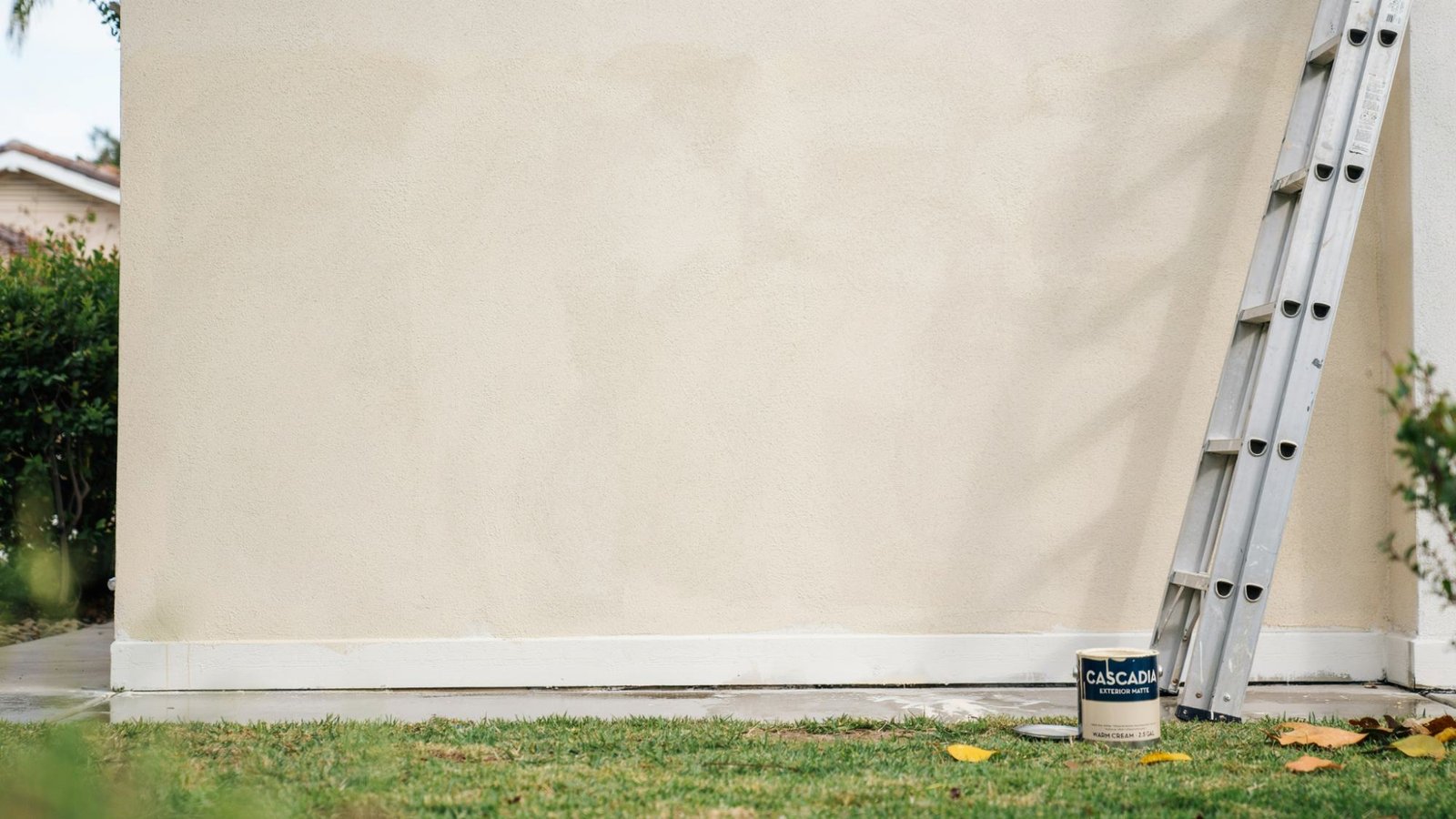
If you've ever painted the outside of your home, you know that waiting is the hardest part. How long does it take exterior paint to dry completely?
That's exactly what I'll answer here. I've spent years working on home paint projects, and I've made enough mistakes to know what really matters.
In this guide, I'll cover drying stages, timelines for latex and oil-based paint, rain exposure rules, factors that slow drying, and tips to speed things up safely.
Whether you're a first-timer or redoing old walls, this article will solve your confusion and give you a clear, simple plan to follow from start to finish.
Understanding Exterior Paint Drying Basics

Drying and curing are not the same thing. When paint dries, the water or solvent evaporates and the surface feels dry to the touch.
When paint cures, it goes through a chemical process that makes it hard and durable. Cured paint can handle rain, heat, and scrubbing.
If you rush the process, paint can peel, crack, or bubble. A fully cured surface protects your walls from weather and moisture far better.
"Completely dry" actually means the paint has reached full cure. The surface may look ready in a few hours, but the full hardening process can take up to 30 days.
How Long Does It Take Exterior Paint to Dry Completely?
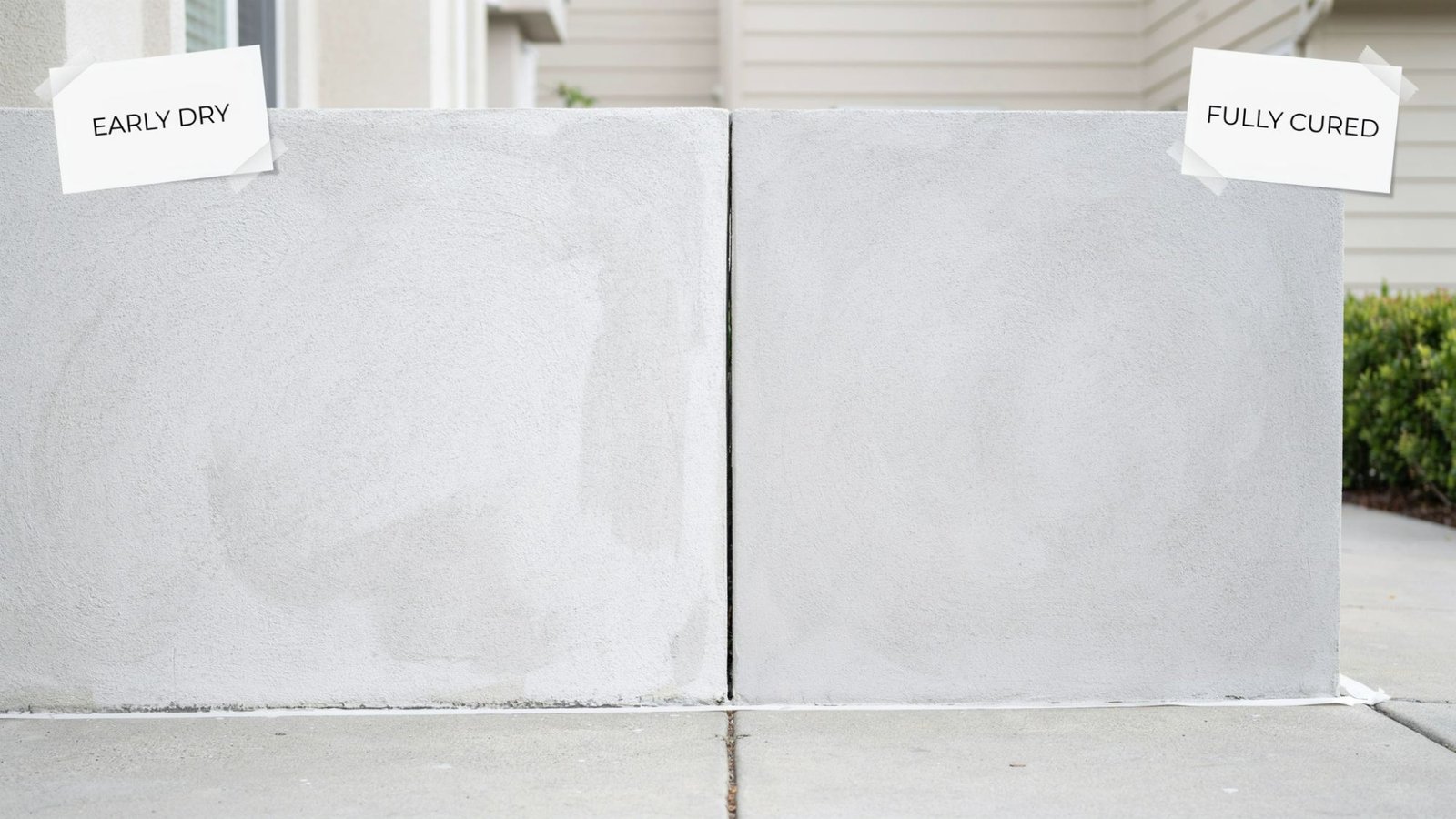
Drying times vary by paint type, and knowing the difference saves you time and rework.
Latex Paint Drying and Full Cure Time
Latex paint is water-based, so it dries faster than most other types. It dries to the touch in 1 to 2 hours and is ready for a second coat after just 4 hours.
This makes it a popular choice for exterior projects. However, full cure still takes 7 to 14 days, so avoid scrubbing or pressure washing until then.
Oil-Based Paint Drying and Full Cure Time
Oil-based paint takes much longer at every stage. It dries to the touch in 6 to 8 hours and needs at least 24 hours before you apply a second coat.
It is more durable in the long run but requires more patience. Full cure can take up to 30 days depending on weather and surface conditions.
Quick Timeline Comparison
A simple side-by-side look at how latex and oil-based paints compare across every drying stage.
| Paint Type | Dry to Touch | Recoat Time | Full Cure |
| Latex | 1-2 hours | 4 hours | 7-14 days |
| Oil-Based | 6-8 hours | 24 hours | Up to 30 days |
Exterior Paint Drying Timeline Explained
Each drying stage has a purpose, and skipping one can ruin your entire paint job.
Dry to Touch Stage (1-8 Hours)
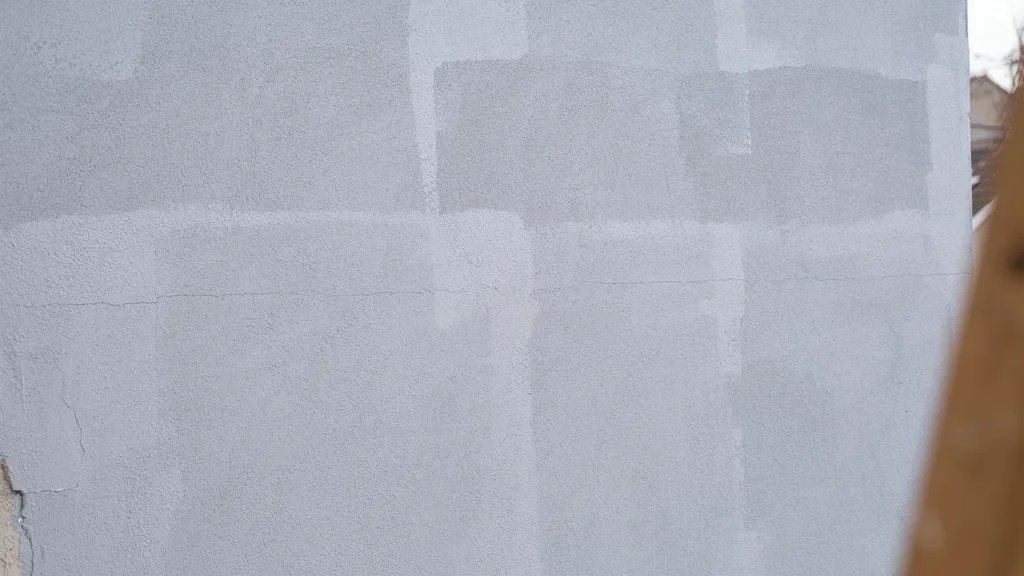
This is the first stage of the drying process. The surface feels dry when you lightly touch it, but the paint underneath is still soft.
Avoid pressing hard or leaning anything against the wall during this time.
Time Between Coats (4-24 Hours)
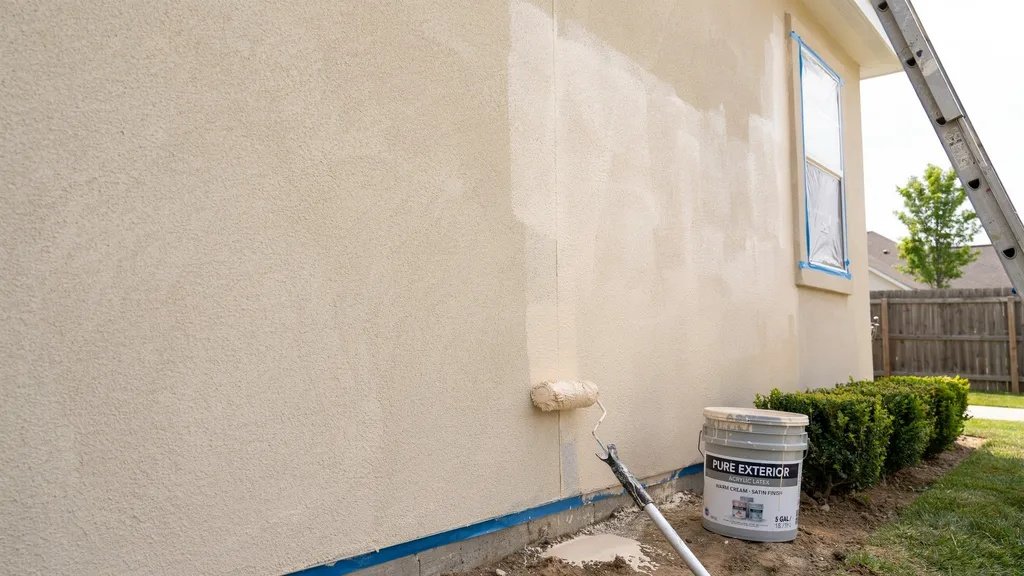
The wait time between coats depends on the paint type you are using. For latex, wait at least 4 hours, and for oil-based paint, wait a full 24 hours.
Applying a second coat too soon causes layers to mix, peel, or lose adhesion.
Safe Handling Time (24-72 Hours)
After 24 to 72 hours, the paint is firm enough to handle light contact without damage. You can open and close windows or doors that were painted during this stage.
Still avoid anything rough or heavy pressing against the surface.
Full Cure Stage (7-30 Days)
This is when the paint reaches its maximum hardness and full strength. Do not scrub, pressure wash, or apply anything harsh to the surface until full cure is complete.
Be gentle during this period to protect the finish you worked hard to get.
How Long Before Exterior Paint Can Withstand Rain?
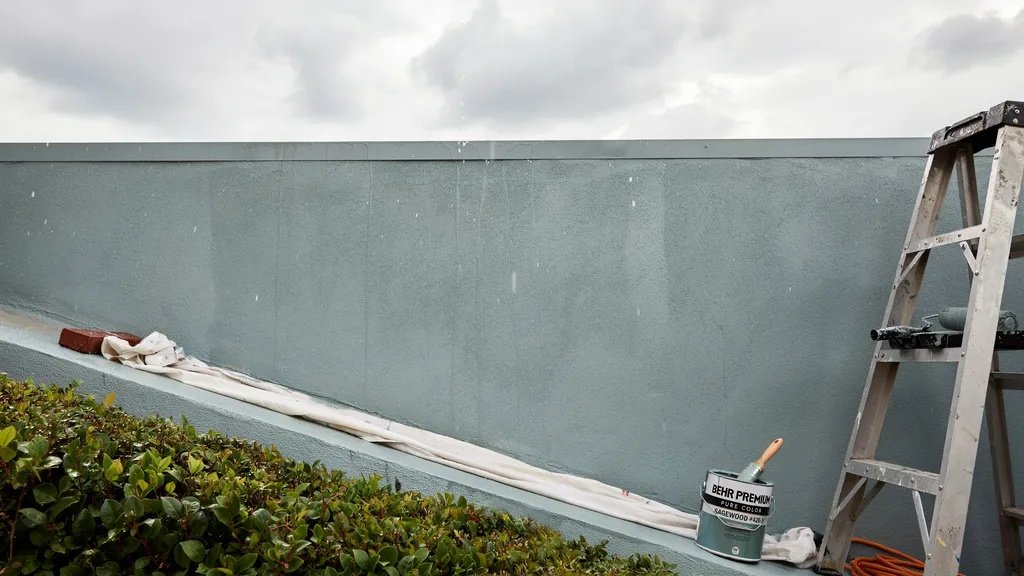
Rain on fresh paint is one of the most common reasons a paint job fails early.
Minimum Dry Time Before Rain Exposure
For latex paint, wait at least 4 hours before rain hits the surface. For oil-based paint, wait 24 hours. These are minimums, not ideals.
What Happens If Paint Gets Wet Too Soon
If rain falls on fresh paint too early, it can:
- Wash away the paint
- Create streaks or blotches
- Cause bubbling or peeling
- Ruin the finish entirely
Safe Waiting Time for Best Results
For the best results, wait 48 hours after painting before any rain exposure. Check the weather forecast before you start any exterior painting project.
Key Factors That Affect Paint Drying Time
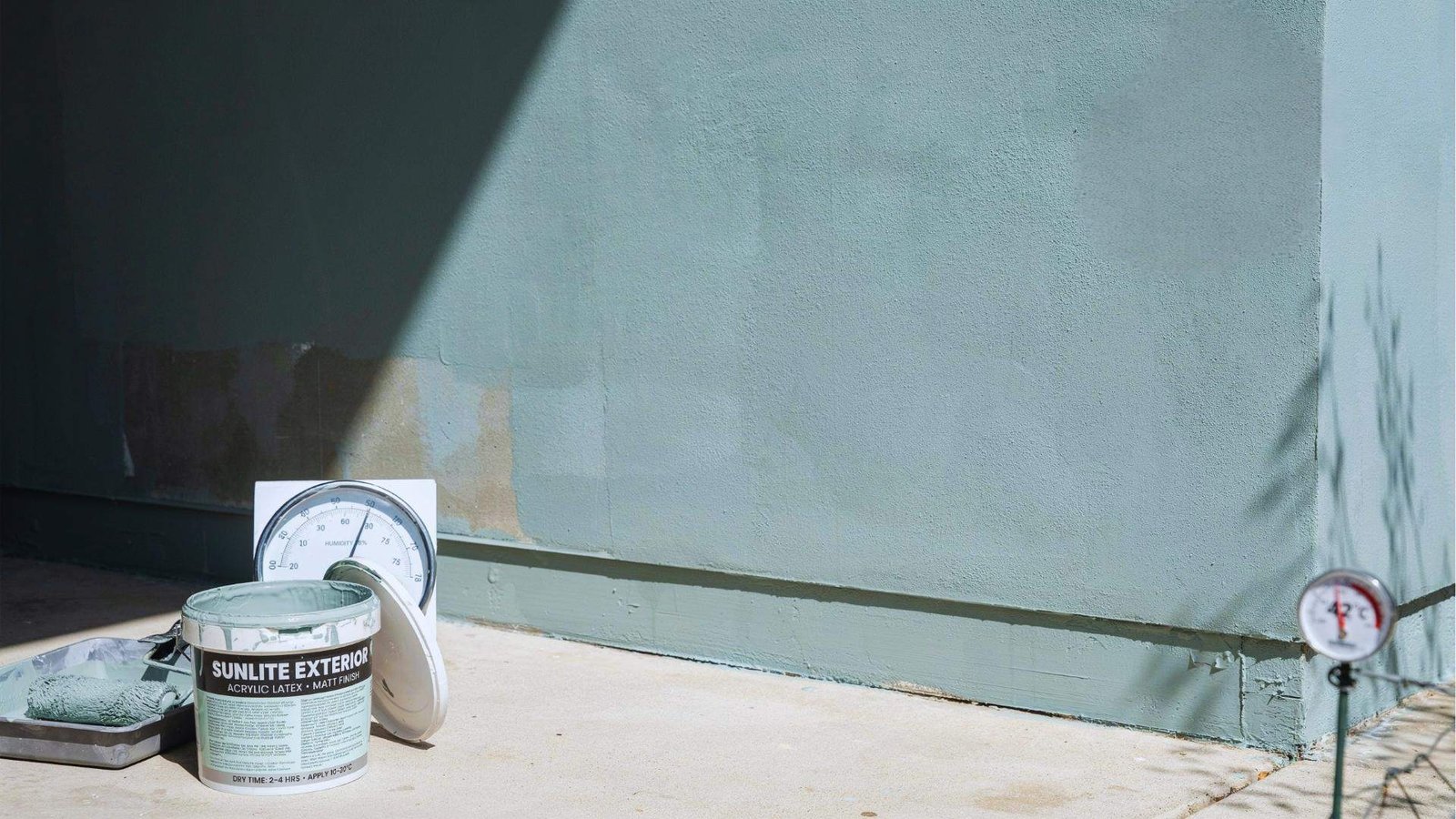
Several outside conditions can either speed up or slow down how fast your paint dries.
Temperature and Weather Conditions
The best temperature for painting is between 50°F and 85°F (10°C to 29°C). Cold weather slows drying. Hot direct sun can dry paint too fast and cause cracking.
Humidity and Moisture Levels
High humidity slows drying time a lot. Aim for humidity below 50% to 70%. On very humid days, paint may take twice as long to dry.
Surface Type and Absorption
Porous surfaces like wood absorb paint differently than smooth surfaces like metal or vinyl. Porous surfaces may need more coats and longer drying time between each.
Thickness of Paint Application
Thick coats take longer to dry. Always apply thin, even coats. Two thin coats dry faster and last longer than one thick coat.
Tips to Help Exterior Paint Dry Faster and Safely
Small changes to how you paint can cut drying time and give you a cleaner finish.
- Paint on dry, mild mornings and always check the forecast before you start. Avoid afternoon heat and never paint when rain is expected.
- Apply thin, even coats using a brush or roller so air can reach the surface evenly. Thin layers dry faster and give a cleaner finish.
- Always wait the full recommended time before applying a second coat. Rushing this step leads to peeling, poor adhesion, and a weak finish.
- If rain is coming, use a tarp or cover to shield the fresh surface from moisture. Even light rain can cause streaks or bubbling on wet paint.
- Keep pets, kids, and foot traffic away from freshly painted areas until the paint is fully dry. Dust and accidental touches can ruin the finish early on.
Conclusion
So, how long does it take exterior paint to dry completely? It depends on the paint type, weather, and how thick you apply it. But now you have a clear picture.
I remember rushing my first exterior paint job and waking up to streaks after an unexpected drizzle. It was frustrating but taught me to always check the forecast.
Take your time, follow the stages, and your paint will last for years. Got questions? Drop a comment below or share this with a friend who's about to start painting!
Frequently Asked Questions
Can I apply a second coat of exterior paint after 2 hours?
For latex paint, it's better to wait at least 4 hours. Applying too soon can cause the layers to lift or mix together.
Does exterior paint dry faster in sunlight?
Mild sunlight can help, but direct hot sun may dry the surface too fast and cause cracking. Shade with some airflow is ideal.
What is the fastest drying exterior paint?
Latex or water-based paints dry the fastest. Some spray formulas can dry to the touch in under an hour in good conditions.
How do I know if exterior paint is fully cured?
Fully cured paint feels hard and smooth. It won't dent or scratch easily. Most paints reach full cure between 7 and 30 days after application.
Can I paint outside if rain is expected in 12 hours?
For latex paint, 4 hours of dry time is the minimum. If you have at least 8 to 12 hours before rain, you should be fine with most latex paints.