You have leftover exterior paint and a room that needs a fresh coat. It feels like a smart, money-saving move. I get that. But can you use exterior paint inside?
The short answer is: not really. I've looked into this closely, and the risks are bigger than most people expect.
Strong fumes, poor air quality, and surface problems are just the start.
In this post, I'll cover the key differences between exterior and interior paint, the real health risks, what actually happens after you apply it indoors, and how to pick the right paint for any indoor project.
By the end, you'll know exactly what to do and what to avoid.
Why Homeowners Consider Using Exterior Paint Indoors
It starts with the best of intentions. You finish painting your fence or siding and end up with half a gallon left over.
Tossing it feels wrong, especially when interior paint costs just as much. Some people assume exterior paint is tougher, so it must perform better indoors too.
Others just want to save money. I've heard all these reasons before, and they make sense on the surface.
But here's the thing: stronger doesn't always mean better.
Using the wrong paint in the wrong space can lead to problems that cost far more to fix than a fresh can of interior paint ever would have.
What's the Difference Between Exterior Paint and Interior Paint?
Not all paint is the same. Here's a quick breakdown of how they compare.
| Feature | Exterior Paint | Interior Paint |
| Purpose | Made for outdoor weather exposure | Made for indoor living spaces |
| VOC Levels | Usually higher | Usually lower |
| Odor | Stronger and longer-lasting | Milder and quicker to fade |
| Durability | Resists sun, rain, and temperature changes | Resists stains, scuffs, and daily wear |
| Finish | Can appear rough or overly glossy indoors | Smoother, more decorative finish |
| Best Use | Siding, fences, sheds, and outdoor surfaces | Walls, ceilings, and indoor rooms |
| Indoor Use | Possible, but not recommended | Specifically designed for indoor use |
Exterior paint is built for weather protection. Interior paint is built for air quality, appearance, and everyday maintenance.
What Are the Risks of Using Exterior Paint Inside?
The risks are real. Here's what you need to know.
Poor Indoor Air Quality
Exterior paint has higher VOC levels. VOCs are volatile organic compounds, chemicals that release into the air as the paint dries. Outdoors, they disperse quickly.
Inside, they have nowhere to go. An enclosed room traps these chemicals. You end up breathing them in for days, weeks, or even longer.
Strong and Lingering Odors
That fresh-paint smell from exterior paint is much stronger than what you'd get from an interior product. It can linger for weeks.
If your bedroom, nursery, or living room smells like a hardware store for a month, it becomes a real problem, not just an inconvenience.
Potential Health Concerns
Children, older adults, pets, and people with breathing issues are especially at risk. Headaches, dizziness, nausea, and eye irritation are common symptoms linked to prolonged VOC exposure.
Even healthy adults can feel off after spending extended time in a freshly painted room with exterior paint.
Long-Term Off-Gassing
Off-gassing is the slow release of chemicals from the dried paint over time. Exterior paint can continue off-gassing long after it looks and feels dry.
This means even weeks after painting, your indoor air may still carry chemical residue. In a well-sealed, poorly ventilated home, this adds up.
Appearance and Performance Issues
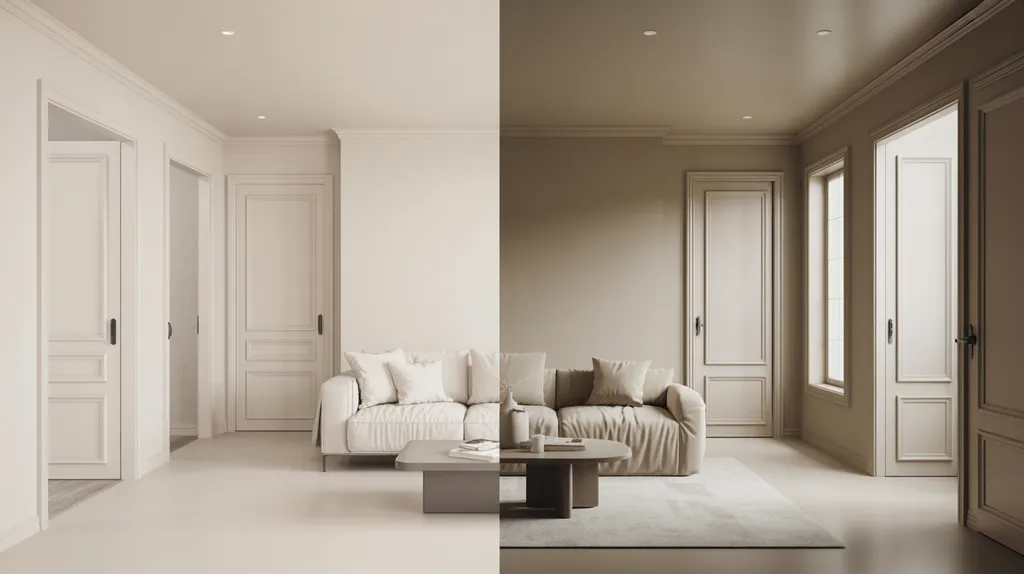
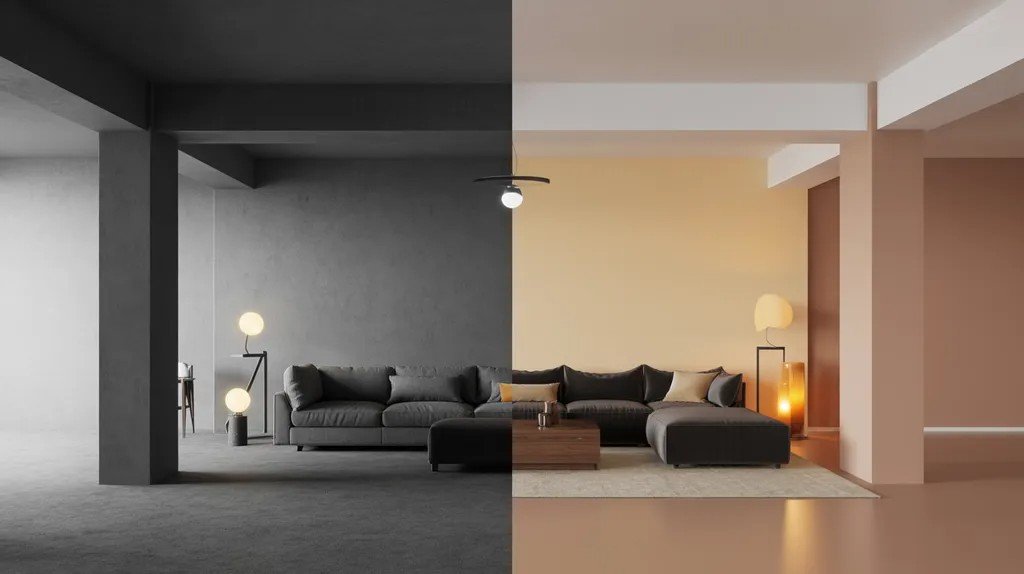
Exterior paint doesn't always look great indoors. It can dry with a rougher texture or a finish that looks out of place on interior walls.
Touch-ups are harder too: exterior paint doesn't blend well once it's cured. You may also notice peeling or adhesion issues over time if the surface wasn't prepared for an outdoor-grade product.
What Happens If You Use Exterior Paint Inside?
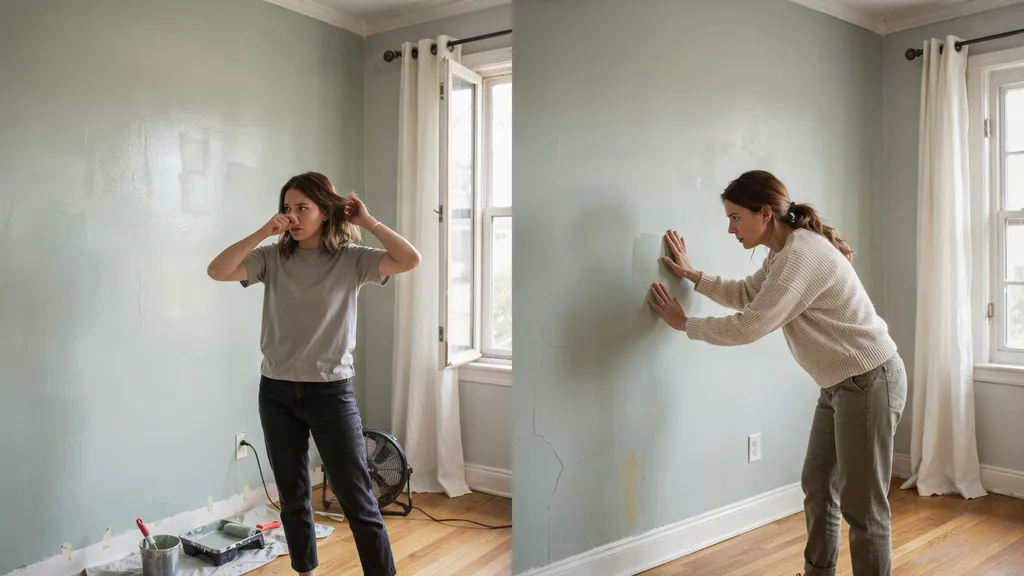
Using exterior paint inside can cause strong odors, poor air quality, and long-term surface issues that are hard to fix.
Immediately After Painting
Right away, you'll notice the smell. It's strong. The paint also takes longer to dry and cure compared to most interior products.
You'll need to keep windows open and fans running. Even with good ventilation, the odor doesn't go away fast.
Drying times can stretch longer than expected, which means the room stays out of use for a while.
Months Later
A few months in, you might start noticing problems. The finish may not hold up the way interior paint would.
Touch-ups become tricky because the paint color and sheen don't match easily. If VOC exposure has been ongoing, you or your family may have noticed subtle but persistent health symptoms.
Surface wear can also show differently: exterior paint isn't made to handle the same kind of daily contact that indoor walls face.
Are There Any Indoor Areas Where Exterior Paint May Be Used?
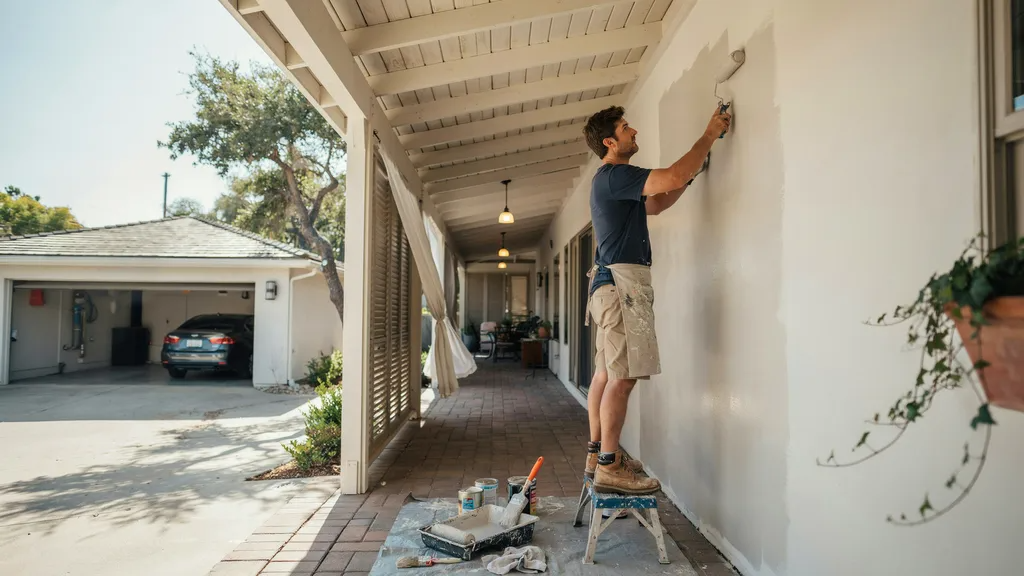
There's one situation where it might make sense: spaces that aren't fully enclosed and get direct outdoor airflow.
Think of an open garage, a breezeway, or a covered outdoor patio that connects to the home. These areas have natural ventilation and don't have the same air-quality concerns as a
bedroom or kitchen. In these cases, using exterior paint is far less risky.
But a fully enclosed basement, laundry room, or bathroom? That's a different story.
Even spaces that feel rough or utilitarian, like storage rooms, still trap air. If people spend any real time in a space, interior paint is the safer and smarter call.
What Should You Do If You Accidentally Used Exterior Paint Indoors?
Don't panic. Here's what to do.
- Open all windows and doors immediately to get fresh air moving through the space.
- Run fans to push air out rather than just circulating it.
- Stay out of the room as much as possible while the paint is still fresh.
- Let it cure fully: don't rush back in just because it looks dry.
- Monitor the odor over the next few weeks. If the smell persists beyond a month, that's a sign off-gassing is still happening.
- Consider repainting. If you're concerned about long-term air quality, especially in a room where children or pets sleep, priming over the exterior paint and applying an interior coat is the cleanest fix.
How to Choose the Right Paint for Indoor Projects
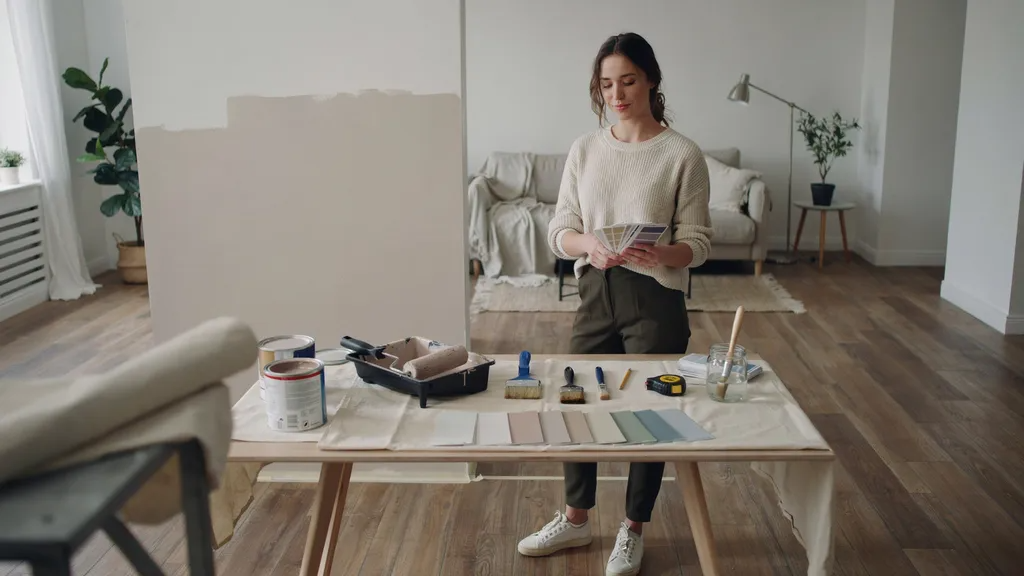
Start by reading the label. Any paint marked for interior use is formulated to keep VOC levels low and odors manageable.
Look for low-VOC or zero-VOC options if you have kids, pets, or sensitivities in the home.
Pick a sheen that suits the room:matte for living rooms and bedrooms, eggshell or satin for kitchens and bathrooms.
Don't skip the primer, especially on fresh drywall or over dark colors. A good primer helps the topcoat go further and last longer.
Spending a little more on the right interior paint upfront saves you the cost and hassle of repainting, repairing, or dealing with air quality issues down the road.
Conclusion
Using the right paint indoors matters more than most people think. Exterior paint can hurt your air quality, affect your health, and leave your walls looking off.
I've seen it happen, and it's never worth the hassle. Stick to interior paint for any indoor project, and save the exterior stuff for outside.
So, can you use exterior paint inside? Technically yes, but I wouldn't.
Found this helpful? Drop a comment, share it with a friend, or check out our other home painting guides.
Frequently Asked Questions
Is it safe to use exterior paint in a garage?
Yes, an open and well-ventilated garage is generally safer than enclosed indoor rooms, but it's still not ideal.
How long do exterior paint fumes last indoors?
They can linger for several weeks, depending on ventilation and how much paint was used.
Can exterior paint be used on interior wood surfaces?
It's not recommended:exterior paint may not bond well to interior wood and can leave a rough finish.
What is off-gassing in paint?
Off-gassing is the slow release of chemicals from dried paint into the air over time.
How do I know if a paint is safe for indoor use?
Check the label for "interior use" and look for low-VOC or zero-VOC certifications.